
 Membership
 Network
 Regional Sites & Affiliates


 Events
 Participate
 Resources

 Training
 Credentials
 Government


 Content Channels
 Tools
Tools


 Business Overview



A Grassroots Effort
Re-energizing the workforce

The IFMA Silicon Valley Chapter is an education centric chapter with a mission to advance the Facilities Management profession through excellence in education, innovative programs, and social connection. Since its inception in 1991 it has certified 58 FMPs, 18 SFPs and 34 CFMs. Most of this has been done through Larry Morgan, distinguished IFMA member and master instructor. He is a facility director for SAP, former IFMA Board member, and FM expert who has made education of FM his passion. With his guidance, the Silicon Valley Chapter has proven to advance the profession FM for those already in the field.
Several years ago, Morgan encouraged chapter leaders to also become more involved in the Global Workforce Initiative. After years of hard work and diligence, there is now a robust workforce development program that has reinvigorated the chapter and helped it become more relevant within the FM community. The task was difficult, but through much trial and error, the Silicon Valley Chapter has found success in making FM a career of choice.
IFMA members have most likely learned there is a shortage of trained FM professionals throughout the world. An untrained professional in any occupation can be both dangerous and costly, but it is particularly troubling for this profession in the new era of the built environment. Within the next five to 15 years, half of the existing FM workforce will retire, and there is a lack of qualified individuals to take their place.
One of the major roadblocks to making FM a “career of choice” is the lack of accredited degree programs in FM throughout the world. The US for example, has only 17 accredited FM degree programs in a handful of states, which is astoundingly minuscule considering the amount of existing FM positions and the amount that will soon be available. IFMA Foundation leaders of the have taken it upon themselves to fill this talent gap and make FM a career of choice through GWI. They seek to accomplish this by making connections to a broader range of students and individuals about the profession, help to educate them, and invest in new opportunities.
The first step of creating a workforce development program is to establish a workforce development committee. While many chapters have an education committee, the common focus of these committees is to create awareness of the IFMA certifications, and to encourage FMs to become certified. However, the primary focus of the workforce development committee is establishing degree programs in FM within the schools close to the chapter, while also creating awareness of the profession outside the IFMA community and encouraging individuals to explore this vocation further. The Silicon Valley Chapter does this by offering IFMA’s best kept secret, the Essentials of Facility Management workshop series. It is an introductory course about facility management that provides a high-level overview of the profession and teaches the students the basic language of FM.
Developing a new degree program at a college is a painfully arduous endeavor. It is a process that takes years and requires a multitude of factors to come together at the right times. One of the first steps in establishing a degree program for FM is to create a curriculum. This curriculum would then need to be approved by the department that will house the program, and from the college itself. One would also need to find an instructor or instructors that can teach the courses full time.
What makes an FM degree more challenging than others is that many of the decision makers at educational institutions are uniformed about the profession, and there isn’t much of a demand from students. Therefore, there is the added challenge of creating a demand from students in order to sustain a viable program. This will require consistent outreach with students, parents, teachers, community organizations, government agencies and the like, as part of an awareness campaign. Volunteers of this effort will have to regularly attend activities such as local career fairs, business expos, high schools and academic competitive events in order to promote the profession. While all of this may seem daunting, there is a way to get programs started immediately while simultaneously creating awareness of the profession.
IFMA Silicon Valley has discovered that there are two prominent ways to establish FM instructive programs relatively quickly. The first model is to offer the Essentials of Facility Management workshops at adult and/or Career Technical Education schools. These institutions are a great fit for this program as many of them are craving variety within the classes they offer. FM is a high paying, middle skills job that is attractive to the types of students that attend these schools. Furthermore, the schedule of the classes and minimum number of students needed to run this program are far more flexible than the college level, making it easier for volunteers to contribute and for working students to attend.
The other model is to establish a certification program at local community colleges. The certification would include the Essentials course, but it would also be coupled by other classes the college already offers, such as: project management, business administration, financing and the like. If the certification of FM becomes popular, a degree program would be likely to follow. The Silicon Valley Chapter has been successful at both models and are offering them concurrently.
The basic structure of the Essentials class goes as follows: The Essentials is a 10-module workshop series that provides a brief overview of the FM profession by offering an outline of IFMA’s 11 core competencies, while also covering several of the main components of the occupation. (e.g. health and safety, measuring productivity, maintaining building systems, etc…) The Silicon Valley Chapter has added three more requirements to this curriculum. First, it included another class to the 10 modules that focuses on resume writing, soft skills and the importance of networking. Second, students must attend a minimum number of IFMA events to reinforce those skills and network with potential employers. Finally, there are two half-day building tours where seasoned FMs may show a day in the life of an FM. In turn, with only a few months of instruction, students will have learned the basic language of FM, what the occupation entails, and the importance of professional organizations such as IFMA to further their careers and find support when needed. Below are a few more lesson we have learned that may benefit the program in your area and help students become more prepared for their newly found career.
The first series of discussions for the committee should entail what institutions will be targeted to house an FM program. Then, research what workforce development programs exist in the area for possible partnership. A simple search on Google should reveal many prospects, but chambers of commerce and government officials in economic development are also good resources. Next, divide into four groups to strategize implementation of goals and define needed resources.
The focus should be on the content of the workshops and recruit subject matter experts to teach each section. The Silicon Valley Chapter discovered that it is much easier to ask professionals to teach one or two sections of the course every time it is offered rather having one teacher responsible for the whole program. For example, ask an FM that is an expert on health and safety to teach that section of the course, and another who is an expert in measuring productivity, i.e. metrics and KPI’s, to teach that section. Be sure to also recruit vendors to participate and teach the sections on maintain building systems. For example, ask an HVAC vendor to teach HVAC maintenance, and a general contractor to teach about building foundations, structures and building envelop, etc.
The second group of the committee should recruit sponsorships from vendors based on the resources needed. Offer the vendors a substantial amount of exposure from the program and remind them that they are supporting the next generation of FMs that one day might hire them. The third group will focus on outreach. They are responsible for recruiting students from local career fairs, business expos and schools. This group should have an ample supply of handout material from their own chapter and from the IFMA Foundation. The last group will reach out to the facilities departments of local companies and inform them of the workforce development program that you are offering. Ask if they are willing to participate by providing internships or entry level positions for the newly IFMA-trained employees.
Once the program builds momentum the benefits far outweigh the efforts. It will create a situation where everyone involved wins. Firstly, IFMA chapters will benefit by becoming stronger and more relevant in their areas. It is important for all IFMA chapters to get their members involved in chapter activities; especially when it is for a noble cause. Getting members active in the chapter equals retention and therefore, the chapter becomes stronger. Also, if local FMs realize that the local chapter is recruiting and training individuals to be the next generation of professionals, the chapter becomes more relevant within the community as a consistent source for new employees. FMs outside of the IFMA community may discover IFMA resources and will be more likely to join. Secondly, the students of the program will benefit from discovering an exciting and fulfilling career that they might not have otherwise known about. At the same time, these students will also realize the importance of professional development organization such as IFMA, and they too will most likely join. Thirdly, the profession of FM as a whole will benefit from having more trained professionals entering this career path as a “career of choice” rather than the typical “I just happened to fall into FM” story. Lastly, vendors will benefit because they will receive maximum exposure from financially supporting this program. FMs will remember those vendors that supported them, and it will most likely create business for the vendors down the road.
There a few more elements that may support the longevity of the workforce development efforts. Start a mentoring program for professionals new to the field. Pair them with those seasoned professionals who may want to contribute to the chapter but have little time. Also, create a young professionals group and have them meet regularly. Young professionals may feel more comfortable with their chapter if they had the opportunity to network with individuals that are like minded and are working through similar circumstances. Finally, recruit vendors to take the Essentials course. It is important for them to better understand the profession of the clients they serve. FMs always enjoy speaking to vendors that understand their language, and vendors can perform better knowing what the FM profession entails.
IFMA’s Silicon Valley Chapter has benefitted greatly from the workforce development program. It has reinvigorated the chapter and helped it become more engaged with its members, community and the FM profession.
First Steps involved with establishing a workforce development program:
Structure of IFMA SV Essentials of Facility Management course:
|
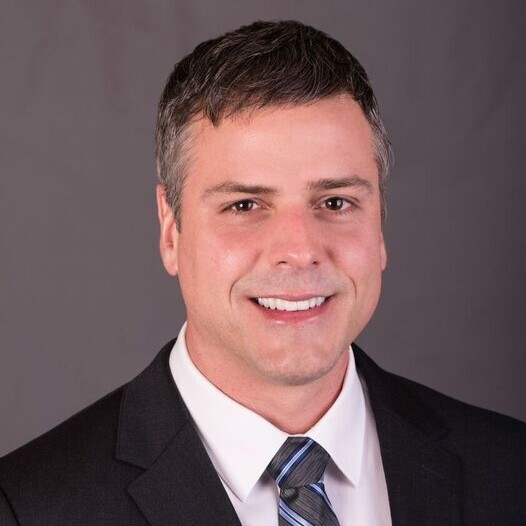
Christian Pellecchia is a former high school biology teacher from Brooklyn New York. He is in construction management in Silicon Valley. Christian serves as the vice president of the IFMA Silicon Valley chapter and secretary of the IFMA East Bay chapter. He is also the recipient of the IFMA Associate of the Year award in 2017 and teaches the “Essentials of Facility Management” course at the College of San Mateo in California.
References
Top image via Getty Images.
Read more on Leadership & Strategy or related topics Training and IFMA Foundation
Explore All FMJ TopicsRelated articles
-

Artificial Intelligence in FM
The stakeholder’s perspectiveBy Dr. Jake Smithwick & Dr. Kenneth Sullivan & Nneka Ubi05.01.2024 -

Mastering Change in Hybrid Environments
Insights from global operational leadersBy Meg Swanson09.02.2024 -

Plugged In
Solving the data disconnect in real estate and FMBy Amanda Muzzarelli & James Waddell07.01.2024