
 Membership
 Network
 Regional Sites & Affiliates


 Events
 Participate
 Resources
 Training
 Credentials
 Government


 Content Channels
 Tools
Tools


 Business Overview



A New Standard
Instilling a sense of safety during reentry
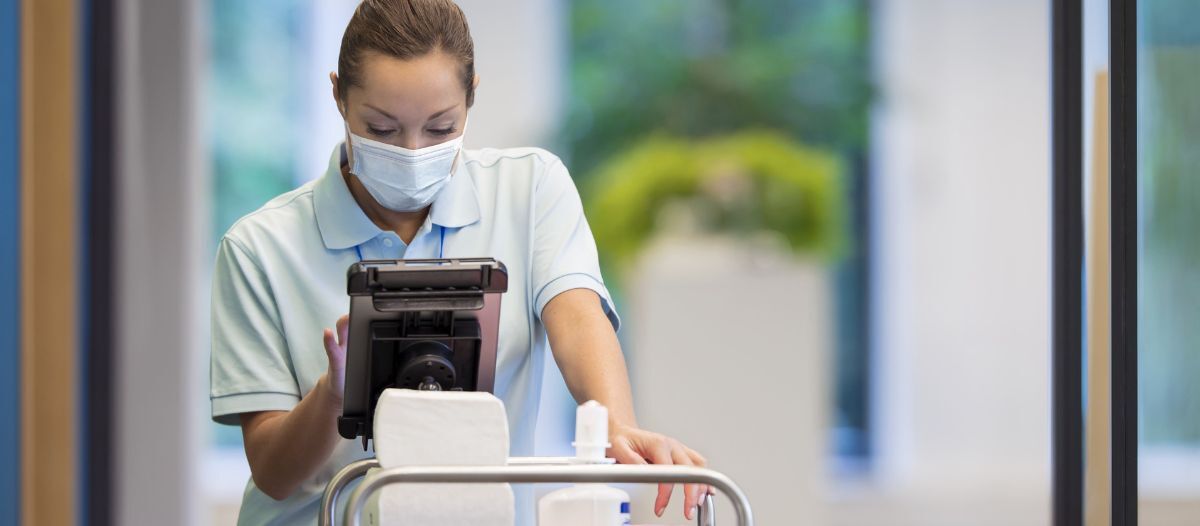
Unprecedented situations call for unprecedented measures, which is why today’s built environment requires a new standard of hygiene. Since the spring of 2020, communities have struggled with significant shifts in everyday life. Many have gone from quarantine and various stages of lockdown, to multiple phases of reopening or return-to-work protocols. Some workers have not been inside their offices in a year. However, frontline workers have continued to go to the physical workplace every day during the COVID-19 pandemic.
A return to public life is coming into focus, and as people start to reenter buildings, expectations for elevated hygiene in public places and the workplace have skyrocketed.
While millions of employees continued to work throughout the most devastating public health crisis in over a century, businesses, building management companies and facility managers are under increased pressure to provide occupants with assurance that spaces are safe and hygienic.
As society navigates the uncertainties of this new working landscape, FMs must ensure they have the necessary resources in place to manage the risk of infection. By maintaining high standards of cleanliness, they can help instill a sense of safety as people begin to return to work — and continue to support those who have been walking through their doors every day since the COVID-19 crisis began.
Setting the new standard of hygiene
Globally, many areas are still grappling with quarantine restrictions, but for those on their way back to work — or those who have never left — very real concerns remain about infection that FMs can help alleviate by implementing hygiene standards that can have a demonstrable impact on reducing the spread of transmission.
Due to the contagiousness of COVID-19, highly regimented cleaning and behavioral protocols must be implemented to contain a pathogen that is easily spread through human contact, can live on surfaces for prolonged periods and is airborne. This means increasing the frequency of cleaning, greater monitoring of high-traffic areas — such as common spaces and restrooms — and ensuring that frontline cleaning staff have the tools and support they need to sufficiently stay on top of enhanced schedules and new, rigorous protocols.
It is also vital that handwashing stations are readily accessible and that they are regularly maintained. Approximately 70 percent of offices today have open-seating plans, which can contribute to the spread of the virus that causes COVID-19 due to shared surfaces. It is more important than ever that frequent handwashing and equipment disinfecting practices are encouraged and actively promoted. There are numerous free materials and resources available from governmental health services, such as the Centers for Disease Control (CDC) and industry leaders including distancing guides, posters for high-traffic areas, floor decals and much more.
Prevention is the key to success. Having a hygiene strategy that provides people with the knowledge they need to navigate and uphold these new standards is critical to assuring workers that they have a safe place to work.
Developing a new hygiene strategy
COVID-19 is reshaping behaviors and attitudes toward public spaces and increasing awareness of hygiene that has dramatically changed how people interact with the world. Social distancing and wearing masks have become the norm, while handwashing has become an important aspect of everyday life, having a targeted approach to cleaning operations and enforcing proper hand hygiene can greatly improve efficiency and efficacy.
Common areas and restrooms require the most maintenance because they experience the highest traffic flow. Fortunately, with consistent surface cleaning and proper hand hygiene, it is possible to help mitigate the spread of germs in an office building. Having disposable wipes available, increasing the frequency of indepth cleaning, and making sure staff has an ample supply of hygiene tools and cleaning equipment is a great start, but there is more that can be done, which starts with having a strategy.
-
Restrooms: In restrooms, cleaning should begin with the cleaner areas first, and finish with the dirtiest, such as toilets and the floor. Sponges and mop buckets can harbor bacteria and microorganisms, so consider using disposable wipes as an alternative. Installing high-capacity hand towel dispensers that release one sheet at a time will reduce the risk of runouts and prevent hand towels from being touched by anyone but the user. Restroom cleaning checklists can help staff think ahead and serve as a reliable way to check off tasks as they are completed. Ensuring handwashing signage is prominently displayed above sinks and reminding employees to wash their hands thoroughly for at least 20 seconds can also help promote proper handwashing habits.
-
Break rooms: Office break rooms can contribute to the spread of disease and should be addressed with a calculated approach. Similar to restrooms, start with the cleanest areas and move toward the most heavily soiled. Considering they often house cooking appliances, grease and oil residue is generally prevalent, which should be treated with hot water and professional detergents. Once cleaned, it will be much easier to sanitize the area. Hand sanitizers should be accessible so employees can clean their hands after touching common surfaces, as well as napkins and paper towels to clean up any spills. To support healthy habits, consider posting signage to encourage social distancing and proper hand hygiene when employees are away from their desks.
-
Open spaces : In open concept offices, people share facilities and technology, and thereby face more hygiene risks. With large numbers of people in one place, there are myriad surfaces that can transmit contagions and host bacteria. Keyboards, computer mice, printers, telephones, conference rooms and tables, and other frequently touched items must be thoroughly cleaned and sanitized regularly. There should be signs informing office workers that areas have been sanitized, as well as posters to encourage social distancing and emphasize safe working practices. Keeping working spaces at least six feet apart and adding plexiglass between desks can offer an extra layer of protection for employees.
Having strategically placed hygiene stands for hand sanitizing and disposable wipes openly accessible are simple ways to help office workers keep their equipment disinfected, giving them a little peace of mind, while also serving as a visual cue to remind people to take hygiene in their own hands.
Optimal dispenser placement within the workplace could include:
-
Reception: Keep one-at-a-time napkin dispensers near seating areas and hand sanitizer, facial tissue and waste bins accessible at the reception desk.
-
Restrooms: Maintain toilet paper and seat covers in stalls; place facial tissue, soap, touch-free paper towel dispensers and sanitizer on adjacent walls with a waste bin at the exit.
-
Break rooms & kitchens: Have soap, hand towels and disposable wiping cloths next to the sink — with a waste bin underneath or next to it — and sanitizer and one-at-a-time dispensers on common tables.
-
Conference rooms: Place sanitizer, disposable wipes and waste bins along the entrance wall, and one-at-a-time napkin dispensers and facial wipes on conference tables.
-
Desk areas: Have sanitizing stations and one-at-a-time dispensers placed in high-traffic areas, and facial tissue, disposable wipes and waste bins at desks.
The easier it is to access sanitizing and disinfecting products, the easier it is to keep the area clean.
Operational adjustments
In addition to robust cleaning and disinfecting, larger operational changes can play a major role in managing the risk of infection by reducing the number of interactions during the workday.
Starting with the morning commute, adjusting working hours and staggering arrival and departure times can greatly reduce congestion in lobbies, elevators and common areas — not to mention avoiding overcrowding on public transportation for those who rely on it.
For workers who are able, and businesses that have the capability, allowing for remote working is a surefire way to minimize physical interactions. If remote working is not possible, staggering schedules to keep half the workforce on site on any given day would be advisable.
Inevitably, many workers will have to head back to the office or workplace, which will require organizations to rethink workstation orientations to ensure workers are adequately distanced and have proper safeguards in place — such as plexiglass barriers — to further reduce contamination. In-person meetings should be limited, but when they are unavoidable, people should practice social distancing and proper hygiene.
Utilizing digital cleaning solutions
In this constantly evolving environment, it is difficult for FMs to stay on top of all that needs to be accomplished and reported on. To ensure cleaning protocols are properly executed and hygiene products are readily available, FMs should consider investing in digital cleaning solutions. Digital cleaning solutions enable businesses to eliminate redundancies and increase productivity without increasing the workload. This type of cleaning, known as data-driven cleaning, can reduce the number of cleaning hours by at least 20 percent, improving efficiency and user satisfaction.
By enabling cleaners to act on real-time data that allows them to understand what needs to be cleaned and when, cleaners can improve the quality of their cleaning operations and eliminate unnecessary work, freeing up their time to focus on other critical tasks.
With data-driven cleaning, FMs can not only optimize their operations and secure a new standard of hygiene that creates safer spaces, but also create a whole new level of productivity, staff engagement and customer satisfaction.
Helping people feel safer
As concerns around hygiene remain heightened, and public places are viewed with concern, businesses and FMs are earning the trust of their employees and tenants. Providing hygienic workplaces is essential to helping people feel confident about getting back to work,and securing a new standard of hygiene is designed to do just that.
Meeting the needs of a shifting economic landscape has been a monumental challenge, but communities are adapting. With the right tools and well-defined strategies, it is possible to give people the confidence that hygiene standards will continue to be met, and that their workplaces are determined to help them safely adjust to new ways of working.

Rachel Olsavicky is the regional marketing manager for Commercial & Public Interest at Tork, Essity’s professional hygiene business. She oversees end-customer marketing plans in these segments for the Tork brand in North America. With more than 10 years of experience in marketing, Olsavicky specializes in market research, product management, business development and strategic planning. Prior to joining Essity, she held positions in product marketing at La Colombe Coffee Roasters and Mars Drinks. Olsavicky holds an MBA focused on marketing management from Syracuse University’s Martin J. Whitman School of Management.
References
2010 survey of 424 office-space managers by the International Facility Management Association
Numbers based on the documented results achieved by three Tork EasyCube customers, measured before and after the implementation of Tork EasyCube.
Read more on Risk Management and Real Estate or related topics Occupant Health and Wellness and Well-being
Explore All FMJ TopicsRelated articles
-
A New Approach
Improving business continuity with alarm managementBy Brad Freeman09.09.2024 -

Beware of Growing Cyberthreats
Why it’s time for stronger facility cybersecurityBy Andrew Harris & Eric Headington10.30.2024 -
Going Up?
Keeping elevators safe & compliantBy Dave Myers & Doug Taylor11.06.2024