
 Membership
 Network
 Regional Sites & Affiliates


 Events
 Participate
 Resources

 Training
 Credentials
 Government


 Content Channels
 Tools
Tools


 Business Overview





Addressing the Talent Gap in FM
IFMA Foundation

The FM industry cannot ignore the fact that more than half of today’s facility management practitioners are expected to retire in the next five to 15 years, yet most companies do not have enough bench strength to fill in the gap. Millennials (born 1981 to 1996) and Generation Z (born 1997 to~2012) have not been entering the field to any great extent.
Indeed, many have never heard of FM as a career choice. Therefore, the IFMA Foundation’s Global Workforce Initiative (GWI) is driving accredited FM programs at universities across the United States, with good progress. As more Gen Zers interview for jobs, what else can be done to recruit them?
How to attract these younger generations into FM was the lingering question throughout IFMA’s World Workplace 2019 conference. Other key themes that emerged also centered around the current and future talent gap:
-
Innovation (specifically, IoT-enabled technology) – The general feeling among attendees is that FMs may feel out of their depth, yet more of their customers are expecting technological solutions.
-
Climate change – The industry has long talked about sustainability or being green; however, “climate crisis” and “man-made global warming” were more prominent than ever before in the discussion. This is on point with the changing demographics the workforce at large is experiencing: millennials, who are famously environmentally conscious and now officially represent 34 percent of the U.S. workforce, are becoming the key industry decision makers as baby boomers retire.
Many suggestions were made to rebrand the industry or job title (“facility management is a very unsexy term”) by organizations, including the IFMA Foundation. Perhaps it is not just about filling the talent gap but elevating the FM profession. A more purposeful moniker might help.
The first question to ask is: “Who are these millennials and Gen Zers, and what is it they want?” as compared to previous generations. What are their work preferences and consumer habits? What are they passionate about? Would an emphasis on creative workspaces, the innovative use of technology and sustainability pique their interest? Probably.
Millennials want to work for the greater good, to do something big; they tend to trust their peers and user-generated content. For Gen-Z, diversity is a watchword. They constitute more than a quarter of the U.S. population and are the most diverse generation in the nation’s history. Gen Zers are tech-savvy, view social media as an integral part of life, risk averse, independent, want flexibility and independence in a job, and want to be authentic. Those preferences certainly point to a career in FM, don’t they?
What can individual FM companies do to market jobs? As an industry, how is the FM story best told?
Elizabeth Zamora, a GWI success story, provided some answers. As a college student at Chaffee College in California, USA, Zamora learned of the new FM degree from two of her professors. One told her about it, and another — who had a long career in FM for the Los Angeles County Metropolitan Transportation Authority — shared her experiences so enthusiastically that it “opened up a whole new world for her.” After a meaningful conversation with ABM’s Tony Piucci, the foundation’s first vice chair, her career path went from internship to entry-level FM. Because Zamora is a people-person, she thought she wanted to be out in the field, but she’s also fascinated with numbers and puzzles and loves her job in FM finance.
Brand messaging ideas that emerged from interviewing Zamora:
-
Emphasize the many different jobs within FM. Are you a people person? There are jobs for you. If you’re a numbers person, there are jobs; and if you’re a strategist or techie, there are jobs for you, too. There are even jobs that combine these skills and preferences.
-
Share real FM experiences. Get testimonials (especially video) from FM professionals about their career paths and why they find FM so exciting and satisfying. It is hard for many people to picture themselves in a job. Help them see themselves in FM.
-
Describe various career paths in FM, the opportunities here and abroad, the job stability and the benefits, not just the salary.
-
Emphasize that FM is about making spaces more comfortable and more sustainable, with greater use of technology that creates efficiencies. Give FM a higher purpose: creating work spaces in which people love to work, helping facilities put less strain on the environment, creating better experiences for occupants and visitors through technology.
-
Talk about some of the more dynamic facilities: museums, stadiums, famous skyscrapers, leading universities, manufacturing plants or a manufacturer of COVID-19 test kits.
-
Rename facility management to something like “facility enhancement” or “workspace management.”
Marketing and recruiting efforts must result in new talent choosing FM as a career, not just “falling into it” like many current FM professionals have.
But, according to Recruiting.com, “Navigating new generations in the workplace is not an easy task…What’s most important is aligning your hiring strategy to business goals and selecting employees who will reinforce that strategy…The common thread across all five generations in the workplace is people’s desire for open communication, a good fit for their goals and an authentic company to work for.”
To address those issues raised at IFMA’s World Workplace, important business strategies for the FM industry are:
1) being innovative through technology, and
2) being even more proactive about climate change. Hiring millennials and Gen-Zers with the right qualifications and passions does align with strategies to address those issues.
Each FM company should also take a look at how it’s communicating company values. How is “authenticity” communicated? What do recruits need to hear from individual FM companies that will convince them that the company is one in which employees can meet their career goals and experience personal satisfaction? What are the next steps for IFMA and the FM industry to further address the talent gap and ensure FM clients’ needs are met? It is time to build that bench strength.
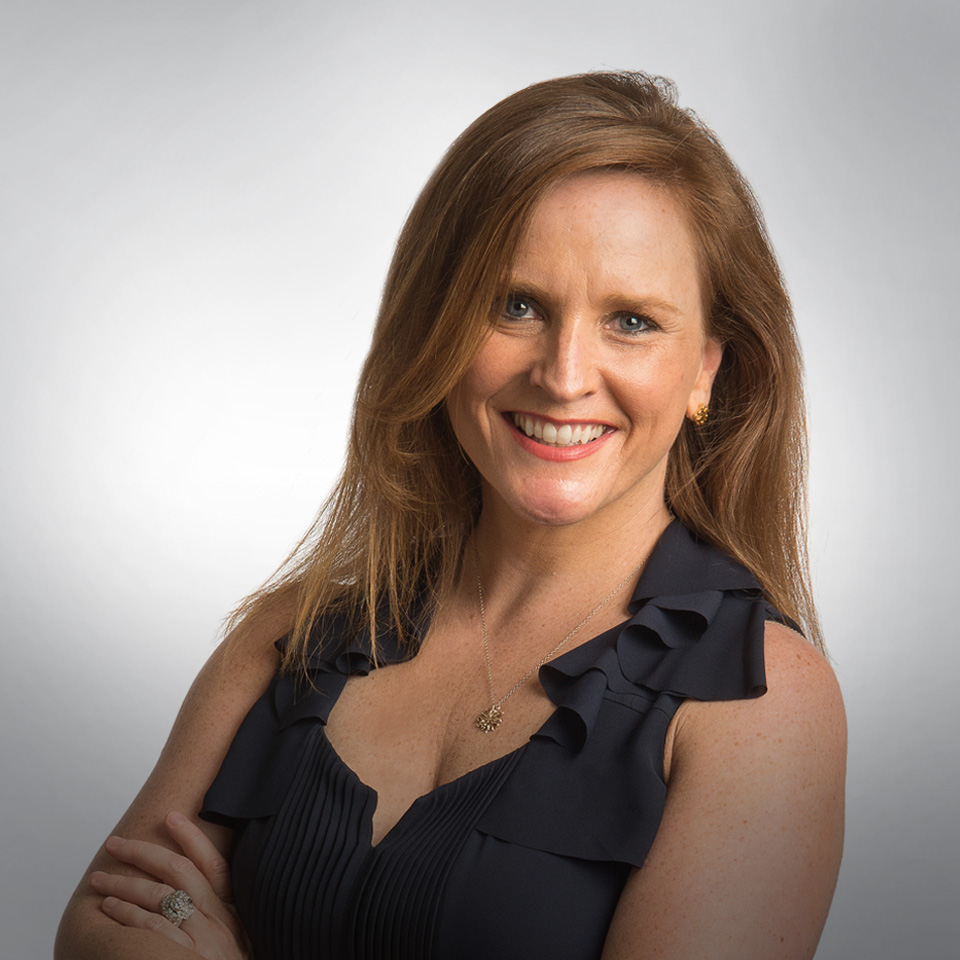
Cary Bainbridge serves as chief marketing officer for ABM. As part of the executive team, she is focused on ensuring tight integration between sales, marketing, communication, operations, brand and culture. She oversees all strategic planning, market and client research, creative services, and outbound and inbound marketing.In her 17 years with ABM, Bainbridge has led both corporate and business-segment marketing and sales operations teams. She was a core driver of the ABM brand transformation and has overseen the brand integrations of more than 20 acquisitions. Prior to ABM, she held marketing leadership roles at The Winter Group of Companies and MCI WorldCom. She has a Bachelor of Arts degree in Communications from Mercer University and serves on the governing body for the Atlanta CMO Executive Summit. Bainbridge is also an active supporter of CHOA Sibley Heart Center.
References
Top image via Getty Images.
IFMA
Recruiting.com, “What do Millennials Really Want at Work?” https://www.recruiting.com/blog/what-do-millennials-really-want-at-work/
Deloite, “Understanding Generation Z in the Workplace,” Tiffany Mawhinney and Kimberly Betts, https://www2.deloitte.com/us/en/pages/consumer-business/articles/understanding-generation-z-in-the-workplace.html
“6 Gen Z Traits You Need to Know to Attract, Hire, and Retain Them,” Samantha McLaren, 10/8/19, https://business.linkedin.com/talent-solutions/blog/hiring-generation-z/2019/how-to-hire-and-retain-generation-z
Read more on Leadership & Strategy or related topics Succession Planning and IFMA Foundation
Explore All FMJ TopicsRelated articles
-

Artificial Intelligence in FM
The stakeholder’s perspectiveBy Dr. Jake Smithwick & Dr. Kenneth Sullivan & Nneka Ubi05.01.2024 -

Mastering Change in Hybrid Environments
Insights from global operational leadersBy Meg Swanson09.02.2024 -

Plugged In
Solving the data disconnect in real estate and FMBy Amanda Muzzarelli & James Waddell07.01.2024