
 Membership
 Network
 Regional Sites & Affiliates


 Events
 Participate
 Resources
 Training
 Credentials
 Government


 Content Channels
 Tools
Tools


 Business Overview




After a Once-in-a-Generation Event
Operational lessons from the 2026 FIFA World Cup
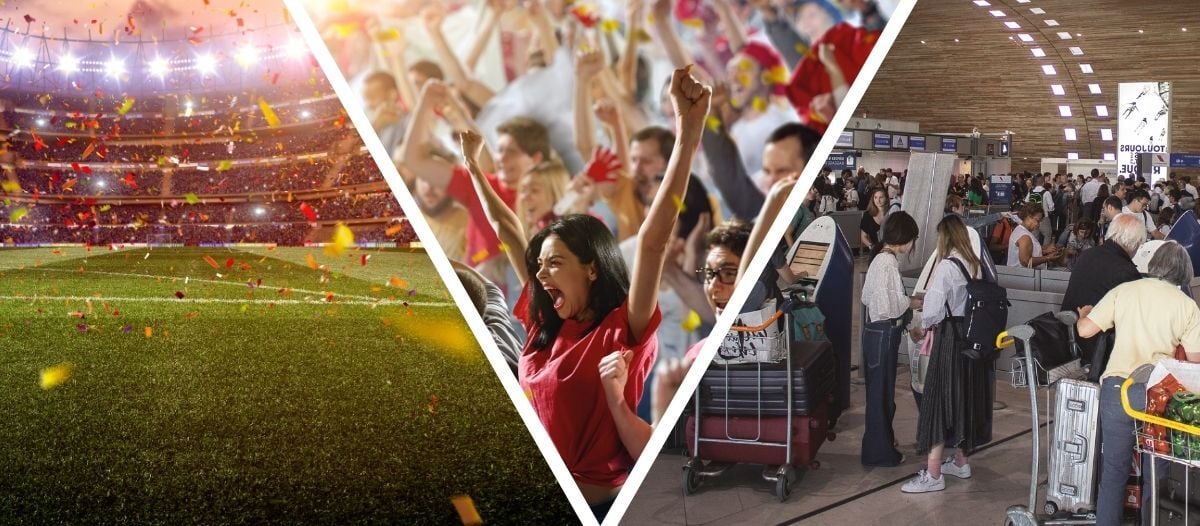
The last visitors have left. Temporary fencing is coming down. The radios are finally quiet. The supervisors debrief one last time before everyone returns to their normal routine.
And almost immediately, the organization begins forgetting what it just learned.
For host cities across Canada, Mexico and the United States, the 2026 FIFA World Cup was not simply another major event. It marked the tournament's return to North America after more than three decades. And for the first time, the event spanned three countries and expanded to 48 teams.
 The impact extended well beyond the stadium.
In Kansas City, an estimated 36,000 Dutch fans filled downtown streets during what was described as the largest fan walk of the tournament. In Boston, Scottish supporters pushed local bars beyond their beer supply. In Dallas, Terry Black's Barbeque shattered its previous US$752,000 weekly sales record, bringing in US$2 million in sales the first week alone. The following week, they did it again — in just five and a half days.
For facility teams, these were not just fan stories. They were reminders that the greatest operational challenges often begin outside the venue itself.
While the public experienced the event, facility teams experienced something else entirely. They saw how their people, processes and systems behaved when routine assumptions no longer held.
These observations may prove more valuable than the event itself — if they are captured before they disappear.
After the event, most organizations think the work is over. But this is when the real work begins.
When plans meet reality
Good planning creates confidence. Once plans are written, vendors confirmed and contingency measures are in place, it is easy to believe the organization is ready.
But real-world operations have a way of introducing variables no planning session can fully anticipate. Priorities and resources shift.
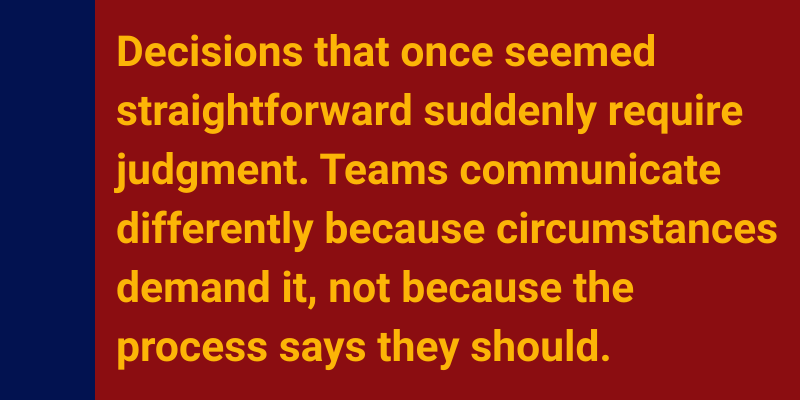 After the event, the question changes. Not "Did the plan work?" but "What did the event reveal that the plan couldn't?"
As activity increases, the margin for error shrinks significantly. Decisions that could wait under normal conditions require immediate attention. Small delays begin affecting other parts of the operation, and assumptions that seemed reasonable during planning are tested against real conditions.
That is an important distinction because adaptation is often mistaken for deviation. Experienced operators do not simply follow procedures. They apply judgment within them.
Unless those adaptations are captured, the same lessons have to be learned again and again.
The lessons organizations usually miss
During periods of elevated demand, dozens of decisions are made that never appear in the original plan. A supervisor moves people from one area to another. A maintenance task is postponed because another issue has become more urgent.
These decisions rarely appear in a post-event summary either, but they offer one of the clearest views of how an organization performs. They show where flexibility already exists, where procedures get in the way and where judgment matters more than process.
High-demand events also reveal relationships that are easy to miss during routine operations. A staffing adjustment may improve response times in one part of the facility while creating pressure somewhere else. A department that normally works independently may become essential to supporting another team's success.
The same is true across the facility itself. Building systems, staffing models and operational workflows that normally appear independent often prove tightly connected under sustained demand. A maintenance issue may increase demands on custodial staff, while higher pedestrian volumes affect security, elevator performance and housekeeping at the same time.
These relationships exist every day. Periods of elevated demand simply make them easier to see.
Making sense of what happened
None of these adaptations necessarily belong in a standard operating procedure. Some are unique to the circumstances. Others reveal improvements that should become part of future planning.
What organizations ask after the event often determines what they learn from it. It is natural to focus on problems because they are the most visible. Equipment failures, delayed response times and customer complaints all deserve attention. But organizations learn just as much from what went right.
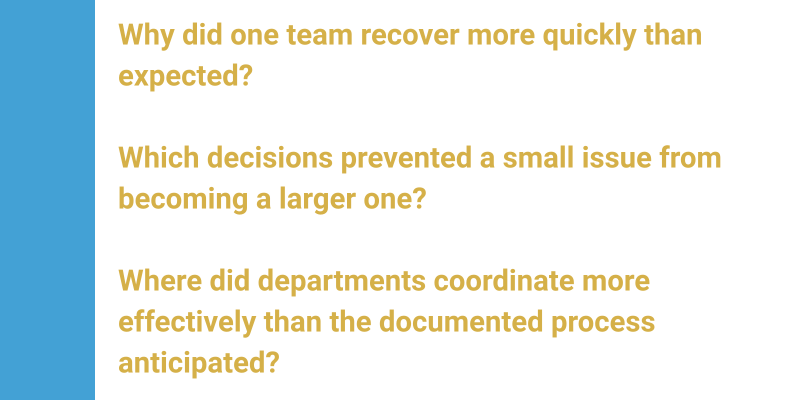 The important point is not that people adapted. Well-prepared organizations usually do. The real opportunity lies in understanding why those adaptations became necessary and deciding which ones should influence preparation for the next period of elevated demand.
Capturing institutional knowledge before it disappears
Experience has a limited window of usefulness unless it is captured.
As routine operations resume, priorities shift, teams disperse and details that felt obvious during the event quickly become harder to recall.
That is why organizations responsible for emergency response, health care and military operations rely on structured after-action reviews.
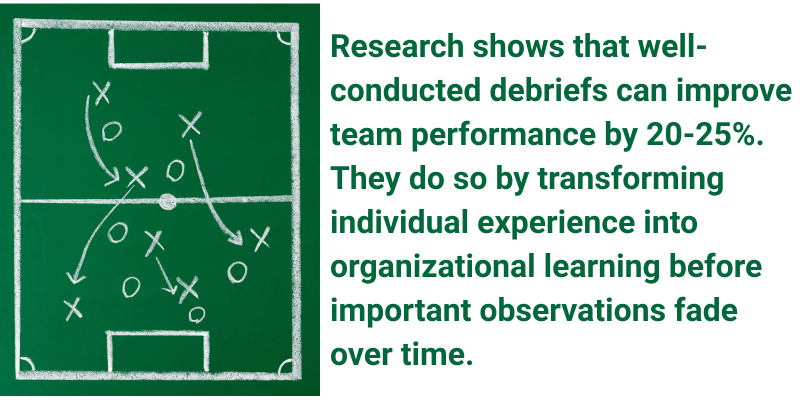 Facility management has the same opportunity — but only if after-action reviews become learning exercises instead of routine debriefs. The goal is not simply to document what happened. It is to understand why it happened and what should change before the next period of elevated demand.
The people closest to the work often have the most valuable insights. Maintenance may identify infrastructure issues that affected custodial operations. Security may recognize pedestrian flow challenges that influenced response times elsewhere in the facility. Frontline supervisors often understand why certain decisions were made in the moment, even if those decisions differ from the written plan.
Bringing those perspectives together creates a more complete picture of organizational performance. The strongest debriefs move beyond asking whether the event was successful. They examine which assumptions proved accurate, where contingency plans fell short, what decisions had to be made in real time, and which adaptations should influence future planning.
Done well, those conversations transform individual experience into organizational knowledge that remains valuable long after the people involved have returned to their normal responsibilities.
Turning lessons into lasting improvements
Capturing lessons is only the first step. Their value depends on whether they influence future decisions.
That begins with asking better questions.
These questions can help facility leaders evaluate the event and identify opportunities to strengthen future operations.
Which assumptions proved incorrect?
Every major event tests assumptions about staffing, facility usage, vendor response and operational capacity. Identifying where expectations differed from reality helps organizations improve future planning instead of repeating the same mistakes.
Which systems or processes experienced the greatest strain?
Not every weakness results in failure. Some systems continue operating but require significantly more attention, resources or workarounds than expected. Those areas often represent the greatest opportunities for improvement before the next period of elevated demand.
Which adaptations should become standard practice?
Supervisors and frontline teams routinely make decisions that improve performance under changing conditions. Some are unique to the event. Others reveal better ways of operating that deserve to be incorporated into future procedures.
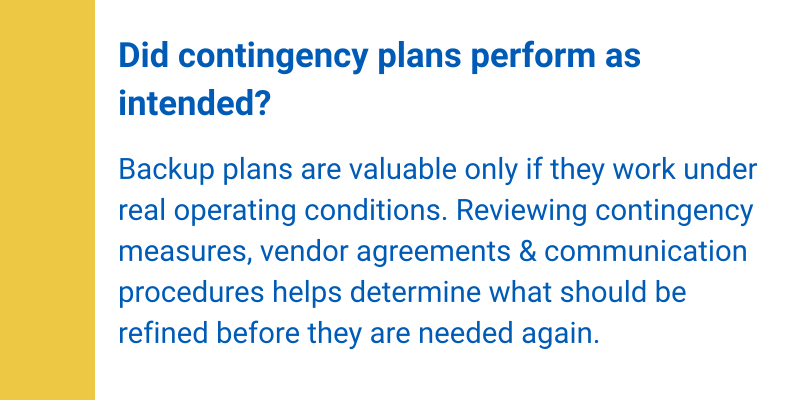
What actions will be taken & who owns them?
Lessons only become improvements when responsibility is assigned. Some observations may lead to updates in standard operating procedures. Others may influence staffing plans, preventive maintenance schedules, vendor expectations or contingency planning. Identifying specific actions, assigning ownership and establishing timelines helps ensure that observations made during one event strengthen performance during the next.
Eventually every major event comes to an end. Facilities return to normal operations. Teams move on to new priorities.
The organizations that improve most are not simply the ones that navigated the event successfully. They are the ones that capture what the experience revealed and use it to strengthen everyday operations long after the crowds have gone home.

Vince Kiel is the Founder and CEO of National Facilities Direct. Over the course of his career, he has founded and scaled more than 30 companies spanning facility services, logistics, infrastructure, technology and operational support. His work focuses on helping organizations improve operational performance, strengthen service delivery and navigate periods of growth and change through disciplined execution and scalable systems.
References
Research & Supplemental Resources
- IFMA Facility Management Body of Knowledge (FMBOK)
- IFMA Operations & Maintenance Competency Resources
- FEMA After-Action Report / Improvement Plan (AAR/IP) Guidance
- FEMA National Preparedness System
- Tannenbaum, S.I. & Cerasoli, C.P. (2013). Do Team and Individual Debriefs Enhance Performance? A Meta-Analysis. https://pubmed.ncbi.nlm.nih.gov/23516804/
World Cup Reference Articles
KCTV5: FIFA organizers say 36K people packed World Cup zone during record Oranje Fanwalk
ESPN: Scotland fans drink Boston dry as local bars run out of beer during World Cup
Texas Monthly: Terry Black’s Barbecue Dallas World Cup sales
Read more on Leadership & Strategy and Project Management or related topics Performance Measures , Project Closeout and Strategic Planning
Explore All FMJ TopicsRelated articles
-

Artificial Intelligence in FM
The stakeholder’s perspectiveBy Dr. Jake Smithwick & Dr. Kenneth Sullivan & Nneka Ubi05.01.2024 -

Mastering Change in Hybrid Environments
Insights from global operational leadersBy Meg Swanson09.02.2024 -

Plugged In
Solving the data disconnect in real estate and FMBy Amanda Muzzarelli & James Waddell07.01.2024