 Membership
 Network
 Regional Sites & Affiliates


 Events
 Participate
 Resources

 Training
 Credentials
 Government


 Content Channels
 Tools
Tools


 Business Overview






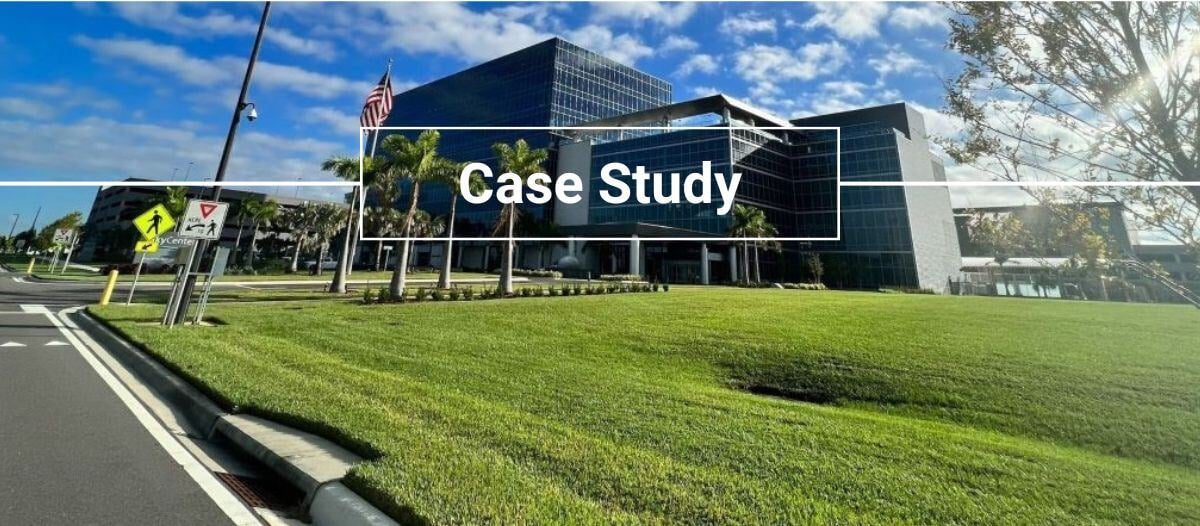
You manage Corporate Headquarters, a multi-story complex of about 125,000 square feet owned by your employer. One third of the complex is leased - to a variety of tenants. Management decides to consolidate operations into 31,250 sf on the third floor. This will open 10,000 sf for lease.
The COO recognizes that planning will evolve with much detail but asks that you speak to the Executive Committee the following week, briefing them about what will be involved and when the project could be completed. You will have 10 minutes total, including questions and discussion.
FMCC members were asked to respond with only key words or phrases and to touch on the following: project, overall communications, space renovation, vendors, moves, lease plans, closing out and reviewing.
Before you go in, ask the COO for 15 minutes. Whether you get it or not, use the time as a preview of coming attractions and not guessing at the credits at the end. During this time, select words and images that build credibility in your planning process and execution skills. The minutes will go by quickly. If you can get your COO to give you a clue on the tendencies of the executive committee, you can make the summary and presentation more meaningful and more likely to receive approval.
Make sure that you’re aware how the project aligns with the demand organization strategy. Know what is being asked of you and why, whether it be cost savings, flexibility, future proofing, etc. Outline how communications will occur both horizontally and vertically. Get with your contractors to get an idea of costs and timing.
Keep in mind what needs to be done and who will be affected. Understand the critical demand organization's operations activities to make best use of available temporary spaces, schedule moves, work-from-home, and IT and security projects.
Following project approval, find out which of the current tenants will leave or remain. Assess the market for the space and lease types. For the tenants who will stay, assess their parking/transportation, security and utility needs, as well as the sustainability for the lease holders. This also includes what happens during buildout, so know the needs of the contractors, real estate and legal teams, especially if leases will change.
Your role as FM is to ensure success, then continuously improving on results. Consider the long-term impact of people working from home due to the COVID-19 pandemic. This may impact the space you need in the future.
References
Thanks to all who spoke about aspects of this scenario. Special thanks to James Delgado, CFM, CIPS, Managing Broker at Facility Solutions Inc. in St. Louis, Missouri, U.S., to Dr. Doug Aldrich, CFM, IFMA Fellow in the U.S., and to Mike Liddle, CFM, of Business & Facilities LLP in Berkshire, England for full range detail and commentary.
Read more on Communication or related topics Communication Skills
Explore All FMJ Topics