
 Membership
 Network
 Regional Sites & Affiliates


 Events
 Participate
 Resources

 Training
 Credentials
 Government


 Content Channels
 Tools
Tools


 Business Overview





Beat the Heat, Cut the Cost
A guide to thermal protection in extreme climates
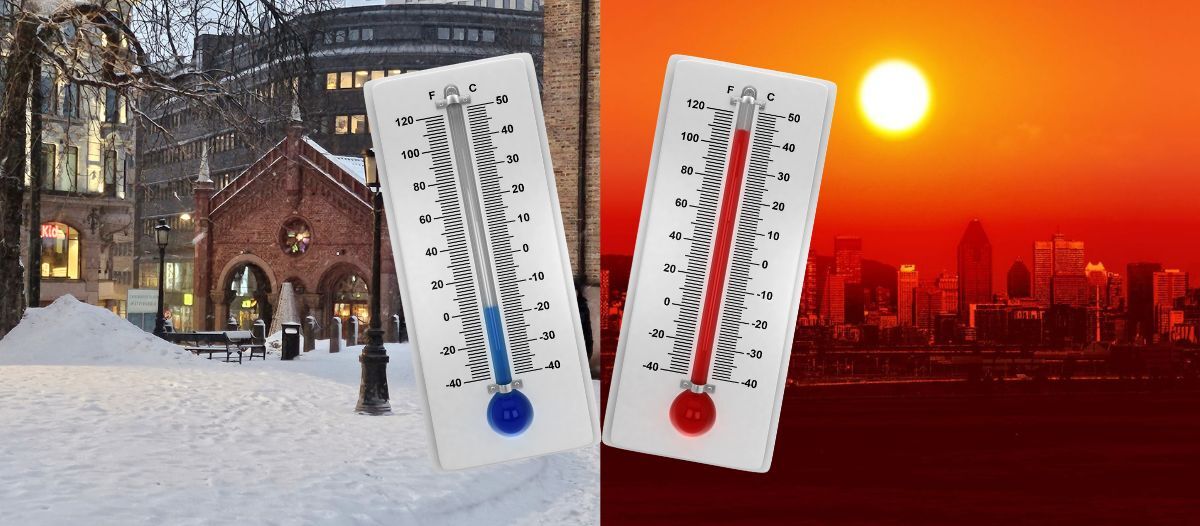
Facility managers in regions with extreme climates recognize the numbers on the electricity bill are more than just digits — they are a direct reflection of the environmental forces acting on buildings every single day. For decades, the common response to high HVAC costs has been to focus on the systems: improve chiller maintenance, install more efficient equipment or upgrade the building management system (BMS). These are all good practices, but they often address the symptoms, not the cause.
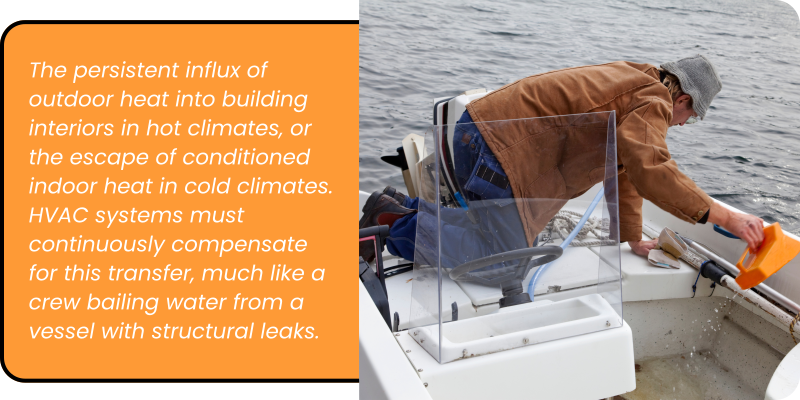
Uncontrolled heat transfer constitutes the primary cause: the persistent influx of outdoor heat into building interiors in hot climates, or the escape of conditioned indoor heat in cold climates. HVAC systems must continuously compensate for this transfer, much like a crew bailing water from a vessel with structural leaks. While upgrading to larger-capacity equipment or more efficient components addresses mechanical capacity, the most effective long-term strategy involves sealing the envelope to eliminate the source of unwanted heat movement.
Part 1: How heat transfer works
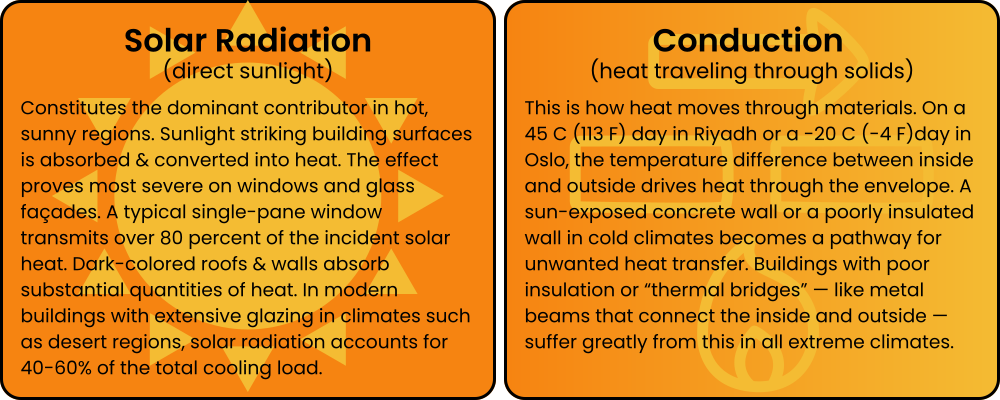
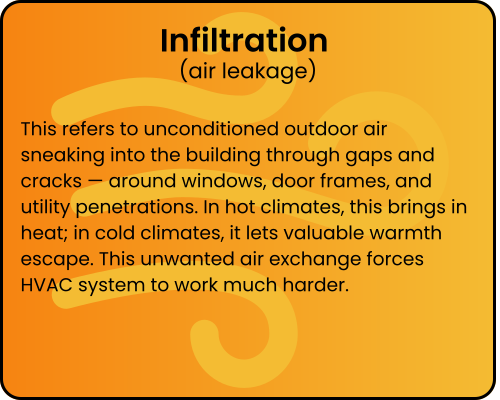
Understanding the pathways of unwanted heat flow forms the foundation of an effective envelope strategy. Three primary mechanisms drive this transfer:
The compounding cost:
The impact of uncontrolled heat transfer proves direct and measurable. A widely accepted principle in HVAC engineering indicates that in cooling-dominant climates, each 1 C (1.8 F) reduction in indoor temperature set point increases chiller energy consumption by 2-3 percent. Heating costs rise correspondingly with each degree of conditioned warmth lost. Mechanical systems do not merely condition occupied spaces; they continuously counteract a persistent, unseen influx or outflow of heat. Mitigating this transfer at the building envelope level represents the most effective leverage point available to facility managers.
Part 2: The 3-pillar thermal defense strategy
The building envelope functions as the primary barrier against extreme climates, analogous to a fortified structure with multiple defensive layers. An effective strategy fortifies three key perimeters: the roof (top), windows and other openings, and the walls. This three-pillar framework applies universally across diverse regions, including hot, desert climates like in the Middle East, tropical environments in Singapore and cold climates in Scandinavia.
Pillar 1: The Roof – Fortify the fifth façade
The roof is a critical surface that receives intense solar radiation in hot climates and is a major source of heat loss in cold ones. An uncoated, dark-colored roof in cities like Riyadh, Phoenix or Delhi can reach surface temperatures of 75-80 C (167-176 F) during summer afternoons, effectively turning it into a giant radiator. In cold climates, a poorly insulated roof allows expensive heat to escape.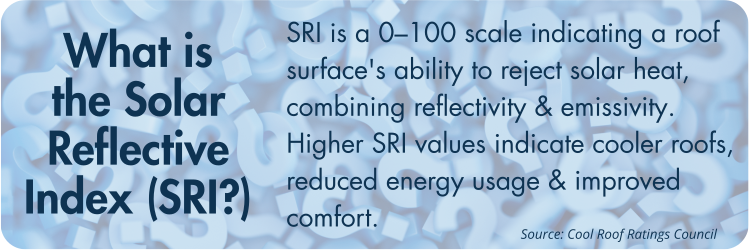
The solution: High-performance roof systems
In hot climates, the most cost-effective retrofit is often high-reflectivity, high-emissivity “cool roof” coatings. These specialized elastomeric or acrylic coatings have a Solar Reflectance Index (SRI) above 82. In cold or mixed climates, the focus shifts to high levels of insulation and airtightness to retain heat.
How it works & the impact:
In hot climates, cool roofs reflect sunlight away and efficiently reradiate absorbed heat. The result can be a dramatic 20-30 C reduction in roof surface temperature, reducing roof-related cooling load by up to 40 percent. In all climates, proper insulation and sealing significantly reduce energy transfer, cut HVAC stress and extend the roof's service life.
Pillar 2: Windows – Reinforce the Weakest Link
Windows are typically the least insulated part of the envelope. The key metric is the solar heat gain coefficient (SHGC) for cooling and the U-value (thermal transmittance) for overall insulation. Old single-pane glass performs poorly on both counts.
-
Solution A – High-performance glazing & films: For existing glazing, retrofitting with spectrally selective or low-emissivity (Low-E) films is highly effective in hot climates, reducing SHGC to 0.3 or lower. In cold climates, triple-glazed windows with low U-values and coatings that retain interior heat are key.
-
Solution B – External shading & strategic design: In sun-drenched regions, stopping the sun before it hits the glass with louvers, shades or deep balconies is highly effective. In colder regions, optimizing window placement and size for passive solar gain while maintaining insulation is crucial.
-
Financial impact: Upgrading windows can reduce the related heating or cooling load by 30-50 percent. In many hot climates, the ROI for solar control films is exceptionally attractive, often paying back in under two years due to high cooling costs.
Pillar 3: The wall envelope – The insulated blanket
Many older buildings have walls with minimal or ineffective insulation, creating a major pathway for energy loss or gain.
-
The solution – Continuous insulation: The most effective method for retrofits is often adding insulation to create a continuous thermal barrier. External insulated finishing systems (EIFS) or rain-screen cladding with insulation are common solutions. This method also helps mitigate thermal bridging.
-
Addressing thermal bridges: Identifying and breaking thermal bridges — elements like balcony slabs, structural columns or metal framing that create a direct path for heat — is critical in all climates. This is done with special insulating materials or thermal break pads.
-
The result: A properly insulated and detailed envelope can reduce conductive heat transfer through walls by 15-25 percent, leading to stable indoor temperatures and significantly reduced HVAC demand.
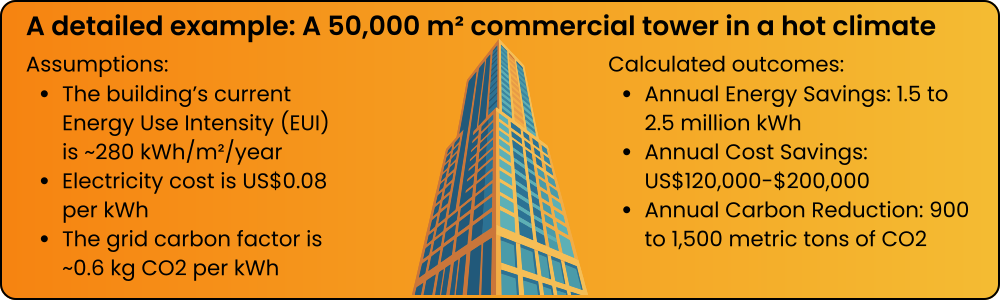
Beyond the utility bill – The hidden ROI:
-
Extended HVAC asset life: Reduced run-hours for mechanical equipment mean less wear and tear, fewer breakdowns and delayed capital replacement.
-
Enhanced occupant comfort & productivity: A stable, comfortable thermal environment reduces complaints and is linked to higher productivity. Happy tenants renew leases.
-
Increased asset value & marketability: Thermal upgrades are cornerstone projects for green building certifications like LEED, BREEAM or local systems like Estidama or Mostadam. Certified buildings attract premium tenants and command higher valuations.
Part 4: The FM’s phased action plan (12-18-month roadmap)
A project of this scale can feel daunting. The key is to break it down into manageable, low-risk phases that build momentum and prove value.
Phase 1: Investigation & baseline (Months 1-3)
-
Action 1
Thermal imaging survey: Thermal imaging audits identify hot spots and thermal bridges, delivering clear visual evidence of significant heat gain or loss locations.
-
Action 2
Building documentation: Collection of architectural drawings, as-built plans and material specifications provides essential insight into the existing building envelope configuration.
-
Action 3
Analyze utility bills: Historical utility bill analysis establishes the baseline for current energy consumption and associated costs.
Phase 2: Pilot a quick-win project (Months 4-6)
-
Action: Selection of one high-impact, low-complexity intervention initiates the pilot phase. A common example involves application of solar control film to windows on the most sun-exposed orientation of a single floor.
-
Goal: Implementation of a controlled before-and-after comparison generates internal proof of concept and provides precise data on return on investment (ROI).
Phase 3: Full proposal & stakeholder engagement (Months 7-9)
-
Action 1
Develop the master retrofit plan. Development of a comprehensive retrofit plan defines the complete project scope and incorporates budgetary quotations from qualified contractors or suppliers.
-
Action 2
Build the financial model. Construction of a detailed financial model presents the identified problem, proposed solution, required investment and projected returns, with typical payback periods ranging from 4-7 years.
-
Action 3
Explore financing. Evaluation of available financing options includes consideration of models such as energy performance contracts (EPCs), particularly in situations where capital availability is limited.
 Phase 4: Staged implementation & verification (Months 10-18+)
-
Action 1
Implement in stages. Execution proceeds in phased segments, with scheduling coordinated to minimize disruption to building occupants and ongoing operations.
-
Action 2:
Measure & verify (M&V). Application of established protocols, such as the International Performance Measurement and Verification Protocol (IPMVP), enables comparison of post-retrofit energy consumption against the established baseline. Resulting verification reports substantiate project outcomes and justify the investment.
-
Action 3
Communicate success. Dissemination of documented results — including quantified energy savings, carbon emissions reductions and improvements in occupant comfort — demonstrates operational excellence and value delivered to stakeholders.
From cost center to value creator
For too long, FM has been seen as a cost center focused on maintenance. The strategic implementation of thermal protection flips this narrative. By taking control of the building envelope, the FM directly contributes to reducing operational expense, enhancing asset value, ensuring occupant well-being and supporting sustainability goals — regardless of continent or region.
In any extreme climate, mastering the building envelope is a fundamental duty and a tremendous opportunity. It starts not with a multimillion-dollar HVAC plant, but with a thermal camera, a pilot project and the resolve to fix the leaks in the building's shield. The journey toward a more efficient, comfortable and valuable building begins with the first step of audit and analysis. As FMs and stewards of these assets, thermal protection is one of the most powerful tools to ensure long-term success and resilience.

Faiq Rauf is an experienced facility management professional with more than a decade of hands-on involvement in multi-site operations, maintenance strategy and cost optimization. His work focuses on aligning operational delivery with asset reliability, workforce effectiveness and long-term value protection. He brings a practical, field-driven perspective shaped by managing complex building systems in demanding environments. Rauf's interests include sustainable FM practices, operational governance and bridging the gap between strategy and execution.
References
Top image by Getty Images.
Read more on Sustainability , Real Estate and Finance & Business or related topics Energy , Real Estate Management and Operational and Capital Budgeting
Explore All FMJ TopicsRelated articles
-

Smart Building Control Systems
The foundation for a grid-interactive buildingBy Andre Marino09.25.2024 -
Smart Building Innovation
Cutting costs & carbon footprints without compromiseBy Andrew Butterworth09.12.2024 -

Chart the Path
Building sustainable cities & a sustainable futureBy Izzat Ali Khan & Aykean Forde12.16.2024