
 Membership
 Network
 Regional Sites & Affiliates


 Events
 Participate
 Resources

 Training
 Credentials
 Government


 Content Channels
 Tools
Tools


 Business Overview





Bridging the Gaps
Operational risk context & persistent asset condition visibility
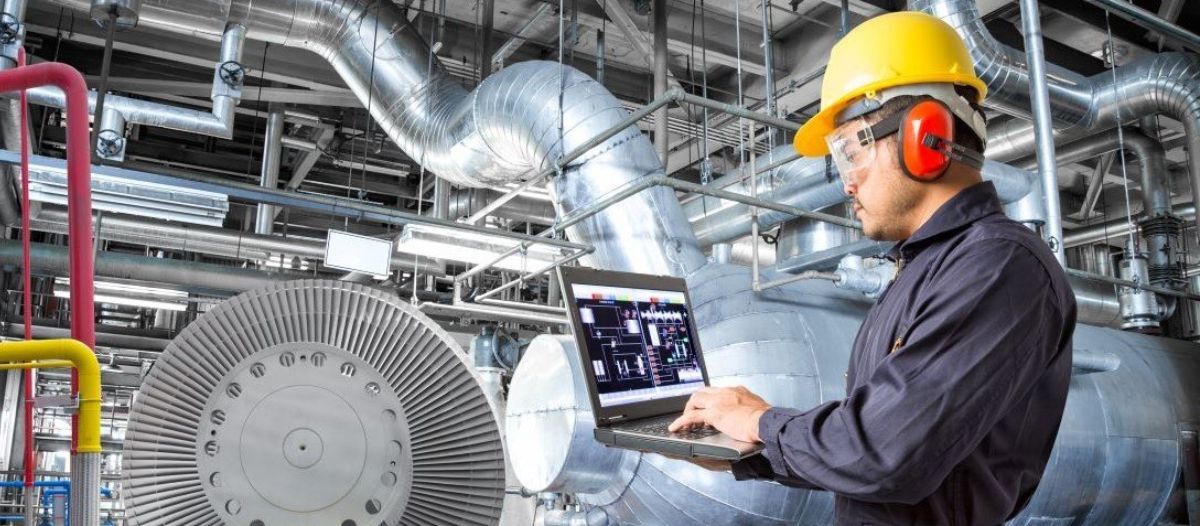
Across buildings and infrastructure environments, facility management teams are navigating rising expectations around operational resilience, environmental stability, compliance documentation and long-term asset performance.
Critical equipment and infrastructure systems are expected to perform reliably under changing demand conditions, occupancy patterns and regulatory requirements. Yet, the methods used to observe asset condition between scheduled inspections often remain largely periodic in nature.
In many organizations, asset condition awareness is still derived through combined manual observation, scheduled maintenance rounds and reactive service response following occupant feedback or system alarms. While these practices remain essential components of FM operations, they can introduce periods of limited visibility into equipment behavior between inspection intervals.
 It’s a quiet problem…
In practice, this limited observational continuity may allow minor equipment performance changes to accumulate over time without generating immediate operational concern. Small fluctuations in temperature regulation, pressure consistency or vibration behavior can develop gradually between inspection intervals. While these variations may initially remain within acceptable tolerance ranges, persistent deviation from baseline performance can contribute to increased equipment strain and reduced operational efficiency.
 Because these changes often emerge incrementally, they may not trigger threshold-based alarms or require immediate service response. As a result, FM teams may encounter performance-related issues only after system behavior has shifted sufficiently to affect environmental stability, occupant comfort or downstream equipment function. These patterns can be particularly difficult to identify when performance data is observed primarily at discrete points in time rather than through continuous monitoring visibility.
Operational experience across multiple facility types suggests that abnormal equipment behavior frequently becomes evident only after performance has shifted beyond expected parameters. Environmental conditions such as temperature, humidity or pressure may move outside tolerance ranges before being recognized through occupant reports or routine checks. Equipment stress, energy inefficiency and service interruptions can similarly emerge during these intervals of limited monitoring continuity.
These experiences are common within the daily rhythm of facilities operations. Weekend equipment events, overnight system drift, tenant comfort complaints, delayed deviation detection or after-hours service calls often occur in ways that are operationally manageable but insufficiently documented in terms of performance trend history. In many cases, such events are treated as isolated maintenance incidents rather than recurring indicators of systemic monitoring limitations.
When viewed individually, these occurrences may appear operationally routine. However, when evaluated collectively across equipment portfolios or facility environments, recurring patterns of delayed awareness or performance deviation may begin to emerge. FMs may recognize similarities across separate incidents involving environmental instability, energy variability or equipment stress that were previously addressed as independent service events.
… until it isn’t
Over time, these patterns may influence maintenance scheduling decisions, resource allocation or capital planning timelines. Without persistent monitoring awareness, it can be challenging to determine whether equipment performance concerns are episodic in nature or indicative of gradual system degradation. Continuous observation of asset condition between inspection intervals can provide insight into these developing trends.
As FMs align asset performance strategies with capital planning objectives and executive reporting requirements, interest has grown in understanding how equipment condition is observed between scheduled maintenance intervals. Questions surrounding performance drift visibility, early detection of environmental excursions, and continuity of asset condition visibility are now entering strategic facilities conversations alongside traditional service metrics.
Emerging developments in AI-assisted monitoring and IoT-enabled sensing technologies are contributing to this shift in perspective. Continuous equipment condition monitoring, environmental stability observation and real-time visibility into operating conditions are expanding the range of informational inputs available to facilities teams.
AI-assisted monitoring platforms and IoT-enabled sensor networks may offer FM teams and organizations an opportunity to observe equipment behavior across extended operational periods. These technologies can support the continuous collection of performance-related data associated with environmental conditions, mechanical activity or system output variability.
 Expanded visibility into asset performance may contribute to earlier awareness of conditions such as temperature excursions, water leaks, pressure imbalance, airflow inconsistency or vibration irregularity. Persistent monitoring visibility may assist in highlighting gradual performance drift over time, supporting improved visibility into equipment operating conditions and environmental stability metrics.
In some environments, AI-supported analytics may further assist FM teams by evaluating equipment behavior patterns and generating alerts via text, email or phone call when monitored conditions begin to deviate from expected performance baselines. These notifications may provide an additional layer of situational awareness, complementing manual inspections without altering established maintenance workflows.
Rather than replacing established inspection practices, these approaches offer an opportunity to complement manual rounds with persistent monitoring awareness.
A focus on asset condition
Within this evolving context, organizations are beginning to examine not only how maintenance tasks are executed, but how asset performance is observed during the periods between those activities. FMs are exploring how deviations in equipment behavior may be identified earlier, how environmental changes can be detected automatically, and how asset condition information may be captured continuously to support compliance documentation and performance reporting.
To support structured reflection on these considerations, an asset risk readiness check can help FMs examine current monitoring practices across critical systems and infrastructure environments. The tool is intended to prompt internal evaluation of monitoring maturity without prescribing specific technologies or operational changes.
FM teams may consider questions such as:
-
How quickly are equipment performance deviations typically identified after they begin?
-
Are routine asset condition checks primarily conducted through manual inspection or continuous monitoring?
-
When environmental conditions move outside expected ranges, how are those changes detected?
-
At what point are maintenance teams notified of emerging equipment concerns?
-
Is asset performance data captured continuously or observed at scheduled intervals?
-
Can equipment condition data be retrieved to support internal review or audit activity?
-
Are gradual changes in system behavior tracked over time?
-
Are abnormal equipment conditions typically recognized before or after service impact occurs?
-
Are summaries of asset condition available to operational leadership on a recurring basis?
-
What visibility exists into equipment performance outside of scheduled maintenance rounds?
These prompts are designed to encourage participants to reflect on familiar operational experiences that may otherwise be considered routine. Examples such as delayed awareness of equipment drift, discovery of environmental excursions during inspection rounds, or response to occupant-reported service concerns often highlight opportunities to enhance monitoring continuity across asset portfolios.
FM teams may observe varying levels of monitoring maturity across different asset classes or building environments. Patterns such as reliance on periodic inspection, delayed deviation awareness or limited access to performance history may indicate opportunities to enhance facilities risk management strategies through improved asset condition visibility.
Continuous monitoring approaches enabled by IoT sensor networks and AI-supported analytics may offer additional context for interpreting equipment performance trends over time.
From a compliance perspective, persistent asset condition monitoring may also contribute to improved documentation of environmental stability and equipment performance history. FM teams responsible for audit readiness, safety standards or operational reporting requirements may benefit from enhanced visibility into asset behavior beyond scheduled inspection events.
Influencing leadership & capital planning
Executive stakeholders increasingly seek operational insights that extend beyond service response metrics to include forward-looking indicators of asset performance risk. FMs are tasked with translating equipment performance conditions into information that supports organizational planning decisions.
The ability to demonstrate performance deviation trends, environmental fluctuation history or equipment stress indicators may assist in aligning maintenance priorities with broader capital planning initiatives.
Access to persistent asset condition data may enable FM teams to contextualize equipment life cycle considerations within documented operational performance trends. Over time, this information may support strategic decision-making related to infrastructure investment, resource allocation and long-term facilities resilience planning.
 Persistent observational awareness does not replace the role of skilled FM team members or established maintenance practices. Rather, it provides an additional layer of observational awareness that may enable earlier recognition of performance deviations before service disruption occurs.
As expectations surrounding facility and portfolio performance evolve, organizations are considering how AI-enabled monitoring systems may function as a persistent observational presence across equipment environments. In this capacity, intelligent monitoring technologies may serve as an always-active extension of facility teams’ situational awareness, observing system behavior, identifying emerging anomalies, and alerting personnel to conditions requiring attention.
Through the integration of reflective assessment tools, FMs can examine how current monitoring practices align with broader goals related to operational resilience, environmental stability and asset performance transparency.
Persistent asset condition monitoring as operational risk intelligence
In many building environments, equipment performance information is reviewed primarily within the context of maintenance execution or service response. However, performance deviations observed between scheduled inspections may also introduce operational considerations that extend beyond routine service activity.
Gradual changes in equipment behavior or environmental stability may influence occupant experience, regulatory readiness or downstream system reliability in ways that are not immediately visible during scheduled rounds. In organizations with facilities responsible for maintaining environmental consistency or operational continuity, these deviations may affect planning assumptions related to staffing allocation, capital investment timing or infrastructure life cycle management.
As FM teams align maintenance priorities with enterprise-level objectives, there is increasing interest in understanding how asset performance variability may be interpreted within broader risk management discussions. Performance trend visibility may assist facilities leaders in identifying emerging equipment stress indicators or environmental excursions that warrant internal review prior to service disruption.
In certain environments, performance trend documentation derived from persistent monitoring may also contribute to audit readiness, compliance reporting or executive review processes. The ability to contextualize equipment behavior over time may support internal coordination between facilities management, operations leadership and capital planning teams responsible for infrastructure resilience across distributed building portfolios.
Persistent asset condition monitoring may contribute to earlier awareness of performance deviation patterns, environmental fluctuations, or equipment stress indicators that might otherwise remain undetected between scheduled inspections.
When incorporated into enterprise planning discussions, this awareness may assist FMs in aligning maintenance prioritization with operational resilience objectives, compliance documentation needs, and long-term capital planning considerations across distributed infrastructure environments.

Angela Cabrera is the Founder and CEO of Alegna Technologies, Inc., a U.S.-based company specializing in IoT-AI enabled predictive maintenance solutions for healthcare, government, education, and critical infrastructure. She leads initiatives that combine smart sensors with hundreds of smart solutions, IoT platforms, and 80+ different types of smart sensors AI-driven for advanced data strategies to reduce critical equipment downtime, extend equipment life, improve compliance and daily operational efficiency. Cabrera collaborates with research institutions such as Georgia Tech and Georgia Southern University to accelerate innovation in FM. She has been recognized by Engineers Outlook, IAOTP and Marquis Who’s Who for her leadership in advancing smart infrastructure.
References
Top image via Getty Images.
Read more on Risk Management , Facility Operations and Leadership & Strategy or related topics Operations and Maintenance Planning , Maintenance Processes , Risk Management and Strategic Planning
Explore All FMJ TopicsRelated articles
-
A New Approach
Improving business continuity with alarm managementBy Brad Freeman09.09.2024 -

Beware of Growing Cyberthreats
Why it’s time for stronger facility cybersecurityBy Andrew Harris & Eric Headington10.30.2024 -

Going Up?
Keeping elevators safe & compliantBy Dave Myers & Doug Taylor11.06.2024