
 Membership
 Network
 Regional Sites & Affiliates


 Events
 Participate
 Resources
 Training
 Credentials
 Government


 Content Channels
 Tools
Tools


 Business Overview



Consider This
Adapting to change while reopening

The term “new normal” is everywhere, but what does it mean? What will it look like? Some business owners eager to reopen are working to figure it out as they go. Yet, local authorities will expect a thorough plan that explains how businesses will address the new normal, according to various guidance documents emerging from the states. To craft a successful plan to reoccupy a building, particularly hotels and resorts, an organization must do more than simply bring back employees and open the door to guests – it must also help ensure safe and healthy environments.
Pre-opening assessments
The process to reoccupy a building starts well in advance of reopening day. Businesses that have been closed or have had equipment shut down for an extended time period may be required to undergo a health department reinspection. Equipment must be checked to verify that it is functioning properly, certifications and ongoing maintenance is current and there has been no vermin activity. An accredited third-party expert can help to determine that there are no issues.
One initial step is to review building operating status during building partial or full closure, such as vacancies, heating and cooling schedules and set points. For example, water systems need to be flushed and tested, as they can have quality issues and can cause major health issues such as Legionnaires’ disease. In addition, both potable cold and hot water systems must be flushed and tested for quality. Potable water samples need to be collected to characterize post flush water quality. Hot water temperatures should be sampled at the point of use. Swimming pools and hot tubs also need to be tested for bacterial and chemical agents, and Legionella testing of water towers is recommended.
Ventilation assessments can determine if an issue, such as mold, has developed. The assessments will also determine if building systems are operating properly and providing adequate outside air for potential infection control. If the building requires additional air capacity, be aware that increasing air flow can affect the efficacy of opening and closing fire doors. Increasing air movement will pressurize corridors and stairs, potentially in violation of the life safety code of the National Fire Protection Association (NFPA). While adjusting HVAC levels, add different types of filters or close off vents, be sure to test that the fire protection system is not impacted.
With low occupancy, a limited number of eyes have been in the building to provide reports of leaks and hygiene issues surrounding sinks, showers, toilets, kitchens, fountains, water coolers, refrigerators, janitor’s closets, accessible pipe chases and decorative indoor plant containers. These areas can all harbor mold and have fungal issues. Outside water may have leaked through walls, windows, vents, and roof membranes without notice, so they must be checked to reduce mold and building damage. FM teams may want to perform visual and infrared inspection of representative available surfaces for leaks/mold (ventilation, filtration, and hygiene). An indoor air quality assessment, with emphasis on volatile organic compounds, is a smart investment.
Most buildings now have increased frequency and thoroughness of cleaning standard operating procedures. It’s important to assess the use of any new/proposed cleaning products in rotation and review janitorial procedures and protocols, including environmental, health, and safety considerations. New and returning staff should be trained well and provided with appropriate personal protective equipment (PPE).
Keeping the business open
The process of keeping a hotel or resort in business is far from static. It requires substantial effort as employees return and more guests are in the facility.
The first step is to know what limitations are ahead. Regulatory guidance can vary from one jurisdiction to another and can change over time, so it’s crucial to obtain reliable information from local, state and federal regulatory bodies. If possible, consider joining or participating in a workgroup that helps set the guidelines and the site SOPs. This will allow opportunities to provide important input, help shape a location’s response and provide early notification about potential changes.
The second step is to understand how and when employees interact with guests and with each other. Close interpersonal interaction is no longer recommended. Is it possible to alter the business model to reduce staff interactions? If not, what new physical changes need to occur? Consider adding PPE requirements, physical controls (such as temporary walls or shields) and changing SOPs. The organization or location may also need to limit the number of guests to a prescribed percentage of maximum building occupancy, limit the number in the elevators, and adjust the flow direction of entrances and exits.
In most countries, employers are obligated, legally and ethically, to provide safe and healthy workplaces. The stakes are high for staff; social distancing keeps them away from colleagues and guests who could potentially be carriers. The stakes are also high for continued operations. A single employee who tests positive in a facility without social distancing may cause the quarantine of all colleagues who were within six feet for more than 10 minutes over the two previous days. That can disrupt all the progress a team made in reoccupying.
Third, it is important to understand infection control. Frequent handwashing for all is one of the most important steps to help prevent the spread of illnesses. For critical employees who touch food, increasing handwashing frequency can also help prevent the transmission of other types of illnesses beyond respiratory viruses. Employees should take care to wash their hands before donning gloves for any food preparation, after touching exposed skin, after handling soiled utensils, and after engaging in any other activities that could soil hands. All employees should be encouraged to wash and sanitize their hands frequently.
Businesses would be making a mistake, however, if they simply install hand sanitizing stations and call it a day. Sanitizer, with 60 percent or more alcohol content, helps protect from infection but is also highly flammable. The NFPA specifies that sanitizer dispensers may not be installed in exits, over ignition sources, or over carpeted floors in rooms without sprinklers. They must be separated by not less than 48 inches and are limited in their liquid capacity. Adhering to these rules can prevent increasing fire risk.
Finally, facility sanitization is an essential aspect in preventing the spread of illnesses. When approved sanitizers run low, however, some people turn to chlorine sanitizing agents such as unscented bleach. Bleach can be a highly effective sanitizer, but it can also be potentially hazardous when misused, specifically, when mixed with other cleaning products that contain ammonia, it creates a highly toxic chlorine gas. The cleaning staff needs proper training on how to mix and use cleaning solutions, use the appropriate PPE, such as wearing gloves or a protective outer garment, and to provide appropriate ventilation in rooms where sanitizers are mixed and stored.
As regulations change, it is important for business owners to adapt and find trusted partners. There will be fluctuations in tightening and relaxing government requirements and recommendations depending on conditions. The floor spacing on one day might not be the layout for the next day. FMs also need to be engaged, learning best practices from others, or create them in house. Voicing concerns to regulators can help drive the conversation and improve the business ecosystem so other businesses can thrive too. FM teams may also need to draw on their creativity, relying on new models for the way they do business. Most of all, the FM team will need to be visible. Customers — and staff — are looking for reassurance. To regain confidence in business, seeing the extra effort put into safety can help reinforce their comfort level.
There is no new normal, other than constant change. Companies that develop the flexibility necessary to anticipate and adapt will be best positioned for whatever the future holds.
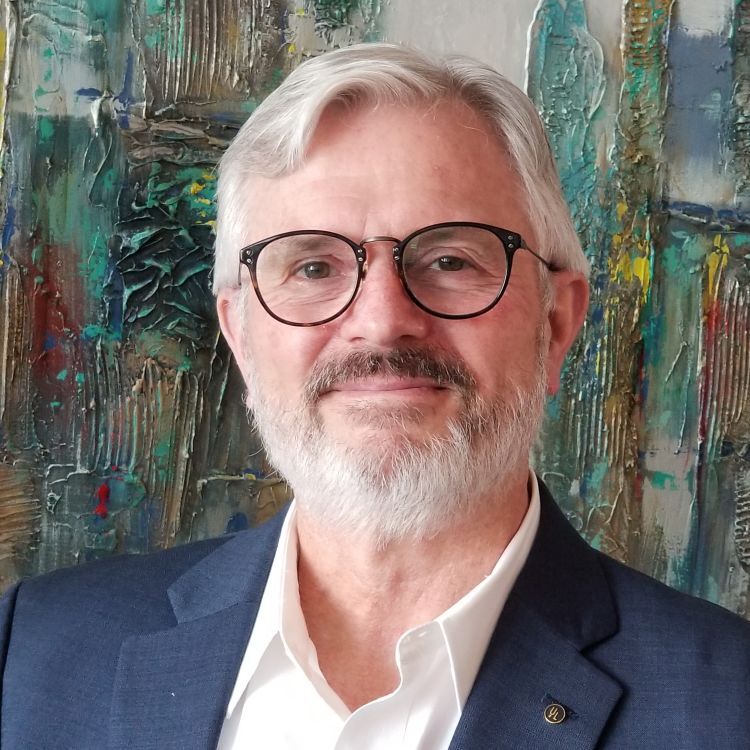
Robert James is the global building sciences business director for UL’s Building, Fire, Life Safety, and Security Industries. In this role, he supports the global building and security inspection program, which assists owners with building fire/life safety and site security concerns. James leads educational seminars, develops internet-based training programs, works with the model fire code committees, and serves as a liaison between the UL Firefighter Safety Research Institute staff and the regulatory community. He currently Chairs the NFPA 400, Hazardous Materials Code and the NFPA 1082/2800 Building Fire and Life Safety Directors committees, a technical member of NFPA 3-4 Commissioning and Integrated Testing and NFPA new TC Remote Inspection Standard. Additionally, is James an alternate member on NFPA 101 Life Safety Code Technical Correlation Committee. He has his Certified Fire Protection Specialist from NFPA.

Mike Halligan has a 33-year career in the building fire, life safety and security industry. He is a subject matter expert in the areas of implementing prescriptive and performance-based fire and life safety solutions into factory-built structures, historic buildings and sites, university facilities, stadiums and large-scale special events including Olympic venues, resorts and mixed-use high- rise developments. Halligan’s current position is global program manager where he leads team for Underwriters Laboratories that provides plan review for new construction and on-going inspections of client owned facilities around the world. His current portfolio of projects includes, mixed use high-rise, hotel, specialty warehouses, large scale electric and water utilities, parking structures and factory-built energy storage buildings.
References
Read more on Leadership & Strategy and Occupancy & Human Factors or related topics Change Management and Occupant Health
Explore All FMJ TopicsRelated articles
-

Artificial Intelligence in FM
The stakeholder’s perspectiveBy Dr. Jake Smithwick & Dr. Kenneth Sullivan & Nneka Ubi05.01.2024 -

Mastering Change in Hybrid Environments
Insights from global operational leadersBy Meg Swanson09.02.2024 -

Plugged In
Solving the data disconnect in real estate and FMBy Amanda Muzzarelli & James Waddell07.01.2024