
 Membership
 Network
 Regional Sites & Affiliates


 Events
 Participate
 Resources

 Training
 Credentials
 Government


 Content Channels
 Tools
Tools


 Business Overview





Decarbonizing the Digital Backbone
Strategies for energy efficiency & capital attraction in high-growth markets
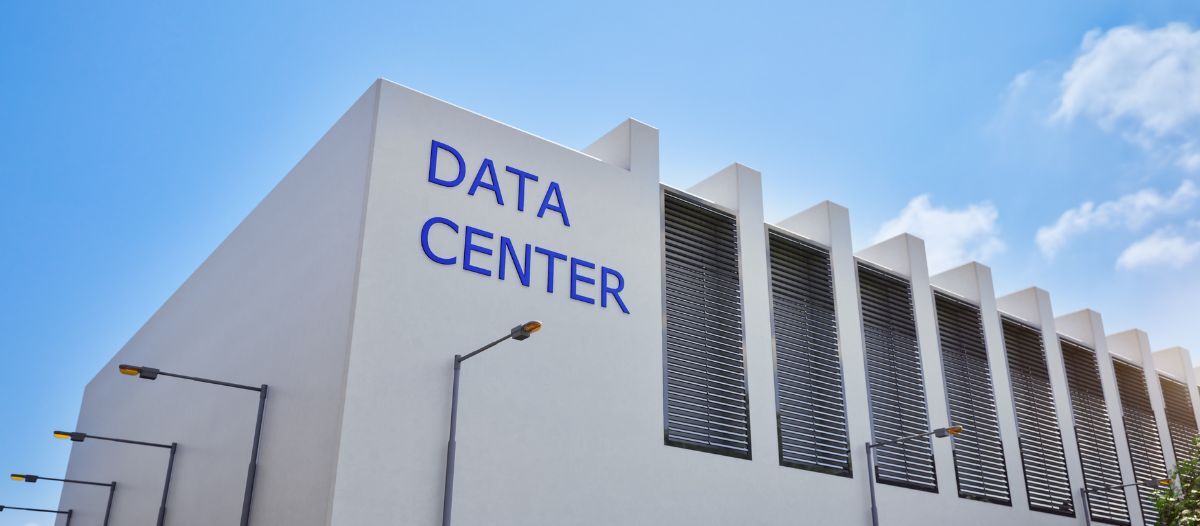
The global digital economy is undergoing a physical expansion of unprecedented scale. As data consumption skyrockets — driven by generative Artificial Intelligence (AI), cloud computing, and widespread 5G adoption — the data center industry finds itself at a critical intersection of growth and responsibility. In high-velocity markets, such as India, capacity is projected to quadruple by 2030, potentially reaching 8-9 Gigawatts (GW).
For operators and investors, the narrative has shifted. Sustainability is no longer a peripheral corporate social responsibility (CSR) activity; it is a central operational and financial imperative. With the rise of stringent regulatory frameworks like the Business Responsibility and Sustainability Report (BRSR) Core and the European Corporate Sustainability Reporting Directive (CSRD), carbon disclosure has moved from voluntary to mandatory. Furthermore, the operational leverage gained from energy efficiency offers a direct path to improved margins.
The economics of efficiency: Beyond compliance
Historically, data center performance was measured almost exclusively by uptime — the "five nines" of reliability (99.999 percent). While reliability remains non-negotiable, energy efficiency has emerged as the second pillar of operational excellence. The primary metric for this is power usage effectiveness (PUE), defined as the ratio of total facility energy to the energy delivered to IT equipment.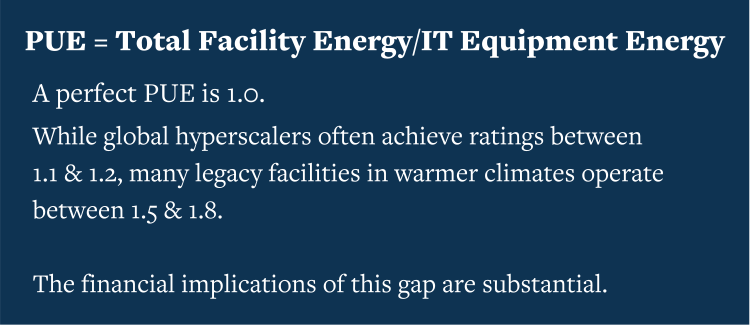
Case study: The US$135,000 efficiency dividendTo quantify the business case for decarbonization, consider a theoretical analysis of a mid-sized colocation facility located in a tropical climate zone.
By implementing cooling optimization strategies — such as installing variable speed drives (VSDs) on chillers and utilizing AI-driven thermal management — the organization reduced the facility’s annual energy consumption by approximately 1.3 million kWh. Savings = APPROX. 1,326,000 kWh * US$0.102 = US$135,372.36 This annual saving of US$135,372.36 flows directly to the bottom line. In an industry with tight margins, generating this amount in pure profit through sales would require significant new revenue acquisition. Therefore, energy efficiency projects often yield a faster return on investment (ROI) than new customer acquisition. |
The regulatory tsunami: From voluntary to mandatory
Global regulators are increasingly treating carbon emissions as a financial liability. In India, the Securities and Exchange Board of India (SEBI) has set a rigorous precedent with the BRSR Core. This framework mandates reasonable assurance — a rigorous audit standard — for top listed entities.
Crucially, these regulations impact unlisted data center operators through the Value Chain clause. Large enterprise clients (banks, FMCG giants, global tech firms) are required to report their Scope 3 emissions, which encompass upstream and downstream activities. Consequently, a data center’s emissions become the client’s emissions.
Clients now require verifiable, granular data on the carbon intensity of the energy powering their servers. Operators are unable to provide assured data regarding renewable energy usage and carbon footprints risk disqualification from requests for proposal (RFP) issued by ESG-conscious hyperscalers and multinational corporations.
Instructional: Optimizing facility operations
Achieving the efficiency gains mentioned above requires a systematic approach to facility management. Operators can follow this three-phase roadmap to modernize infrastructure and lower PUE.
 The old management adage says, “You cannot manage what you do not measure.” Many legacy facilities measure power only at the utility meter and the uninterruptible power supply (UPS) output.
-
Action: Install networked energy meters at the power distribution unit (PDU) and branch circuit levels.
-
Objective: Identify "zombie servers" (comatose servers consuming power without performing work) and pinpoint hot spots where cooling is inefficient.
-
Metric: Establish a baseline for water usage effectiveness (WUE) and carbon usage effectiveness (CUE) alongside PUE.
 The most common inefficiency in air-cooled data centers is the mixing of cold supply air with hot exhaust air.
-
Action: Implement rigid containment systems. Cold aisle containment (CAC) or hot aisle containment (HAC) ensures that chilled air is forced directly through the server intake.
-
Action: Utilize blanking panels in all empty rack U-spaces to prevent air recirculation.
-
Result: This allows operators to raise the supply air temperature setpoint. Modern ASHRAE standards allow for higher intake temperatures, reducing the load on chillers.
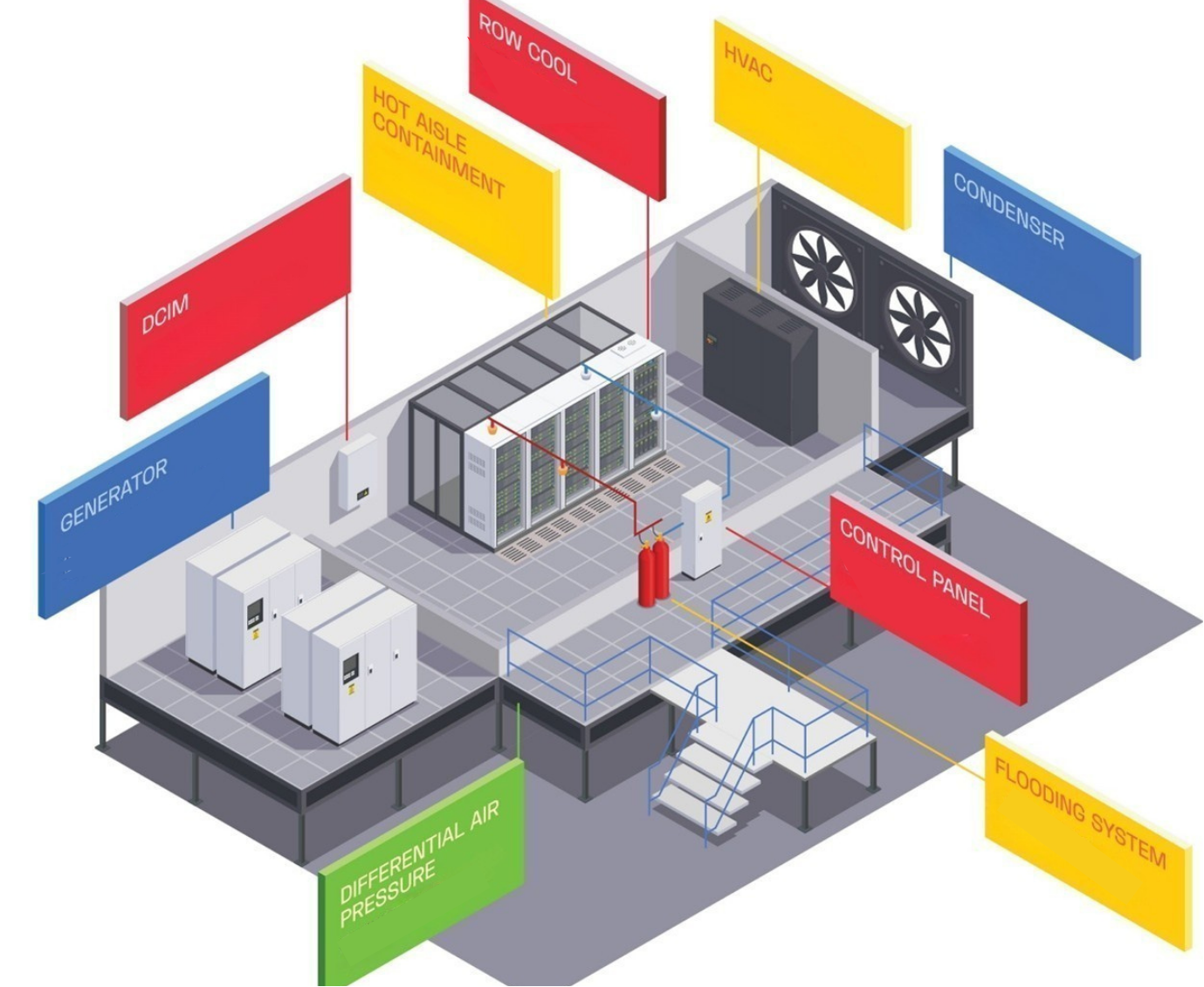
 As rack densities increase to accommodate AI workloads — jumping from a standard 5-8 kW per rack to 50-100 kW—air cooling reaches the limits of physics.
-
Action: Evaluate direct-to-chip (DtC) liquid cooling or rear door heat exchangers (RDHx) for high-density zones.
-
Benefit: Liquid carries heat away 3,000 times more effectively than air. This reduces the need for energy-intensive mechanical fans and compressors, significantly lowering OpEx.
Attracting green capital: The strategic imperative
The drive for sustainability is also fueled by the cost of capital. Private equity firms and sovereign wealth funds are increasingly bound by ESG investment mandates. Organizations that can demonstrate a clear pathway to net zero are better positioned to access:
-
Green loans and bonds: Financing instruments specifically earmarked for environmentally sustainable projects, often carrying lower interest rates than traditional debt.
-
Sustainability-linked loans (SLLs): Loans where the interest rate is tied to the borrower’s achievement of pre-defined sustainability performance targets (SPTs), such as a specific PUE reduction or a percentage of renewable energy adoption.
Conversely, brown assets — facilities heavily reliant on coal-based grid power with poor efficiency — face a brown discount, becoming harder to insure and refinance as transition risks loom.
Writing the next-gen RFP: A guide for enterprises
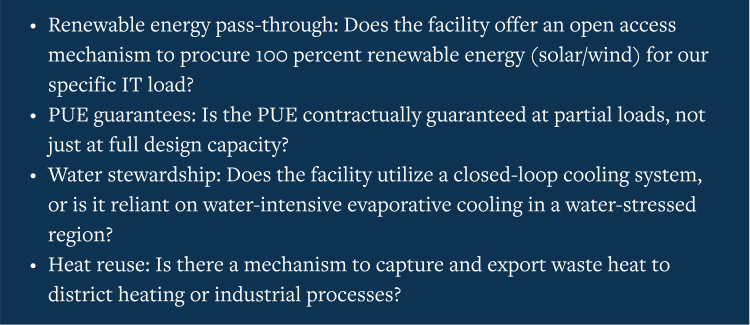
For enterprises seeking colocation space, the RFP process must evolve to prioritize sustainability. Standard questions regarding floor loading and security are no longer sufficient. To future-proof digital operations, include the following inquiries in vendor assessments:
Conclusion
The data center industry is moving from a focus on capacity construction to capacity optimization. As power consumption scales, the delta between an efficient, green facility and a legacy operation is no longer just an environmental statistic — it is a massive financial variance, exemplified by the potential annual savings in a single mid-sized facility.
Market leadership in the digital infrastructure space will belong to operators who view sustainability as a core value driver. By embracing granular auditing, investing in advanced cooling technologies, and aligning with global reporting standards, organizations can lower operational costs, attract premium valuation and secure their place in the sustainable digital future.

Siddhant Aggarwal is senior manager at LL REMS. Across the real estate life cycle, Aggarwal has carried out the roles of an aggregator, integrator, administrator and coordinator, spanning from design, leasing, fit-outs and operating spaces, whether viewed from the purview of a developer, occupier or tenant. His body of knowledge and exposure that has been earned through PMP, USGBC LEED and engineering in a gamut of varying business environments have catalysed the process of continual improvement, enhancing his overall pedigree.

Dr. Pulak Bhaumik is the CEO, Data Centres – India at Listenlights. In this role, he spearheads all aspects of the organization's data centre vertical in India, driving growth and innovation. An industry stalwart with over 25 years of diverse leadership experience, Dr. Bhaumik is recognized for his thoroughness, attention to detail,and a unique blend of professional rigor with a spiritual perspective — making him an invaluable addition to the Listenlights leadership team. He has successfully led organizations through transformation, operational scale-up, profitability enhancement and high-performing team building, consistently delivering value to stakeholders. Trusted by boards, investors and teams alike, he has been at the forefront of the data centre, corporate real estate and global real estate sectors.

Parvez Kazi serves as the Chief Executive Officer of LL R.E.M.S (Real Estate Management Services), the Integrated Facilities Management and Real Estate Services arm of the LL Group. With more than 26 years of leadership experience in facilities management, business operations, and service transformation, he is responsible for steering the company’s strategic vision, growth agenda, and operational excellence across India. With a leadership philosophy rooted in agility, collaboration, and accountability, Kazi is committed to redefining real estate and facility management as strategic enablers of business productivity, workplace experience and sustainable infrastructure.
References
Top image via Getty Images.
Cooler image courtesy of LL REMS.
Read more on Sustainability and Facility Technology & Data Management or related topics Energy , Sustainable Facility and Data strategy and information management
Explore All FMJ TopicsRelated articles
-

Smart Building Control Systems
The foundation for a grid-interactive buildingBy Andre Marino09.25.2024 -

Smart Building Innovation
Cutting costs & carbon footprints without compromiseBy Andrew Butterworth09.12.2024 -

Chart the Path
Building sustainable cities & a sustainable futureBy Izzat Ali Khan & Aykean Forde12.16.2024
