 Membership
 Network
 Regional Sites & Affiliates


 Events
 Participate
 Resources
 Training
 Credentials
 Government


 Content Channels
 Tools
Tools


 Business Overview



FM’s New Role
Keeping tenants safe during reentry
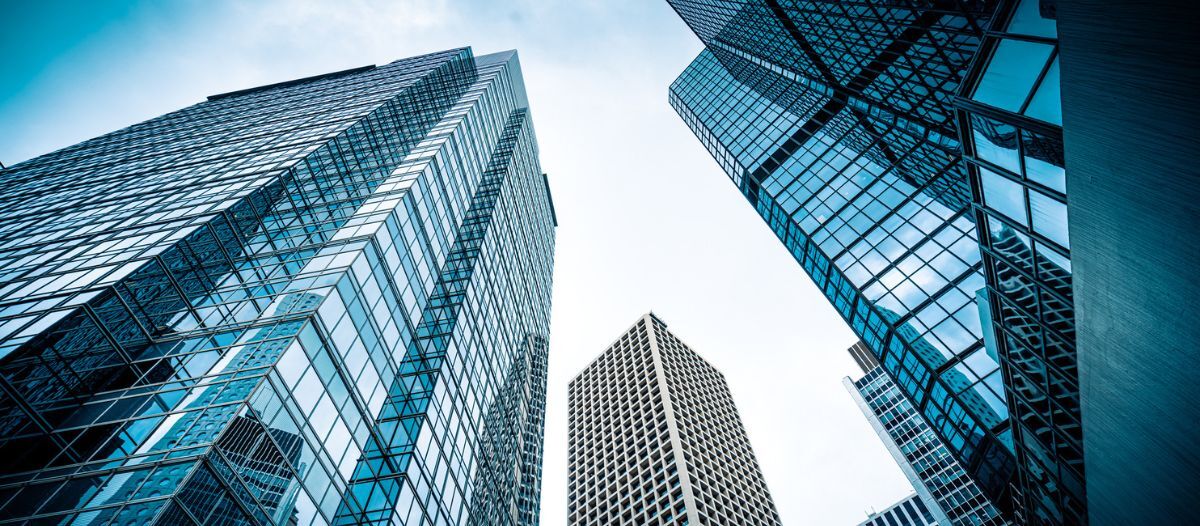
Facility managers have shifted from prioritizing aesthetics to prioritizing health. That is not to suggest FMs were not interested in providing safe, sanitized spaces even before the pandemic — they were.
Nevertheless, their overall focus usually led with questions around building aesthetics: “Is this space visually pleasing? How can I best impress visitors and welcome people into the space? How can I best tailor the space to drive occupancy?”
Now, the primary focus has turned to health, and FMs are asking, “Does this building seem safe for tenants and visitors worried about contracting or spreading contagion?”
This pivot toward tenant health has not come without its obstacles. FMs rearranged every aspect of their protocols, procedures and even products to accommodate the needs of a concerned public. The sites they maintain still need to look good, as they always have. Yet protecting occupants’ health and well-being is now the priority. That is the focus of the modern market, and it is not likely to change, even with widespread rollouts of the coronavirus vaccine.
For many FMs, this change in mindset may be challenging, but it is an opportunity to cement their positions as public health stewards. Those who take the change seriously, stay on top of their LEED and WELL Building certifi cations, and choose Green Seal partners can diff erentiate themselves and their spaces. That may bode well for holding on to current tenants or wooing new ones.
For instance, consider the clear advantage a FM could enjoy by making indoor environment wellness their top priority. Most people who still work in buildings spend more waking hours there than they do at home. Consequently, they will be excited to work in a place that feels healthy, from the air they breathe to the way furnishings are laid out. Their positive feelings will spill over into the concentration they give to their jobs, not to mention their overall cultural engagement.
Of course, creating and maintaining a building atmosphere built on emerging safety standards and guidelines requires thoughtful planning and proactivity. FMs ready to take on their new roles and responsibilities can start by implementing the following strategies to promote wellness without sacrificing good looks.
1. Swap out high-touch communal features for hands-free solutions
Upgrading high-touch communal features like drinking fountains and sinks for their touch-free counterparts is one crucial way to protect tenants’ health. In the old days, drinking fountains were standard: to get a drink of water, users turned a knob or pushed a bar and then leaned forward, almost touching the spout. Now, fountains and other hightouch communal features are increasingly going contactless. A Bradley Corp. survey in April 2020 found that 60 percent of its American respondents felt a heightened desire for touchless bathroom fixtures since the pandemic began.1 Many building occupants are demanding touch-free everything, including doors. While it may not be possible for FMs to swap out every object in their building for a touchless or hands-free alternative, some items — such as water fountains — are easy solutions. Consider bathroom fixtures such as paper towel dispensers, forced air dryers and sinks that respond to motion. FMs may have to budget carefully for these add-ons, but they are worth the price. Occupants are becoming more accustomed to seeing them elsewhere and will wonder why their building is not up-to-date.
There may be times when a touchless product is not feasible or cost-effective. In those cases, tenants may be satisfied with access to disinfectant wipes so they can wipe down tables, conference chairs and door handles to reduce the spread of pathogens and keep feeling safe.
2. Leverage technology to reduce waiting area density
In the age of social distancing, people become edgy when they feel confined in spaces with too many other people. FMs can reduce tenant and visitor anxiety by embracing technologies to provide less stressful social experiences. One way is to scrap the old pen-and-paper check-in sheet and ask visitors to check in digitally from a different place. They can come in after receiving a text, which lessens the likelihood of having too many people in a waiting room at once.
Another method to keep waiting rooms from getting overfilled is by designing intelligent lobbies with self-service kiosks. Guests are not engaging with one another or employees as much, and they can conduct their business discreetly. Plus, FMs reduce the amount of waiting room furniture, which can extend the life span of assets like chairs and sofas while encouraging social distancing.
3. Pay attention to the building's biggest air filter: The carpets
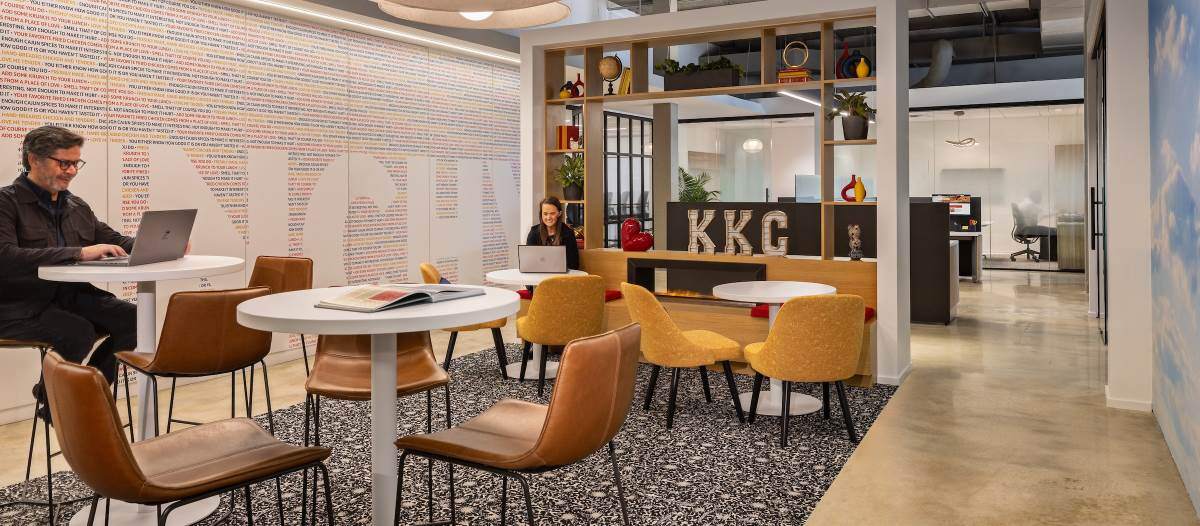
Carpeting serves several functions in creating a healthy, attractive space for tenants. From a design level, it provides noise reduction and adds eye-catching elements to a space. From a practical level, it serves as the largest air filter in any room. Carpets in commercial spaces trap untold amounts of bacteria, debris, viruses, germs and other pollutants in their fibers.
However, they accumulate dust, silica, volatile organic compounds and grime. If they are not relieved of their load, they will stop working and will start sending particles back into the breathable air, harming the building’s air quality. As Harvard University research2 indicates, that is a recipe to potentially exacerbate the concerns of anyone who contracts COVID-19. Breathing in particulates can increase respiratory issues for some people who have been diagnosed with the novel coronavirus. Keeping breathing space free from airborne irritants, however, may help reduce the severity of complications.
The key to keep tenants breathing easy is helping carpet maintain its air-filtration function, and a main way to reduce any carpet’s debris load is through daily vacuuming. Yet vacuuming pulls up only the dust, dirt and particles from the surface. It does not extract the ground-in waste clinging to the carpet fiber base and backing. Only professional cleaning can bring up all the unwanted detritus. Ideally, dry extraction is a better choice than wet extraction methods. Wet extraction leaves carpets damp, which can lead to mold breeding and unpleasant odors. Preventing those conditions is key to maintaining a pleasant tenant experience.
4. Replacing soft flooring judiciously
To create the best tenant experience, it is essential to prepare for upgrades over time. FMs should remain realistic when it comes to replacing the soft flooring in their spaces such as rugs and carpeting. A carpet that has been around for a decade and has not been well-maintained may be beyond the point of return in terms of how it functions as an air filter. Certainly, attempting a restorative deep clean run makes fiscal sense, but a full-on replacement may be needed sooner rather than later.
Replacing carpeting en masse throughout a facility can be quite expensive. Therefore, FMs may want to construct a transition plan that addresses the need to replace carpeting gradually over a longer period. After evaluating the age and condition of carpeted rooms and hallways, the FM team may be able to stagger carpet replacement. Highly trafficked areas such as entryways, common corridors and similar areas should be prioritized for immediate replacement. On the other hand, the cubicle section on level four that receives traffic from only the same 10 or 20 people each day may get enough benefit from routine vacuuming and textile deep cleanings to function at least a few years longer. Keeping maintenance and replacement schedules will keep the flooring attractive and will ensure better health and safety for tenants.
5. Add extra protection to hard floors
Keeping the office building’s hard surfaces clean, smooth and protected will improve indoor air quality and increase the slip coefficient on the floor, giving occupants more traction, creating ease in walking, and preventing slip-and-fall insurance claims. Luxury vinyl tile flooring, for example, tends to be extremely popular in facilities because it is affordable, looks good and appears straightforward to clean. But it hides a major flaw: though the individual pieces snap together, they can leave a tiny beveled edge between the tiles. Dust, debris and germs settle into the edge and inevitably get kicked up into the air. Some luxury vinyl tile also mimics the texture of wood with peaks and valleys. The small crevices trap dirt, however, and traditional mopping will not reach it. Solving this issue requires adding a performance coating on top of the flooring. The performance coating hermetically seals the hard surface, eliminating concerns associated with the cracks between or on the tiles. In many places where tenants are susceptible to airborne pathogens, such as hospitals and long-term care facilities, hermetically sealing luxury vinyl tile flooring is a well-established solution. Now, taking extra precautions to prevent the spread of airborne pathogens is just as important in Class-A spaces and buildings because of COVID-19. Adding extra protection to hard-surface floors is another crucial step to providing the safe, healthy environment that tenants deserve.
Science to the forefront
Without a doubt, the FM’s role has changed rapidly — and the concerns underpinning this evolution will remain on the same trajectory for the foreseeable future. Back in the day, FMs may not have had to be LEED-certified or been asked to show their WELL AP certification. They might have had the option to choose Green Seal-certified products or not. It is all different now. From this point forward, FM’s actions to promote health in their spaces will be explored with a fine-toothed comb, which means FMs will be expected to follow the science. This is not a bad thing. Understanding the science behind making a building healthier for tenants can only boost the FM’s skill level and professional worth. Will it take time to learn what works, especially because every building is unique? Absolutely. Nevertheless, shifting priorities from merely “What’s most appealing?” to “What’s safest and provides the healthiest tenant experience?” will pay off for all stakeholders.
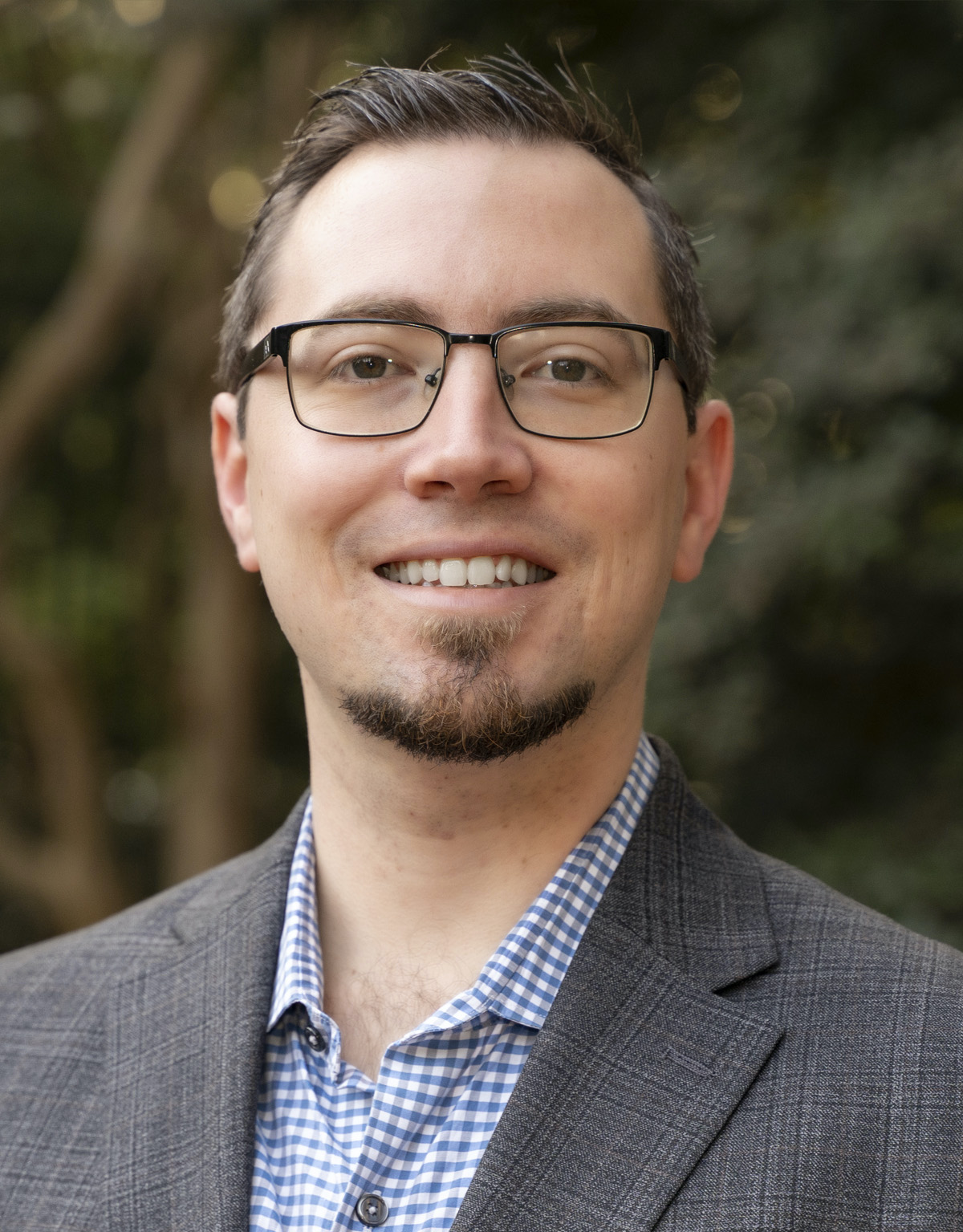
Brian Miller is a business support specialist at milliCare Floor & Textile Care. His career in the field began when he was attending Ohio University. In 2007, he took a job as a technician while working toward his bachelor’s degree in marketing and strategic leadership. After college, he continued to build his knowledge of floor and textile care on top of his expertise in strategy, and he has since worked in the floor and textile care industry in roles ranging from floor technician, technical sales rep and general manager for various companies across the U.S. In his current role as business support specialist at milliCare Floor & Textile Care, his primary responsibility is supporting the company’s franchises and helping them to improve their efficiency and productivity as they provide essential services to commercial facilities in their local markets.
References
chainstoreage.com/survey-covid-19-accelerates-consumer-demand-touchless-fi xturesrestrooms
projects.iq.harvard.edu/covid-pm
Read more on Occupancy & Human Factors , Real Estate and Risk Management or related topics Occupant Health , Occupant Services and Real Estate Management
Explore All FMJ Topics