
 Membership
 Network
 Regional Sites & Affiliates


 Events
 Participate
 Resources

 Training
 Credentials
 Government


 Content Channels
 Tools
Tools


 Business Overview





Form & Function
Choosing the right anti-slip floor coating
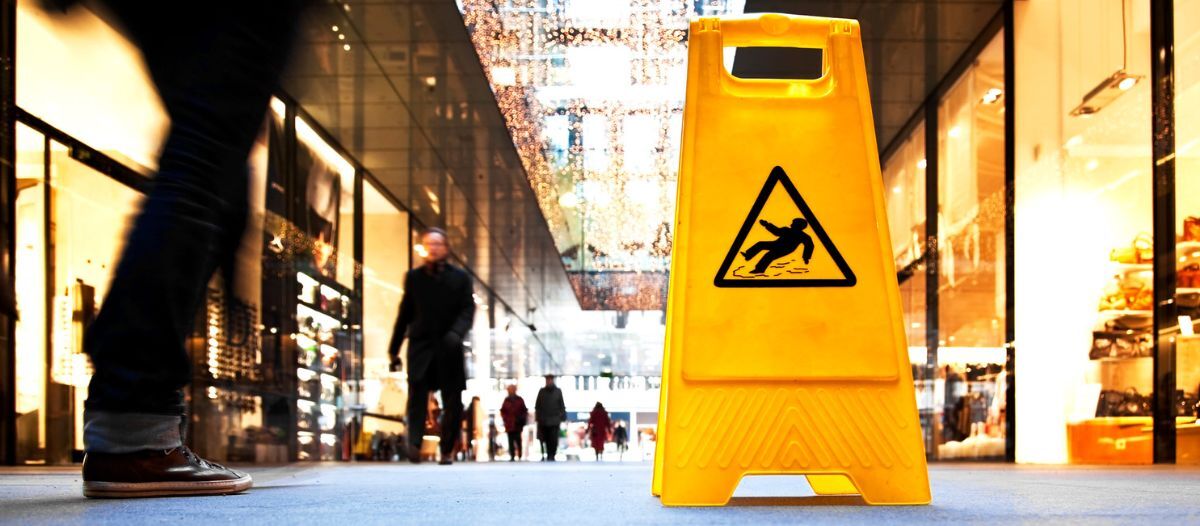
Employees slipping on slick floors account for 85 percent of worker’s compensation claims, according to the Industrial Safety & Occupational Health Markets 5th edition. Preventing falls is also a key liability concern for facilities that are open to the public. For FMs, demonstrating vigilance to prevent accidents is one of their most important responsibilities. If buildings have concrete floors, selecting the right coating system is critical in demonstrating safety concerns and taking the right steps to provide protection for occupants. Not all concrete floors are the same. They vary depending on how they are used, by whom, and where they are located within the building. Even how they need to look can be a factor in the level of slip resistance they provide.
Determining the right anti-slip coating for a given floor requires a balance of form and function. To illustrate this, there are three areas within any facility where a concrete floor can exist:
-
Loading docks and parking ramps
-
Warehouse, mechanical, maintenance or production areas
-
Office, lobby or other publicly accessible areas
Loading docks & parking ramps
In these areas, it is almost always all about function.
How the floors look is often of little concern. Although there may be a desire to use color and markings on the floor to delineate parking spaces, walkways, and vehicle traffic areas, the anti-slip function is far more important.
Depending on the facility, these areas are home to constant activity that can be dangerous to people on foot. The crisscrossing traffic of forklifts, palette carts and vehicles traffic — along with the possible presence of water, oil, ice and salt — make it crucial for people to know what to expect as they maintain their footing.
Beyond anti-slip performance, wear resistance is also important in these areas. These floors take some heavy punishment, so any coating system must hold up over time.
Floors like this require a safety-grip coating system specially formulated to provide maximum slip resistance and extraordinary durability.
The slip resistance is primarily a function of the thickness of the peaks and valleys of the coating, which creates a rough surface that increases friction and grip. The thickness is determined by the application technique as well as the coating itself.
The greater the thickness, the more slip resistance is provided. For safety walkways, ramps and transit platforms that have heavy foot traffic but only light wheeled traffic, an epoxy ester-type coating with a thickness of 15-25 mils will likely be sufficient.
For loading docks and other areas with heavy wheeled traffic, epoxy coatings with a thickness of one-thirty-second to one-sixteenth of an inch is recommended. If oils, solvents or other chemicals are likely to be spilled on the floor, coatings that offer excellent chemical resistance will be needed.
Warehouses, maintenance, mechanical & production areas
In certain areas of a facility, form is a little more important, as the floor needs to look clean and professional. There might also be a need for colors and markings to delineate walkways, production zones, restricted areas and vehicle pathways.
Unlike loading docks, these floors need to look good while providing the right amount of slip resistance. They also often need to withstand cleaning chemicals, oil spills, dropped tools and traffic from pedestrians, light equipment, and sometimes even heavy vehicles.
These areas might include warehouses and storage areas, manufacturing production floors, automotive repair shops, aircraft hangars and fire houses. In these areas, safety is paramount, because there is often a lot of foot traffic, giving way for accident opportunities.
The coatings used for these floors get their anti-slip properties from a broadcast media that is applied as part of the coating system. Usually sand or quartz, the media provides texture to the floor, making it safer to walk on, yet smooth enough to clean.
In addition to anti-slip performance, using sand or quartz also helps to protect the floor from impact damage, like from dropped hand tools and similarly sized objects; no coating can protect a floor from large objects, like a dropped 300-pound transmission, hitting the floor. The broadcast media is applied with the mid-coat, creating a coating that is up to one-eighth of an inch thick, which provides exceptional durability.
With these systems, there is also the option of adding color to the floors. With sand broadcast systems, the color is provided by a pigment in the topcoat. In quartz broadcast systems, the color comes from the colorful granules applied into a clear coat. In either case, the color options and combinations are nearly unlimited, so the floor can include some functional design to guide pedestrians and even provide a distinctive, professional look matching any need.
The specific coating system used for these floors depends on the use. For most floors requiring basic slip resistance and durability, a 100 percent solids epoxy mid-coat applied with either sand, followed by a 100 percent solids epoxy topcoat will offer sufficient performance. In cases where a faster return-to-service is needed, a polyaspartic product can be considered.
However, if the floor is exposed to tougher punishment from ultra- violet light, abrasives, hot tires and chemicals, a polyester urethane topcoat is preferable. This will protect the floor from damage and wear, while also offering slip resistance.
Offices, lobbies & public-facing areas
Finally, opposite from loading docks on the form-versus- function spectrum are floors in more public-facing areas. These floors, as in offices, retail stores, showrooms, institutions and schools, do not have to endure the harsh punishment that some of the floors mentioned above do.
In these applications, the way the floor looks takes on much greater importance. They must project a clean, professional image, or reflect the brand of the building owner or tenant.
Slip resistance is not as much of a concern as it is in a loading dock or a warehouse, where the presence of liquid spills and heavy equipment compound the danger. But from a liability standpoint, it is still a major concern.
With buildings that are open to the public, FMs cannot always control who comes in and out, and what kind of footwear they are wearing. People walking into a building are not necessarily cognizant of slipping, like a warehouse or loading dock worker would be. There is also the potential for water, snow and salt to be tracked onto the floor, creating slip-and-fall risks that the maintenance staff may not immediately notice.
Also, these floors must be kept clean for a professional look, so the concrete must be protected from common cleaning chemicals. Some floors, as in airports and schools, endure constant foot traffic, which can wear down floors.
While form is important in these areas, there are coatings that offer slip resistance in a more modern commercial look, instead of an industrial feel.
The concrete floor coating options for these environments are as limitless as the facilities themselves. For example, a coating system that includes an epoxy mid-coat, micro-tech flake broadcast, and polyester urethane topcoat is ideal for floors that are lightly used yet highly visible, as in retail.
A quick-service restaurant, transit terminal or automotive showroom would benefit from a multi-component system that includes a UV-stabilized epoxy with a metallic pigment and a polyester urethane topcoat. This system not only provides wear protection and durability, it also offers a distinctive luster reflected in the metallic pigment.
A flooring expert can help
For floors like these, it is important to consider the use, amount and type of foot traffic, and even the climate to determine the right anti-slip coating. Because there are so many options and variables, consulting a floor coating professional is highly recommended.
The coating system that is right for any given floor is not necessarily a cut-and-dried decision. There are many factors and variables that go into floor coating specification, including the need for slip resistance, exposure to the elements, the state of the concrete, and even the heat and humidity of the space during application.
Whether it is new construction or re-coating existing concrete, FMs would be well-served to choose an experienced, professional floor coating contractor along with the right coatings system from a reputable manufacturer to specify the right coating system for the job.

Kevin Klotz is president of Coatings For Industry, Inc., a 50-year-old formulator of coating systems for concrete floors as well as for steel structures, aerospace, and specialty applications. He has provided technical support for floor coatings professionals for more than two decades. He is a graduate of the Florida Institute of Technology.
Read more on Risk Management and Occupancy & Human Factors or related topics Asset Management , Risk Management and Occupant Safety
Explore All FMJ TopicsRelated articles
-

A New Approach
Improving business continuity with alarm managementBy Brad Freeman09.09.2024 -

Beware of Growing Cyberthreats
Why it’s time for stronger facility cybersecurityBy Andrew Harris & Eric Headington10.30.2024 -
Going Up?
Keeping elevators safe & compliantBy Dave Myers & Doug Taylor11.06.2024