
 Membership
 Network
 Regional Sites & Affiliates


 Events
 Participate
 Resources

 Training
 Credentials
 Government


 Content Channels
 Tools
Tools


 Business Overview





From Overhead to Asset
Redefining workplace value with regenerative design

In the recent decade, sustainability has evolved from a corporate buzzword into a strategic foundation, reshaping how people live and work, while influencing the design of the built environment. Buildings account for almost 40 percent of global energy-related carbon emissions, placing workplaces not only at the center of the sustainability challenge, but also crucial to its solution. As organizations respond to climate commitments, rising energy costs and increasing regulatory compliance, sustainable design is no longer optional; it has become a business imperative.
The modern workplace, once defined primarily by functionality and space efficiency, is reimagined through the lens of sustainable design — an integrated approach that balances environmental responsibility, human well-being, productivity, employee retention and long-term economic resilience. This shift goes beyond installing energy-efficient systems or achieving green building certifications. Organizations are adapting sustainability as core to their strategy, representing a transformation of how workplaces are imagined, planned, built and operated throughout their life cycle.
Companies are redesigning offices to align with net zero goals, developing science-based targets, ESG reporting frameworks and employee wellness expectations. Energy-efficient façades, passive design strategies, green spaces, common areas, smart lighting and HVAC systems, and the integration of renewable energy sources are reducing operational emissions while lowering utility costs. Studies show that sustainably designed buildings can reduce energy consumption by between 20-30 percent, while also improving asset value and operational performance.
Implementing thoughtful, human-centered qualities is part of sustainable workplace design. Enhanced indoor air quality (IAQ), access to natural daylight, biophilic elements, acoustic comfort and flexible layouts have proven to improve employee productivity, reduce absenteeism and support mental well-being. In a post-pandemic world where employees increasingly value health, comfort and purpose, sustainable design has become a key driver of talent attraction and retention.
The future of work is digital, flexible and deeply sustainable. Smart buildings powered by data analytics, automation and real-time monitoring are enabling facility managers to continuously optimize energy use, water consumption and space utilization. At the same time, adaptive and resilient workplace designs help organizations respond to climate risks, operational disruptions and evolving work patterns. Sustainable design is shaping workplaces that are not just efficient, but resilient, healthy and future-ready. As organizations look ahead, the workplaces that succeed will be those designed not only to support work but to sustain people, communities and the planet over the long term.
Tangible results
Sustainable design in workplaces extends beyond using energy-efficient lights or recycling bins. It is a systemic philosophy that considers how every material, layout and interaction contributes to a healthier planet and happier people. This transformation is being driven by a convergence of global forces: stricter environmental regulations, the growing environmental, social and governance (ESG) movement, investor pressure for green reporting and, most importantly, the human demand for meaningful, healthier work environments. Employees want to work in a space that reflects their values, is ecologically responsible and socially conscious. As organizations compete for talent, sustainability is becoming a powerful differentiator in employer branding.
The foundation of sustainable workplace design lies in reducing carbon footprints, improving and optimizing resources efficiently. Energy-efficient HVAC systems, motion-sensor lighting, air quality index meters, space planning and advanced building automation systems form the backbone of green office infrastructure. Designers are turning to Leadership in Energy and Environmental Design (LEED) and WELL certifications, which guide sustainable construction and prioritize indoor environmental quality. Green buildings have evolved from a luxury to a strategic investment.
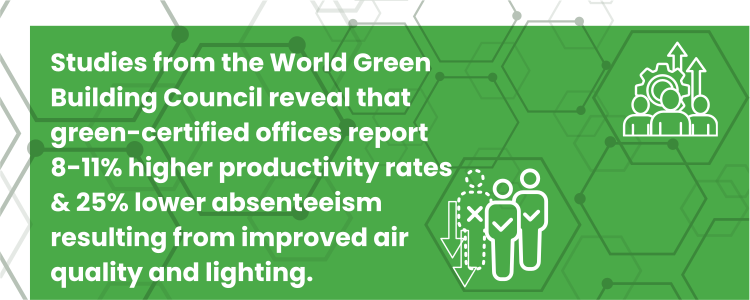 Such figures are reshaping corporate real estate strategies, especially in regions like the GCC, where sustainability has become integral to national visions such as Saudi Arabia’s Vision 2030 and UAE’s Net Zero 2050 roadmap.
One of the defining aspects of sustainable design is its human-centric approach. The idea that the physical environment can influence behavior, creativity and emotional well-being has gained unprecedented traction. Natural light, air circulation, acoustics, temperature and biophilic elements are treated as vital components of workplace health. Biophilic design — the incorporation of natural materials, patterns and greenery — has been proven to lower stress, enhance cognitive function and foster creativity. From living walls that purify indoor air to daylight-optimized workstations that reduce reliance on artificial lighting, sustainable offices are built for both productivity and human performance. The workplace of the future recognizes that sustainability is more than energy savings; it also nurtures the people using the space.
Integration of technology is redefining workplace experiences. Smart sensors, Internet of Things (IoT) devices and AI-driven analytics are central to green building management. These systems monitor energy consumption, indoor air quality and occupancy patterns in real time, allowing organizations to optimize performance immediately. For example, AI-powered climate control can adjust temperature and ventilation based on the number of occupants, reducing wasted energy. Similarly, adaptive lighting systems mimic natural daylight cycles to support human circadian rhythms, improving focus and sleep quality. Digital twin technology (virtual replicas of buildings) is also gaining traction, enabling designers to simulate sustainability outcomes before physical construction begins. This integration of data and design represents the future of environmental intelligence in the workplace.
Material innovation is also revolutionizing sustainable interiors. Designers are replacing high-carbon materials with low-impact alternatives such as bamboo, recycled material, reclaimed wood and bioplastics. Modular furniture and demountable partitions encourage flexibility and reuse, aligning with circular economy principles. Organizations are now implementing “design for disassembly,” allowing spaces to evolve without waste during renovations. Circularity ensures that products and materials maintain value over multiple life cycles, drastically reducing landfill waste.
Raising expectations
The psychological and cultural dimensions of sustainable workplaces are equally significant. Workplaces designed with well-being in mind promote emotional stability, inclusivity and community engagement. Open layouts that encourage collaboration, quiet zones for mindfulness and access to outdoor spaces contribute to mental balance and social harmony. When employees feel connected to nature and their organization’s values, engagement rises. A Harvard T.H. Chan School of Public Health study found that employees working in green-certified offices reported 26 percent higher cognitive function scores and better sleep quality. This growing body of evidence reinforces the notion that sustainable design is not merely an architectural trend; it is a human performance strategy.
Post-pandemic realities accelerated the transformation toward sustainable workplaces. As hybrid work models redefine the role of offices, organizations are rethinking design priorities. The office is no longer a place for routine tasks but a hub for collaboration, innovation and shared purpose. This shift has opened opportunities to downsize real estate footprints and reinvest in sustainable upgrades. Flexible layouts, touchless technologies and improved ventilation systems are standard features of new workplace designs. Remote work has also heightened environmental awareness, as employees are actively lowering emissions with reduced commuting. Organizations must justify the office’s environmental impact by offering genuine value a sustainable, healthy and inspiring place for human connection.
Corporate social responsibility and sustainability reporting are also driving workplace design evolution. Companies are expected to measure and disclose their environmental performance, including energy use, water efficiency, waste diversion and carbon emissions. Many global organizations are adopting science-based targets (SBTi) and committing to net zero emissions by 2050. Sustainable workplaces contribute directly to these goals, acting as tangible proof points of an organization’s net zero commitment. Sustainability has moved from compliance to data-driven strategic leadership.
Employee expectations are redefining workplace identity. Millennials and Gen-Z professionals prioritize environmental ethics when choosing employers. According to a Deloitte global survey, 77 percent of younger employees consider a company’s sustainability record before accepting a job offer. Sustainable design, therefore, plays a crucial role in talent attraction and retention. When workers see visible green initiatives — from rooftop gardens to zero-waste cafeterias — it reinforces trust in the organization’s mission. The workplace becomes a statement of purpose, aligning daily experiences with long-term planetary values. Companies that ignore this shift risk becoming obsolete in both reputation and relevance.
While sustainability is reshaping physical workplaces, it is also transforming behaviors and corporate culture. Interactive green design encourages transparency, collaboration and innovation. For example, shared recycling zones or composting stations create micro-interactions that remind employees of collective responsibility. Workshops on sustainability practices and digital dashboards tracking energy use empower employees to be part of the change. Interaction fosters belonging and shared accountability, blurring the line between individual behavior and organizational vision. Sustainability becomes a lived experience rather than a distant policy.
Challenges & future considerations
However, achieving sustainable design in workplaces is not without challenges. Cost, awareness and operational complexity often hinder adoption, especially among small- and medium-sized enterprises. Initial investment in green technologies can seem high, though life cycle analyses consistently prove long-term cost savings through energy efficiency and improved productivity. Another challenge lies in behavior: sustainable design must be supported by sustainable habits. The most energy-efficient office loses value if lights are left on overnight or if waste is not segregated properly. Therefore, education and engagement are equally as critical as design itself. The most successful sustainable workplaces are those where design and culture evolve together.
Governments and institutions are setting frameworks to accelerate this transition. The United Nations’ Sustainable Development Goals (SDGs) provide a universal roadmap for sustainability, with SDG 11 (Sustainable Cities and Communities) directly influencing building design standards. Regional initiatives such as the GCC Green Building Codes, the European Green Deal and the U.S. Inflation Reduction Act all incentivize energy-efficient construction. Moreover, the International WELL Building Institute and the Global Reporting Initiative (GRI) have created measurable pathways for companies to demonstrate their environmental and social performance. As these frameworks mature, the definition of a sustainable workplace will expand beyond architecture to include inclusivity, accessibility and equality.
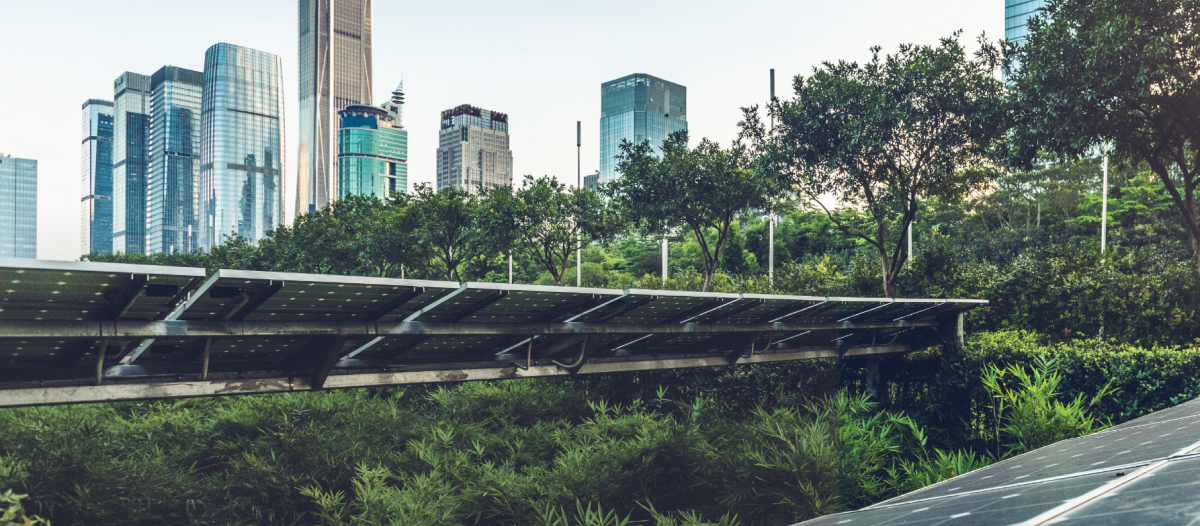
 The workplace will evolve as a living ecosystem, continuously adapting to both human and environmental needs. AI will fine-tune building operations for efficiency. Renewable microgrids will power office clusters. Recycled water systems and carbon-sequestering materials will close the loop in resource use. Even more exciting, workplaces will merge digital and physical sustainability using virtual collaboration to reduce travel, and immersive design tools to promote preservation of the planet.
As the boundary between sustainability and technology fades, workplaces will become living laboratories of innovation, resilience and regeneration. Sustainable design is shaping not just where people work, but how people think about work itself. It is redefining success from square footage and cost savings to purpose, well-being and impact. The next generation of workplaces will not merely host employees — they will inspire them, support their growth and contribute positively to the planet. This human-centered evolution reflects a deeper realization: sustainability is not a constraint but a catalyst for creativity, empathy and enduring value.
In the coming years, organizations that embed sustainability into the DNA of their workplace design will be the ones that thrive, attracting the best talent, reducing environmental risk and leading the cultural transformation toward a regenerative economy. The sustainable workplace is no longer an idealized future; it is the present reality, rapidly unfolding across continents and industries. It represents the convergence of design, technology and humanity, and it is shaping a future of work that is not only smarter and greener but profoundly more human.

Aykean Forde CFM SFP, FMP, MBA, MA, is the facilities director of The International School Port of Spain in Trinidad & Tobago (grades Pre-K-12). Forde serves as a trustee of the IFMA Foundation, is an IFMA Qualified Instructor and a past member of the IFMA Global Board of Directors. An ambassador of FM, she passionately serves and collaborates with others to positively impact workplace experience while leading organizations towards making their vision a reality. She has also spoken at conferences in Trinidad and Tobago, the Bahamas and the U.S.

Izzat Ali Khan, SFP, FMP, is the general manager at EFSiM Facilities Services. A seasoned FM professional, he is passionate about creating a positive impact in business through sustainability. He focuses on integrating sustainability and innovation in businesses to build the FM industry and make the world a better place to live.
References
Top image via Getty Images.
Read more on Sustainability or related topics Sustainable Facility
Explore All FMJ TopicsRelated articles
-
Smart Building Control Systems
The foundation for a grid-interactive buildingBy Andre Marino09.25.2024 -

Smart Building Innovation
Cutting costs & carbon footprints without compromiseBy Andrew Butterworth09.12.2024 -
Chart the Path
Building sustainable cities & a sustainable futureBy Izzat Ali Khan & Aykean Forde12.16.2024
