
 Membership
 Network
 Regional Sites & Affiliates


 Events
 Participate
 Resources
 Training
 Credentials
 Government


 Content Channels
 Tools
Tools


 Business Overview





Getting to (Net) Zero
Improving building efficiency to meet sustainability goals
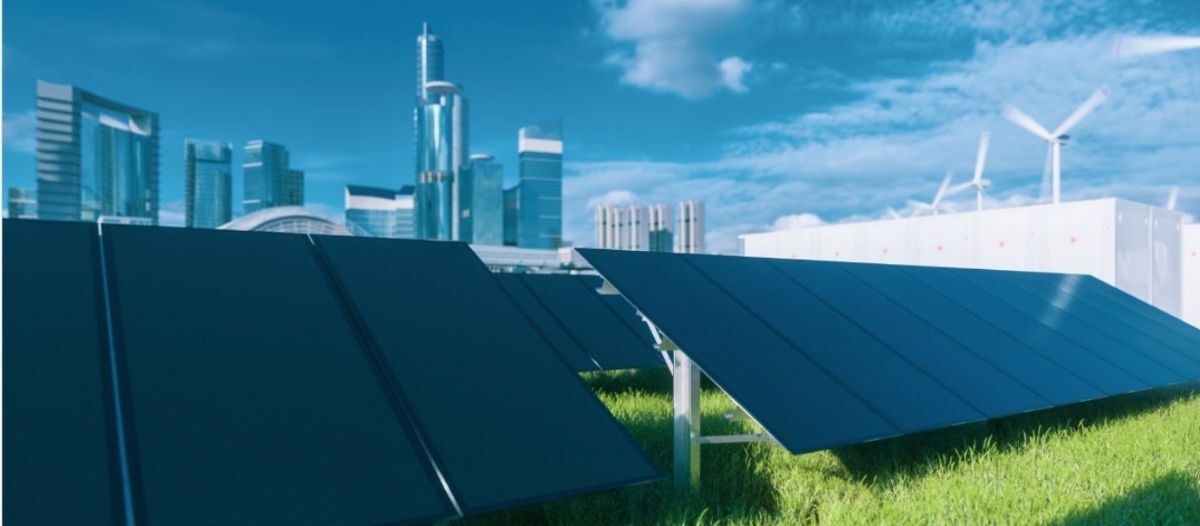
Today’s discussions about getting to net zero waste have shifted from “it’s impossible” to “how can we make it possible?” For the last few years, facility managers and commercial real estate owners have taken the initiative to retrofit buildings to make them more energy efficient and to implement waste strategies that lead to less physical waste. The mantra “reduce, reuse and recycle” has gained momentum, and that includes everything from recycling paper waste to finding alternative disposal methods for food waste. These efforts, combined with LEED certifications and energy efficient renovations, are making net zero waste a distinct possibility in the coming years.
Benefits of net zero buildings
To accelerate global efficiency, the World Green Building Council (WGBC) issued a recommendation that all buildings get to net zero carbon emissions by 2050. Other groups followed suit, with a collective goal of reducing global temperatures. For instance, the city of New York set an ambitious goal of zero waste going to landfills by 2030, and the city is encouraging citizens to do a better job at sustainable tasks like recycling, donating and composting rather than throwing food waste away.
There are other benefits to operating a net zero building besides carbon reduction. The WGBC has stated carbon reduction is an important goal in global climate change efforts, but the production of new energy efficient construction materials and renovating existing structures also provides jobs, lowers energy costs and improves overall energy security.
When it comes to defining goals and setting standards, the U.S. Department of Energy offers a wide variety of resources for builders trying to understand what zero energy means and how to get there. “Net zero” refers to the fact that the built environment will always require some level of emissions, and there will always be some percentage of waste that goes to landfills, but any waste and emissions can be offset through building efficiencies and better waste handling.
The spirit of net zero is an “ambitious but achievable goal,” according to the DOE’s Office of Energy Efficiency and Renewable Energy. While building emissions regulations and goals are still being formulated in most municipalities, it’s a good idea for FMs to think about ways to better manage the waste stream and implement energy efficient measures. Achieving a net zero waste balance is an ambitious goal, but most organizations can start the process now with some planning.
Thinking bigger
FMs and property owners who want to start moving toward net zero waste should start by considering all the elements that go into a building’s life cycle, including the renovation process as many large-scale efficiency projects begin with energy efficient redesigns. Architect magazine suggests thinking of net zero in terms of micromanagement, such as looking at the composition of building materials used in renovations and considering even tiny details such as where to place paper recycling bins for optimal usage.
At the same time, the process requires thinking holistically, including all the processes and people involved in using a building. -- from being able to adjust energy flow when there are fewer people in the building using smart devices, to how to dispose of building materials safely and properly during renovation projects. Construction debris makes up a large portion of landfill waste, so investigate construction material recycling options early in any renovation project.
Getting started
A full renovation may not be in the budget immediately, so the easiest way to start a net zero journey is to look at ways to improve waste disposal. This can be everything from filtering wastewater to providing opportunities to recycle food waste, standard recyclables like paper and other daily-use materials such as packing materials and cardboard boxes.
Educate cleaning staff and building tenants in proper waste management, including the importance of not contaminating recycling bins with non-recyclable materials. Food waste recycling is still a relatively new concept, so make sure there is educational signage on how to recycle or compost food waste. While companies that specialize in food waste disposal may not yet be available in all areas, it is a growing industry. Proper recycling could be initially challenging for people, so create a plan to help people understand recycling’s impact on net zero waste goals.
Improving recycling efforts can also include new ways of diverting recyclables from standard garbage. Work with a waste specialist to identify the right types of equipment and diversion tactics to reduce the overall volume of waste sent to landfills. This can include new technologies, including dumpster camera technologies that use artificial intelligence to help identify contaminants in recycling bins before they’re picked up. There are also compactors and augers that can reduce waste volume before being sent to a landfill. Explore the latest technology with a trusted waste partner to find out what products are available to help you reduce volume and improve diversion.
Building a model
Part of getting to net zero waste successfully involves finding examples of projects that are already there or at least getting close to it. One example that has received a lot of attention is the Bullitt Center in Seattle, Washington USA. Since 2010, the building’s owners and FM team have taken steps to successfully reach net zero in an urban area.
The Bullitt Center is focused on having commercial tenants who were committed to the project and willing to modify their lifestyle with limited resources, including not using much water or electricity. Billed as “the world’s largest green building,” the effort started by making sure all building materials were produced within 300 miles of the site. Builders also made sure that every item used in construction was free of more than 360 common toxins in building materials. This included paint, carpet, concrete and window glass.
The six-story structure was primarily built out of sustainably harvested wood from the area. The building also received certification from the Forest Stewardship Council for using 100 percent certified wood. It includes a variety of solar panels on its roof, which powers the building, and 26 wells and a cistern collects rainwater to provide 50,000 gallons of water for at least three months for the building.
Standard city regulations prohibited use of rainwater for private consumption or irrigation. However, Bullitt Foundation building planners worked with city and state environmental officials along with the local office of the EPA to find a solution.
Today, the Bullitt Center, besides being an innovative location for tenants, also provides information to architects, designers, builders and FMs wanting to see sustainable design principles in action. The Bullitt Center is one of the most ambitious net zero waste buildings in the world, and not every building will go to this extreme. But FMs can take lessons from the building, and other net zero waste projects, to begin implementing greener solutions at their own facilities.
When it comes to net zero waste, the building industry has reached “we can do this” status which means being open to what’s possible.

Dan Studer is the commercial waste division manager at ZTERS Waste Solution and got his start in the waste and recycling industry in 2002. He spent seven years in local and regional operational roles for top-tier waste companies. As a major account executive in both the Chicago and Houston markets, Studer has worked with industrial and commercial clients to right-size waste streams for large facilities and multi-property portfolios across the country. He specializes in creating custom service plans for clients.
References
Top image by Getty Images.
Read more on Sustainability or related topics Carbon Footprint
Explore All FMJ TopicsRelated articles
-
Smart Building Control Systems
The foundation for a grid-interactive buildingBy Andre Marino09.25.2024 -

Smart Building Innovation
Cutting costs & carbon footprints without compromiseBy Andrew Butterworth09.12.2024 -

Chart the Path
Building sustainable cities & a sustainable futureBy Izzat Ali Khan & Aykean Forde12.16.2024