
 Membership
 Network
 Regional Sites & Affiliates


 Events
 Participate
 Resources
 Training
 Credentials
 Government


 Content Channels
 Tools
Tools


 Business Overview




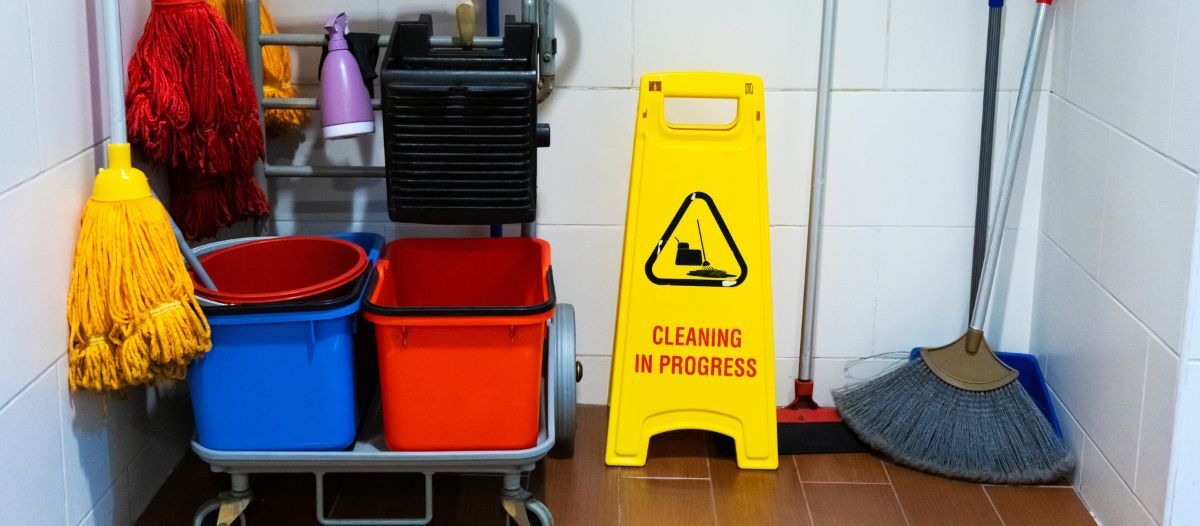
Since the pandemic, building owners and facility management teams are paying closer attention to the types of cleaning products and equipment they use while watching their bottom line. While proponents point to the benefits of a green clean, there are those who still remain skeptical. Many believe it takes “green to go green.” When it comes to comparing non-toxic or green cleaning products versus conventional cleaners, there is certainly confusion in the marketplace.
FMs and procurement executives question green cleaning product costs, cleaning efficiency, safety and whether these products truly are better for the environment. Consumers also are skeptical. According to a recent Mintel study, “The Sustainable Consumer,” just over half of the population are confused by sustainability claims, unsure of the effectiveness of their sustainable actions and are looking for brands with simple and convenient and cost-effective options.
It is also not unusual to confuse words “eco-friendly” and “sustainable.” But it is important to understand the distinctions when purchasing industrial cleaners and equipment for different cleaning and disinfecting jobs.
Eco-friendly’s definition is “anything not harmful to the environment.” Sustainability means to “maintain without the depletion of natural resources.” When it comes to eco-friendly industrial cleaners, everything from production to packaging needs to be safe for the environment. But here is where it can be tricky. Federal Trade Commission (FTC) Green Guides, which are designed to help marketers avoid making environmental claims that mislead consumers, say for a product to be properly labeled as eco-friendly, a manufacturer must explain why their product is environmentally responsible on their packaging. Otherwise, it might not be safe for the environment based on its usage.
FMs choose products based on a variety of factors, including function, safety, price, quality, aesthetics and increasingly environmental and social attributes. In response to emerging regulations and market demand for products that are safer and more sustainable, FM manufacturers are offering products that incorporate these factors.
Safe chemicals are a key element of the global economy. The introduction of new innovative chemicals over the past few decades provided significant value to product designers and helps improve quality, efficiency and convergence in the workplace. At the same time, experts recognize that not all chemicals are created equal when it comes to their hazard traits, health and eco-toxicity endpoints or potential adverse effects on human health and the environment.
Green cleaning is far more than switching out a few chemical cleaning products. It is about systems working together and integrating chemicals, tools, procedures and equipment, while providing staff training, documentation and record keeping to ensure ongoing healthier buildings.
With all this in mind, here is a look at eight different factors to consider before putting together an industrial cleaning supplies list for effective building cleaning.
1. Give green a chance – Too often, sustainable products are met with opposition because it is perceived that following environmental best practices will be too costly. This myth could not be further from the truth. Not only have green product prices dropped to comparable or below those of traditional cleaning products, but sustainable products can save an organization money while improving a building’s environmental profile. Chemical advances and the desire of manufacturers to rid the industry of harmful chemicals have led to this cost drop. In addition, green cleaning products are often sold in a higher chemical concentration, and therefore less product is needed, so end-use costs can be dramatically lower than traditional products. Forward-thinking companies of all sizes and sectors are acknowledging the importance of green products.
2. Good planets are hard to find – Some organizations believe being sustainable is complex and difficult to follow. There are multiple third-party organizations and certification programs to assist in following green guidelines. Consult with local United States Green Building Council (USGBC) chapters for more information on Leadership in Energy & Environmental Design (LEED). Learn more about Green Seal to understand how cleaning products and procedures are certified green. Educate oneself on programs such as ISSA CIMS for ways to institute green facility maintenance and cleaning practices. These organizations offer certification programs that outline various categories and best practices, as well as guides on certified products to help FMs accelerate their sustainable efforts. It has never been easier to follow green guidelines and be in compliance. Additionally, look for products that are marked EcoCert, EPA Safer Choice, Design for the Environment or Green-E certified. These certifications are a great indication that the product is better for the environment.
3. Live life cleaner – A common myth exists that green products will not be as effective on cleaning surfaces as their conventional cleaning counterparts. Just because a chemical cleaner is made in a more sustainable way does not mean it will not deliver on cleaning performance. Green products in most cases are just as effective as traditional cleaners that use harsh chemicals. However, because sustainable products do not always include fast-acting chemicals, allow green products to dwell a bit longer to have an effective cleaning result. Each product is different so always read the label. Many FMs believe it is worth the extra time if it means reducing exposure to toxic chemicals amongst building occupants. If questions are still raised about the effectiveness of green products, look for ones with the EcoLogo or Green Seal certifications. These are products that have undergone rigorous testing for both chemistry and performance.
4. Health & wellness impact worker productivity – Evidence has made it clear that the type of cleaning products can have an impact on the health and wellness of building occupants. Companies committed to sustainability frequently outperform those that do not consider the impact on their operation. In any given building, 90 percent of exposure to pollutants occurs indoors. Conventional product cleaners such as aerosol spray cans, bleach, some detergents and carpet or floor cleaners can be dangerous for employees or custodial staff to inhale. When these products are used, volatile organic compounds (VOC) are released into the air and increase the likelihood of employees or customers experiencing eye, skin and respiratory inflammation. Certified green commercial cleaning products and services eliminate harmful VOCs, allowing everyone in the building to breathe easier. Using green products also is known to increase worker productivity rates and decrease the number of employee or customer complaints. So, consider Indoor Air Quality (IAQ) when making facility maintenance decisions. An easy way to be cleaner, improve IAQ and save significant dollars is to install quality, effective, bi-level entrance matting to stop tracked-in soils at the door.
5. Think before you act – Green products and equipment often do not cost more than conventional products. Some non-toxic products are less expensive than standard cleaning ones. Frequently, FMs see cost savings from cleaning efficiencies and reduced chemical usage. By implementing high-efficiency green cleaning programs, cleaning costs can be reduced by lowering the frequency of cleaning.
6. A clean environment is a safe environment – True green products are generally believed to be much safer to use and pose less of a risk to humans and the environment. Check labels carefully. Skeptics point to a marketing trend called “greenwashing,” where a company or organization spends more time and money on marketing themselves as environmentally friendly than on minimizing their environmental impact. But evidence shows that green cleaners are safer and leave less of a carbon footprint.
7. Show your worth, save the earth – One of the great advantages of using sustainable products is they don’t pollute the environment. Green cleaning decreases pollution, resource depletion and global climate change. Because they are often derived from renewable, biodegradable resources, their usage does not hurt the planet’s ecosystem as much as many traditional cleaning products may do.
8. Image is everything – Even before the pandemic, smart FMs understood that potential employees or customers were scrutinizing regulatory and compliance reports to determine if they want to work for a particular company or conduct business with them. Now smart organizations are placing more emphasis on regulatory and compliance policies and using them in recruiting and new business efforts. Smart companies are also highlighting their green cleaning programs and training their custodial staff in the latest green certifications and using them as a competitive advantage in the marketplace.
Remember that USGBC or LEED certificates do not certify cleaning products. LEED Facility certification has a prerequisite for a Green Cleaning Program. However, there is not a “list” of products. Always consult with a third-party vendor for the certifications that may apply to a specific product. Additionally, the Carpet and Rug Institute has a rating program for the effectiveness of carpet cleaning equipment. These recommendations can assist in choosing the best equipment for a green cleaning program.
Green cleaning is a win-win situation for all stakeholders. Science has made it clear that cleaning products can have an impact on the safety, health and cleanliness of a building. Many commonplace myths about green cleaning products versus conventional ones can now be put to rest. While it can be difficult to pinpoint exact cost savings, there is no question that savvy FM teams understand the benefits of green cleaners from increasing the longevity of their building’s floors, walls and office equipment to intangible health and environmental benefits.
The next time someone says the expression “it takes green to go green,” list the above examples to dispel that myth and discuss why organizations did not consider going green sooner.

Susan Scapparone is the director of product management for the facilities category at Staples. During her tenure she has been a key contributor in launching the facilities category at Staples with a focus on chemicals and janitorial paper. Scapparone leads a cross-functional team responsible for launching new chemical solutions and cleaning tools.
References
Read more on Sustainability and Finance & Business or related topics Sustainable Facility , Supply Chain and Supplier or Vendor Management
Explore All FMJ TopicsRelated articles
-

Smart Building Control Systems
The foundation for a grid-interactive buildingBy Andre Marino09.25.2024 -
Smart Building Innovation
Cutting costs & carbon footprints without compromiseBy Andrew Butterworth09.12.2024 -

Chart the Path
Building sustainable cities & a sustainable futureBy Izzat Ali Khan & Aykean Forde12.16.2024