
 Membership
 Network
 Regional Sites & Affiliates


 Events
 Participate
 Resources

 Training
 Credentials
 Government


 Content Channels
 Tools
Tools


 Business Overview




Holiday Hazards
Keeping people & property safe around decorations
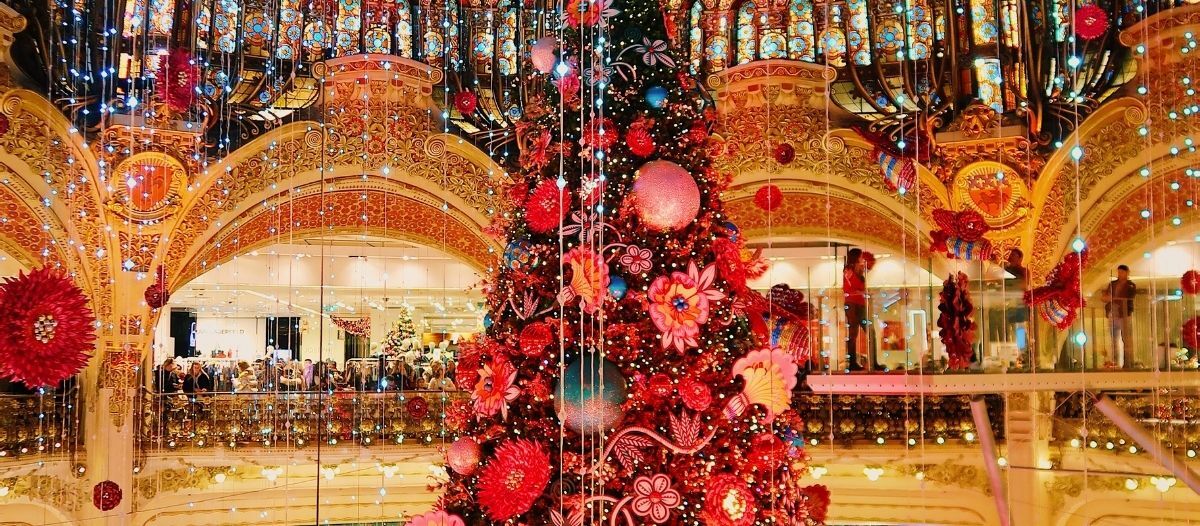
The holiday season is fast approaching for many cultures around the world. Holidays include faith-based, secular, national and regional celebrations over the next several months and come in all shapes and sizes, from national thanksgiving and independence celebrations, Lunar New Year, summer and winter Solstice, to Halloween, Ramadan, Easter, Passover, Christmas, Kwanza and many more.
Many of these celebrations occur in the last quarter of the calendar year or the very beginning of the new year, but they all tend to have some things in common, including holiday decorations. Organizations and facilities decorate during these holidays as a celebration of what the event means to the community at large. This helps community members learn about the history and meaning of the holiday and connects individuals to the overall community. Celebration of holidays enhances and strengthens the values these communities embrace and decorations have a positive impact on society.
While the holiday decorations vary significantly across regions, cultures , and holidays, many of these festive displays can create a significant safety risk. Decorations can impede exiting and egress, present fire hazards, electrical hazards, trip and fall hazards, cause lacerations, and many other challenges. It is critical that the facility management team recognize these issues and properly mitigate them.
In commercial and residential occupancies these holiday decorations can sometimes go “over the top.” So, what are some of the common decorations that can create fire safety challenges? They can include:
-
Lanterns, typically of combustible construction with electric or flame illumination
-
Decorative lighting (i.e. color light strings)
-
Trees, garlands and wreaths for decoration
-
Malfunctioning decorations or those beyond their lifecycle
-
Candles
-
Fireplaces or fire pits
-
Decorations that are not flame-resistant and are not manufactured to meet stringent listing requirements of major testing laboratories
-
Use of indoor or outdoor lighting in the incorrect environment
-
Straw bales, hay, fodder or other types of natural vegetation
-
Cotton batting, flock, or paper materials used to create the appearance of snow
-
Decorations on stair handrails or bannisters
-
Power (i.e. extension cords) for decorative lighting and displays
These are just a few of the types of decorations that can create the opportunity for fire and life safety issues. But what are some of the common concerns?
Fire
Many of these decorations are of combustible materials and require careful consideration, placement and maintenance to maintain a fire-safe environment. Lanterns using combustible material placed near other combustibles can provide an open flame and a source of ignition for fire to spread. These lanterns have the potential to be knocked over or dislocated, thereby igniting other materials.
Trees, wreaths, garlands and other natural vegetation can dry out due to lack of water or age, resulting in highly combustible fuel loads, just waiting for an ignition source. When located near open flames or heat sources such as heating vents, portable heaters, lighting or other heat producing equipment, natural vegetation can dry out even more quickly exacerbating the challenges and risks. Providing enough water (at a minimum daily) and regular inspection of these components can reduce the risks.
Electrical power provides a potential source of ignition, typically through frayed wiring, overloaded circuits or wiring and unattended displays. It is important to provide constant supervision of these displays.
Heat sources must be monitored, including open flame (fireplaces, fire pits, etc.), space heaters, heat vents and other sources, which provide ignition sources that can lead to catastrophic outcomes. Space heaters, as an example, have been associated with a significant number of Christmas tree fires. Placement of the decorations and their proximity to heat sources must be considered. Candles, both inside of lanterns and other decorations, as well as use individually, provide an ignition source. These are susceptible to being knocked over and catching adjacent material on fire.
Paper is a common material used for decorations in many countries. Placement on walls or other surfaces can negatively impact the fire resistive nature of the building, as it was originally constructed. Many building and fire codes limit the amount of paper, or other combustible materials, that can applied to these surfaces. Lack of familiarity with these restrictions can lead to enforcement actions from government authorities, and real risks to the occupants. They provide a ready fuel load and are placed in a manner that allow rapid growth of a fire that may otherwise have been limited in size, or controlled, using fire extinguishers or other fire suppression equipment and systems.
Paper is not the only concern. Other common products used to decorate, which provide a significant source of fuel for a potential fire, can come from any lightweight combustible material. Products such as straw bales, hay, fodder or other types of natural vegetation are sometimes placed in the area, or even spread on floors and other surfaces. Straw bales are sometimes stacked near egress points, including creating archways or other features. In this arrangement they provide not only a significant fuel load for the fire, but also an impediment to occupants exiting the building or area. Other products that can add to the potential risk include cotton batting and flock.
Exiting & egress
Another common area of risk and opportunity includes providing and maintaining adequate exiting and egress from a building or area. When buildings are constructed, they are provided with means of egress, including not only the doors out of the building, but also the path to those doors, adequate lighting and direction (signage), and the ability to discharge or escape from the building in the event of an incident. Occupant notification through alarm or mass notification may also be part of the built-in fire safety systems.
In many cases buildings are not constructed specifically with holiday decorations in mind. While there may be provisions to provide power through electrical outlets, and there may be a general knowledge that holiday decorations could be incorporated into the décor of a building, most times the specifics of the decorations are unknown to the architects, engineers and contractors that partner to construct these facilities. Occupants and FM teams commonly decide on what decorations will be used and where they will be displayed. It is crucial that consideration be given on how the decorations will impact the exiting and egress of a facility. Placement should insure:
-
Fire protection equipment is not blocked. This includes fire extinguishers, fire sprinklers and smoke/heat detectors.
-
Decorations are not hanging or supported by fire sprinklers and fire alarm devices.
-
Doors are not hidden, view obstructed or blocked from use.
-
Exit lighting and signage not damaged or visibility impacted by decorations. Do not hang decorations from exit lighting.
-
Egress pathways must be maintained. Occupants must be able to reach exit paths unimpeded. Crowd control measures should be carefully planned to allow for proper exiting.
Carbon monoxide
Carbon monoxide (CO)is a colorless, odorless, tasteless gas that is a product of incomplete combustion of fuel fired equipment. Blocked space heaters or poorly vented chimneys, generators, grills and boilers are common sources of CO. Holiday decorations can create or exacerbate issues related to CO build-up and impact occupants. The addition of generators, heaters, and insufficient maintenance of existing and temporary equipment can all lead to issues.
Proper planning
Before the holidays approach, it is important that the FM team prepare for holiday celebrations and decorations. If these events are not properly planned in advance, it could be too late when the holiday arrives to properly address these issues. Consideration should be given to:
-
Completion of any scheduled inspections and preventative maintenance of heating equipment, fireplaces/chimneys, fire sprinkler systems, fire pump systems, fire extinguishers, and fire alarm systems well in advance of the commencement of holiday decorating. Enough time should be allowed in advance of the event to allow for any repairs to be completed which might be discovered during the inspections and preventative maintenance.
-
Ensure sufficient fire protection equipment is provided. The proper amount and distribution of fire extinguishers can help responders extinguish incipient fires.
-
Electrical circuit identification and inspection. If the decorations will include lighting or other electrical needs, the FM team should map out the abilities of the various supplies and consider thermal imaging or other means to validate the integrity of the electrical system and its ability to properly supply the needed power.
-
Plan for sufficient barriers or other means to prevent open flames from igniting material. Physical separation measures and non-combustible surfaces can reduce the risk of flames from fireplaces, fire pits, candles and lanterns from spreading to combustible material
-
Proper oversight of the decorations. It is important that lighting and flame be monitored constantly. Do not leave lights or flame burning without the presence of team members to monitor. Consider battery operated candles in lieu of burning candles.
-
Use of listed decorations and equipment. Equipment and decorations that have been properly tested by testing laboratories present less risk to the facility and occupants.
-
Do not allow smoking indoors, or at a minimum, around decorations.
-
Make sure any natural trees, garland, wreaths or vegetation used for decoration are as fresh as possible and are provided with water on a regular schedule. Replace as necessary when they dry out. Artificial substitutes should be considered, but validate they have the proper fire retardancy and listing, if applicable, before installing.
Conclusion
Depending on the community, some may think of these as primarily a winter or summer issue, or cold versus warm environment concern. The reality is they can arise at any time of the year and in any climate. It is all based on the holiday celebrations that the community choses to engage in. There are also many other types of celebrations for sports events and other community events that occur locally. Most of these can result in similar potential issues and care should be taken to mitigate the fire hazard
Careful advanced planning can help ease these risks.

Ralph Bless is the vice president of account management at Telgian, a worldwide fire, safety and security firm. He is a licensed professional engineer with more than 39 years of experience in fire protection services and has served Telgian for 22 years. Bless serves on multiple NFPA technical committees and currently chairs the NFPA 232 technical committee.
References
Top image provided by Telgian.
Read more on Risk Management or related topics Occupant Health and Occupant Safety
Explore All FMJ TopicsRelated articles
-
A New Approach
Improving business continuity with alarm managementBy Brad Freeman09.09.2024 -

Beware of Growing Cyberthreats
Why it’s time for stronger facility cybersecurityBy Andrew Harris & Eric Headington10.30.2024 -
Going Up?
Keeping elevators safe & compliantBy Dave Myers & Doug Taylor11.06.2024