
 Membership
 Network
 Regional Sites & Affiliates


 Events
 Participate
 Resources
 Training
 Credentials
 Government


 Content Channels
 Tools
Tools


 Business Overview




IFMA & Leadership
Past chairs offer personal insights
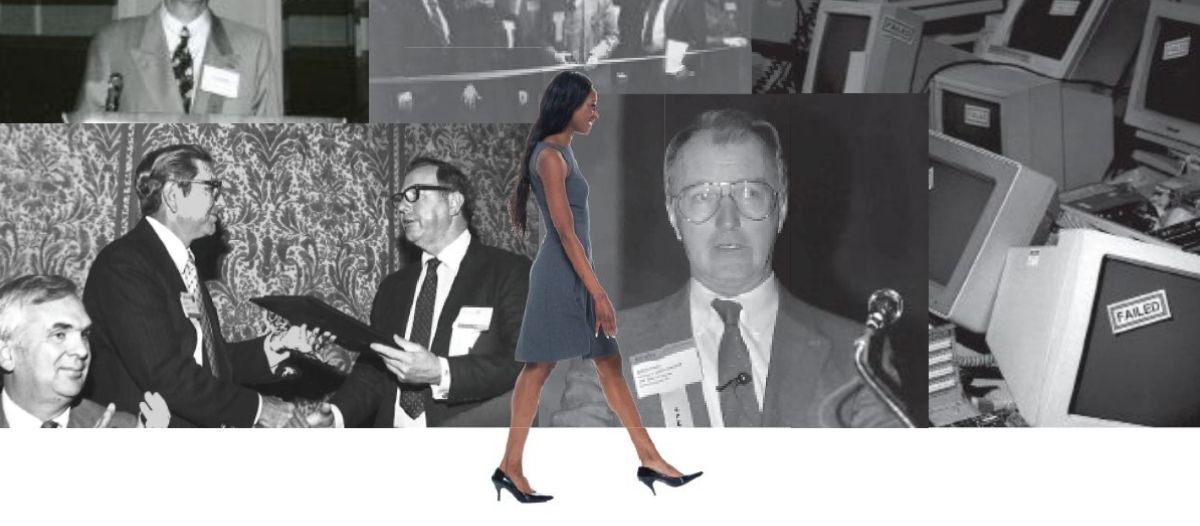
As part of IFMA’s 40th anniversary celebration, four of the association’s past chairs offer their personal insights on development and leadership within the FM industry.
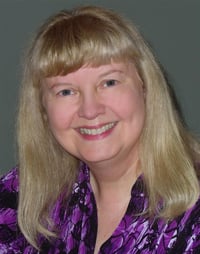
1980s - Christine (Neldon) Tobin, CFM, IFMA Fellow
1991 IFMA Chair
 Imagine your professional world with no organization dedicated to supporting facility management. No information, guidelines or standards to help you ensure efficiency, success or excellence. No accredited degree program to set you on your FM journey. No continuing education or credentialing to help you grow in your field. No network of mentors or peers to call on for helpful advice. No specialized consultants or products geared specifically toward managing facilities. No representation. No definition. No vision for a future filled with opportunity for advancement.
Welcome to FM pre-1980! In the late 1970s, Herman Miller formed the Facility Management Institute and sent Dave Armstrong of Michigan State University to major cities to talk about a newly minted term called “facility management.” A group of professionals interested in forming an organization through which facility management could receive recognition and credibility as a profession met to form the National Facility Management Association. After the Houston Chapter was formed, many cities and regions followed, including Toronto, which led NFMA to become IFMA.
My first experience with FM was in the fall of 1981 at a meeting in an Atlanta, Georgia, USA, hotel. By spring of 1982, we had a chapter and I was treasurer. My limited experience was in technology, and there was a whole lot I didn’t know. When I went to chapter luncheon meetings, other attendees thought I was some FM’s wife.
Today, I’m a CFM, an IFMA Fellow, an international speaker and an award-winning author. I have retired from two successful careers as an FM executive. How did I get here? More importantly, how can you get from where you are to a similar “here?” FM has come a long way but there are basic skills that still apply.
Knowledge – You must know what you are talking about before you can be an effective leader. Today, there are accredited degree programs and a variety of facility-related certificate programs. There are conferences and meetings on FM, as well as IFMA education programs. There is a plethora of information online. Vendors, consultants, coworkers and FM peers can teach you. Take advantage of the education open to you. Imagine your FM world without it.
Volunteer – Many associations, committees and charities are anxious to find leaders. Volunteers learn interpersonal, presentation, organizational, financial and technical skills surrounded by supportive people. Becoming known in your community for good works brings positive recognition. Your employer and contacts will take you more seriously. Be open to starting at the bottom and working your way up.
Networking – Attend FM conferences and meetings. Talk to people. Use the member directory or online messaging to reach out. Learn from their experiences. Connect with HR, finance and IT professionals at your job. They can support your objectives, projects and career growth. Find a hero. Find a mentor. Find an ally. Imagine your FM world without them.
Personal integrity – It is very important to always deliver on what you say you will do. Never exaggerate your skills or present yourself falsely. Don’t lie. Assume that someone is always watching what you do. Stand behind your work and the work of your team. Admit your mistakes and take responsibility for them. Establish a reputation for honesty and transparency.
1990s – Diane MacKnight, CFM, FRICS, IFMA Fellow
1993 IFMA Chair
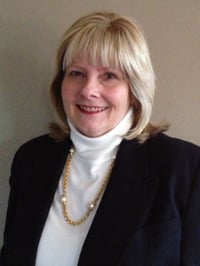 The 1990s seem like ancient times compared to today. It was a period of extensive economic growth, allowing many of us the opportunity to serve in expanded roles and gain valuable professional knowledge.
I am indeed thankful for the knowledge, practices and principles I was exposed to throughout that portion of my career; and for me, several themes emerged from that decade.
FM professionals and leaders have several opportunities:
-
Studying our organizations: Developing a comprehensive understanding of the organization is both an opportunity and often a requirement if we are to be successful in our roles. Moreover, it helps us foster alignment in the delivery of our FM services. Understanding formal and information-based decision-making structures is a critical success factor.
-
Creating an environment that supports career development and advancement: Truly, “to whom much is given, much is expected” should be words to live by for FM leaders. Providing comprehensive one-on-one coaching, skills training, leadership/supervisory skill development and designing career paths for FM staff produces extraordinary results both for staff and the organization.
-
Continuous learning: The extraordinary pace of technology during 1990s underscores the need for lifelong focus on learning in a variety of areas. Clearly technical expertise is required, as underscored by the continuing evolution of FM competencies. Learning how best to apply and deploy technology is key to long-term success.
-
Managing with data: Most smartphones have as much as or more computing/storage than desktop machines we were issued in the 1990s. The ability to collect, analyze and make decisions based on data offers FM professionals a true seat at the decision-making table if they exercise the discipline in their organizations to collect, validate, understand and use the information to optimize services and manage costs.
-
Identifying and tracking trends: Monitoring and understanding the evolution of the workplace and workplace practices is key to creating and continuously improving FM services through service changes, training, staff development and cost efficiency. We have seen the blinding speed at which organizations have adapted to remote working. The effect on the way facilities are viewed, designed and managed has been profound. We must be alert to the full range of potential impacts.
-
Fostering a culture of fairness and respect: For some FMs, the 1990s were marked by a distinct focus on real estate transactions and project management with FM operations often sidelined. Principled FM leaders create an environment where all services, skills and disciplines are valued. The pandemic has underscored the importance of our maintenance, technical and custodial staff in a dramatic way.
FM has offered me the opportunity to learn a little about a lot of things, but the greatest honor was to have worked with hundreds of people from different backgrounds and experience to deliver services, develop the profession and learn together.
2000s – Sheila M. Sheridan, RCFM, IFMA Fellow
2002-2004 Chair
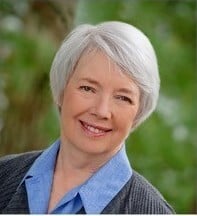 Be open to change and opportunities that present themselves. Reflecting on decades of experiences, I realized that successful individuals are willing to accept the opportunity to change and adapt as they travel through life. As an individual is exposed to various situations, he/she can absorb what has happened and glean from it what is valuable. A leader grows continuously as different opportunities present themselves. True leaders are open to change, making it work for everyone.
Be respectful of culture and diversity. At the start of my work career, I experienced a variety of situations that improved my interpersonal skills. As an inner-city teacher, I discovered how critical it was to respect the culture and diversity of all individuals. Each student exhibited a unique individual personality, learning style and willingness to be educated. This challenge provided me with a solid basis for relating to all people who crossed my path. A true leader enables others to learn and succeed in conjunction with advancing their own career.
Be willing to ask. Since my serendipitous introduction to FM in 1980, I realized the need to learn from others. Asking because you do not have enough information or knowledge gains people’s respect. They will honestly share what they know if you are open to learning. Be willing to request help, then appreciate the person providing it. Show that you are open to listening to others and will consider implementing what they have to share.
Be a collaborator. A leader must encourage dialogue on how to develop a solution to an issue. If people share in finding the right answer, then they are more willing to make that answer a success for the team. Creatively looking at situations together can invite new ideas and opportunities to improve. It is acceptable not to know all the answers yourself, if you know how to lead a team to a positive result.
Be steadfast in your beliefs and be patient. When I realized how important sustainability was to the FM profession and to our planet, I decided to act. I spoke to numerous people concerning this topic and read all available materials. It was apparent to me that people were not ready to change what they were doing. It would be a long road ahead for sustainability to become the norm. I doggedly pursued the topic and accepted that it would take patience and perseverance to incorporate sustainability into the very core of FM practices and education. A leader needs to be willing to educate others concerning what needs to be achieved; then offer opportunities to learn. Edmund Burke’s quote was my touchstone during this endeavor: “Nobody made a greater mistake, than he who did nothing because he could do only a little.”
2010s - Kathy Roper, RCFM, IFMA Fellow
2011-2012 IFMA Chair
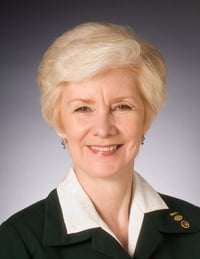 After being in FM for more than 20 years, I had the awesome opportunity to teach at a highly respected university in my hometown for a new FM graduate program. It would not have been possible had I not previously followed advice to continue my formal education in communications and business and learn quite a few leadership skills throughout my career. Working with young career professionals or students new to FM gave me insights into some of the possibilities for improvements and efficiencies in FM.
Going forward, I see a tremendous need for younger, innovative leaders who embrace new technologies, develop their employees and learn from everyone around them. These are traits of good leaders and will enable those with less experience to leap-frog their peers and even more experienced FMs. If you hear about new technologies anywhere, be curious. How could these be applied to the facility realm? What’s new that your organization might not have tried yet? How can we do more with less?
This last question is a perennial quest within FM and must constantly be considered. Technologies such as building information modeling (BIM), augmented reality and the Internet of Things (IoT) bring new efficiencies to operating facilities and managing them for the best use of occupants. Understanding how they might fit into your organization, or not, is critical to leading your FM group to success. Being able to anticipate new business challenges and respond rapidly are successful leadership skills.
Developing your team is one important way that leaders demonstrate trust and expectations of success from employees. Listening to new ideas, encouraging new processes and being willing to experiment a bit will expand a new leader’s ability to meet users’ needs. While improving customer satisfaction, it also provides enhanced employee commitment and loyalty. Research has shown achievement, acknowledgement, autonomy and responsibility are stronger motivators of employee commitment than pay. Everyone wants to do well and creating and embracing an environment for responsible contributions results in success for the employee as well as the organization.
Relatedly, the ability to see opportunities in various innovations is a new leadership skill that can quickly improve results. A classic example from benchmarking literature is the woman who suggested that the lipstick manufacturer consider touring a Winchester rifle production line. Why? Think of lipstick cases and bullet casings! Different industries but similar products. How could something unrelated possibly work to improve FM services? There may be new innovations, especially within the hospitality and service industries. Look around and be innovative.
Finally, good leadership requires continuous learning. With things changing faster and faster, old ways of working and processes that require too much manual time are ripe for improvements. Always look for new information, opportunities for advancement and remember that people (our employees) are the real reason the facility must operate efficiently.
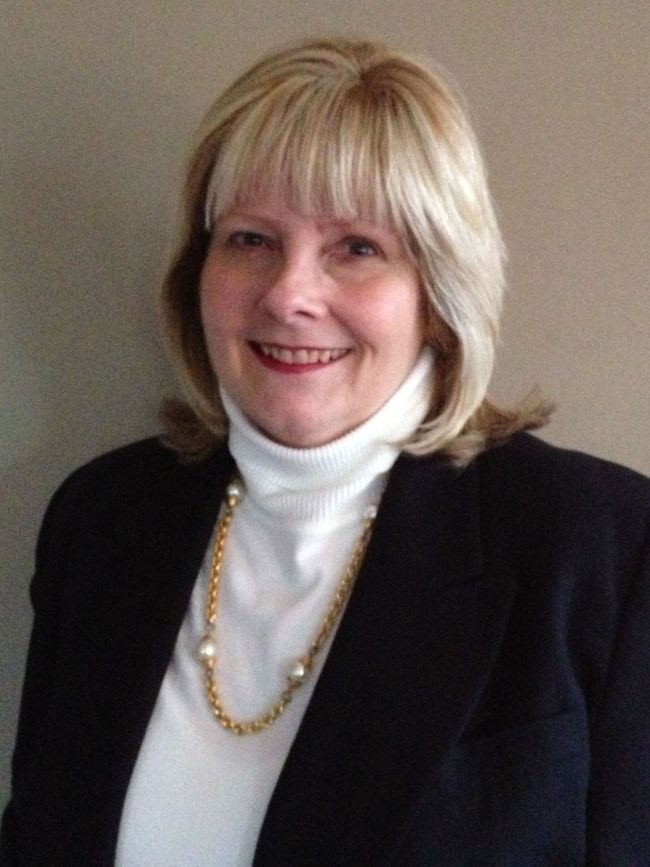
Diane MacKnight, CFM, FRICS, IFMA Fellow is a recognized expert in real estate and FM with more than 30 years of experience. Practice areas are organizational assessment, facilities outsourcing, strategic and tactical facility planning, administrative/office services, leadership coaching and process improvement. Her consulting experience includes assignments across North America, Europe, Australia, Brazil, and Asia. She offers a unique perspective gained from serving as a practicing facility manager for Freddie Mac, vice president of facilities for Gannett/USA Today and as an outsource service provider (SVP of Corporate Services for Trammell Crow Co.). She formed MacKnight Associates in 2003. She is a founding member of the Capital Chapter of IFMA, a past IFMA chair (1993), a Certified Facility Manager, an IFMA Fellow and a Fellow in the Royal Institute of Chartered Surveyors. MacKnight has served as an instructor for multiple courses with the George Mason University Facility Management Certificate Program.
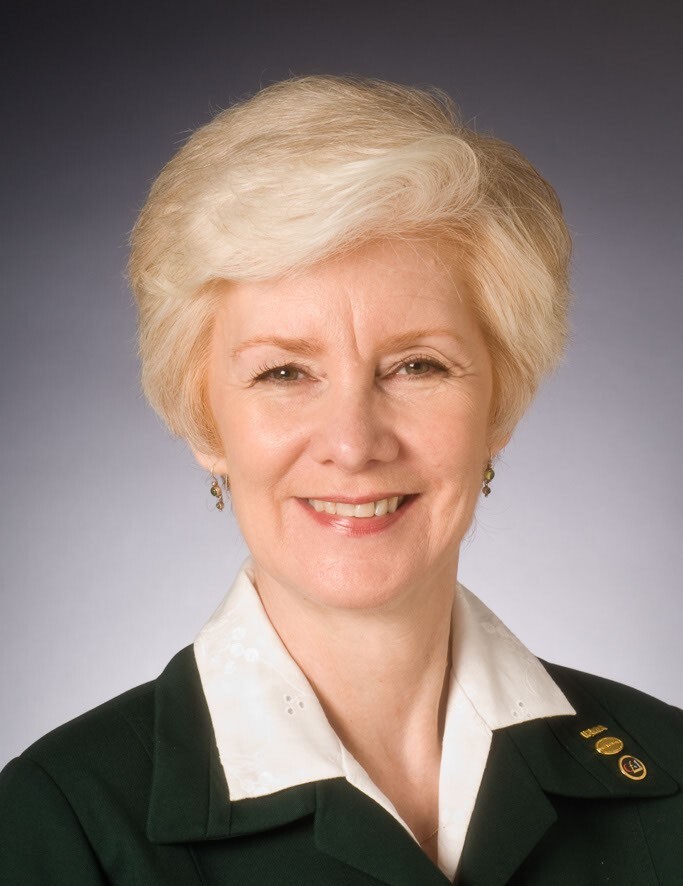
Kathy O. Roper, RCFM, LEED AP, IFMA Fellow is a retired associate professor and chair, FM, at Georgia Tech in Atlanta, Georgia, USA. Roper continues to research and write about FM issues, focusing on innovations, trends and integration of technology and business acumen into FM. Roper was co-founder and co-editor of the “International Journal of Facility Management,” launched in 2009. She is co-author of “The Facility Management Handbook,” third and fourth editions, and recently completed IFMA’s “Climate Change Fundamentals for FM Professionals” report. She served on local, national and international boards and scientific committees for expertise in FM.
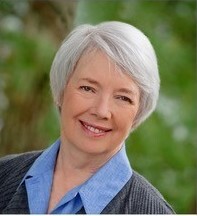
Sheila Sheridan, IFMA Fellow, RCFM was a teacher with a M.Ed. and left the profession to raise her family. She returned to work in an administrative position and within a year, she found herself in the facilities field. Sheridan retired from Harvard University as director of facilities and services at HKS and has more than 35 years' experience in the facilities profession. She is past faculty for IFMA and USGBC and has been a guest lecturer and visiting faculty at international universities. As IFMA chair, she advocated an awareness of sustainability. In her retirement, she is active in environmental issues and town government. She continues to participate in various IFMA activities and is a member of the Environmental Stewardship, Utilities and Sustainability Strategic Advisory Group (ESUS).
References
Top image via Getty Images and IFMA historical archives.
Read more on Leadership & Strategy or related topics IFMA
Explore All FMJ TopicsRelated articles
-

Artificial Intelligence in FM
The stakeholder’s perspectiveBy Dr. Jake Smithwick & Dr. Kenneth Sullivan & Nneka Ubi05.01.2024 -

Mastering Change in Hybrid Environments
Insights from global operational leadersBy Meg Swanson09.02.2024 -

Plugged In
Solving the data disconnect in real estate and FMBy Amanda Muzzarelli & James Waddell07.01.2024