Membership
 Network
 Regional Sites & Affiliates


 Events
 Participate
 Resources

 Training
 Credentials
 Government


 Content Channels
 Tools
Tools


 Business Overview





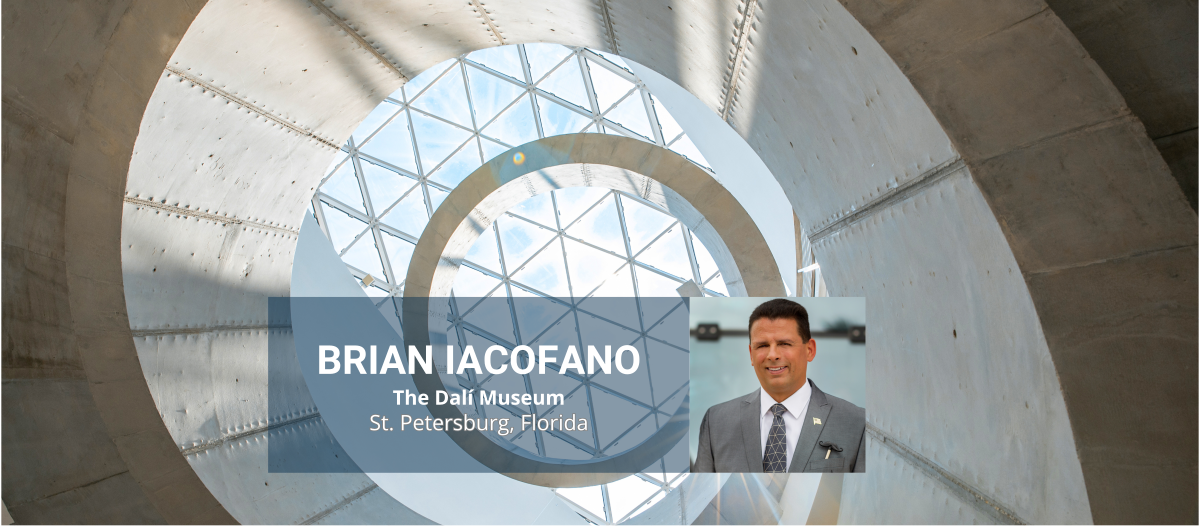
At the Salvador Dalí Museum, the surreal becomes real. The waterfront gallery in St. Petersburg, Florida, USA, houses the largest collection of the Spanish artist’s work outside of Europe, including seven of Dalí’s masterworks. IFMA member Brian Iacofano and his FM staff oversee the museum and its Avant-garden grounds, safeguarding The Dalí’s priceless holdings against everything from everyday incidents to destructive hurricanes.
 Tell us about yourself and how you got into FM?
I have been in the home improvement and construction management industry all my adult life. I have been fortunate enough to be exposed to all facets of construction, from carpentry to tile work to plumbing and electrical. Jack of all trades if you will.
My family and I moved from Cleveland, Ohio USA to Tampa, Florida in 2008 during the height of the retail, housing, and construction crash. I was working for a nationwide insurance corporation in their Corporate Real Estate division and my life in FM began! Shortly after, I became a member of IFMA and earned my FMP Credential. A few years later the opportunity came my way for accepting the responsibility and honor of caring for the most complete and expansive collection of Salvador Dalí artwork outside of Spain, and the magnificent building it is housed in.
What is day-to-day life like at the Dalí?
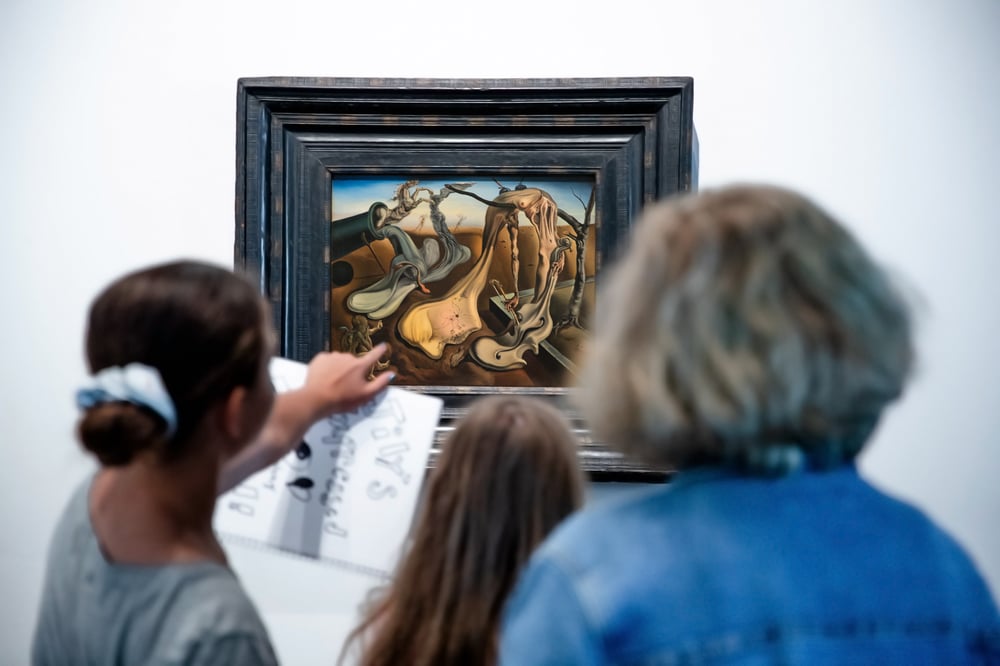
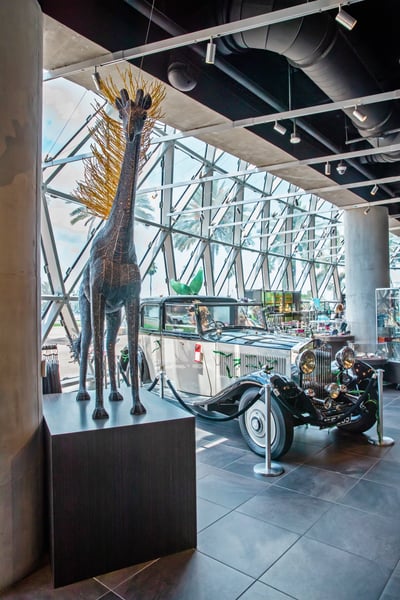 The Dalí Museum is a single artist museum where we also curate two or three visiting exhibitions per year. The permanent collection consists of 96 oil paintings, 120 watercolors and drawings, 1,300 graphics and sculptures, photographs and an extensive archival library.
We have venue rental and an extremely expansive education program for everyone from toddlers to school age children to adults and seniors. Our events calendar is full all the time, with programing as well as corporate events and weddings. In addition, we have one of the most successful museum retail stores in the world and a full catering kitchen and café to enhance our visitors’ experience. We have a staff of around 90 people full time and part time, not to mention one of the best assembled team of volunteers I have ever seen. Our programing includes workshops, films, opera nights in the Gran Sala, kid’s days, and even yoga.
Our Facilities and IT teams take care of all day-to-day needs to keep the building in excellent condition both operationally and in appearance. In addition to mind-blowing collection of Dalí artwork, we stretch the imagination with technological elements that enhance the experience with Augmented Reality, Virtual Reality and Artificial Intelligence components. With our large attendance numbers during our busy season, these elements take a lot of care and maintenance to keep them running and avoid downtime leading to poor visitor experience. We pride ourselves in very little to no downtime of any of the facility amenities or basic needs like restrooms and an always-clean environment.
In addition to “typical” (if there is such a thing) facility work, my team and I are heavily involved with our curatorial staff to project manage and execute everything from AV installation, “set” design, including building temporary walls, and anything and everything else that we are called upon to build for the next great visiting exhibition at The Dalí Museum.
 Why is the Dalí unique and what kind of unique challenges do you face managing the museum?
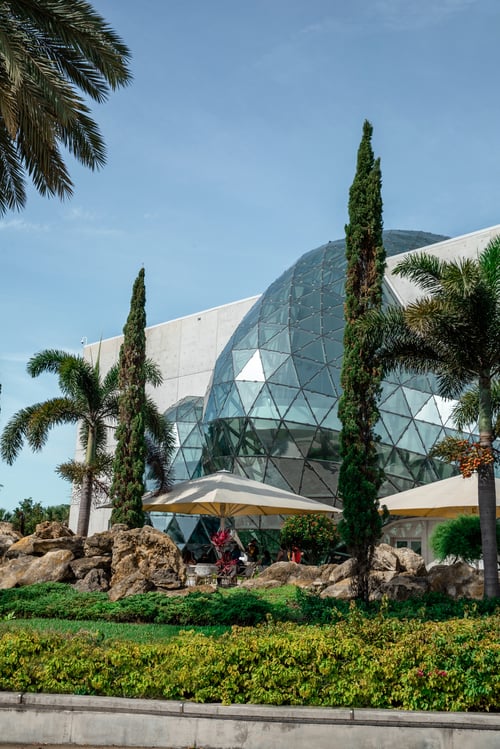
Many museums try to incorporate the surrounding area in which their building is located to avoid potential disasters or damage to the collection. It was very important to us and the original owners of the collection, Reynolds and Eleanor Morse, to incorporate the coastal surrounding of St. Petersburg that is very similar to that of Cadaqués, Spain where Dalí grew up.
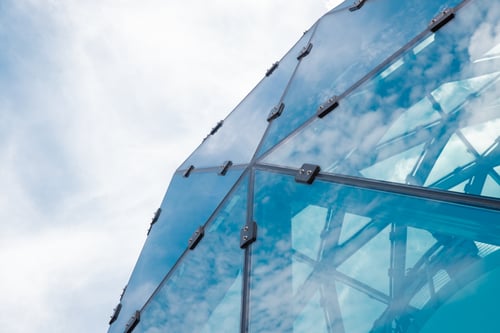
With that, this building was design built to protect the collection from most everything Mother Nature and any other outside forces can throw at it. The walls are 18 inches thick poured in place concrete walls out of which a fantastic geodesic structure known as “The Enigma” adorns the architecture. This glass structure is comprised of 1,062 individually sized, triangular, 1½ ”inch thick, panes of laminated and insulated panels. The glass is designed to withstand the pressures and impacts from a Category 3 hurricane and the concrete walls – well over a Category 5. This allows us to “protect in place” in that the artwork on display in the galleries and they do not have to be removed from view to protect them. The galleries are designed to be, vaults with roll down storm shutters.
The building is designed with many high efficiency systems to help manage utility usage. There is solar collection for hot water to all the public and staff restrooms, as well as the staff kitchen, high efficiency boilers and chillers, and VFDs on all large motors. We also collect condensate from all air handlers, which is pumped back to the cooling tower to be reused and reduce water consumption.
We are currently working on an upgrade to keep our building automation system current and state of the art that allows me to schedule HVAC and lighting to take advantage of unoccupied times in areas where art is not stored or displayed.
How much space do you manage?
Our operations team is responsible for the 70,000 square-foot building, the surface parking lot, and off-site storage building FF&E and overstock for the retail store. The facilities and grounds teams work together to care for our Avant-garden. While the regular care and maintenance as well as seasonal projects fall under our grounds team, the facilities team assists with repair to infrastructure such as lighting and Wi-Fi access.
We are midway through the designing of a large expansion which will include a multi-story parking facility and significantly more exhibition, mixed venue use, and education space. This space is in response to our overwhelmingly popular digital experiences and education programs that cater to the community we serve. We are also looking at adding green technology to aide in the operational expense of a museum this size to include photo-voltaic solar and rainwater collection.
 What is the biggest FM challenge you have faced and how did you find a solution?
The Dalí Museum is in is less than 10 years old. During the design phase we were integrating many of the hottest trend in building construction and using some of the best materials and systems available at the time. We did have some challenges with boilers and with the piping used for the dry sprinkler system. Fortunately, with the help of our mechanical contractor and partnering with the manufacture of the boilers, we were able to upgrade the units to much more efficient models and eliminate many of the operating issue we had initially.
The dry sprinkler system was a bit unnerving as we used galvanized pipe per the specifications that made it the best choice at the time the system was installed. We began to experience pinhole leaks in some of the piping that was later determined to be caused by residual water in the pipe and oxygen – commonly used in dry sprinkler systems. After working with some trusted partners in the fire suppression industry, we deployed the use of a nitrogen generator, eliminating the corrosive properties of O2 and H2O. This was a great relief as it – extends the life of the existing piping by 40-50 years.
What are some FM challenges you face at the Dalí that are common across the FM industry?
Finding time to get it all done. Facility Managers are the go-to people to solve problems. I pride myself in the trust and loyalty that I have been fortunate to build with every one of my colleagues here at the museum and I am honored to be entrusted with this facility. I think all successful FMs have an innate quality and desire to please. We want to succeed, and we want to win. Sometimes it is challenging as we operate in a very thankless industry but we to do the best we can and we keep showing up.
What do you like best about what you do?
I really enjoy the change. No two days have been the same in the last six-and-a-half years I have been a team member at The Dali. Every day we show up and there are new set of challenges. You need to stay on your toes and keep looking for the best solutions and fixes to be fiscally responsible for the organization while meeting every need. Also, having a critical part in the design, build and execution of our visiting exhibitions is very exciting to me. This is our part of contributing to the front lines of what excites visitors about this mystical place. We always have something new happening and even more on the horizon.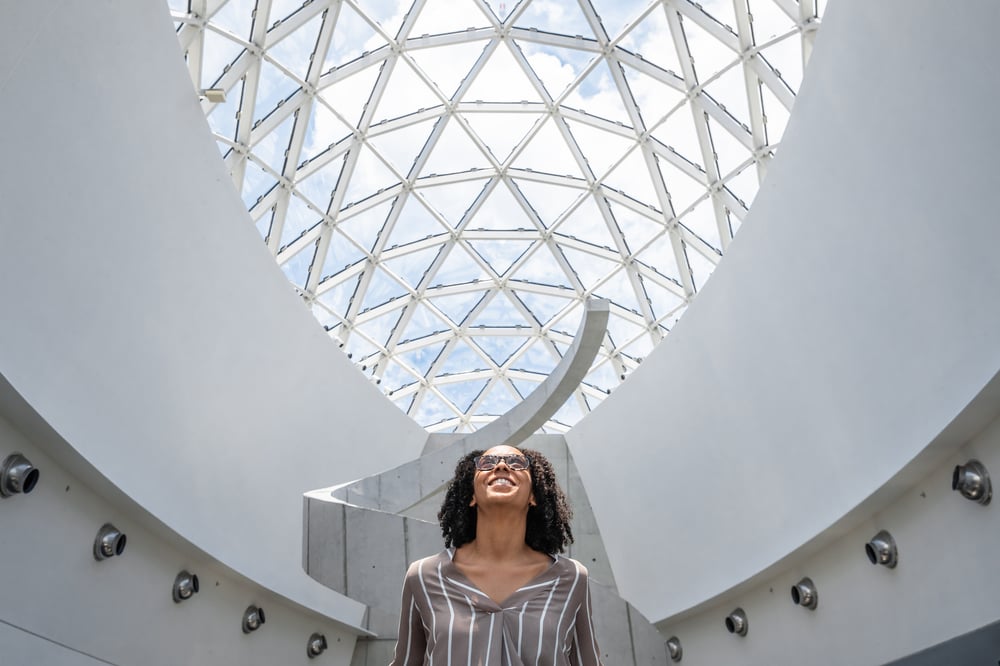
References
All images courtesy of The Dalí.
Read more on My Facility
Explore All FMJ Topics