 Membership
 Network
 Regional Sites & Affiliates


 Events
 Participate
 Resources

 Training
 Credentials
 Government


 Content Channels
 Tools
Tools


 Business Overview





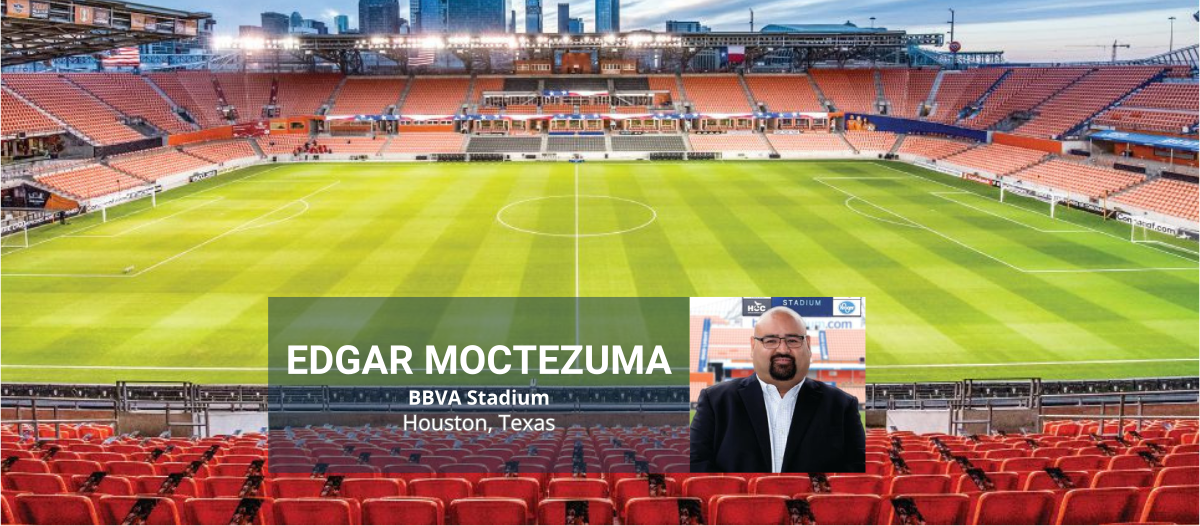
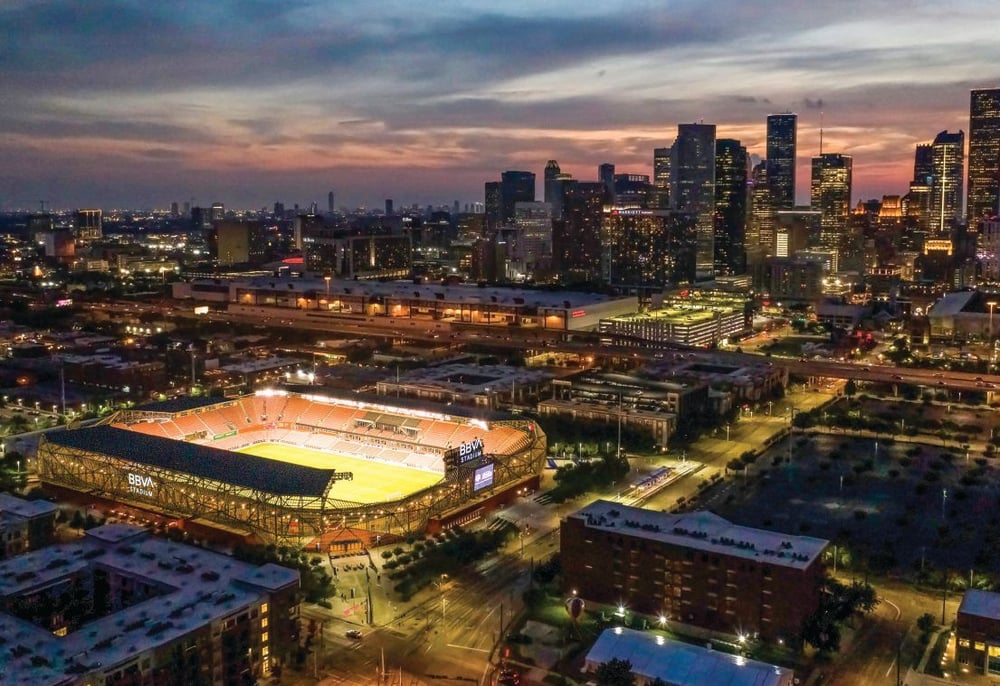
On any regular day, IFMA Member Edgar Moctezuma manages a facility that offices roughly 25 employees. But on game days, Moctezuma and staff franchise welcome 22,000 fans to BBVA Stadium in downtown Houston. Opened in 2012, the orange-clad steel stadium is home to the Houston Dynamo of Major League Soccer and the Houston Dash of the National Women’s Soccer League. The facility also serves as the home venue for Texas Southern University’s football (American) team and hosts international soccer and rugby union matches and concerts. The stadium was completed for a construction cost of US$95 million, making it the most cost-effective modern soccer-specific stadium. As a LEED Silver facility, Moctezuma said his FM crew strives to maintain sustainability efforts while finding new ways to be green.
 How did you get into FM?
Right out of high school, I didn’t know what I wanted to do, but I knew I didn’t want to do four years of college. I went to Universal Technical Institute and after graduation was tough. It was hard to get a job and no one really wanted to give an 18-year-old kid a service van full of tools. I finally got a big break at George Bush Intercontinental Airport in Houston as an HVAC technician. I evolved into one the better technicians there. I moved on to a contractor’s job and then a position opened at NRG Park in Houston where the Houston Texans play. I got the opportunity and I evolved from HVAC to mechanical, electrical and plumbing. I was promoted into management and was there for seven years.
I got to a point where you work a lot of events and it’s pretty much 300 days a year. I felt like I needed a break. I went back to UTI where I took the position as facilities director. That’s where I homed in on the overall facilities aspect. I learned more about security, housekeeping, how to get into the budgets and more day-to-day maintenance.
I decided to move back into sports and in 2014, I was hired to be the engineering manager at BBVA Stadium. All that previous experience helped me out. In 2017, I was promoted to director of operations and engineering. I oversee the stadium, day-to-day maintenance, engineering and those sorts of things.
What’s a typical day like at BBVA Stadium?
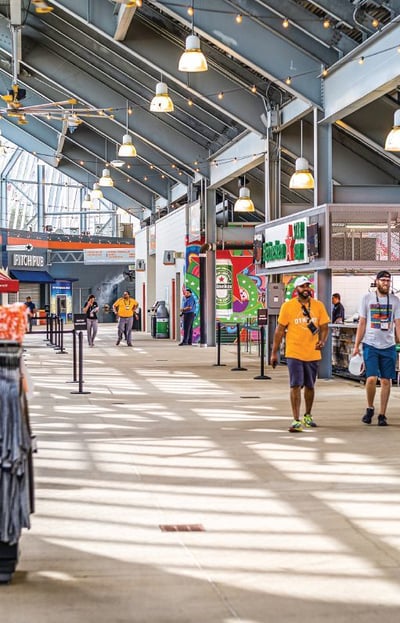
I come in every morning and walk the building. It’s only 22,000 seats, but there is always something that can be improved or fixed. We’re usually working on a project and communicating with our peers. There are always a lot of moving parts. On a game day, I usually show up six-to-eight hours before gates open. We make sure everything is in place and making everyone has what they need. When we open the gates, we get everyone in and monitor the lines and address any problems as they crop up. When the game starts, we’re still working. We take care of security issues, maintenance issues and make sure everyone is having the best possible time.
It’s just operations staff at the stadium every day. The rest of the staff offices offsite. The challenge is game days when we have another 100 employees descend upon us for their game day operations. They have things related to the game that they must do. We have to find space for them, and space isn’t always available. We convert an auxiliary locker room into office space and make other accommodations so that the staff can help make the game happen. Not everyone is concentrated in an office area. We’re constantly moving.
We also have two teams. We have the Houston Dynamo who have their team staff that take care of their needs. They have permanent space here. As far as the Houston Dash is concerned, they do not have permanent space, so we convert space for them to operate and for their team and staff to prepare for their games.
For international games, sometimes they have some big-name soccer players that show up. We’ve had Lionel Messi here. There’s a lot of coordination involved like a police escort to get the team from the hotel to the stadium. Sometimes they have their own security team. Sometimes they have special requests like lightning and temperature in the locker room, so we must make those accommodations before they get here.
Texas Southern University also football plays here. For their games, we have to convert the locker rooms, put up goal posts, drop nets and repaint the field and other game preparation. Our field is our pride and joy. We don’t want to damage it. If we lay tarps down too early, it can damage the grass. We do more on game day rather than have everything prepared a couple of days in advance. When it comes to the grass, we can’t do that. If we cover the grass, it can hurt, so we wait until the last minute as much as we can.
We have an offsite storage building across the street. Storage is an issue here. We are in downtown, so we don’t have a lot of real estate. We must be creative and store things where they fit, while keeping everything looking nice. We can’t have things laying around or cluttered.
If everything goes right, which it almost always does, there’s a great feeling of accomplishment. We have 22,000 fans here and we’re responsible for their safety, their security and making sure they have a good time. It can be stressful, but when it’s done we breathe a sigh of relief. We take our jobs very seriously and love what we do, and then we get to do it again.
What makes managing BBVA Stadium unique?
 MWe’re unique in that we’re a soccer facility. The game is growing at a rapid pace in the United States. Being a part of that and the things we do, from the game to the guest experience is special. I get to lead a team of people who want to grow. It’s intimate. I’ve worked in the 70,000-seat stadiums before. There’s not a bad seat in the house. We’re constantly looking to improve. I feel like it’s my home.
What is the biggest challenge you’ve faced and how did you fix it?
Moctezuma: There have been a lot, but when I was promoted to my current position, it was a difficult transition. I went from an engineering manager to the director of operations. I was focused on equipment and the nuts and bolts of things. Suddenly, I had to look at how everything integrates. That’s when I decided to look at earning my CFM with IFMA. I took courses and studied and learned more about what IFMA does. I took my exam and passed. Making the transition has been one of the most challenging parts of what I do, but it’s been great and has opened my eyes to a lot of different parts of being an FM.
You’ve worked at a campus, a 70,000-seat venue and a 20,000-seat venue. What are some of the challenges that are similar across the board?
Customer service. You try to best, but you won’t be able to please everyone. It’s hard to please everyone because someone may not agree how something was handled or something that we are doing.
What advice would you give to someone just getting started in FM?
Learn as much as you can. You can learn something from everybody. Get in the middle of things and be hands on. Find out what people are going through. Your people are important and get involved in what they do and be open minded.
Why have you stayed in FM?
I really enjoy it. It’s a challenge every day and you’re a part of something bigger than yourself. You make things happen and people come to you to solve problems. If you’re lucky and blessed enough to build a good team, it makes it very enjoyable. You come here and you make things happen. I would rather do nothing else. It doesn’t feel like work.
What do you like best about what you do?
It’s not a job. It’s a place where I come with my friends and we make things happen. We know we can overcome any challenge. We can create anything. We do that because we have. It’s a wonderful feeling to come in accomplish that.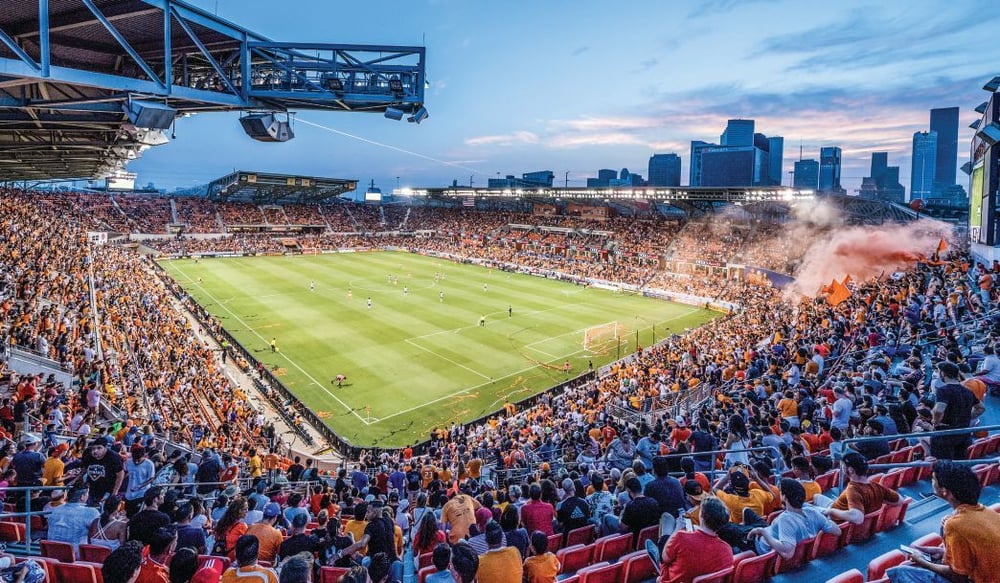
References
Images courtesy of BBVA Stadium/Houston Dynamo FC.
Read more on My Facility
Explore All FMJ Topics