 Membership
 Network
 Regional Sites & Affiliates


 Events
 Participate
 Resources

 Training
 Credentials
 Government


 Content Channels
 Tools
Tools


 Business Overview





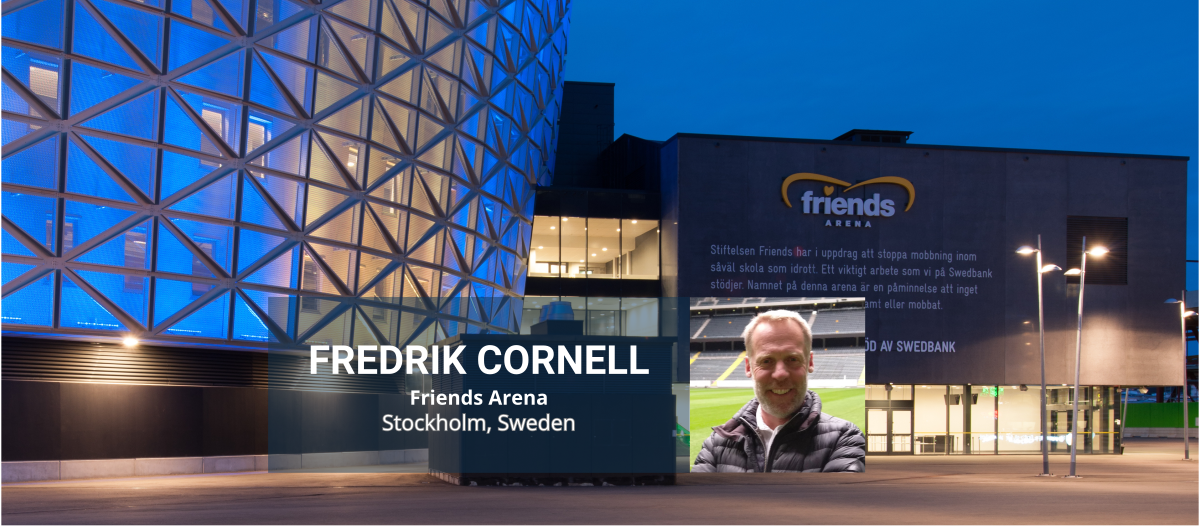
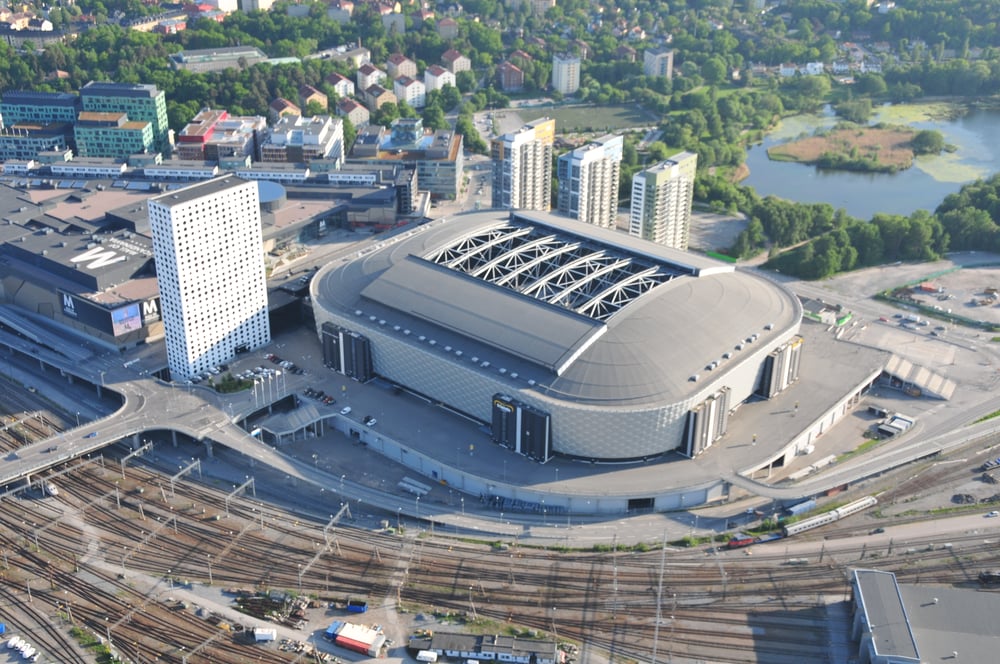
With the ability to hold up to 65,000 visitors and a retractable roof, the Friends Arena in Stockholm, Sweden is one of Scandinavia’s most versatile venues. Opened in 2012, the home of the Swedish national soccer team also hosts numerous concerts and other events. The stadium, which is named in honor of an organization against bullying, also boasts 17 million different color schemes on its lighted façade. Fredrik Cornell and his FM team oversee the Friends Arena.
Tell us about yourself and how you got into FM.
I am the CEO of the facility management company that owns Friends Arena in Stockholm, Sweden. My background is in management roles within property management and aviation security.
 Tell us about your facility.
Friends Arena is a multipurpose stadium/arena with a seating capacity of 50,000 and a total capacity of 75,000 visitors. It opened in October 2012 and is the largest stadium in Scandinavia.
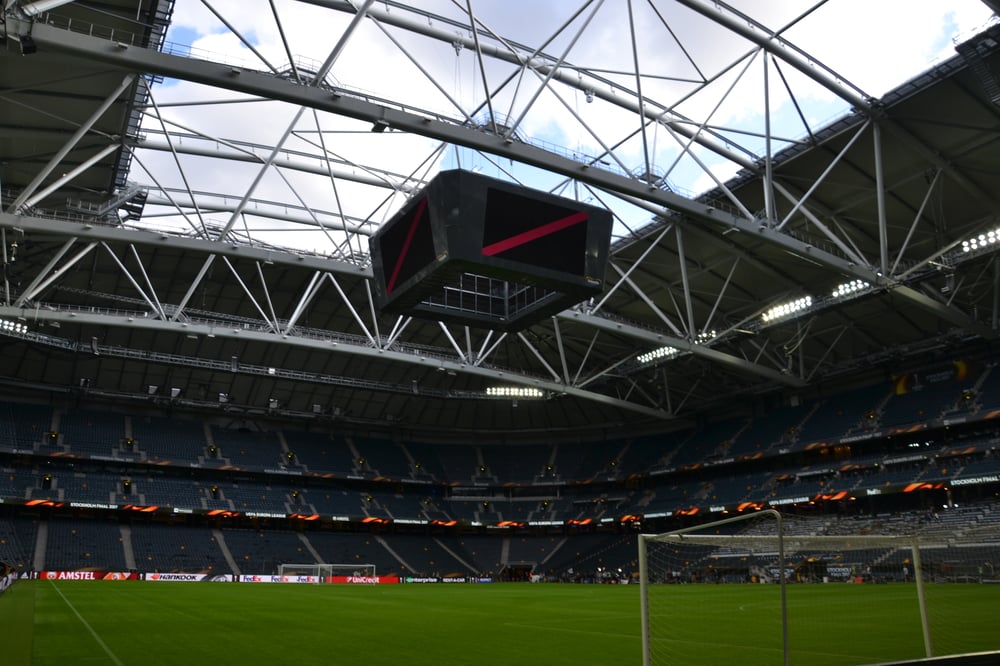
It is an indoor facility with a retractable roof where the opening is the same size as a soccer pitch.
For soccer games we have a natural grass pitch.
 What is day-to-day life like at your facility?
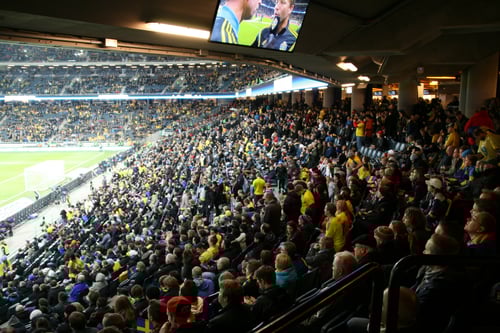
Friends Arena is the home stadium of the Swedish national soccer team) as well as the local club AIK, which is one of the top Swedish soccer clubs.
The national team plays around five games a year at Friends Arena, while AIK 20-25 games. We also host international games such as in 2017 when Friends Arena hosted the Champions League Final between Ajax and Manchester United.
Friends Arena also hosts large concerts with artists like Bruce Springsteen, Eminem, Celine Dion and more. The arena will host concerts with more than 50,000 attendees a few times a year. We also host s some smaller concerts with about25,000 including the Swedish Eurovision Song Contest finals.
We also host trade shows, the Swedish International Horse Show as well as large company events.
What makes Friends Arena unique and what kind of unique challenges do you face?
Friends Arena is a modern facility, so our challenges are to a high extent based upon the nearby infrastructure such as the municipal road system that gets very congested before our events. It is especially bad after our larger events as we have 50,000 people leaving at the same time. This is also related to a limited amount of parking facilities close to the arena. There are also issues around the non-regulated taxi industry in Sweden which tends to congest the whole area around the arena after events.
Another challenge we face is keeping our natural grass turf at a high level throughout the season. As our opening in the roof is the same size as the pitch below the amount of sunlight on the pitch is far too limited. We are also very far up north in Europe and on the same latitude as Anchorage, Alaska, USA. One of my top priorities is finding a lighting system that will make the grass grow better.
.jpg?width=1000&height=536&name=FriendsArena103JasonStrong%20(24).jpg) How much space do you manage and how is it used?
How much space do you manage and how is it used?
There are a number of different types of areas in Friends Arena:
-
Around the arena on the ground level, we manage a garage, loadings docks and an outside staging area
-
Public access is on the third floor (on top of garages and stating areas, basically three stories up) and around the arena is the “entrance plateau” where all doors and staircases are. It is 30-50m (approximately 100-164 feet) wide and circles the arena with wide staircases out to the surrounding areas
-
Three public levels (all reached from the entrance plateau) with food stands and restaurants leading to the three grandstands that seat approximately 20,000, 10,000 and 20,000 respectively.
-
Beneath the third floor (the first public level) and the first stand are all indoor staging areas, locker and storage rooms etc. We have four large bays with truck access to the pitch as well as a two-lane staging road around the arena on the inside.
What kind of challenges do you face with accommodating so many visitors at your events?
When 50,000 visitors leave the arena at the same time, there is a lot of congestion – both in the public transport network as well as on the roads. This is gradually getting better, but these are by far our biggest problems.
Tell us about your FM team.
The FM team consists of electricians, grounds men (taking care of the pitch), a plumber, a painter and a couple of general technicians as well as IT technicians.
How is your facility and FM team meeting and exceeding sustainability initiatives?
Sustainability is one of our three focus areas. Through a focused program we are continuously lowering our energy costs and carbon footprint. We also became certified as sustainable building, rating Very Good in the BREEAM standard system.
 What is the biggest FM challenge you have faced and how did you find a solution?
Ensuring the quality of our natural grass pitch. We have a very focused program in testing and evaluating growth lights to find a sustainable solution that works.
What are some FM challenges you face that are common across the FM industry?
Like other FM programs, our challenges are in hiring, developing and keeping the best staff available. With an extremely low staff turnover, I do believe that we are doing a good job!
What do you like best about what you do?
Coming to work with my team at Friends Arena each morning with a smile on my face is a fantastic feeling. I know I have a great job after spending 35 years in different industries and at different jobs.
This makes the COVID-19 situation hard on my whole team as we now have restrictions on how to meet and when who works with who, at what time and other challenges. But riding this storm out, I believe that my team and I will come out even stronger!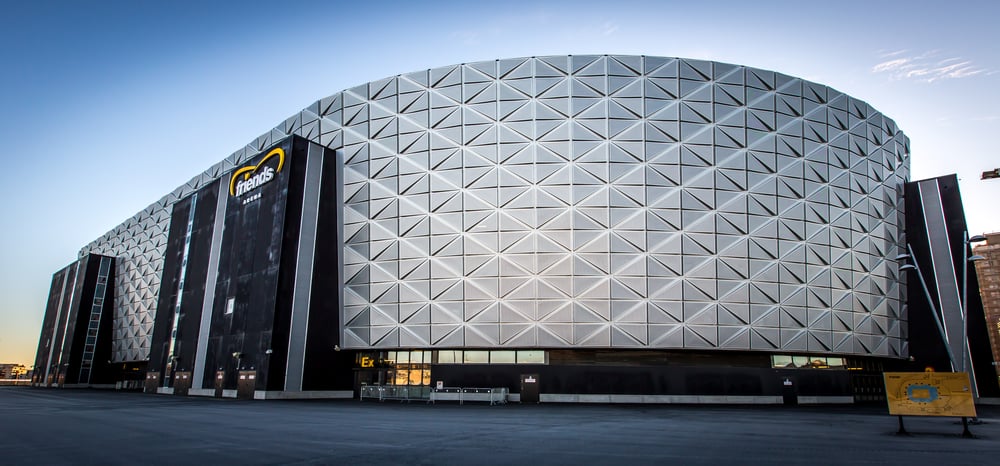
References
Photos courtesy of the Friends Arena.
Read more on My Facility
Explore All FMJ Topics