 Membership
 Network
 Regional Sites & Affiliates


 Events
 Participate
 Resources

 Training
 Credentials
 Government


 Content Channels
 Tools
Tools


 Business Overview




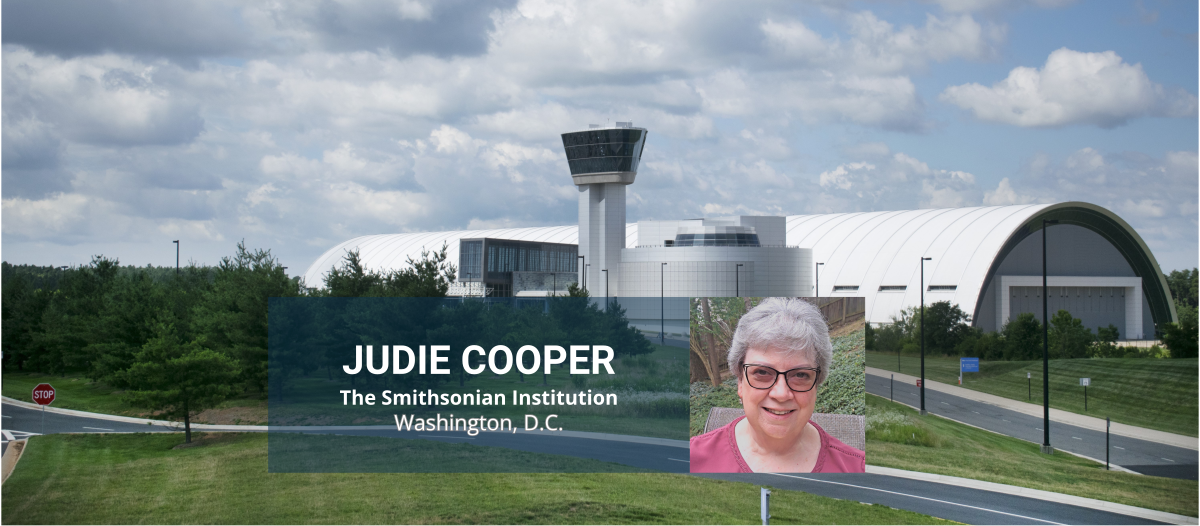
Encompassing 19 museums, 21 libraries, nine research centers, a zoo and much more, the Smithsonian Institution in and around Washington, D.C., USA, is the world’s largest museum, education and research complex. The Smithsonian welcomes 30 million visitors annually into its halls, where they are immersed in cultural arts, sciences, history and nature. The upkeep of the Smithsonian, protection of its holdings, and comfort of its employees and guests falls on Judie Cooper and her FM team.
Tell us about yourself and how you got into FM?
I got into FM the same way many others did, by accident! I was hired to work at the Smithsonian Institution in the Office of Facilities Planning and Engineering Services in 1978, where I assisted with budget work and correspondence. I later moved to what is now the Office of Facilities Management and Reliability (OFMR). In that position, I learned about all administrative and management aspects of facilities – how to fund them, financially manage them, hire, train, manage and lead staff, understand each functional area of facility operations and maintenance; clean and maintain facilities; and articulate facilities’ needs.
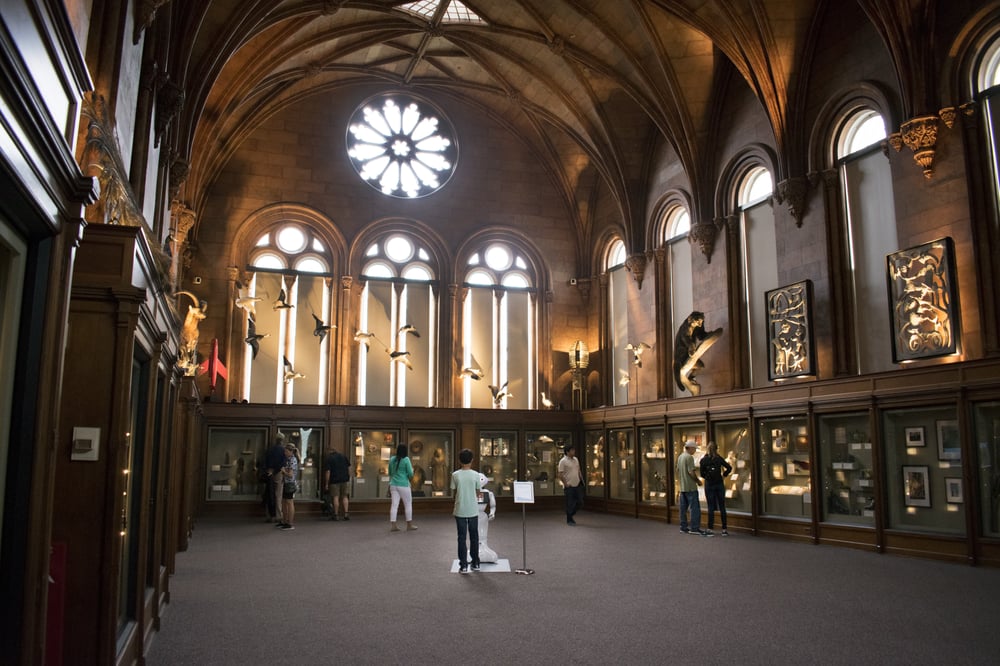 From there, I became the Director of Crafts Services with a staff of 129 skilled crafts and tradesmen serving all Smithsonian facilities – we did everything from preventive maintenance to building exhibitions.
In my current role, I focus on strategic initiatives, learning and development, measuring and improving organizational performance, and supporting organizational improvements. We are facing some very serious challenges in this industry over the next decade. For every three skilled tradespersons who are looking to retire in the next couple of years, there is one skilled tradesperson ready to step into the role. Only 6 cents of every U.S. education dollar is invested in technical education; this will have a very significant impact on our profession and productivity in the future. My greatest pleasure is working with staff and creating opportunities to help them identify a path to grow professionally.
For this reason, our leadership is supporting an initiative we call the Facility Management Academy, which will provide classes for our staff members to help them upskill and reskill in order to be ready to address the challenges of managing, operating and maintaining facilities. We invest in our staff and provide training courses that will help them develop the skillsets to address facility challenges at all levels.
What is the Smithsonian Institution?
We are the world’s largest museum, education and research complex with 19 world-class museums, galleries, gardens and a zoo. The Smithsonian’s mission was clearly stated in the will of James Smithson, an Englishman who left his sizeable estate to found “at Washington, under the name of the Smithsonian Institution, an establishment for the increase and diffusion of knowledge.” In OFMR, our mission is to operate and maintain our cultural facilities and provide services that support the Smithsonian; in other words, we set the stage for the Smithsonian experience.
What is day-to-day life like at the Smithsonian?
No two days are ever the same and that is one of the things I like about FM! There are 6,700 employees at the Smithsonian and another 7,000 volunteers. The FM staff is about 870 people with expertise in just about every area of FM.
 Why is the Smithsonian unique and what kind of challenges do you face?
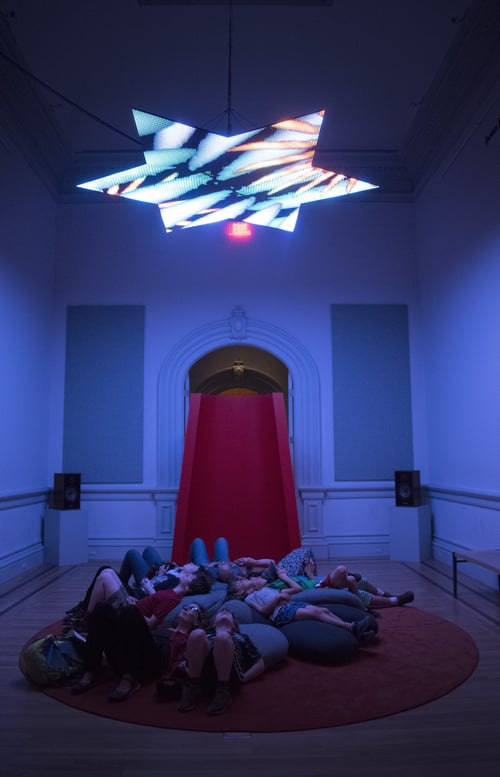
The Smithsonian is unlike any other organization. There are many wonderful museums dedicated to history, the arts, culture, technology, science, humanities, and even specific events or subjects. At the Smithsonian, we seek to be a leader in that arena, and we provide an unparalleled learning experience for our visitors and researchers. We have multiple facilities of varying ages that welcome many people every day (except Dec. 25, the only day of the year we are not open). This level of interest and foot-traffic presents many challenges for iconic facilities.
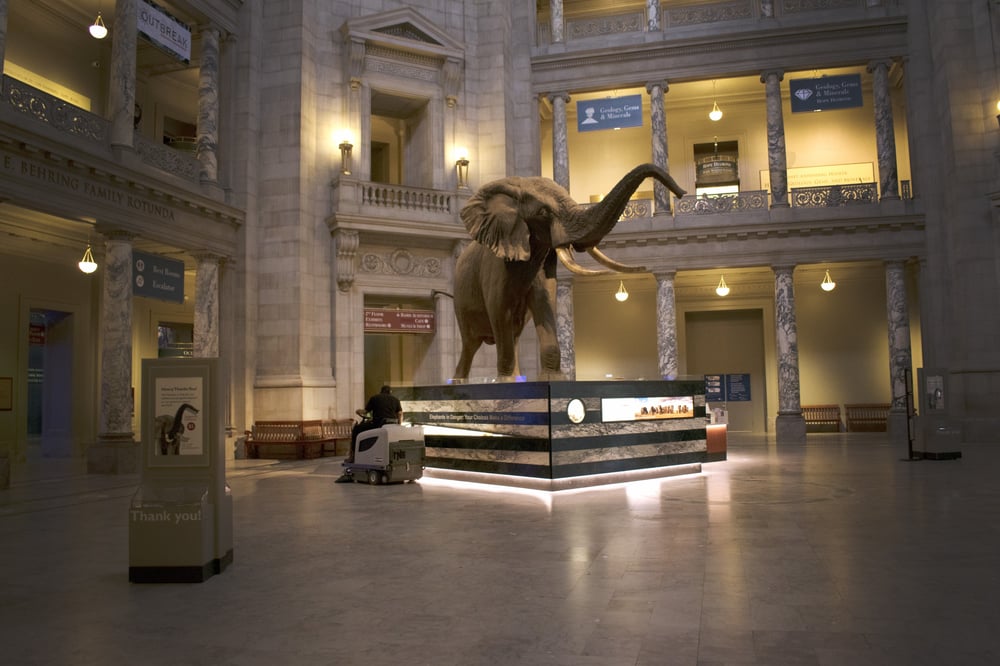
We are visited annually by more than 29 million people. We house collections of unique artifacts in a facility that may be 90 years old, built to accommodate thousands of visitors, yet is visited by millions. Just as any facility that is heavily utilized, our facilities have their challenges. On a hot summer day, the persistent opening and closing of doors lets valuable cool air escape and hot air sneak in. Imagine trying to maintain the proper environmental conditions to preserve irreplaceable artifacts in such conditions. People track dirt and snow throughout these highly visited facilities. Restrooms designed to accommodate hundreds must accommodate thousands. Imagine trying to keep these heavily utilized facilities clean and neat every day. Just to keep things working properly and provide the right environment for the best experience at our facilities takes a whole team of very talented people whose work is far less visible than our exhibitions and research, but nonetheless critical to support the Smithsonian mission.
How much space do you manage?
We manage 13.9 million square feet of space housing almost 155 million objects and specimens on over 28,500 acres of property. Our portfolio also includes almost 2 million square feet of leased space. We are larger than some small towns. In our world, managing an art gallery is a bit different than managing a science museum, which is different than managing the National Zoo with its live collections. Managing space in which important research is conducted is very different than managing public spaces. There are many challenges related to specialty cultural FM.
 What is the biggest FM challenge you have faced and how did you find a solution?
One of the most significant FM challenges is how to best articulate the FM needs of an organization. As facility management becomes more professional, it is imperative that FMs know how to frame their story so that it clearly articulates the FM needs as well as the FM demands. We can share how our funding enhances the visitor experience, protects collections, ensures public safety, ensures more efficient use of funds by performing predictive and preventive maintenance instead of reactive maintenance, and how we can prevent project cost escalation by spending modest amounts now as opposed to potentially significantly larger amounts in the future.
One concern that I have is that FMs sometimes suffer from a collective inferiority complex. There are still some who believe that facility staff should just keep their heads down, make sure the lights work and try to stay out of everyone’s way. They believe that any day that no attention is drawn to facilities is a good day, and that is just not right. We should position ourselves to advocate for the facility requirements of our enterprises. We need to be articulate, clear, engaged, involved and immersed in our larger enterprise so we are viewed as partners and are consulted as the experts we are. People should know that we are critical in helping advance our enterprise.
It does concern me that we sometimes may not make the best facility decision in deference to what we believe may be the needs of the larger enterprise. On occasion, you may need to make a decision that is important from a facilities perspective (such as safety or equipment operation) but may appear contrary to the needs of the larger enterprise, such as continuing to operate an area uninterrupted as repairs are made. These can be hard calls to make if we are not working in partnership with the larger business and are not seen by them as a partner in advancing the business.
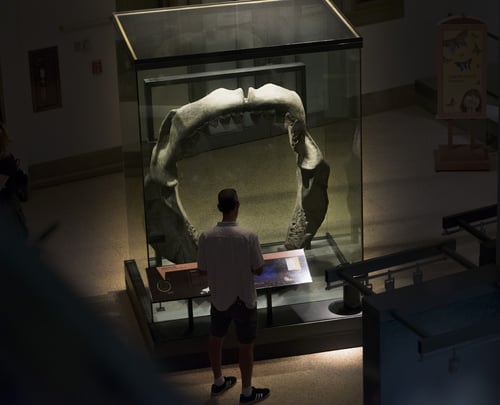 What are some FM challenges you face at the Smithsonian that are common across the FM industry?
No facilities department has enough resources – people, time or money. We would all like to have more of each, but we know that is not likely; so, we should focus on how we can utilize what we have to make the most productive and positive impact on our enterprise.
Deferred maintenance and facility condition assessments are definite concerns. Keeping maintenance current is important in controlling costs. Knowing asset conditions supports identifying and ranking facility requirements to prioritize projects. Understanding and managing funds in terms of maintenance and capital is critical so that both types of requirements are clearly understood, planned and communicated.
We would benefit from improving communication among facilities staff. Within facilities, we can recall times a project has been designed with little regard to the people who maintain it, when there has been inadequate communication between the designers and the end users, or times that commissioning has not gone well.
What do you like best about what you do?
Every day is unique and challenging. Every job has some aspects that may seem uninteresting or robotic, but in facilities there are always challenges and opportunities to share and explore new and different ways of seeing and responding to situations. I love working with people to identify opportunities to learn and help position people for the future.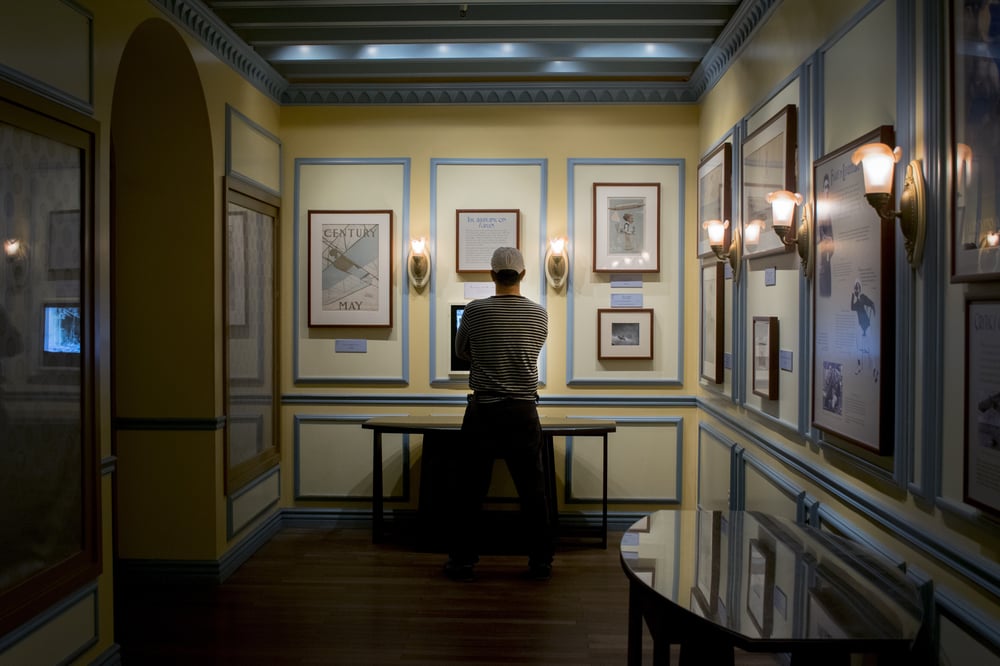
References
Images courtesy of the Smithsonian Institution.
Read more on My Facility
Explore All FMJ Topics