 Membership
 Network
 Regional Sites & Affiliates


 Events
 Participate
 Resources

 Training
 Credentials
 Government


 Content Channels
 Tools
Tools


 Business Overview





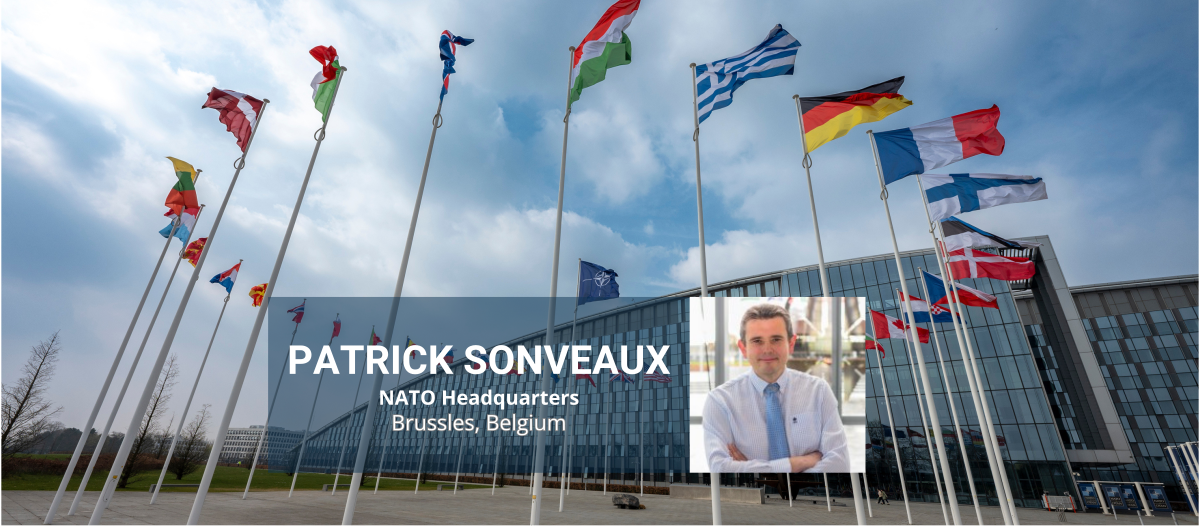
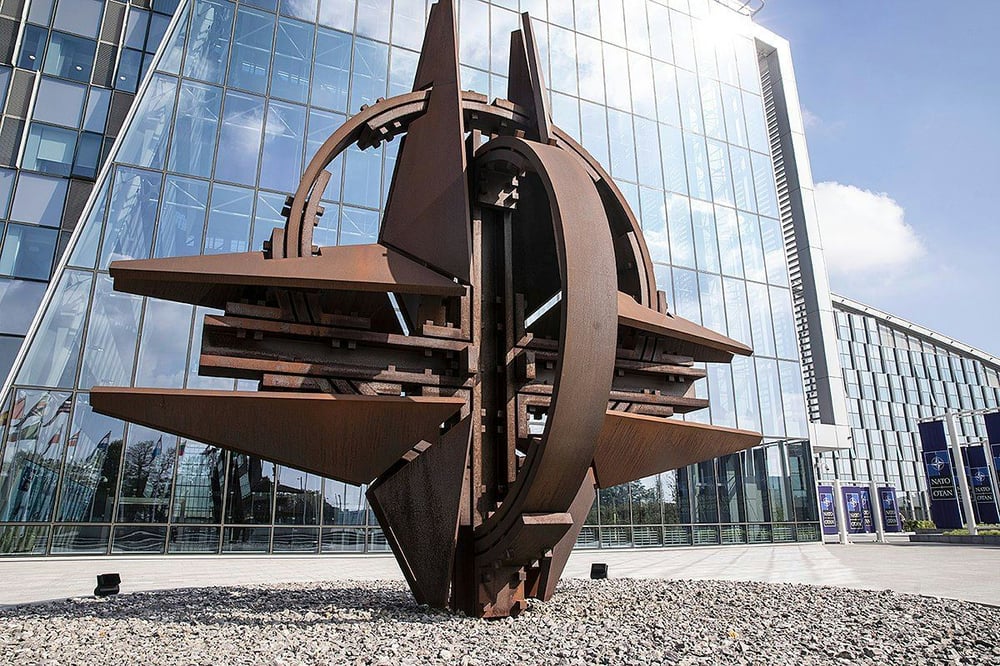
Completed in 2016, NATO headquarters in Brussels, Belgium houses the delegations of its 30 member countries. The organization was formed in 1949 as a collective security agency. Patrick Sonveaux and his team manage the day-to-day operations of the facility, working around different cultures, highly sensitive security and technology.
 Tell us about yourself and how you got into FM.
I have been working for more than 20 years in FM.
In my first job, I was given the responsibility of facilities projects, yet I had no idea what this area covered. I started at a key moment when new methods of FM were being explored and new IT management tools were emerging. I learned quickly and have not left facility and real estate management since.
While some of my friends may think, what a job – organizing cleaners, movers, maintenance – I realize that FM has become a passion for me over the years.
 What is day-to-day life like at NATO Headquarters?
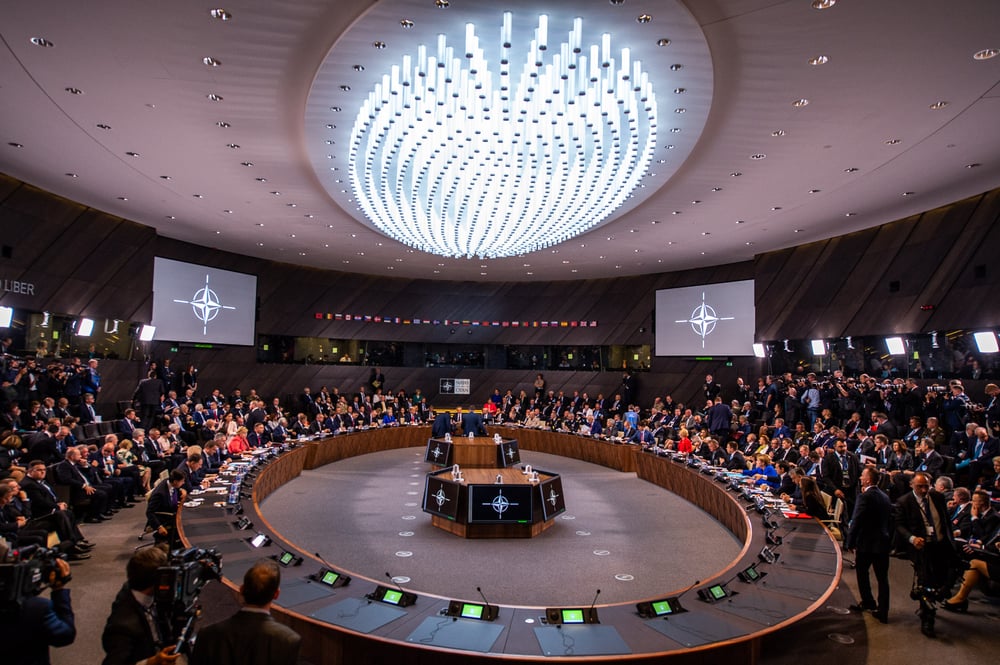
My day-to-day work is directly impacted by what’s happening at NATO. NATO HQ supports the organization of more than 5,000 official meetings, plus meetings that bring together 30 heads of state on site.
We make things work and provide the best service. Being invisible yet always present is what guides us.
In parallel, we are using our building technologies and 3D modelling (BIM) (more than 100,000 pieces of online building information, known as IOT) to improve the comfort of building occupants and to improve the efficiency of the building. We have an essential role to play in NATO’s climate change project.
Annually, we develop corporate initiatives such as installing bee houses, organizing mobility actions (encouraging commuting by bike and kick scooter, for instance) and launching a waste-reduction week to get our occupants more involved in this challenge. It is a good way to get in touch with our occupants and explain what FM is doing to support the building and the user.
What makes NATO H unique & what kind of challenges do you face managing the space?
One of the major specificities of the site is that it is home to the embassies of the 30 member nations, spread over the various wings of the building. To house its staff and delegations, each nation has its own private space. My teams and I do not have free access, but we’re responsible for maintaining these spaces. Everything must be negotiated, planned, announced and authorized, and everyone must be accompanied by a security escort, whether for cleaning, repairs, fitting out, etc. We make agreements with each nation for different levels of various services. Out of the 30 nations, four have chosen to operate independently with their own technical facilities and internal services. We just provide hot/cold water and electricity; everything else is handled by the nation.
 How much space do you manage and how is it used?
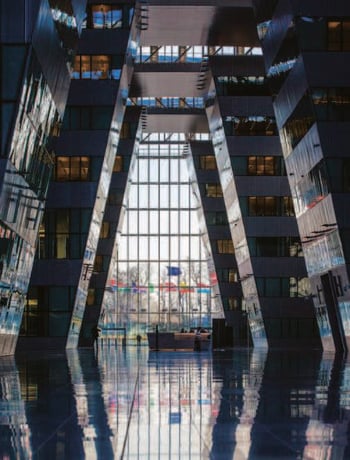
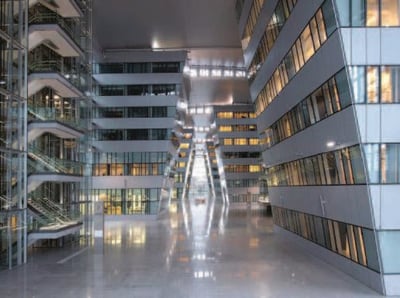
Designed to resemble interlocking fingers, the new headquarters symbolizes NATO’s unity and cooperation. With more than 254,000 m2 of space, the new headquarters accommodates around 4,000 people and supports the yearly organization of more than 5,000 official meetings. It brings into one workspace the diplomatic and military delegations from 30 Allied nations, together with NATO civilian and military staff.
Some facts and figures:
-
Gross surface area: more than 254,000 m2 of floor space
-
Glass surface area: 72,000 m2
-
Structure of the building: 8 long wings (168 m long and 18 m wide) and 4 short wings (76 m long and 18 m wide)
-
Agora (central hallway linking all wings): 45 m wide, 245 m long, 32 m high
-
Number of floors: 7 in the long wings, 4 in the short wings
-
Conference rooms for official meetings: 18 (13,500 m2)
Tell us about your FM team.
I lead a team of 70 people to provide all the non-IT infrastructure services in addition to the facilities services, the operation and technical maintenance of NATO Headquarters to meet the needs of all occupants.
Over recent years, we have strongly increased our use of outsourcing, and we are now focusing on the supervision, control and monitoring of FM activities. We want to keep the knowledge of the building inside the organization. We also have a minimum intervention capacity for responding to all the urgent issues in the building.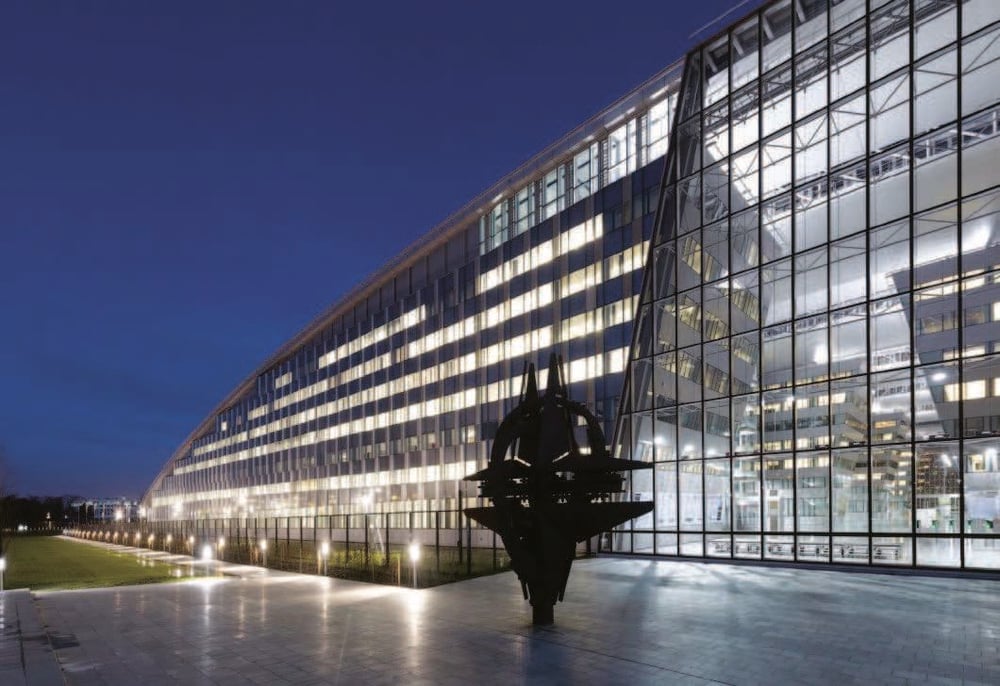
What is the biggest FM challenge you have faced & how did you find a solution?
My biggest challenge was the takeover of the new NATO HQ facilities, the set-up of all the facilities services and hosting in parallel a Summit of 29 Heads of State, which involved leading and coordinating all the logistic and support activities, from transport services to the build-up of more than 15,000 m²of temporary spaces.
These achievements were not done alone and required having an amazing team and contractors on board working together.
In a lot of ways, we are the same as any other FM. Our FM world is in perpetual change. We must adapt to the evolution of technologies, to the increase in flexibility in general, to the evolution of society (e.g., Generations Y and Z), to climate change and always provide the most adequate workplace environment with a smile.
How has COVID-19 changed the way you & your team operate NATO HQ?
We cannot believe that something could never happen and invest time that often you don’t have in preparing for unexpected situations.
As an FM organization, we always must adapt our capacities to the situation. Being well prepared allows you to focus more on the next steps, to anticipate any situation and to better communicate with your occupants.
COVID-19 has highlighted the importance of listening carefully to the voice of the occupant. We are indeed on the front line and have a role to play in reassuring people, but also in considering relevant suggestions and ideas that they propose.
How does security shape the way you are able to perform your day-to-day duties?
The security constraint conditions a lot of things and weighs on the very functioning of the facilities internally.
Any person entering the site must either have a security clearance (which takes time to obtain) or be under security escort. These constraints require us to thoroughly coordinate each activity in the building and be creative in-service provision to find alternatives and solutions.
What do you like best about what you do?
We are really playing the role of enablers, and this has been again demonstrated during the COVID-19 crisis (people behind the scenes, such as cleaners, technicians, caterers are also essential).
It is extremely challenging and is one of the reasons why I believe that FM is exciting.
References
All images courtesy of NATO.
Read more on My Facility
Explore All FMJ Topics