 Membership
 Network
 Regional Sites & Affiliates


 Events
 Participate
 Resources

 Training
 Credentials
 Government


 Content Channels
 Tools
Tools


 Business Overview





My Facility: Wouter Couvens
Royal Museum of Fine Arts, Antwerp, Belgium
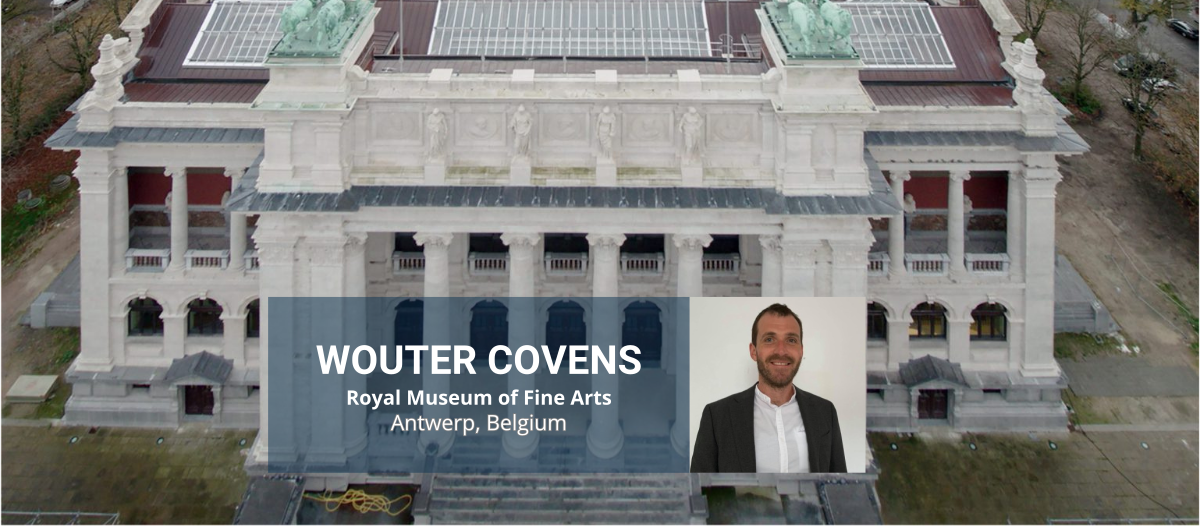
Founded in 1810, the Royal Museum of Fine Arts Antwerp is home to pieces from some of the most important artists from the 15th century onwards. The museum has been closed since 2011 for renovations, off ering FM Wouter Covens and his team a unique opportunity to reimagine the space when it reopens. When visitors are able to reenter the neoclassical building, they will be treated to works and masterpieces from Jan van Eyck, Peter Paul Reubens, Rene Magritte and many more.
 Tell us about yourself and how you got into FM.
As an engineer, I was always interested in buildings and how they work from a technical point of view. I started as an engineer for HVAC and energy projects for the city of Antwerp in 2009; this gave me the opportunity to get to know various types of facilities such as swimming pools, museums, administrative centers and schools, and the technologies used to make them work for their users. In 2012, I was appointed as coordinator of buildings for a high school in Antwerp and later as a team manager infrastructure for the University of Antwerp. During this time, I learned more practical and technical aspects of buildings.
What I really like in buildings and building technology is the variation; almost every smart thing invented can be used in buildings and therefore, it also belongs to the FM world.
We ensure the building works for every user. To me that is not only the technical aspect, but also ensuring it is clean and the logistics are efficient.
In the museum context, this means our facility supports the visitor experience and the conservation of masterpieces.
What is day-to-day life like at the museum?
Covens: At this point the museum is still closed due to ongoing renovations. As FM, I am involved in renovation projects and I am preparing for the reopening of the museum. A lot of my time is also in the preparation of tenders for various contractors. Due to the renovations our organization had to move to other buildings, so this also means facility work for those sites. We have a library that still operates, an external art depot with offices and an extra depot for materials.
We also host events and have sponsor visits.
Every day is a busy day and brings new challenges. In FM you must always be prepared for anything. Our current team consists of 10 people. This will expand to about 30 people, including security before reopening.
 What are the challenges and advantages of managing a facility that has been closed to the public for 10 years?
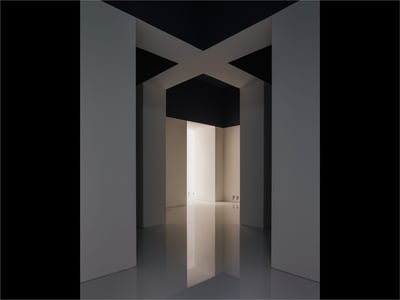
Covens: Over the past 10 years the building has totally changed, and much of the FM team’s operational knowledge was lost as personnel changed. This means we only have a small basis of experience of how the open museum will really work and this experience is dated. As a leader, it will be a challenge to address this uncertainty.
Moving back into the museum will be a challenge, but the biggest challenge will be our agility towards the things that we did not foresee.
What makes the museum unique challenges do you face managing the facility?
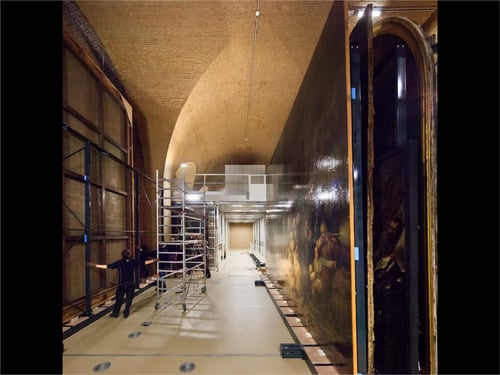
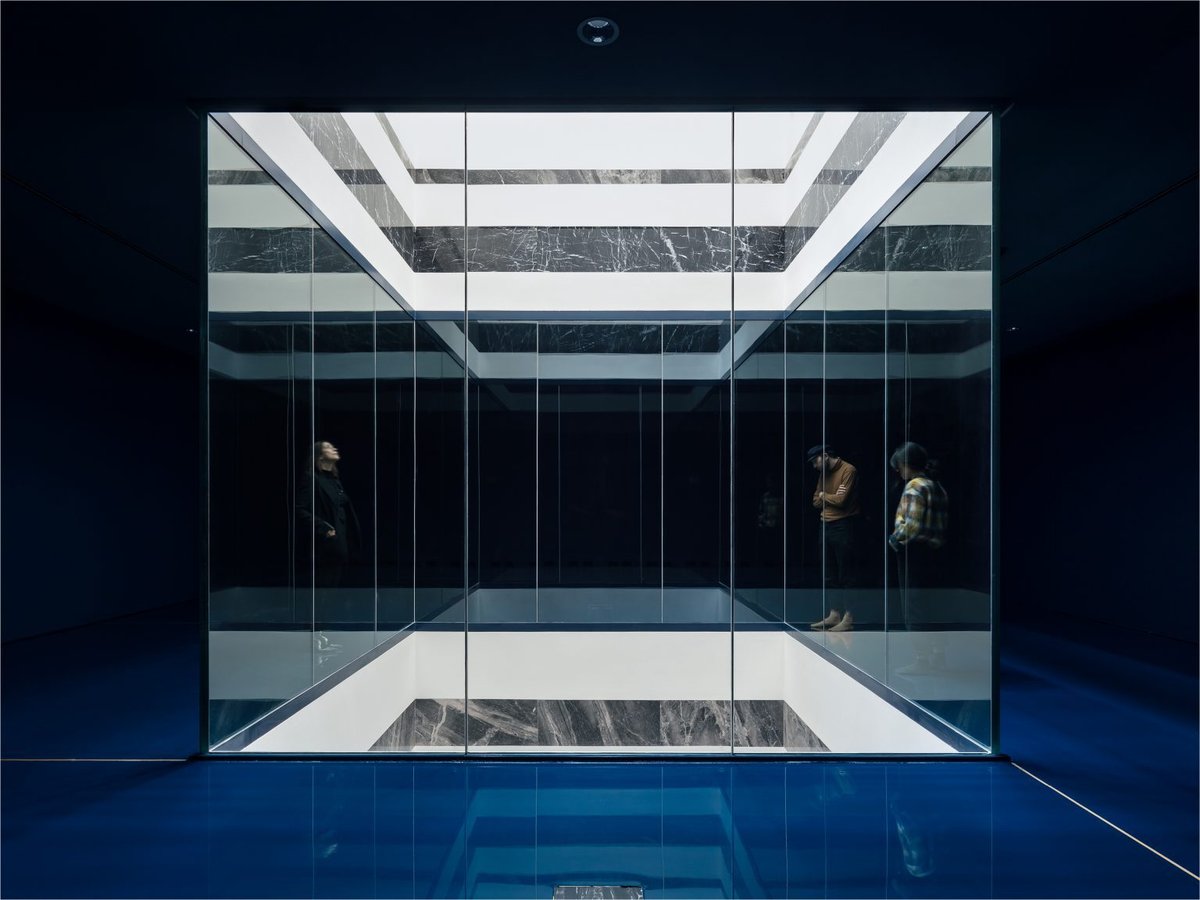
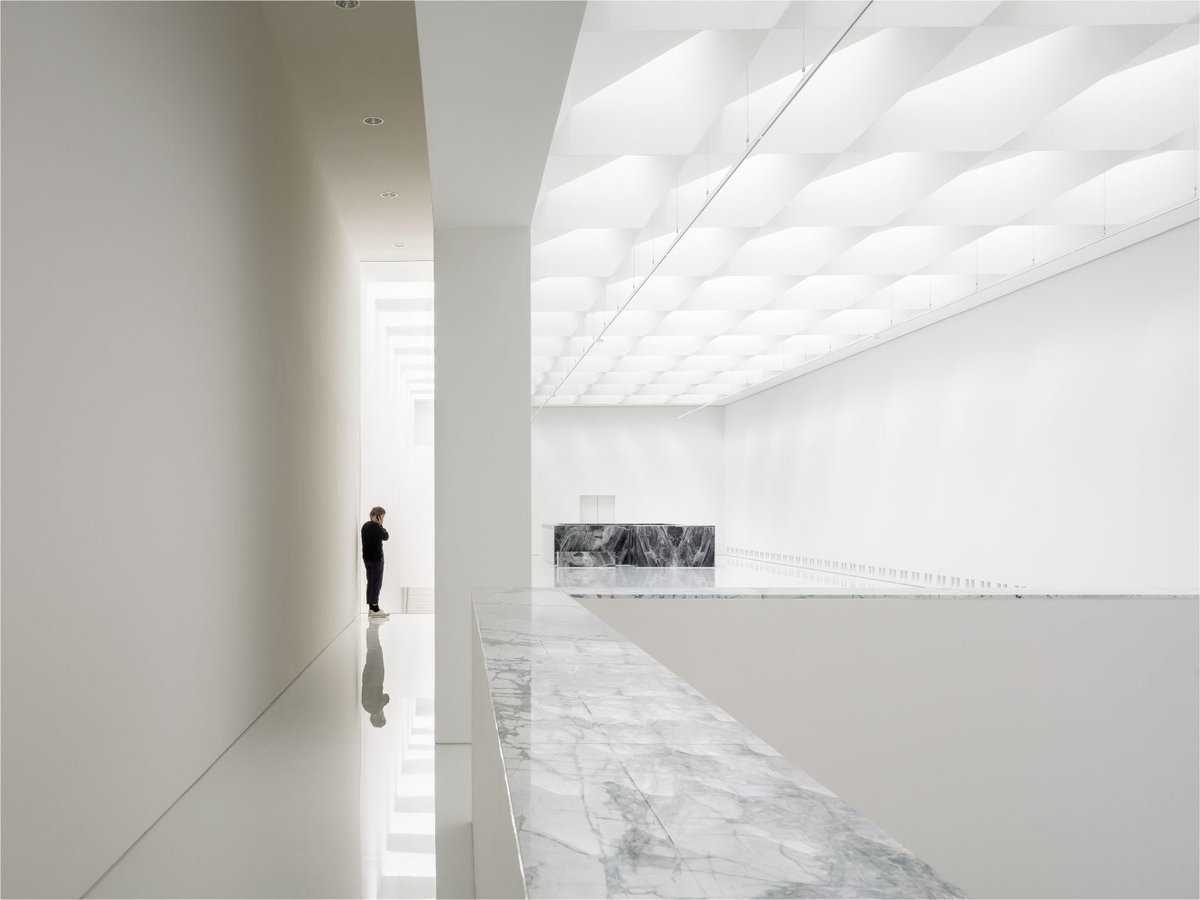
Covens: The architecture of the building is unique, which means that the maintenance is very demanding. For instance, the high ceiling rooms require automatic platforms and racks and people who can operate or install them. In this respect there are skylights that will be challenging to clean, and special fit-to-size racks will have to be developed to make it possible.
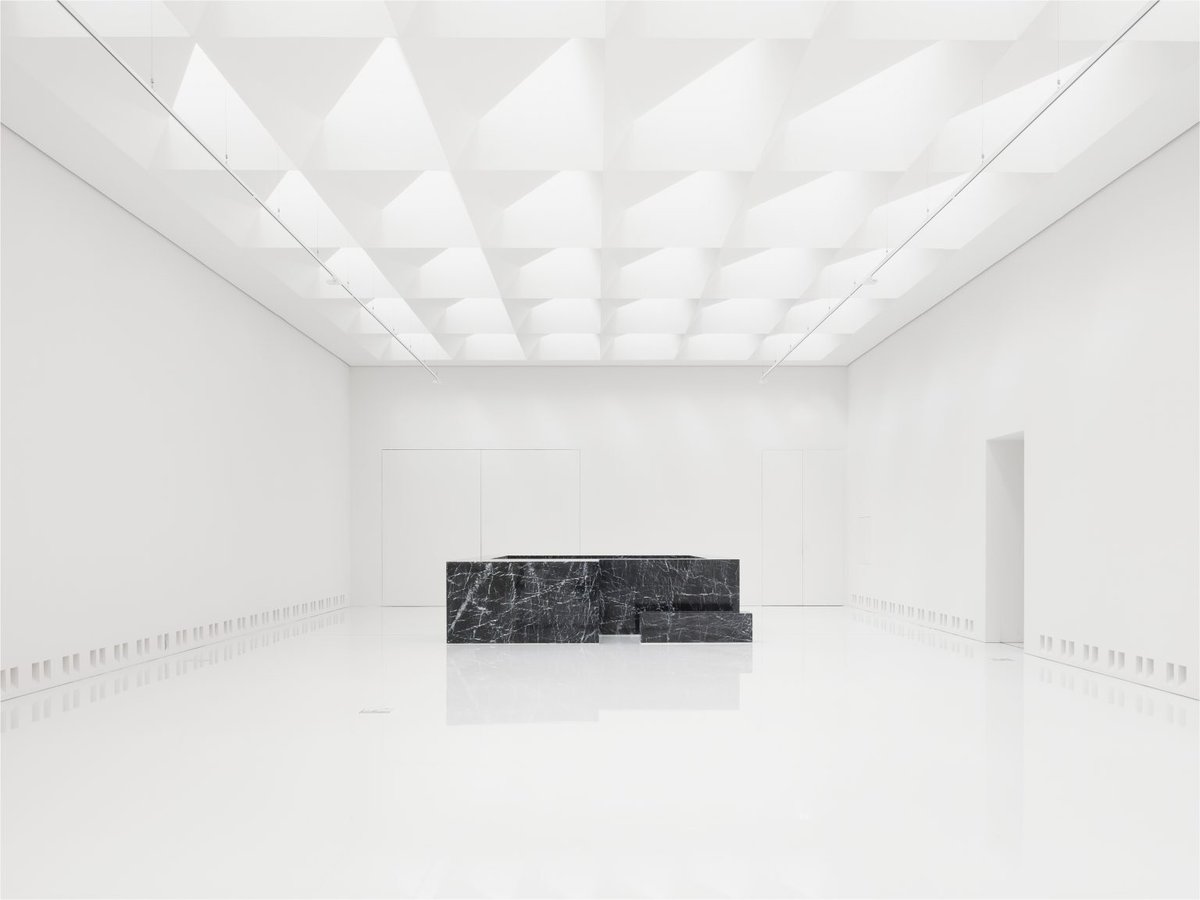
White, high glare floors present a higher demand for cleaning than regular floors any small particle of dirt is visible.
The climatization of the exposition rooms is unique and we are learning how it works and how to operate it. Fortunately, we can test and finetune it for more than a year before opening. The time will certainly be needed.
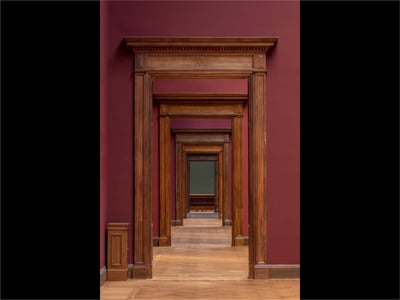
In a historic building, there are various special demands: mosaic floors have specific cleaning and maintenance instructions, ornaments and façade will have a maintenance plan in cooperation with governmental monuments care, historic doors present challenges towards security but also towards airtightness, etc.
The building also poses specific challenges: we have the exposition rooms, depots, a library, a shop, a restaurant, office spaces, and research spaces, including a room where we will be able to do Röntgen investigation on paintings. Each of these areas requires a different set of needs.
Due to the architecture and high demands on fire safety and security, we are confronted with difficult choices. Evacuation in a museum is not as free as evacuation in an office; we do not just open all the doors. Our procedures and calamity plan also have an art preservation component.
 How much space do you manage and how is it used?
We manage about 31,000 square meters of space. The challenge at the museum is not so much the size as it is the high standards. A museum must be super clean, state-of-the- art climatized, super secure and perfectly lit. It all adds to the museum experience and the care for the historical artwork and cultural heritage. The bar is very high, and we try to push it higher.
 What is the biggest FM challenge you have faced and how did you find a solution?
It is difficult to name the biggest challenge as every challenge is important and therefore big. There is a solution to every problem.
One ongoing challenge is the preparation of our operational structure for the opening of the museum. Defining floor management and all related positions is a big mountain to climb. Our security positions will depend on variables like the number of visitors and type of event. Integrating scenarios into a working operational structure is far from simple. We are caught between costs, security, hospitality and other factors while working with scenarios that have not been tested into practice as the museum was closed for more than 10 years.
We will have to adapt and change some of our assumptions shortly after opening and then review them regularly in the following years.
 How has COVID-19 changed the way you and your team operate your facility?
At the beginning of the pandemic, there were some urgent issues every facility manager addressed such as signage, decontamination, masks, new procedures and more.
We have also reviewed our circulation plans for the museum in case the pandemic or another is present at the time of opening. We have detailed plans involving some structural changes in the entrance and exit zones of the museum. We really hope that we will never need to use these plans.
How does security shape the way you are able to perform your day-to-day duties?
Security and facility are both my responsibilities, and both present the opportunity to gain time and efficiency in our daily operation. The security of the building and the artworks has a significant impact on how we take care of our facility. Every contractor that visits is registered and will not be left alone in the building. The cleaning of the building must be supervised and planned in around alarm groups.
 What are some FM challenges you face at the museum that are common across the FM industry?
The bar is very high at the museum, but in general the problems we face are all the same. We all want our facility to work for the users and to serve its goals. It is all about running the management cycle of planning, doing, checking and acting every day. We are continuously improving our operation and constantly adapting to new situations.
What do you like best about what you do?
I like that not one day is the same as another. We have so much variation in the building — historical and modern, public and private — that we must also maintain alongside the technical and functional aspects. I also like being a part of the museum and its artwork. Being able to work for these beautiful masterpieces is an energy boost like no other.
References
Photos Courtesy of the Royal Museum of Fine Arts
Read more on My Facility
Explore All FMJ Topics