Membership
 Network
 Regional Sites & Affiliates


 Events
 Participate
 Resources

 Training
 Credentials
 Government


 Content Channels
 Tools
Tools


 Business Overview





Nature Works Better
Using biophilic design to shape workplace well-being

Workplaces filled with green spaces and biophilic design tell a story that can instantly shift the mood of visitors and occupants. The air feels fresh; light seems warmer. Even the sounds become gentler, as if the space itself has exhaled. Biophilic design incorporates a kind of magic that does not shout for attention yet transforms a workplace. What once began as simple decoration has now grown into a global movement toward healthier, more human-centered living and working environments. Science, psychology and design all point to one truth: workplaces need plants.
In recent decades, science, psychology and design identified deeper ways in which greenery influences human health, productivity and emotional well-being. The simple act of introducing plants into indoor environments, whether it is homes, offices or commercial spaces, creates a subtle but profound transformation. They do not just decorate; they nurture, calm and connect people to nature’s rhythms – aspects displaced by modern, technology-driven lifestyles.
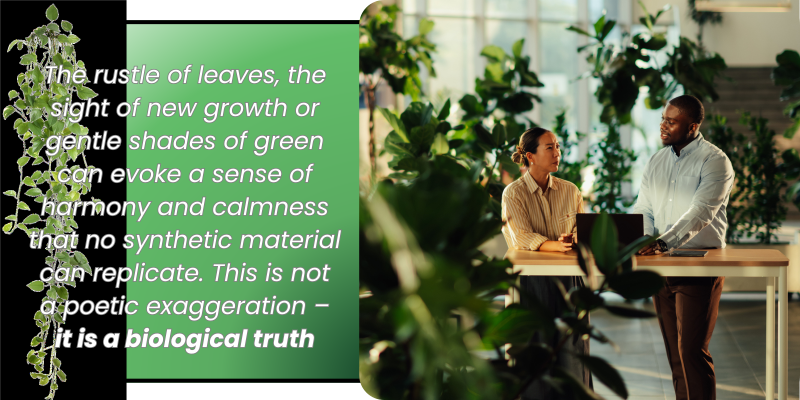
The presence of indoor greenery satisfies an innate human instinct known as biophilia – the deep, evolutionary connection humans have with nature. Even when confined to urban environments or artificial settings, people instinctively crave visual and sensory cues from the natural world. The rustle of leaves, the sight of new growth or gentle shades of green can evoke a sense of harmony and calmness that no synthetic material can replicate. This is not a poetic exaggeration – it is a biological truth. Researchers from the University of Technology Sydney discovered that introducing indoor plants into office environments reduced tension and anxiety by 37 percent, depression by 58 percent and fatigue by nearly 40 percent. Such numbers highlight the quiet power of plants in reshaping how people feel and function in the spaces where they spend most of their lives.
 Offices that integrate plants into their design are more than just visually appealing; they are emotionally restorative. The sterile white walls and fluorescent lights of conventional workplaces can drain focus and creativity. However, when plants occupy corners, desks or vertical spaces, the psychological atmosphere shifts.
Employees report greater satisfaction, increased attentiveness and a sense of vitality that cannot be achieved through design alone. Studies from the University of Exeter further confirmed this effect: productivity rose by 15 percent in workplaces enriched with plants. The presence of greenery subconsciously communicates care and vitality and signals that the environment is alive and, therefore, so are its people. Even the simple act of caring for a plant, watering, pruning or noticing new leaves creates a moment of mindfulness, offering brief but valuable relief from the pace of modern work life.
The aesthetic role of plants is equally powerful. They bring dimension, color and organic texture to built environments. Designers and architects consider live greenery as integral elements of spatial planning, not just finishing touches. Plants can soften hard architectural lines, transform sterile hallways into inviting zones and turn glass-heavy offices into natural sanctuaries. This merging of function and beauty lies at the heart of biophilic design, a movement that promotes integrating nature into architecture to improve human well-being.
 In contemporary workspaces, plants create vertical gardens cascading across walls, hydroponic systems double as dividers and moss walls function as natural sound absorbers. The physical and emotional warmth that plants add to spaces redefines how people perceive and interact with the surroundings.
From an environmental standpoint, indoor plants quietly perform essential ecological services. NASA’s famous Clean Air Study in the late 1980s established that many common houseplants function as biological air filters. Peace lilies, snake plants and spider plants were found to remove harmful pollutants including benzene, formaldehyde and trichloroethylene from chemicals commonly emitted by paints, plastics and cleaning products.
Indoor air can be two- to five-times more polluted than outdoor air, making plant function more critical than ever. Plants absorb toxins through their leaves and roots, metabolizing them and releasing fresh oxygen. This natural filtration process mitigates the symptoms of what is known as sick building syndrome, reducing headaches, eye irritation and fatigue. In essence, plants are miniature air purifiers that also happen to be beautiful.
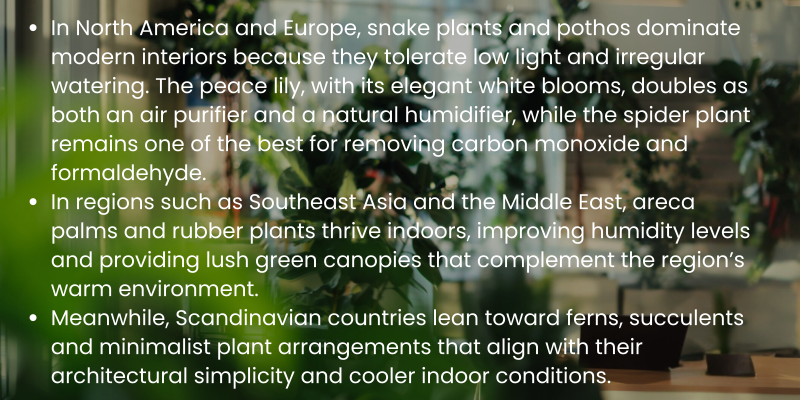
Specific plant species are staples for indoor use due to their adaptability, resilience and proven health benefits. The peace lily, snake plant, pothos, spider plant, rubber plant, ZZ plant and areca palm top the global list of favorites.
The value of indoor plants goes beyond species preference or design trend; their influence on human psychology varies depending on their type, color and form. Studies from the Royal Horticultural Society and the University of Reading revealed that broad-leafed green plants such as philodendrons and ferns promote relaxation and mental clarity, while flowering plants like orchids and anthuriums elicit feelings of excitement, vitality and joy.
The human brain responds instinctively to color and shape. Soft green tones reduce heart rate and cortisol levels, while bursts of floral color stimulate dopamine and serotonin: the brain’s “happiness chemicals.”
Research published in the Journal of Physiological Anthropology demonstrated that simply touching or watering plants can lower blood pressure and anxiety, producing measurable improvements in mood and attention. Plants with larger, more rounded leaves foster comfort and calm, whereas those with vibrant blossoms or distinctive fragrances awaken creativity and focus.
The physiological benefits of plant exposure are equally tangible. The University of Hyogo in Japan found that workers who took short breaks to observe or care for desk plants experienced notable reductions in heart rate and stress levels.
Similarly, Washington State University reported that employees surrounded by greenery experienced a 12 percent faster reaction time in computer-based tasks, suggesting that plants can sharpen mental performance.
The National University of Singapore confirmed in a 2022 study that flowering plants evoke enthusiasm and happiness, while dense foliage enhances focus and calm. Meanwhile, the University of Melbourne discovered that looking at plants for just 40 seconds before performing a task significantly improves attention span and concentration. These studies collectively affirm what people intuitively know: plants make them feel and perform better.
Different plant species interact with indoor air and human comfort in unique ways. Bamboo palm, dracaena and Boston fern are particularly effective at regulating humidity due to their high transpiration rates, making them valuable in air-conditioned or dry environments. Aloe vera, a plant celebrated for its healing gel, also absorbs airborne toxins and releases oxygen at night, improving air quality in bedrooms and supporting better sleep.
Aromatic plants such as lavender and rosemary go a step further by influencing mood and cognition through scent – lavender calming the nervous system, rosemary sharpening memory and alertness. Such subtle sensory contributions make plants not only aesthetic choices but functional companions that enhance daily life in measurable ways.
The environmental and architectural advantages of indoor greenery extend to sustainability and building performance as well. Plants help regulate temperature and humidity, which can reduce energy use for heating and cooling. They absorb sound, lowering background noise in open-plan offices and urban apartments. By shading sun-exposed windows, large potted plants can reduce solar gain and contribute to passive cooling strategies.
These benefits have made indoor plants a key component of green building certifications like LEED and WELL, both of which recognize the role of biophilic design in improving occupant well-being. In the EMEA region, corporations are investing heavily in green workspaces not as a luxury, but as a necessity for sustainable operations and staff wellness. Companies like Amazon, Google and Microsoft have integrated living walls and garden zones into their offices, reporting not only higher employee satisfaction but also measurable gains in productivity and retention.
The global popularity of indoor plants also reflects cultural interpretations of nature. In Asia, bamboo and jade plants are prized for symbolizing luck, prosperity and harmony. In the Middle East, the areca palm and rubber plant are seen as signs of luxury and endurance. Scandinavian interiors often feature sparse arrangements of ferns and succulents to maintain visual calm. Across all these settings, plants bring balance, serenity and vitality to human-made spaces. Their beauty transcends culture, acting as a universal language of life and renewal.

At a deeper level, humans’ relationships with indoor plants reveal how much people rely on nature to feel whole. In a world dominated by screens, glass towers and artificial light, a small patch of green becomes a window to something larger. Watching a leaf unfurl or a flower bloom demonstrates life grows quietly, even amid human busyness. The psychological comfort derived from this connection cannot be overstated: it grounds people, reminding everyone that humans are part of nature, not apart from it.
Ultimately, the global diversity of indoor plants mirrors the diversity of human experience. Whether it is the peace lily gracing a European apartment, the ZZ plant thriving in a Middle Eastern lobby or the pothos cascading across an Asian balcony, each species contributes uniquely to the human environment. By selecting plants thoughtfully, matching their biological traits to air quality needs, climate conditions and emotional effects, facility managers can design spaces that breathe with their occupants, think with them and heal with them.
Indoor greenery, when understood and used intentionally, becomes more than décor. It becomes a living system of balance and renewal. It filters the air, soothes the mind and reawakens the sensory connection to life that is often dulled by urban living. As science validates what intuition has long known, one truth becomes clear: to bring plants indoors is to invite nature back into daily existence. They are quiet partners in humankind’s pursuit of well-being – green companions that cleanse, calm and remind people of the beauty and intelligence woven into the living world.

Aykean Forde CFM SFP, FMP, MBA, MA, is the facilities director of The International School Port of Spain in Trinidad & Tobago (grades Pre-K-12). Forde serves as a trustee of the IFMA Foundation, is an IFMA Qualified Instructor and a past member of the IFMA Global Board of Directors. An ambassador of FM, she passionately serves and collaborates with others to positively impact workplace experience while leading organizations towards making their vision a reality. She has also spoken at conferences in Trinidad and Tobago, the Bahamas and the U.S.

Izzat Ali Khan, SFP, FMP, is the general manager at EFSiM Facilities Services. A seasoned FM professional, he is passionate about creating a positive impact in business through sustainability. He focuses on integrating sustainability and innovation in businesses to build the FM industry and make the world a better place to live.
Read more on Occupancy & Human Factors , Workplace and Sustainability or related topics Space design and planning , Occupant Health and Sustainable Facility
Explore All FMJ Topics