 Membership
 Network
 Regional Sites & Affiliates


 Events
 Participate
 Resources

 Training
 Credentials
 Government


 Content Channels
 Tools
Tools


 Business Overview





Navigating the China Recycling Ban
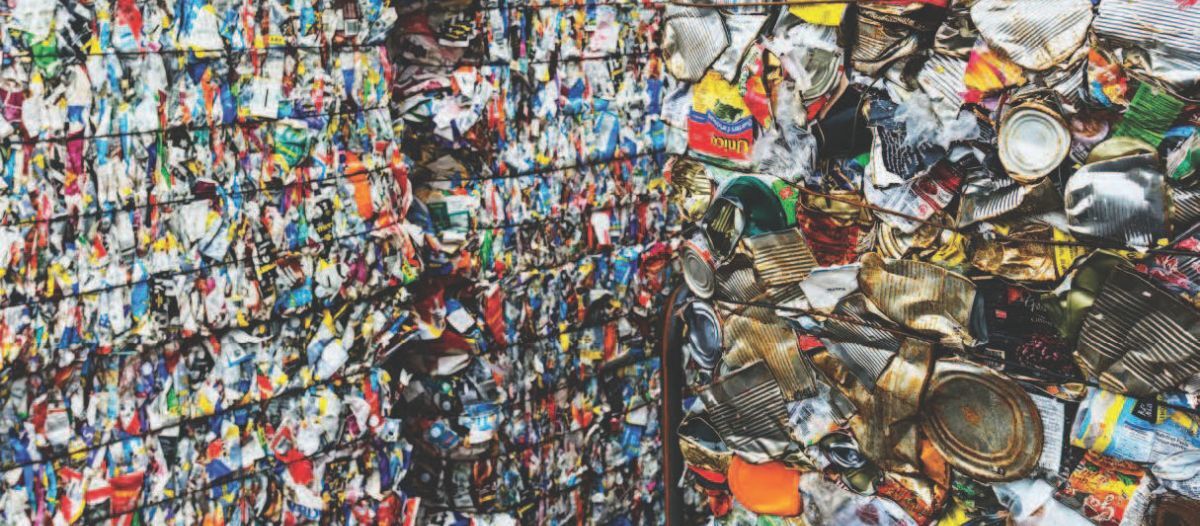
Costs associated with global recycling programs were on the rise in 2018, and rumblings about changes in how recyclables are processed have been hard to miss. To understand these recent changes, it is important to review the history of waste importing and exporting leading up to the Chinese ban on certain recycling materials.
Many wealthier countries have been shipping recyclable commodities to China for the past two and a half decades. In 2016 alone, China processed 7.3 million tons of the world’s recyclable commodities, including used plastic, metals and paper. However, in 2018, China decided to stop buying these materials from Japan, the United States, the United Kingdom and various other countries due to the large amount of contamination in these material streams. Contamination is when unwanted trash ends up in a recyclable material stream. For example, styrofoam mixed together with cardboard.
Why the ban?
From their point of view, China has an understandable reason to impose the latest restrictions. As a country with the largest population and the second largest economy in the world, the sheer amount of people and businesses already located within the country that produce domestic waste result in near toxic levels of pollution in some of the more heavily populated areas. Thus, the import ban is one policy enacted by President Xi Jinping aimed at reducing the amount of allowable contamination in imported recyclable commodities. The ban is an effort to help fix the country’s current environmental issues. In addition to the import ban on scrap materials, many heavily polluting Chinese factories have been closed, and Chinese researchers have been looking for more reliable sources of renewable energy.
While the import ban is helpful for China’s growing problem with waste and soil pollution, it leaves other countries to either substantially reduce the amount of contamination in their recyclable commodities or to deal with recycling on their own. Countries that were previously shipping their recyclable commodities to China were not expecting this sudden influx of material in their own countries, so many do not have the necessary contingency plans to utilize it or process it. This caused a substantial supply and low demand problem. As a result, the income that was used to offset the costs of processing recyclable materials has dried up.
Rising costs
In the U.S., as just one example, costs are rising as the companies inside the country collect and process recyclable material, and they are facing challenges. The shortage of buyers in the U.S. has created a surplus in scrap materials that has caused global prices for these materials to plummet to all-time lows, so selling it is no longer a viable option. Overall, this is posing an issue for U.S. waste management companies in numerous cities who are now upside down on their operational costs. This forces waste haulers and collectors to either raise their rates, discontinue routes or send all of the material to the landfill.
Since none of the above options are ideal, there are thankfully a few steps that can be taken to reduce the impact the ban is having on everyone involved. More than ever, everyone must take recycling contamination seriously, as failure to deal with the problem could result in higher levels of pollution in domestic soil, water and air.
What is recycling contamination?
Currently, most businesses and homes practice “single-stream” recycling where all materials are thrown in the same recycling bin. This easy process is beneficial because it drives more people to recycle, but at the same time it causes more issues for recycling centers since not everyone recycles correctly. Recycling contamination is anytime an incorrect item makes its way into a recycling bin, whether that be when a non-recyclable item is in a single-stream container, or when outside substances like food residue contaminate a recyclable material, or even when a recyclable material like paper makes its way into a plastics-only bin.
Many people who are used to single-stream recycling bins do not realize that, unfortunately, an entire batch of recyclables can be labeled contaminated if something is disposed of in the wrong recycling bin. The hauler cannot take a mixed bag like the scenario with paper and plastic mentioned above. It is hard to imagine that something as simple as junk mail or cardboard can be labeled a contaminate, but if it is placed in a plastics-only bin it becomes one. If materials are too hard to separate, like food-soaked paper, the entire batch may be sent to the landfill. This kind of mistake not only poses a threat to the environment, but a threat to operating costs as well.
By reducing contamination and recycling correctly, businesses can help recycling centers cut down on the overall contamination while creating a viable material stream that can be sold internationally again. Not only will this help the rising prices of recycling, but it can also help curb the material being sent to the landfill.
Getting started
To prevent recycling contamination, conduct a waste audit to take a look at the waste stream currently in place. A waste audit looks at all items being disposed of by a company and keeps track of the types of waste and the amount of each type of waste.
An audit can be done manually by internal team members or with a partner that specializes in waste auditing. There is specific software used to audit and give recommendations for improvement on all facets of a company's waste streams, from solid food to oil and grease and even recyclables. The results from an audit allow organizations to see where they can best implement improvements. This helps cut down on the amount of waste that is produced and reduces the amount of contamination in a recyclables stream.
For example, an organization might believe they have a stellar recycling system in place. But an audit might reveal that most of the “recycling” is being sent to the trash due to improper procedures that result in contamination. On the other hand, a facility might be able to identify new opportunities for recycling. A facility might not realize how much cardboard waste is sent to the landfill, for example, when they could actually be engaging with a hauler who can recycle it instead.
Plan of action
After completing a waste audit, the next step is to plan for improvement. Make sure to check legislation or regulation in the area to see what can and cannot be recycled. One of the easiest ways to see if plastic can be recycled is to check the number on the bottom of plastic materials. Which numbers can be recycled are usually specific to certain areas, making this self-education even more important. Checking local legislation is also important when seeing which districts provide curbside recycling versus having to take recycled materials to drop off points.
Next, survey facilities that recycle specialized materials. For example, plastic bags in some locations can be recycled whereas other sorting facilities refuse to take plastic bags due to their negative effect on certain machinery.
Choose a facility
In the effort to become more consumer-friendly, many recycling systems do allow different materials to be combined when recycling for further sorting at their facilities. This practice can cause carelessness and a lack of understanding on what is and is not acceptable. Throwing the wrong materials into a single stream recycling container can cause damage to machinery, diminish the quality and financial value of recycled materials and could lead to unsafe conditions for workers. While it is easier to throw all recyclable materials in the same bin, it’s imperative to be educated enough on the topic to know which type of items are and are not recyclable in that process.
Install bins & signage
Only 30 percent of the country’s waste stream is sent to recycling facilities, and the ban might cause this number to decrease. As leaders of change, new procedures should be implemented to help waste haulers and recyclers minimize the impact of the materials ban. After auditing the waste stream and deciding what can and cannot be recycled, an easy next step is to install recycling bins around the facility with clear signage on proper procedure. When given the option, most people will choose to recycle their waste instead of putting it in trash — as long as it is convenient and clear. Put a list of items that cannot be recycled or are considered a contaminate near the new recycling bins to make sure that users are aware.
Curb recycling costs
An additional way to curb increased recycling costs is to create less waste in the first place. For example, consider alternatives like composting organic materials. Composting materials that otherwise would end up in a trash can, or a recycling bin where they cause contamination, cuts down on the overall waste being generated.
Another way to cut down on overall waste generation is the use of reusable products. Using products that don’t need to be recycled would completely diminish the issue of resources used for recycling education and it prevents potential contamination. With sustainable products now widely available, it is easy to purchase glass water bottles that are BPA free, reusable plastic or metal straws and reusable food storage containers. Eliminating single-use plastics is better for both budgets and the environment.
In conclusion
Private companies, cities and households can actually benefit from China’s ban if they take the opportunity to strengthen domestic demand for recycled materials and plan a sustainable route to reduce contamination moving forward. Now is the time to make sure organizations are doing their part to recycle in the correct way by making sure proper protocols and instructions are in place.
Although China’s import ban is creating a shift in how companies and households dispose of their waste, the bright side is that these solutions can end up having a positive global impact in recycling and waste reduction. The increased costs to process recyclables is temporary, and it will help many industries find new ways to decrease their waste streams. By taking a few short steps of auditing waste usage, installing proper recycling bins and signage, avoiding contamination and educating others about different disposal methods, we can all make a difference in the industry and the bottom line.

Matthew S. Hollis and the team at Elytus are proud to help their clients become more sustainable and environmentally friendly.
References
Read more on Sustainability and Facility Operations or related topics Operations and Maintenance Planning and Sustainable Facility
Explore All FMJ TopicsRelated articles
-

Smart Building Control Systems
The foundation for a grid-interactive buildingBy Andre Marino09.25.2024 -
Smart Building Innovation
Cutting costs & carbon footprints without compromiseBy Andrew Butterworth09.12.2024 -

Chart the Path
Building sustainable cities & a sustainable futureBy Izzat Ali Khan & Aykean Forde12.16.2024