
 Membership
 Network
 Regional Sites & Affiliates


 Events
 Participate
 Resources

 Training
 Credentials
 Government


 Content Channels
 Tools
Tools


 Business Overview





New School
Skills needed for next-gen FM

There is a new generation of facility managers that are stepping up and thriving, finding creative solutions to today’s problems and leading teams across their facilities in time when building maintenance is under a microscope. Health and safety challenges are higher than they have ever been, and long-tenured FMs are retiring, leaving stacks of paper and poor documentation for successors to muddle through and figure out. All the while, managing and hiring staff is a constant challenge.
Hiring & retention
It is no secret that it is becoming increasingly difficult to find skilled tradespeople. This problem is particularly challenging when it comes to FM services. An increasing number of employees are aging out, and less new talent is coming in. While this means FM departments need operators who possess higher-level skill sets, it also opens the door to a new generation of digital-savvy employees who may not previously have been interested in FM work. How does a manager hire good people with an open mind and keep them motivated in their day-to-day work while also managing the folks that have been there for decades?
Hiring
“When I’m hiring, I’m looking for someone that wants to learn and has a drive. They’re open to training, learning new products and are a team player,” said Gordon Miller, director of facilities at Central Valley School District in Ilion, New York, USA.
“I look heavily at core values of potential hires. What are their core values? Hard work, dedication, loyalty, ability to get along with people are all values that I desire from potential employees,” said Joe Magliocca, director of facilities at Elmira City School District, in Elmira, New York, USA. “I believe that you can train just about anyone, and you can provide professional development to enhance their skill set, but you can’t change work ethic and reliability. Either they have it or they don’t.”
FM leaders know that hiring the right person is easier said than done. According to the U.S. Bureau of Labor Statistics, the median pay for building and groundskeeping staff in elementary and secondary schools in the U.S. is around US$15.00/hour.1 The wages are on the low side, the perception of the job is oftentimes poor and the work is physically demanding and under-appreciated. So how can a manager appeal to younger and eager workers?
“If you can grow somebody, they’ll usually stay interested. You have to give someone a chance to grow and if you do, they will be a lifer,” said Miller.
Showing people a career path, especially those newer to their profession, has tremendous value. Offering training that will help grow a person’s own capabilities and hands-on experience with new technologies and tools are extremely important to this new generation of workers.
“I believe that as building systems become more complex, specific training and education are a factor that employers in our industry seek out,” said Magliocca. “The candidate pool in facilities management and construction is diminishing, and it gets infinitely harder to find quality people, so candidates that have strong core values are most desirable and if they have industry-specific training it’s a bonus.”
The next-gen FM is aware that they are not just hiring for existing skills, but for the potential to grow and the hunger to learn. This requires that this person have a more “hands on” approach to their management style and that they take the time to invest in training their employees.
Retention
The Top Workplaces survey cites from over 20 million employees across all industries, in 14 years’ worth of data, that feeling valued at work motivates more than pay.2 Without knowing this statistic, the next-gen FMs echoed this sentiment.
“Management (style) as a whole has changed. You have to be on a closer level with people. You have to coach them, build them up. Everyone has a fulfillment and want, people need to feel like there’s a bigger purpose,” said Miller.
Being available to the staff, even though a manager is balancing 100 things at once, is a skill that goes a long way for next-gen FMs. Lack of input solicited from the staff is a surefire way to kill morale and make the team feel like they are not valued.
“I try really hard to have good, positive relationships with staff and work hard at earning their trust. I try to keep communication open, and always have an open-door policy. I work hard at helping people obtain their own goals, whether it be personal or professional, whenever possible,” said Magliocca. “And of course, recognize those for the hard work that they do. A pat on the back sometimes is all a person needs to be motivated to continue to do a good job.”
Miller said he makes a concerted effort to be out in front of his staff. “I have five buildings. I make it to each building once a week. Most people lose touch with boots on the ground. I can’t do my job without them. Old school facility directors would sit in their office. Today’s employees want you to be more in touch with them. They want to know you can walk the walk, not just talk the talk,” he said.
It is also important to pay attention to the details. Having standardized procedures, equipment and even cleaning supplies goes a long way to reinforce that everything the staff does is important. Having equipment well-maintained and clean is important. Providing training resources and building training plans or skills goals with the staff is another way to keep the team motivated and engaged.
Succession planning
The loss of FM knowledge when team members retire or move on to new positions is a huge obstacle. They take with them a tremendous amount of knowledge on the buildings and assets they worked on. Consider this: When a sink faucet needs to be repaired, would a future FM staff member know where a critical valve is located or what brand the faucets are?
Succession planning, or lack thereof, is a common theme when speaking to next-gen FMs as a reason why they want to change the way “old school” FMs run things.
“I’ve been in that situation before,” said Miller, “when I got my first director’s job, I was running around crawl spaces and roofs, figuring things out.”
Leaving a school district, hospital, or other large building campus without documentation and organization puts the next person up in a tough situation. A key tenet to the next-gen FM is documentation. Having a place to manage facility records, drawings, warranties, notes, history of maintenance is a critical component to being future facing and putting the facilities first. There’s also the people component. Bringing up staff to grow into more responsibility and continue the work when a manager leaves their position is critical. And it’s an area that every next-gen FM brings up as a priority.
“Succession planning is extremely important,” said Magliocca. “A great manager always works to develop the skills of employees to foster personal and career growth.”
Managing change
Leadership author John C. Maxwell once wrote, “Change is inevitable, growth is optional.”
These words ring true as next-gen FMs try to implement new systems and methods of operation onto staff that are resistant to change. The process of managing through change at work is a tall task, but necessary to transform an FM approach. Next-gen FMs believe the first step is to get the team to buy into the manager before any changes are made.
“Working side-by-side with employees, they see that I have the skills and that’s how I earn their respect. I’m not afraid to still turn a wrench,” said Miller.
Working with staff in the trenches in the beginning is valuable. It helps garner respect and will give FM leaders a more acute idea of the issues and problems facing their buildings. This will lead to better decision making on what to change and what is a priority. Chances are, those ideas will be more aligned with the staff, and it will increase the chances of successfully changing things with less pushback. It is also important to set aside specific time to learn the new technology with the team and start to use data to measure success.
“There are always learning curves, and I dedicate time, when possible, to working one on one with staff when it comes to new technology. I think for the most part, people are open to technology because they recognize the benefit and how it’s actually less work for them,” said Magliocca. “I share key performance indicators (data) that technology helps produce and help them realize the value of an integrated workplace. I think for the most part, if I can get people to try it, the results are usually positive.”
Some other tips for change management include:
-
Communicate regularly - Talking to the team about priorities and the reasons behind it is critical. When everyone knows the big picture, they will buy into the process faster.
-
Start small - Start in a single area or building and test. Follow through with the plan, but show flexibility if the outcomes are different than expected.
-
Engage often - Solicit feedback often. Do not be afraid to invite employees into the problem-solving process. And celebrate success but keep looking forward.
Embracing technology
Very rarely is new technology by itself the answer to a problem. Managing people, processes and strategies to use technology is the key to success. Technology allows teams to do more with less, be more strategic and protect existing equipment longer.
Magliocca has a similar take on the value of technology in FM’s day-to-day world.
“I think technology helps support the work I do every day, and simplifies certain tasks in order to make quick decisions. For obvious reasons, I think technology helps with communication (email, capital project coordination, etc.), workflow (work orders), facility documentation (electronic facility records, record keeping, etc.), time management (calendars, work orders, etc.) and building automation (HVAC, access control) to name a few. I think that the sky's the limit in the future, as we continue the use of these systems,” he said.
The other benefit of technology is the data that starts to become available on buildings that was never available before. This data helps next-gen FMs make better, more informed decisions, especially on their budgets and capital planning for the future.
“Making sound business decisions requires a thorough review of key performance indicators and historical data. As analytics become more and more common, the data collected from building systems will help us become better at what we do,” said Magliocca. “Now, instead of replacing a mechanical unit or piece of equipment just because it’s reached a certain age, we can use data and KPIs to make decisions about system replacements. The mentality of doing more with less requires us to be more strategic in our planning efforts, and technology allows us the opportunity to do this.”
By positioning new technology in a strategic view to a team and then getting hands on with them to learn it, a next-gen FM is putting in practice the skills necessary to move their buildings and people forward.
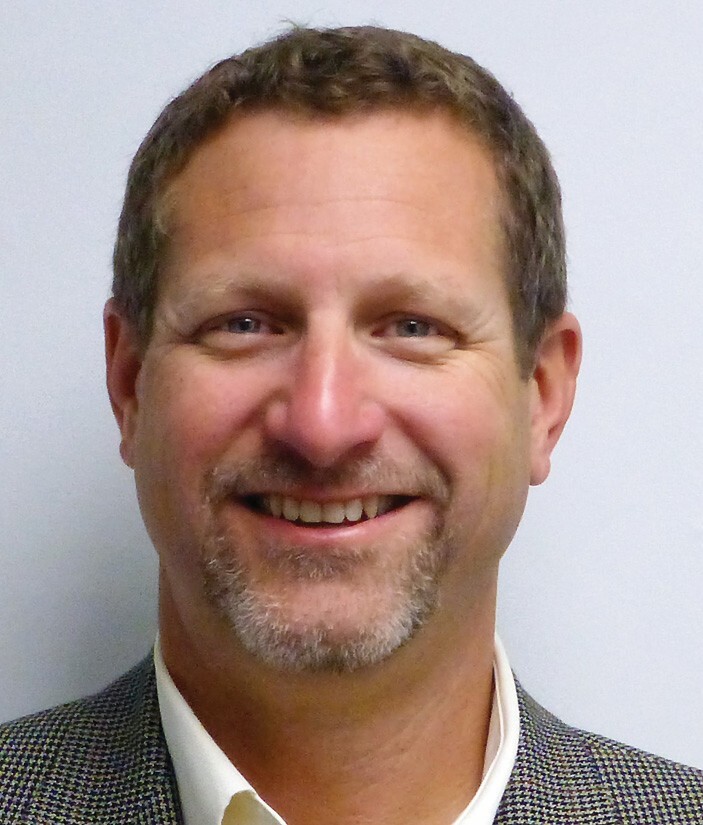
Thomas Rauscher, FCSI, is president of Archi-Technology and MasterLibrary. He has more than 30 years of experience related to the services and software required to strategically and proactively design, build and manage technology and other facility systems and the associated infrastructure into modern buildings.
Read more on Leadership & Strategy and Career Advancement or related topics Succession Planning and Team Management
Explore All FMJ TopicsRelated articles
-

Artificial Intelligence in FM
The stakeholder’s perspectiveBy Dr. Jake Smithwick & Dr. Kenneth Sullivan & Nneka Ubi05.01.2024 -

Mastering Change in Hybrid Environments
Insights from global operational leadersBy Meg Swanson09.02.2024 -

Plugged In
Solving the data disconnect in real estate and FMBy Amanda Muzzarelli & James Waddell07.01.2024
