 Membership
 Network
 Regional Sites & Affiliates


 Events
 Participate
 Resources

 Training
 Credentials
 Government


 Content Channels
 Tools
Tools


 Business Overview




Privacy vs. Social
Comparing settings in the workplace

The corporate workplace must be many things to many people. To be functional, it must provide a variety of work settings to facilitate various people's work styles. The design of the facility can significantly influence the workspace, positively or negatively. Throw in a global pandemic and the corporate workplace is forced to evolve further, even if it is temporary. It is important to consider all these factors when discussing privacy versus social settings in the workplace.
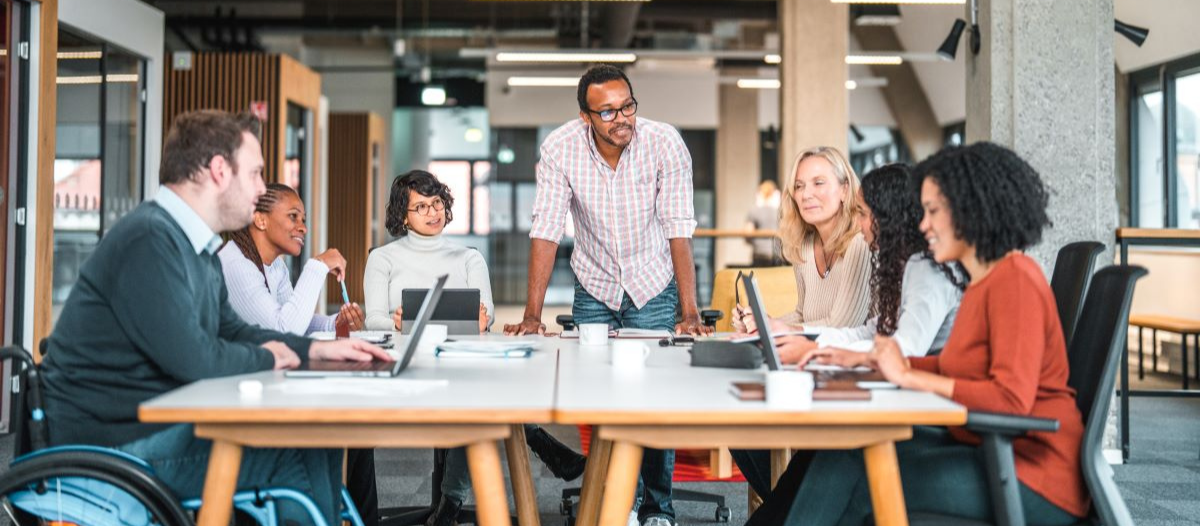
As the workplace has evolved over time, so has the way people work within that environment. With more baby boomers working later in life, today’s workplace could include people of various ages ranging from 21 – 71, all within the same space. Research has shown that different generations work differently. Baby boomers may prefer to work in more private settings, Generation Xers may prefer to work in more open settings, while millennials may choose to work in more flexible settings, but with less interaction with those around them. How do FMs design a facility to accommodate such a wide range of work styles? This is the challenge of today’s designers, FMs and building owners. The good news is that it can be done. With thoughtful design and use of space there can be something for everyone.
Different work settings
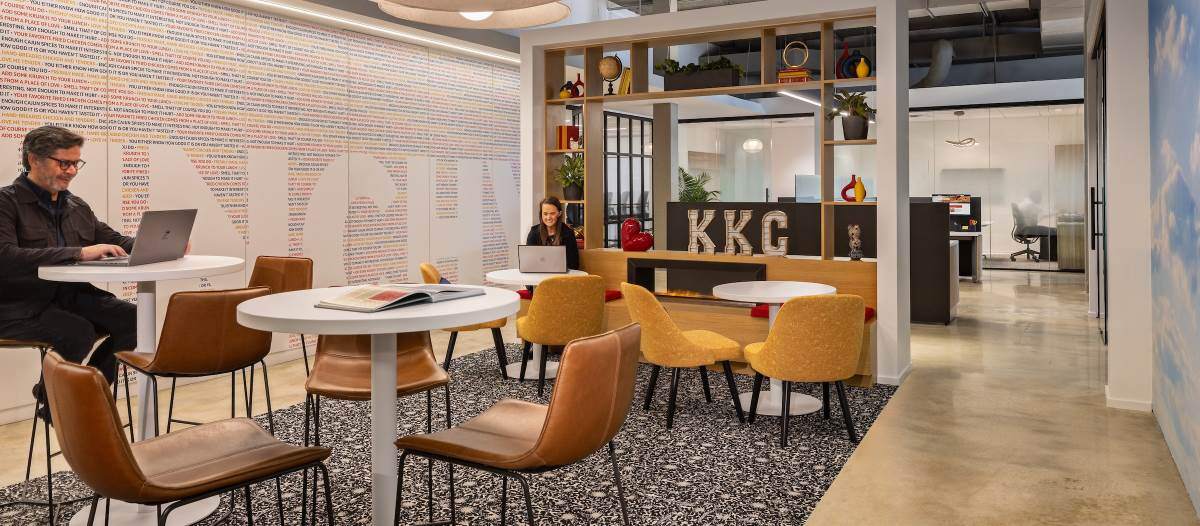
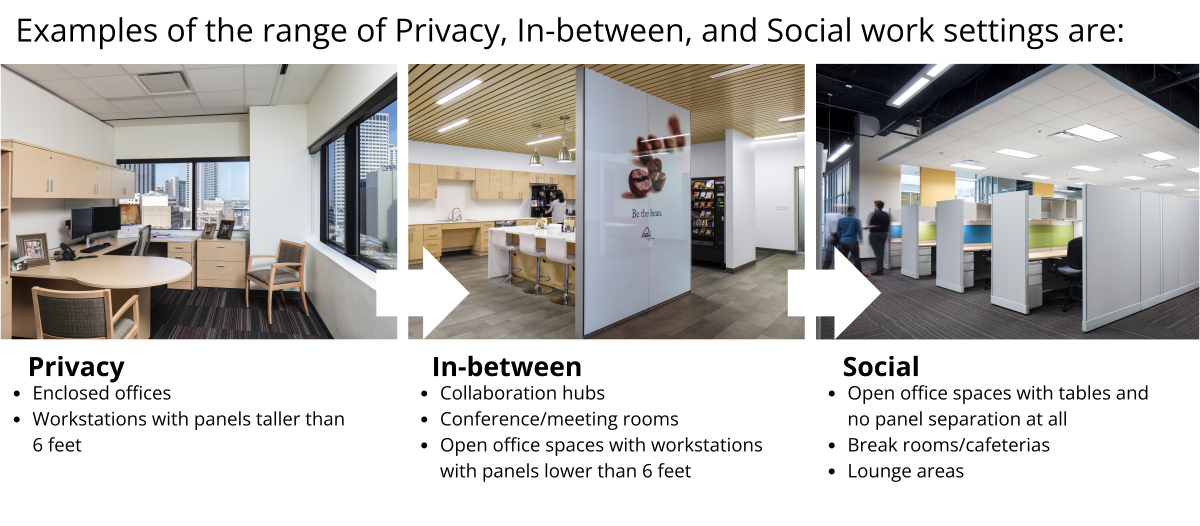
Providing a variety of work settings is key to making the 21st century workplace functional and flexible. Employees want choice and control when it comes to where they work. Even if they work in an open office workstation all day, having the option to move around is very important to employees. That could mean taking a personal phone call in a private phone room, having an impromptu collaboration session with co-workers in a collaboration hub, or taking a break in a lounge area. Offering a palette of places to work can go a long way for morale and improving productivity. When people feel that they have a choice, they tend to be happier. Happier employees are more productive employees.
 Different ways people work
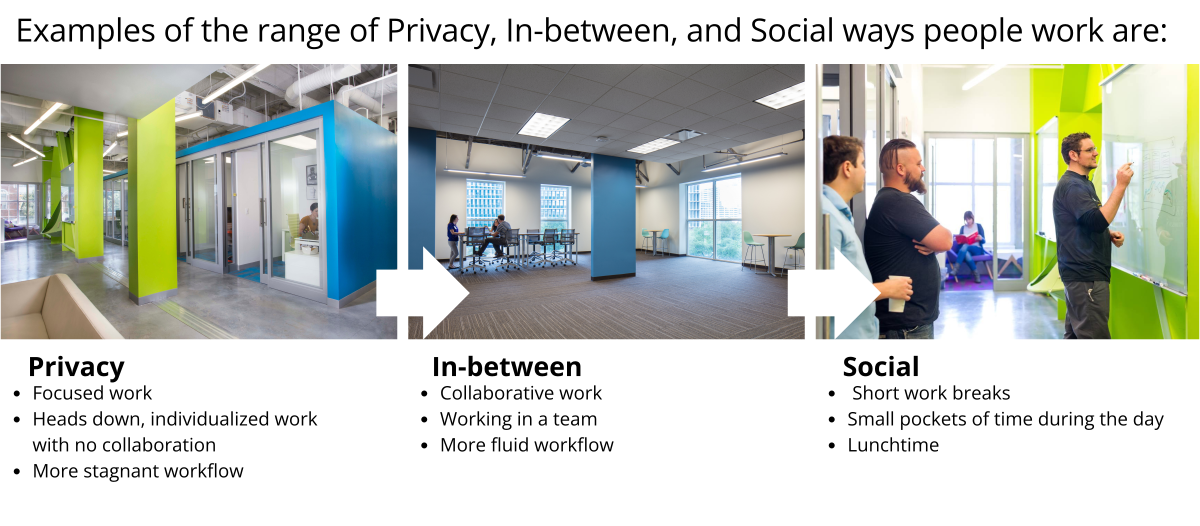
Many of the different ways people work can be attributed to generational behavior. Baby boomers tend to prefer working privately, as most began working in the age of the private office. Generation Xers tend to prefer working more socially, as most began working in the age of the open office. Millennials tend to prefer working with more flexibility, in open or remote spaces, although most prefer to work individually. That’s a phenomenon that’s referred to as “alone together.” Providing workspaces that can accommodate a variety of ways people work can benefit a company's culture and increase employee productivity.
How the design of the facility can influence the workspace
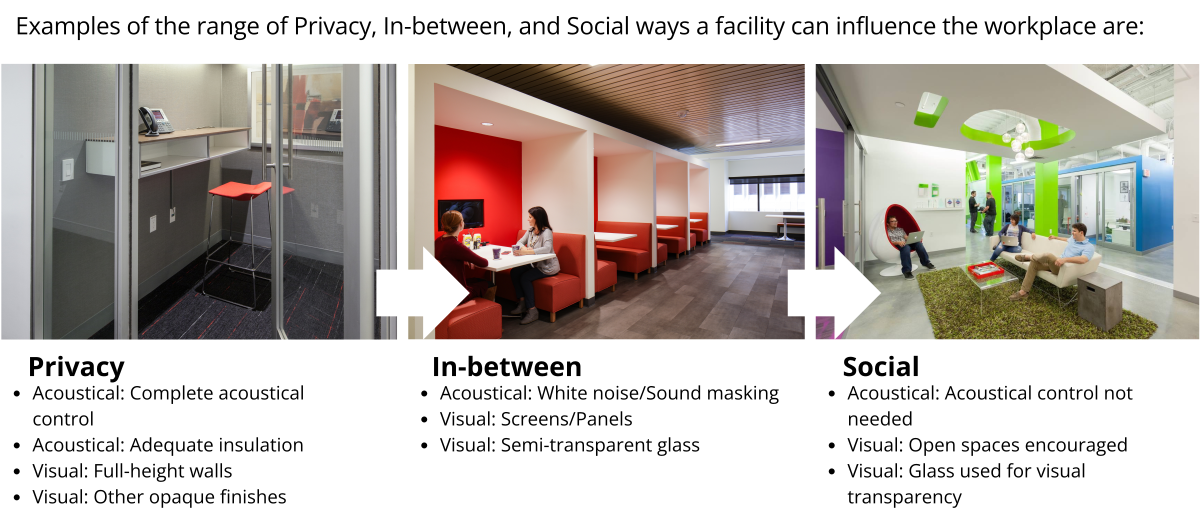
The design of a facility can significantly impact the workspace and how the people within that workspace function. Acoustical and visual privacy are two key factors that can influence the way people work within a space. In the past, acoustical and visual privacy were necessary for nearly all executives, while support staff members were relegated to open office areas. With the evolution of technology, the workplace evolved into a much more open setting, with little to no acoustical or visual privacy. Designers and employers are realizing that a happy medium between these two extremes is the best solution. Open offices can exist, but sound masking helps make those spaces more functional. Transparency is a big factor, but instead of using clear glass everywhere, companies realize the benefit of providing opaque glass in areas to provide a level of visual privacy. That happy medium is the sweet spot that can truly influence the current workspace.
Case study: Reily Foods Co. corporate office

The Reily Foods Co. interior tenant build-out in New Orleans was a substantial move for the company that had previously been housed in the same historic building for more than 100 years. That historic building included mostly private offices with a few shared office spaces that were filled with workstations with high panels. Every employee mainly worked in private spaces. Reily Foods Co. wanted to implement a progressive design approach for the new workspace that encouraged collaboration while being sensitive to its employees’ work habits and while bringing the 100-year-old company into the 21st century. This interior tenant build-out used a mostly open office concept, but one that was sensitive to the change each employee would experience with the shift from mostly private to mostly open workspaces. Critical features that made the concept a success were access to natural light and city views, breaking up open office workstations into smaller groups by department, providing private areas that could be used if needed and providing more social areas that encouraged employee interaction and collaboration.
The layout of the space features continuous offices along the north and south perimeter walls with continuous glazing which allows natural daylight and city views into the main office space. So, while the executives are housed in private offices, the use of glazing offers a level of transparency that makes the private offices seem more cohesive with the open office spaces. The open office environment is separated by departments with workstations that have lower-height partitions with glass panels above to provide a sense of privacy, but still allow natural light to fill the space.
Because of the low ceiling height, the structure was left exposed with no acoustical ceiling materials being used. With no acoustical ceiling, the space incorporated a sound masking system that provides continuous white noise to buffer sound transmission within the space. The open office workstations are pulled away from the perimeter of the high-rise office building to allow for collaboration space along the east and west walls. This also allows the main spine of circulation to run along the exterior window wall, allowing everyone a view of the beautiful city skyline. The collaboration areas also have ample seating and writable surfaces to encourage interaction between the different departments. These in-between spaces are highly used by employees and allow them choice and control when choosing where they work.
Additional spaces include a large conference room that can be separated by an operable partition, smaller conference rooms, individual phone rooms, a large break room that promotes socializing and team building and a reception/lounge area. Large, panelized graphics of the company’s brands are incorporated throughout the space and delineate separation between the corridor and the open workstations. The large conference room features two murals that were recreated from a painting that was set to be demolished from the company’s original office building.
The use of social, in-between and private work settings contributed to the success of this project. Although each employee is assigned to an office or a workstation, offering them a palette of places and allowing them to choose how and where they work throughout the day has proven to be beneficial. The company was initially concerned with how employees would react to moving from a mostly private workspace to a mostly open workspace but having multiple work settings for multiple work styles has made that transition seamless.

Mary Guiteau has more than 28 years of commercial design experience, working with owners, facility managers, users, developers and real estate companies in all building typologies. She is a member of IFMA Baton Rouge chapter. A graduate of Louisiana State University, Guiteau is associate principal/director of Interior Design at Holly & Smith Architects, APAC.
Read more on Workplace and Occupancy & Human Factors or related topics Space design and planning and Workplace Utilization
Explore All FMJ Topics