
 Membership
 Network
 Regional Sites & Affiliates


 Events
 Participate
 Resources

 Training
 Credentials
 Government


 Content Channels
 Tools
Tools


 Business Overview





Roofing Resiliency
Systems that protect buildings & the planet
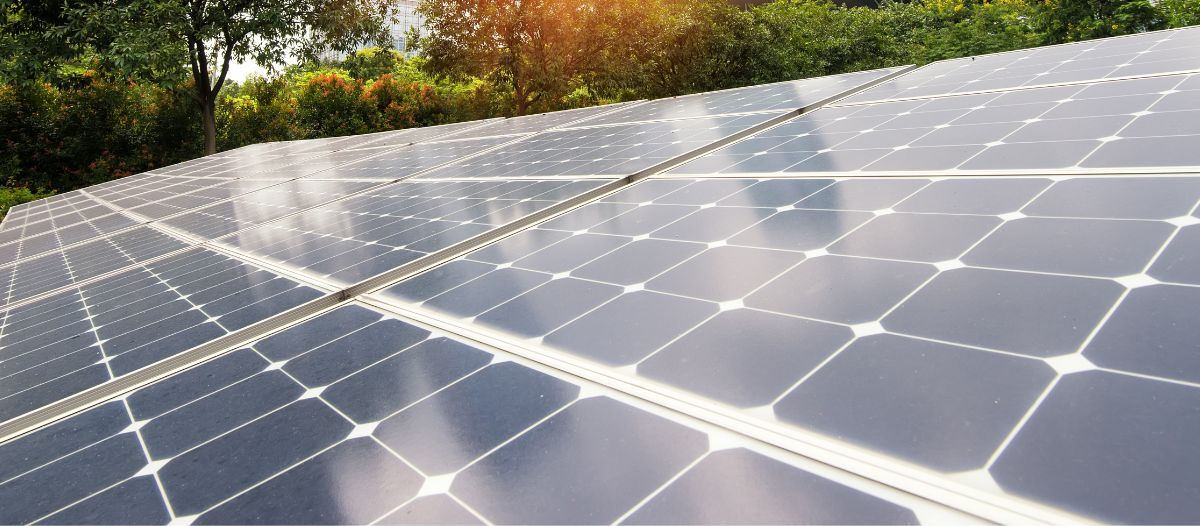
A roofing system's strength on Day 1 is essential. Assessing its likely performance over the long term is even more critical. With the challenges facility managers face from global climate change, steps taken today can determine success over a building's lifetime.
Strength and durability have always been critical factors in evaluating roofing systems. In the age of climate change, the job has become more complex.
Asset owners, FMs, and other professionals need to think about how these broader issues affect them, what they need to do to protect their buildings, and how they can outfit their facilities to make them more resilient.
What the world faces next
Global temperatures have risen about 1 degree Celsius (1.8 degrees Fahrenheit) since the Industrial Age began. According to a series of United Nations reports, failure to limit a temperature increase to an additional a half-degree Celsius over the next three decades could deliver the planet past a point of no return, threatening ways of life in the developed and developing world alike.
Already in 2021 alone, the world witnessed wildfires in Greece and the American West; a winter storm overwhelming Texas' electrical grid; flooding in China and Germany; hurricanes in southeast U.S. and record heatwaves in parts of the U.S., Canada and Russia. Each of these events appears linked to the larger changes in climate.
"We can expect a significant jump in extreme weather over the next 20 or 30 years," said Piers Forster, a climate scientist at the University of Leeds in England and a contributor to an especially dire U.N. report this summer. As he told The New York Times, "Things are unfortunately likely to get worse than they are today."
In the face of this challenge, roofing systems must be designed with more than performance under current conditions in mind. This is, relatively speaking, the easy part. Systems should be long-lasting, of course. However, in addition to traditional view on durability, their design and installation should consider the likely changes in climate over the coming decades.
Studies conducted by building, architecture, ecological and design organizations describe how resilient roofing systems will need to be able to withstand evolving, more-severe climate and weather conditions. In their assessment, a resilient roof serves as a risk management tool, and to serve this function, they must be able to:
-
Hold up to extreme events, among them high winds, hail, and sharp spikes and dips in temperature.
-
Be capable of accommodating and resisting changing conditions over the long term.
-
Maintain its function under stress and be able to recover after being tested to the limit by harsh conditions.
-
Be repairable after severe weather events, including those resulting in power outages.
-
Help maintain and control a building's temperature.
At the extremes
The building envelope is the first line of defense against the elements and roofing systems are the most critical element in resisting severe weather impacts.
Take, for example, the risks presented by high winds, a major threat for improperly secured roofs. The U.S. National Weather Service defines high-wind events as occurring whenever there are sustained winds of 40 miles per hour (64 kilometers per hour) or above, or a peak gust topping 58 mph (93 kph).
Most roofs will experience numerous high wind events throughout their anticipated service lives. With that in mind, property owners and FMs should opt for highly wind-resistant roofing systems. This is particularly important for tall buildings, because their height exposes them to strong gusts, and for structures sited near any large body of water, whether on hurricane-prone coasts or adjacent to an inland lake. Increasingly, building codes require roofs to withstand winds exceeding hurricane speed (74 miles per hour, or 114 kilometers per hour).
Under high winds, edges are the most vulnerable sections of roofs. If the edge securement remains intact in the face of extreme winds, a roof has a far better chance of surviving. Edging materials that meet strict industry or government standards, like the Florida Building Code, can prevent roof blow-offs in a storm.
Likewise, hail is a growing concern, even in regions where it has not historically been common. In the U.S. alone, there were more than 4,600 major hailstorms in 2020, and, nationwide, hail has caused as much as US$14 billion in damage annually in this century.
Modest-sized hail particles (less than 1 inch, or 2.5 centimeters, in diameter) achieve speeds of 25 to 40 miles per hour (40 to 64 kilometers per hour), while 2-inch hailstones can drop as fast as 72 mph (116 kph). The impact of hard, irregularly shaped balls of ice at these velocities can result in significant damage to roofs and other surfaces.
The common-sense rule is that the thicker a roof’s membrane, the better protected a building’s contents. Equally important is the use of a high-compressive-strength cover board below the membrane, which can increase the system’s wind resistance. More importantly, cover boards provide protection against all impacts such as hail and rooftop traffic. FMs should investigate whether the roofing materials they use have been independently tested and judged able to withstand the most severe hailstorms.
Curbing heat islands
Resilient buildings can play an important part in reining in the Urban Heat Island Effect. As worldwide temperatures soar, some areas are impacted more than others. This is especially true in big cities. Studies show extreme heat leads to the most weather-related deaths, higher than hurricanes and tornadoes.
Temperature increases drive urban dwellers’ need for additional cooling and raise their energy consumption, particularly during peak demand periods. These actions exacerbate the very problems they are intended to address, leading to a greater likelihood of unplanned power outages, scheduled brownouts and further pollution.
Resilient roofing enhances a building's energy efficiency and improves the surrounding neighborhood's livability by reducing a building's temperature. Three particular roofing solutions that can help mitigate these effects:
Keeping cool: Cool roofs use light-colored, reflective materials that absorb less sunlight and, therefore, take in less heat than ordinary roofs. The temperature of a traditional dark-colored roof can reach a peak of 160 degrees Fahrenheit (71 degrees Celsius) in the summer months; reflective materials can cut that to about 100 degrees Fahrenheit (38 degrees Celsius). Cool roofs reduce energy costs by lowering inside temperatures and lessening a building’s reliance on air conditioning. Less heat can also cut the stress on the roofing materials, (UV), thus extending the system's longevity.
Going green: Green roofs have vegetation installed over the waterproofing membrane atop buildings. As more and more large structures take up what was once green space on the ground, it has become popular to turn roofs into verdant patches. Besides being aesthetically pleasing, a green roof's insulating layers of soil can help regulate a building's indoor temperature, keeping it cooler in the summer and warmer in the winter. Green roofs can also be effective in reducing the burden on sewer systems by managing stormwater runoff from roof surfaces. Stormwater management is becoming increasingly critical as aged, overtaxed sewage infrastructure copes with ever more frequent and intense storms.
Following the sun: Solar photovoltaic (PV) panels do more than add to a building’s energy self-sufficiency. By using renewable energy, they cut the consumption of nonrenewable energy, decreasing the greenhouse gas emissions that are major causes of heat islands. Solar roofs also offer a dual solution, since PV panels are most effective on cooler roofing surfaces. Care must be taken to ensure panels are designed and installed properly so as not to puncture a roof's membrane, which would leave a building at risk of water damage and leakage.
Increasingly, cities throughout the world have begun requiring cool, green or solar roofing systems and/or offering incentives to builders and property owners. While the regulations typically apply to newly constructed buildings, they often call for these measures to be applied when the existing buildings are re-roofed. Since 2010, cities including Toronto, Copenhagen, San Francisco and New York, as well as Cambridge, Massachusetts and Cordoba, Argentina, have enacted measures for climate-friendly roofing. More regulations are to be expected.
Interests align
A U.N.-sponsored conference of 195 nations in Glasgow will deliberate about climate change and may offer prescriptions on how various actors – governments, the business sector, and individuals – can make a difference. Property owners and FMs must consider their needs and the likely climate and weather conditions they will confront – with the understanding that what is true today is likely to change, and quickly, in the coming years.
As always, they should consider the performance history, quality, and consistency of roofing materials, the track record of the manufacturer and installation professionals, and an eye to being able toward resisting whatever climate changes that can be anticipated throughout the roof’s service life.
For building professionals, self-interest and the world's interests are rapidly coming into convergence. Installing and maintaining a greener, more resilient roofing system could not only improve a building's performance. It could help stabilize the planet's climate as well.
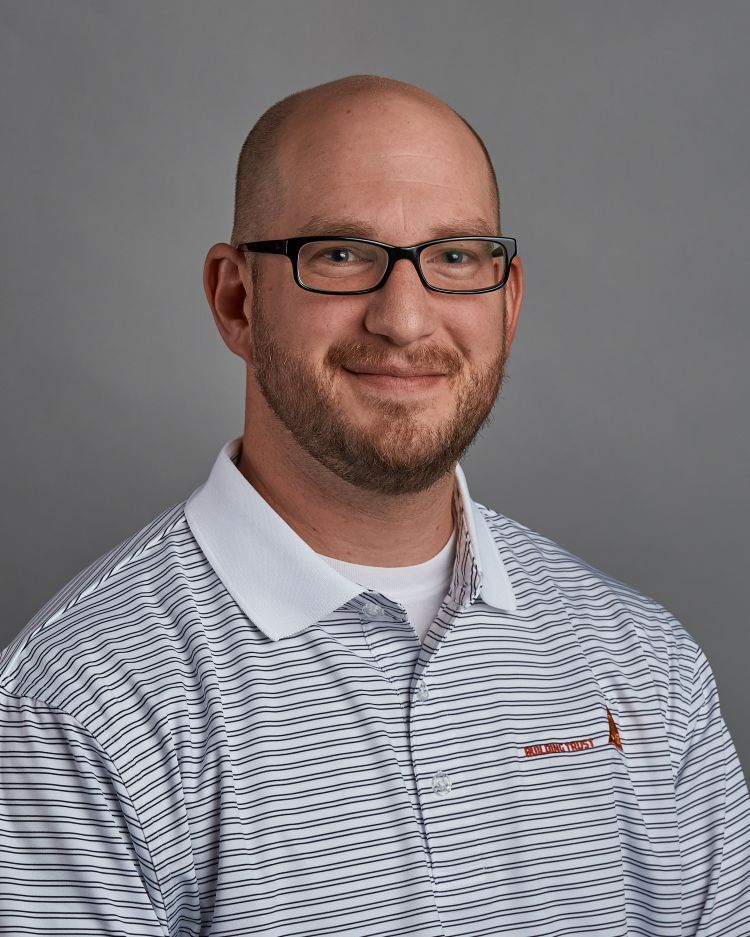
Michael Darsch, Sika Sarnafil Technical Director - East, has more than nine years of experience in the commercial roofing industry. Prior to commercial roofing, he was involved in engineering and building for the residential construction industry for 11 years. His commercial roofing background encompasses many technical and non-technical disciplines, including product development, training, compliance, codes and standards, and business development. Darsch is an active member with SPRI and the NRCA. Mike earned a Bachelor of Science in building materials and wood technology from the University of Massachusetts and is recognized as a PROCertification Qualified Trainer by the NRCA.
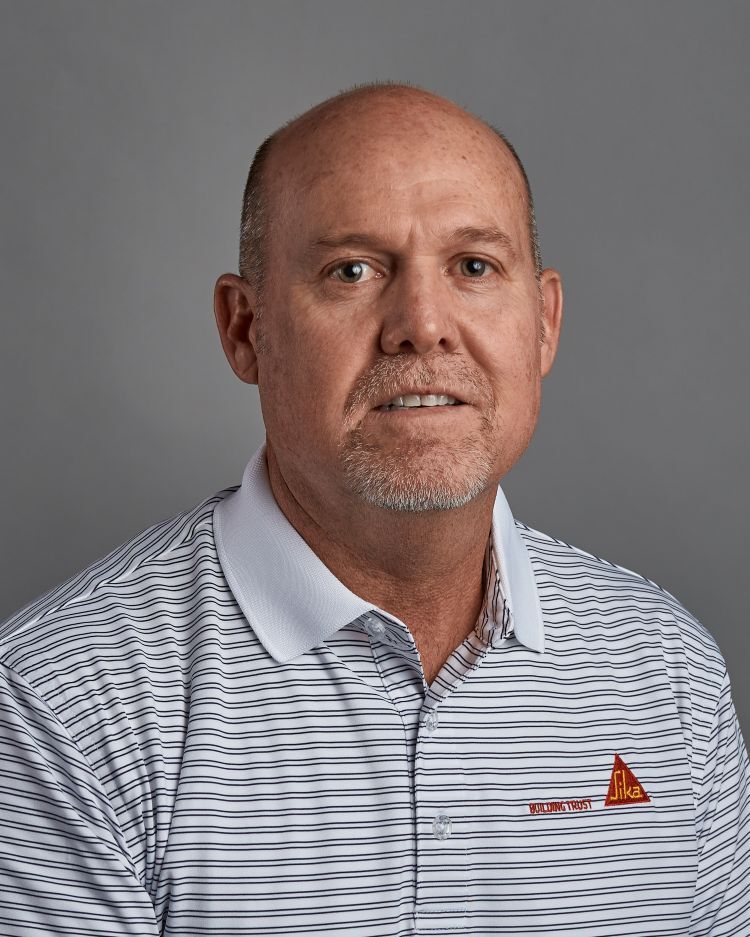
Darryl Terry, Sika Sarnafil Technical Director – West, has been in the roofing industry for more than 39 years. He worked at Saddleback Roofing in California, installing roofing before joining Sika Sarnafil in 1994 as a technical service representative. Promoted to technical manager for the western states’ region shortly after, Terry is now technical director for the western half of the United States.
References
Read more on Sustainability and Facility Operations or related topics Facility Resilience and Energy
Explore All FMJ TopicsRelated articles
-
Smart Building Control Systems
The foundation for a grid-interactive buildingBy Andre Marino09.25.2024 -
Smart Building Innovation
Cutting costs & carbon footprints without compromiseBy Andrew Butterworth09.12.2024 -
Chart the Path
Building sustainable cities & a sustainable futureBy Izzat Ali Khan & Aykean Forde12.16.2024
