
 Membership
 Network
 Regional Sites & Affiliates


 Events
 Participate
 Resources

 Training
 Credentials
 Government


 Content Channels
 Tools
Tools


 Business Overview


Safe & Sound
Tech's role in risk management
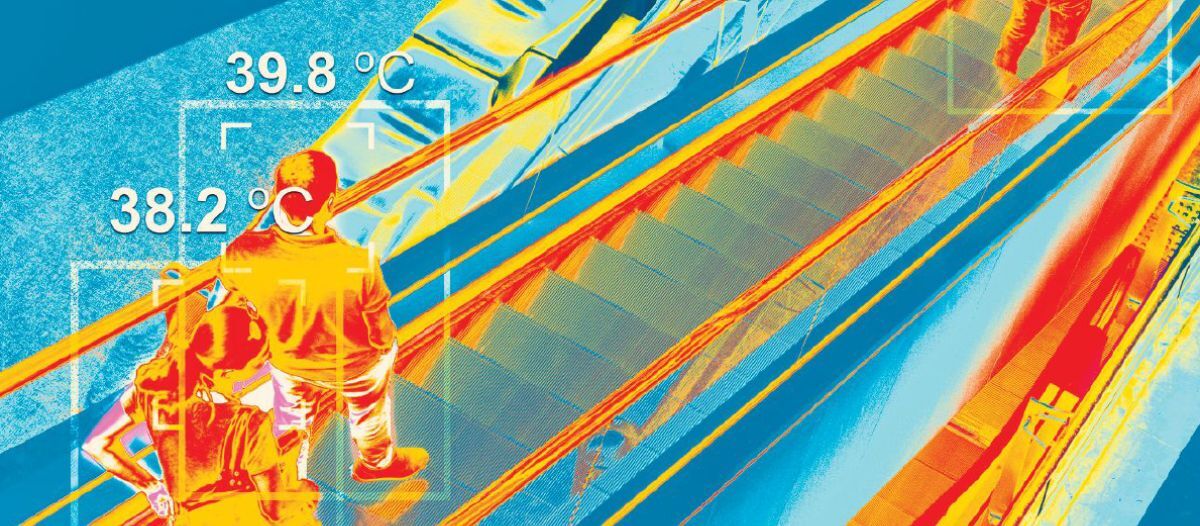
The world is incredibly reliant on security technology. During the pandemic, this technology has proven even more essential for businesses as they adapt their operations to keep employees and customers safe. From contact tracing to using touchless entry access for employees, security integrators are modifying and adding technology to their rosters as end users clamor for solutions that can keep their doors open.
While many business owners and facility managers viewed security technology systems to prevent theft, the impacts of COVID-19 have opened their eyes to the versatility of their security systems. They have learned how important an investment in quality security technology can be while they grapple with the effects of COVID-19.
Adapting security operations for health & safety
Since the world went on pause in early March of 2020, even the simplest actions have caused companies and FMs to revisit how they operate their facilities. End users seek to either improve or modify their current security systems to help solve pain points caused by COVID-19.
One of these pain points is the simple task of entering a building. High-frequency touch points such as door handles and buttons posed a major problem because of the possibility of COVID-19 transmission. To minimize risk, FMs and janitorial teams would have to clean these touch points after every single person entered a facility. However, the versatility of most building security technologies allowed there to be a far easier and more efficient solution: no-touch access controls. Instead of typing PINs into a keypad, swiping an ID badge, utilizing a fob or touching a door handle, end users have turned to no-touch access options, using Bluetooth technology on cell phones and installing other technology like automatic door openers to keep their employees, tenants and customers safe.
Third-party security teams are still sending their personnel on site because they need to lock doors and turn off the lights — and they still need security guards in place. When FMs have large buildings they are responsible for, they pay security guards to come to the site and make sure everything is okay.
Security technology is helping solve this problem and provides a more cost-effective solution to FMs. Security cameras can be installed and upgraded with features such as integrated audio, which is a form of audio analytic capability that can detect and analyze audio in specific parts of a building. This audio analytic technology can be triggered based on pre-set settings; so, if there was noise in a closed area between midnight and 6 a.m., an audio alert can be set off. All of these upgraded features can be programmed to feed into a centralized location so that FMs can view the entire property and their complete system from one location. This location can either be on site, or access can be granted remotely from a computer or smartphone. This feature also allows FMs to lock and unlock specific doors and adjust entrance capabilities with the push of a button, saving time and money.
Additionally, security technology can aid in minimizing interaction in parking garages. Typically, when someone enters a parking garage, they either speak with an attendant/ security guard, or use a machine to print a ticket. This interaction between the driver and the security attendant has the potential to expose both parties to COVID-19, and machines would have to be cleaned after each use, which is not practical.
FMs can implement technology such as license plate recognition to minimize contact between security personnel and tenants, members and customers. This technology can be integrated with a current security system so that when an approved vehicle approaches an entry point to a parking garage, the license plate is read by the system, recognized and the vehicle is granted access.
Not only does this mitigate the risk of COVID-19 transmission between driver and attendant, it also streamlines access procedures. In addition to the risk management benefits, this type of technology is also used to provide VIP access. For example, many apartment complexes and health care facilities have turned to this type of technology so that only approved vehicles can access the parking garage. This helps simplify the entrance process and can be a more cost-effective option because there is no need to station parking attendants at these entrances.
Using technology software to keep businesses within COVID-19 occupancy guidelines
In addition to going touchless, many FMs are looking to their security systems for analytics. When there are more than the acceptable number of people allowed within the space according to guidelines, security systems can send an alert to the FM. Security integrators offer a range of thermal camera technology that can be utilized at both the public and employee entrances.
If a customer or employee approaches the entrance without a mask, the system has the capability to notify a security guard or a FM so that they can send someone to speak with the person trying to enter the building. These thermal cameras and analytics can be used in a kiosk format as well, which allows FMs to ask health and safety questions before someone even enters the building. This helps mitigate the risk of an infected individual entering the building, while simultaneously preventing an employee or security guard from being in direct contact with people who could potentially be infected.
For many businesses, crowded spaces are a common problem that need a creative solution — especially if their space is big, like a grocery store or corporate office. Analytics not only help track those with a temperature or not masking but can be a massive help with contact tracing. Through camera systems, FMs can review footage and track who someone has talked to, who they have been in front of or touched and where they have gone in the building. This can save critical time — especially when the business has been notified of a positive COVID test for an employee or customer. Additionally, it can contribute to potential contact tracing efforts by the healthcare industry within a particular community.
Finding versatility in upgrading existing security technology
While the concept of adding contact tracing and analytics or thermal heat tracking to cameras can sound expensive, it often only requires an update of the current security technology’s capabilities — plus, it offers long-term cost effectiveness.
By combining a building’s current camera system with analytics software, a security system’s versatility can provide important data to FMs, such as capacity counts, people tracking and directional analytics, all of which can play a key role in mitigating the risk of COVID-19 transmission.
These software upgrades allow FMs to more easily monitor and track entrances at all points of their buildings, which prevents closing the amount of public entrances and exits.
Using what you have to stay cost-effective while staying safe
Before the pandemic started, many businesses had security cameras that existed solely to help them see the goings-on on their manufacturing floors or their common use areas. Now, security upgrades give them the capabilities that will provide FMs with more efficient systems and offer real-time operational insight into their facility. The increased insight means the company does not need to hire extra security guards — and instead can monitor things remotely. Many of these systems are cloud-based, eliminating the need of traditional hardware storage and increasing an FM’s ability to access, review and act on any insight they may receive from their facility’s security system.
While the pandemic has created many challenges for businesses as they adapt operations to keep their business alive, the utilization of security systems can become both a breath of fresh air and a creative solution to maintaining a safe and healthy environment for staff and patrons alike. As the FM landscape shifts, security technology will play a key role in helping solve problems but will be especially helpful in aiding with risk management and mitigating the transmission of the COVID-19 virus.

Kim Hartman is the CEO and founder of Surveillance Secure, a commercial security integration franchise concept that consults, designs, installs and supports a full range of enterprise grade security technology for commercial clients. Leveraging extensive current technical business and enterprise experience, Hartman assists companies maximize resources for next-level expansion within the technology or security sectors.
Read more on Risk Management , Operations & Maintenance and Technology or related topics Occupant Health , Facility Technology and Operational Technology
Explore All FMJ TopicsRelated articles
-
A New Approach
Improving business continuity with alarm managementBy Brad Freeman09.09.2024 -

Beware of Growing Cyberthreats
Why it’s time for stronger facility cybersecurityBy Andrew Harris & Eric Headington10.30.2024 -
Going Up?
Keeping elevators safe & compliantBy Dave Myers & Doug Taylor11.06.2024