 Membership
 Network
 Regional Sites & Affiliates


 Events
 Participate
 Resources
 Training
 Credentials
 Government


 Content Channels
 Tools
Tools


 Business Overview




Safety First
A comprehensive guide to safe & responsible disinfecting
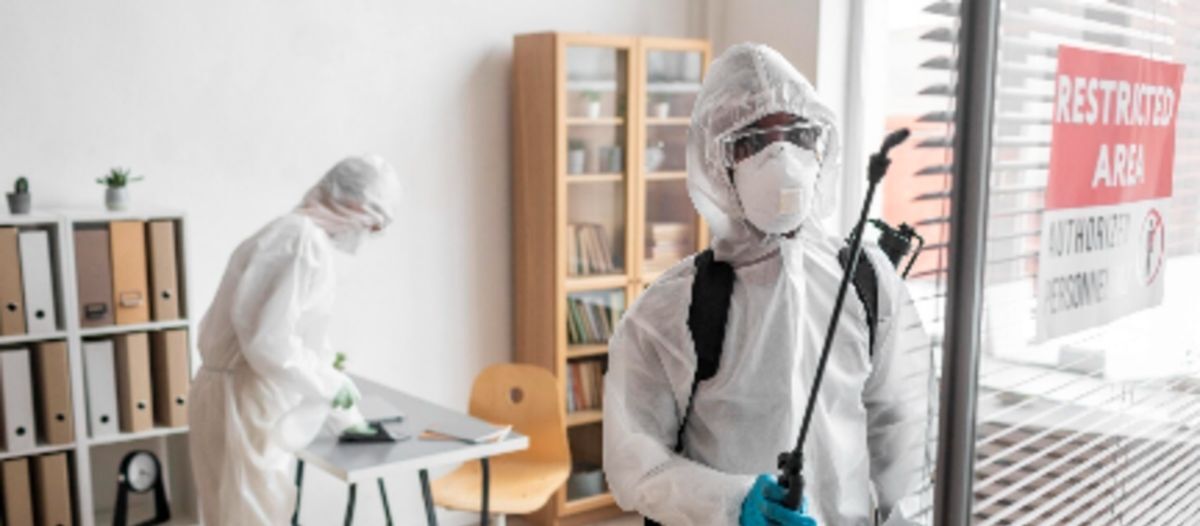
As offices, schools, colleges, public facilities and other buildings reopen across the country, people are returning to spaces transformed by COVID-19. To reassure people about the safety of indoor environments during the pandemic, some buildings are turning to excessive disinfection methods that increase exposure to hazardous chemicals without providing added protection from the airborne virus – a practice referred to as “hygiene theater.”
Established preventive behaviors such as wearing face masks, physical distancing and washing hands should not be relaxed because of a false sense of security encouraged by hygiene theater. However, cleaning and disinfecting can still play important roles in keeping building occupants healthy. Building on guidance from U.S. and international public health agencies, Green Seal developed five best practices to help FM leaders create a responsible and effective disinfecting plan that protects the health of cleaning personnel and building occupants.
These guidelines address gaps in the guidance from U.S. EPA and the Centers for Disease Control (CDC), which does not put enough focus on the health and safety of custodial workers and FM teams who already have a higher risk of exposure to hazardous chemicals. They provide clear direction on the use of new technologies like foggers and electrostatic sprayers and highlight ways that building managers can and should continue to focus on sustainability, so that FMs do not discard decades of green building progress overnight. Following these guidelines also can help buildings meet the requirements for the LEED® Safety First pilot credit and the WELL Health Safety Rating.
Create a cleaning & disinfecting plan
Assemble a team with appropriate technical expertise to create a written reentry plan. Cleaning services providers are essential to the planning team because they will be responsible for implementing many of the measures. Prepare for three cleaning and disinfecting scenarios:
A. Workplace/school reopening: If a building had reduced operations or was temporarily shut down, assess the building for potential hazards beyond the COVID-19 virus.
-
Follow recommendations from the CDC for flushing the water system and water fixtures to remove potential pathogens and pollutants that may have built up during the shutdown. Reductions in normal water use can lead to mold and Legionella – which officials have found in the water of several schools in Ohio and Pennsylvania.
-
Run any inactive HVAC systems for 48 to 72 hours and determine whether any filters need to be cleaned or replaced.
B. Routine cleaning and disinfecting: As more people return to the workplace or school, pair routine cleaning with regular disinfection of high touch areas.
-
Refer to the CDC’s decision tool to create a detailed list of high-touch areas to be disinfected. For example, the building’s entry door will be handled more than an office door propped open all day. Consider temporarily removing shared items like remote controls and difficult-to-disinfect items like reception area chairs.
-
Determine the frequency of cleaning and disinfection. Schedule around an average number of unique touches rather than time alone. For example, an office entrance and lobby should be cleaned and disinfected more frequently during busy times, such as when occupants enter or exit during the morning, lunchtime and close of business.
-
Implement a policy for continuous improvement in cleaning and disinfecting practices, including use of methods to verify efficacy beyond visual inspection. One method to quantify cleanliness is adenosine triphosphate (ATP) monitoring. While ATP monitoring cannot detect viruses, it can detect respiratory droplets that may be infected and in general indicate spots with residual organic material that were missed during cleaning. Another option that uses cleanliness as a proxy for disinfection is the use of fluorescent markers prior to cleaning to identify missed spots.
-
Consider how cleaning schedules may be affected by COVID-19 policies. Nighttime cleaning services alone may no longer be enough, given the need for targeted cleaning and disinfecting during business hours.
C. Following a suspected or confirmed COVID-19 case: Increase cleaning and disinfecting when someone with COVID-19 was in the building. Even if the case is only suspected, do not wait for the infection to be confirmed. Immediately close off areas visited by the suspected case, including offices, restrooms, common areas and shared electronic equipment.
-
Open windows and doors where possible and safe, and operate fans (including heating, ventilating, and air-conditioning fan systems) to increase the ventilation rate in affected areas.
-
Leave the spaces where the suspected case occupied vacant for 24 hours, or as long as feasible, to reduce the viral load before allowing cleaning personnel to enter.
-
Clean and disinfect all affected areas. Vacuum the space if needed, using a high-efficiency particulate air (HEPA) filter.
Ensure that cleaning personnel are properly trained
Proper training is essential for safe and effective cleaning and disinfecting. Cleaning personnel who know how to correctly use products and equipment are more efficient and effective at cleaning and disinfecting, which reduces product waste and chemical exposure. Confirm that the service provider is implementing in-person training and providing materials in appropriate languages for personnel prior to workplace or school reopening. At minimum, train for:
-
Safe handling of all cleaning and disinfecting products, effective cleaning procedures and the use and maintenance of cleaning equipment.
-
Standard safety precautions, such as reducing and preventing ergonomic injuries.
-
Proper of personal protective equipment (PPE), including when to wear it, which kind to wear, how to put it on and take it off without cross contamination and how to dispose of it.
Maintain sustainability & healthy indoor air
Enhanced disinfection does not have to involve increased exposure to hazardous chemicals for cleaning personnel or building occupants. Custodians already experience twice the rate of occupational asthma as other workers, and CDC has identified asthmatic individuals as a high-risk group for COVID-19. For the health of the occupants and workers, make it a top priority to choose products that do not contain asthmagens or respiratory irritants.
Choose safer disinfectants
All of the disinfectant products on EPA’s List N are effective at deactivating the virus that causes COVID-19 when used correctly. However, many include active ingredients that cause asthma (such as quaternary ammonium compounds) or are linked to other serious diseases. When considering List N products, choose ones that contain only one of the following safer active ingredients:
-
hydrogen peroxide*
-
citric acid
-
lactic acid
-
ethyl alcohol (also called ethanol or just alcohol)
-
isopropyl alcohol
-
peroxyacetic acid*
-
hypochlorous acid
*The combination of hydrogen peroxide and peroxyacetic acid is a designated AOEC asthmagen, so avoid products containing both.
It may be tempting to choose conventional chemical cleaners, but certified green cleaners are more important than ever during this time of increased cleaning frequency. Certified cleaners are proven to be safer than and just as effective as harsher, more caustic cleaning products at removing dirt and grime.
Choose cleaning products and hand soaps bearing a nationally recognized independent ecolabel such as Green Seal or Safer Choice and promote frequent handwashing. Certified green hand soaps can be less irritating to skin and therefore allow increased handwashing frequency.
Use the right disinfection application method
Like the disinfectants themselves, some application methods are safer than others. Some technologies marketed for controlling COVID-19 unnecessarily increase hazardous exposures, while others require more proof of efficacy and safety.
A few application methods are listed below. Only use methods that are listed on the disinfectant’s label, as those not included on the label have not been reviewed by the EPA for effectiveness.
-
Wiping a surface with a cloth, mop or sponge soaked in disinfectant leads to the lowest inhalation exposure.
-
Using a trigger sprayer to spray coarse droplets of disinfectant directly on the surface is another option but can lead to increased risk of inhalation.
-
Electrostatic sprayer devices produce positively charged droplets that are attracted to surfaces and can wrap around objects, resulting in increased product coverage rates. These can be very efficient tools for applying disinfectant; however, due to the very small droplet size, take care to prevent inhalation. Always follow label instructions and ensure that proper PPE is worn. Also pay careful attention to verify that the disinfectant label specifies use with ‘electrostatic sprayers’ rather than just ‘sprayers.’ Currently, only a small subset of EPA List N products is approved for use with electrostatic sprayers. This is important, as effectiveness has only been confirmed for those listed.
-
Foggers saturate the air in a room with disinfectant. These suspended droplets linger in the air until eventually settling on to exposure surfaces due. Avoid this approach, because this method has not been proven more effective than other application methods even though it can increase the risk of exposure to dangerous concentrations of chemicals.
Communicate clearly & often
Transparency is critical for maintaining trust with building occupants. Develop and follow a communications plan to keep stakeholders apprised of the FM team's actions.
The plan should specify an emergency communications procedure if there is a suspected COVID-19 case in the building. When the pandemic began, cleaning personnel were not always advised that a space had been occupied by a suspected confirmed case – critical information that would have allowed them to protect themselves and building occupants.
Confirm when each tenant’s space will be unoccupied and available for cleaning staff and have a protocol if the space is found occupied. Clear signage and emails identifying spaces closed for disinfecting and spaces safe to reenter will reduce confusion.
In addition, provide materials that cleaning personnel can share to answer occupants’ questions about cleaning procedures. Include actions that occupants should take to help personnel effectively clean and disinfect, such as clearing workstations at the end of each day.
Provide safer indoor conditions
Disinfection is only one piece of the puzzle when it comes to helping stop the spread of COVID-19. Building-wide policies for physical distancing and mask wearing are essential, as these are the main tools for preventing transmission of the virus. Cleaning personnel should always wear the most effective PPE items to remain protected from both the virus and chemical products. These additional precautions can contribute to a safer indoor environment:
-
Provide adequate ventilation to help reduce transmission of COVID-19 as well as reduce buildup of indoor air pollutants released during cleaning and disinfecting.
-
Facilitate effective hand hygiene. Where water and soap are unavailable for handwashing, provide alcohol-based hand sanitizer (containing at least 60 percent ethanol or 70 percent isopropanol).
-
Discuss the importance of paid sick leave with service provider partners and building tenants. The CDC has found that paid sick leave reduces viral transmission.
-
Provide space for cleaning personnel to store a change of clothes and a place to change out of uniforms at the end of their shift. Facilitating this activity can reduce the risk of spreading the virus outside of the workplace.
-
Encourage cleaning service providers to use equipment and procedures to reduce ergonomic injuries during this time of increased cleaning.
Look at the big picture
Properly implemented, effective and responsible cleaning and disinfecting practices help protect building occupants and cleaning personnel during the COVID-19 pandemic while avoiding the use of hazardous chemicals and technologies that increase health risks yet provide no added protective benefits. Green Seal certified commercial cleaning companies servicing more than 1 billion square feet have committed to following these guidelines for clients.
However, cleaning and disinfecting is only one aspect of maintaining the health and wellness of building occupants. For example, the building environment can be modified to help limit the spread of COVID-19 through appropriate air filtration and humidity levels. Finally, physical distancing, face masks, and hand hygiene are critical and cannot be replaced by cleaning and disinfecting.

Doug Gatlin is a recognized expert in the design, development, and deployment of voluntary market transformation programs and has held senior leadership positions with the U.S. Green Building Council’s LEED Program and the U.S. Environmental Protection Agency’s ENERGY STAR Program. He is now CEO of Green Seal, a global nonprofit organization and leading ecolabel for cleaning and facility-care products and services.

Nina Hwang is the lead Environmental Scientist at Green Seal, a global nonprofit organization and leading ecolabel for cleaning and facilities care products and services. Hwang previously worked on environmental health issues at the Natural Resources Defense Council and at the U.S. Environmental Protection Agency. She holds a Bachelor of Science in Chemistry and Environmental Engineering from Rice University and a Master of Public Health in Global Environmental Health from the George Washington University.
References
Top image by Getty Images.
Read more on Risk Management and Facility Operations or related topics Occupant Safety , Occupant Security and Project Management
Explore All FMJ TopicsRelated articles
-
A New Approach
Improving business continuity with alarm managementBy Brad Freeman09.09.2024 -
Beware of Growing Cyberthreats
Why it’s time for stronger facility cybersecurityBy Andrew Harris & Eric Headington10.30.2024 -
Going Up?
Keeping elevators safe & compliantBy Dave Myers & Doug Taylor11.06.2024