
 Membership
 Network
 Regional Sites & Affiliates


 Events
 Participate
 Resources
 Training
 Credentials
 Government


 Content Channels
 Tools
Tools


 Business Overview



Sanitation Evolution
The unpredictable future of cleaning solutions
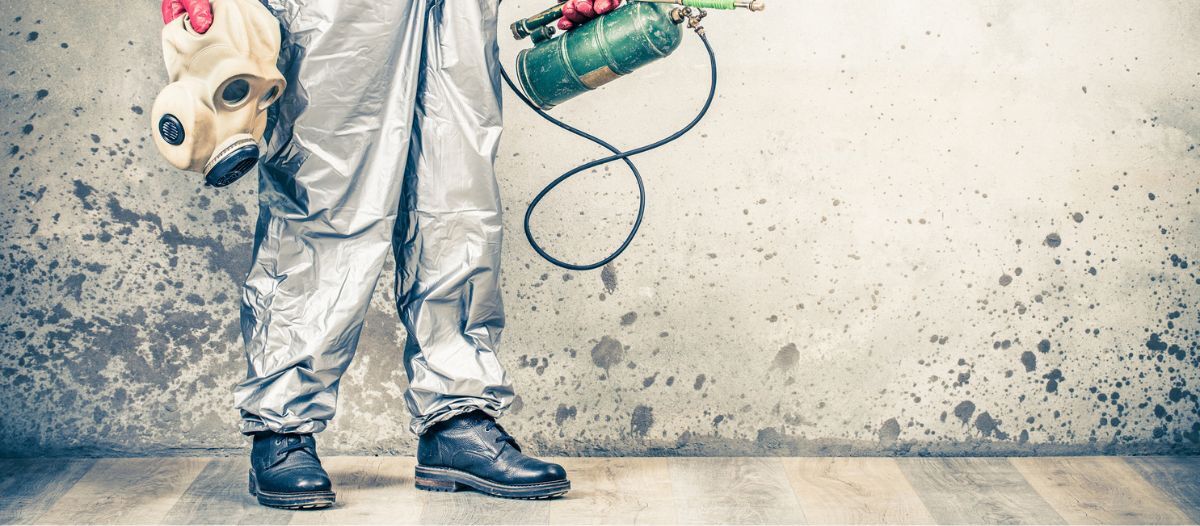
At the onset of the COVID-19 pandemic, facility managers found themselves quickly transitioning from their traditional roles and learning how to become first responders. Charged with deploying multifaceted respons e plans to reconfigure facilities and reorganize the people who maintain them, their objectives were to create safe operations to ensure business continuity.
Looking back, these men and women took on an unprecedented task and did so nearly overnight as the pandemic quickly spread throughout the world. Beginning with recognizing the FMs who led facilities during such challenging times, industry leaders can now look back at the year to understand what took place, what the best practices for combating COVID-19 are and how the industry can improve in the future.
The realization that the pandemic had arrived and that it was going to have significant impacts on families and economies began in March of 2020. Medical experts sought to understand the virus while industry experts began developing response plans to assist with business continuity. Innovators and inventors launched products into the marketplace to help mitigate impacts.
Governments, airlines and other corporations implemented restrictions and rules. These efforts, while generally well-intentioned, resulted in a flood of new information and products. Distilling what information was good versus dated, which products were effective and how to develop all of this into a response package was a daunting task. For industry leaders, there is a responsibility to look back and synthesize the solutions found to have merit, how this unprecedented event was responded to and the approach to the pandemic moving forward.
What does the future look like?
Short answer: It is unpredictable, but following written pandemic response and business continuity plans, focusing on employee and building occupant health and safety, and following best practices should be the primary courses of action.
Before the pandemic, FM best practices typically focused on comfort, perception and efficiency. Since then, they have evolved to focus on healthy and safe environments. Effectively communicating updated or new best practices, and any internal or external changes, is the first step to successful service delivery. It is also important to closely monitor regulatory authorities with jurisdiction, such as global or government agencies, to ensure timely and relevant guidance in a shifting environment.
HVAC
Changes to ventilation configuration was one of the earliest proposals, as the extent of virus aerosolization was still being understood. As this threat became realized, recommendations such as increasing fresh air supplies, installing MERV-13 filters (or higher) and making changes to the air distribution gravitated away from being a recommendation and became a fundamental precept. Enhancements to cleaning the air in the stream, using techniques such as dry hydrogen peroxide, bipolar ionization and ultraviolet light, gained much attention.
Vetting these solutions and differentiating between which would help with COVID-19 versus simply improving indoor air quality, became contentious.
Review committees were essential for evaluating the countless product claims, performing efficacy testing, and determining industry conformity and regulatory compliance. Unfortunately, many evaluated solutions, which had highly ambitious claims and hopes for environmental approval, could not be validated, whereas other solutions were determined to be more situational with many “ifs” in order to achieve efficacy. In some instances, product marketing would begin by speaking about COVID-19 before subtly shifting to describing their product as an IAQ improvement. This bait-and-switch piggybacked on the buzz of COVID-19 solutions but did not offer any protections. There are more positive examples though, such as non-ozone generating bipolar ionization. Results were impressive and UL certifications could be proven. But it was clear that organizations needed a rigid evaluation program for new solutions, processes and technology to properly vet potential solutions before implementing them.
Janitorial services
Pre-pandemic, the first budget line to get reduced was typically janitorial. However, COVID-19 made janitorial services (and handwashing) an essential service and major priority. Routine cleaning was replaced with disinfection and full deep-cleaning service.
In March 2020, the EPA’s List N was first released, and has evolved since its introduction to the janitorial world. If a product is on the list, it can be used to disinfect after cleaning. Yet, because disinfectant distribution was prioritized to health care facilities, the demand for these chemicals ultimately crippled the supply chain. Unless purchasers got in early, it was a hard press to find products, especially those with proven kill speeds less than one minute. The supply chain constraints have been solved except for nitrile gloves, but that is another issue.
At nearly every facility, cleaning and disinfection focusing on high touchpoints has become the new normal. For example, restrooms and locker rooms, doors, handles, fixtures and dispensers are cleaned and disinfected more frequently during business hours rather than just during the evening shift. Before the pandemic, Level 3 decontamination processes were primarily completed by third-party restoration vendors. Coupled with the appropriate procedures, PPE and specialized equipment training, authorized technicians can now perform these tasks, providing clients and building occupants a faster response.
New industry standards
Many of the best practices used over the last year will continue throughout the pandemic and will possibly become industry standard. All employees, if they have not already, will develop muscle memory on mask- and glove-wearing, hesitation to grab door handles and other new safety practices. While custodial services receives the bulk of the attention, building maintenance technicians will need to take extra precautions to disinfect shared tools and equipment. The days of “if it looks clean, it must be” are over.
Throughout the pandemic, there have been many emerging products that claim to fight against either the spread of COVID-19 or eliminate it. But as previously mentioned, companies need to have an evaluation program to ensure the efficacy of any innovative process before it is presented to operators or clients. In some cases, utilizing third-party verification, such as a certified industrial hygienist to test the applicability of developing products, may be necessary. Many of these products, specifically anti-microbial surface protectants, UV disinfection processes and electrostatic spraying applications have all been used historically in hospitals, health care facilities and other controlled environments. The industry is now seeing them trending across a multitude of settings and facilities.
Despite the availability and distribution of vaccines, the pandemic is expected to continue through 2021. FMs have a responsibility to be as prepared as possible through continuity plans, flexibility, communication and keeping healthy.

Chris Johnson joined C&W Services in 2005 and brings almost 20 years of FM experience. As vice president of the Service Innovation and Optimization Team (SIOT), Johnson offers customers optimized operational processes and initiatives that increase overall efficiency and productivity. Johnson, an IFMA member, collaborates with team members helping deliver data-driven innovation and improvements to operations, focusing on optimizing service delivery capabilities through the development, implementation and refinement of best-in-class programs, standards and tools.

George Schmidt is a senior director of the Service Innovation and Optimization Team for C&W Services. Schmidt is an IFMA member and has 18 years of experience in multiple service lines such as janitorial services, environmental services, audio visual, mailroom, shipping and receiving, office services, sanitation and disinfecting services, and food operations.

Joel Wheatley is the senior director, engineering and maintenance for C&W Services. Wheatley is a journeyman electromechanic and Six Sigma Blackbelt who holds a bachelor’s degree in Computer information systems and a master’s degree in engineering. He has more than 20 years of experience and has held senior engineering, maintenance and FM positions with major corporations and government entities.
Read more on Risk Management and Workplace or related topics Risk Management and Occupant Health
Explore All FMJ TopicsRelated articles
-
A New Approach
Improving business continuity with alarm managementBy Brad Freeman09.09.2024 -

Beware of Growing Cyberthreats
Why it’s time for stronger facility cybersecurityBy Andrew Harris & Eric Headington10.30.2024 -

Going Up?
Keeping elevators safe & compliantBy Dave Myers & Doug Taylor11.06.2024