
 Membership
 Network
 Regional Sites & Affiliates


 Events
 Participate
 Resources

 Training
 Credentials
 Government


 Content Channels
 Tools
Tools


 Business Overview





Smart Waste Management Systems in Intelligent Buildings
Technologies, challenges & opportunities
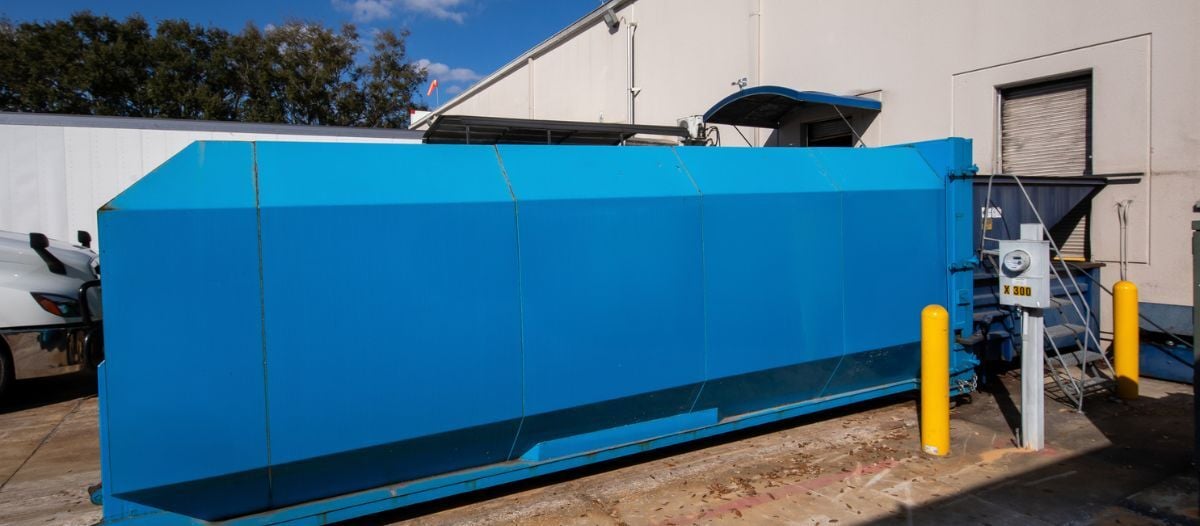
Smart waste management systems in intelligent buildings have emerged as a critical innovation in addressing the growing challenges of urbanization, increasing waste generation and environmental sustainability. As modern buildings evolve into intelligent and interconnected environments, waste management is no longer limited to traditional collection and disposal practices, but is becoming a data-driven, automated and optimized process.
Rapid urban growth and changing consumption patterns have significantly increased waste production, making conventional waste management systems inefficient, costly and environmentally unsustainable. In this context, smart waste management systems integrate advanced technologies such as the Internet of Things (IoT), artificial intelligence (AI), sensors, cloud computing and data analytics to improve waste handling processes, enhance operational efficiency and support sustainable building operations.
Technological enablers
The integration of IoT technologies plays a foundational role in smart waste management within intelligent buildings.
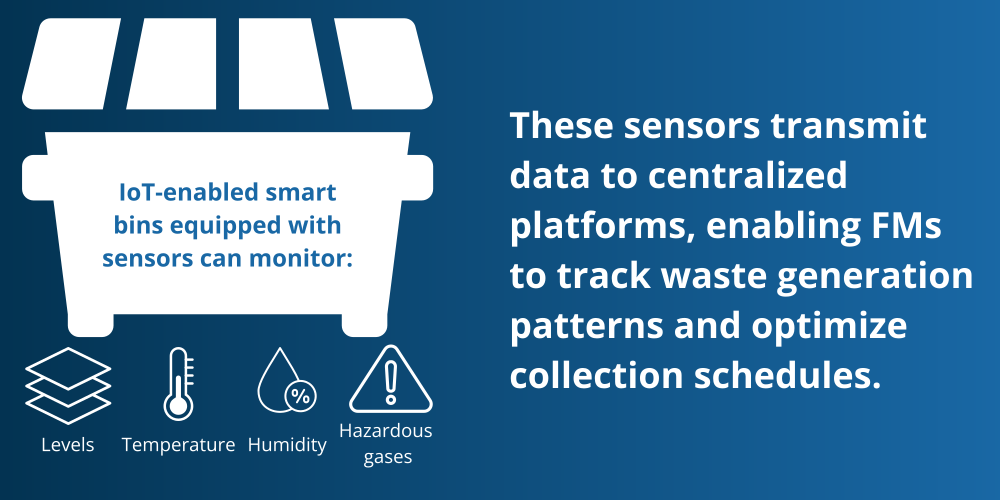 Unlike traditional fixed-schedule waste collection systems, smart systems operate on demand, ensuring that waste is collected only when necessary. This approach significantly reduces unnecessary collection trips, lowers fuel consumption and minimizes operational costs. Research has shown that IoT-based waste management systems can reduce collection costs and improve efficiency by optimizing routes and eliminating redundant operations. Additionally, GPS-enabled routing and real-time monitoring can reduce vehicle mileage and carbon emissions, contributing to environmental sustainability.
AI further enhances the capabilities of smart waste management systems by enabling predictive analytics and intelligent decision-making. AI algorithms analyze historical and real-time data to forecast waste generation patterns, detect anomalies and optimize waste collection strategies. For example, machine learning models can predict peak waste generation periods in commercial buildings, airports or residential complexes, allowing FMs to allocate resources more effectively. AI-driven systems can also support automated waste segregation by identifying different types of waste using image recognition and deep learning technologies. Recent research highlights the use of deep learning models combined with IoT systems to improve waste sorting accuracy and reduce human intervention in waste handling processes. This not only enhances operational efficiency but also improves recycling rates and supports circular economy practices.
Smart waste management systems in intelligent buildings also incorporate advanced communication technologies such as wireless networks, cloud platforms and mobile applications. These technologies enable seamless data transmission, real-time monitoring and remote management of waste operations. FMs can access dashboards that provide insights into waste levels, collection schedules and system performance, enabling data-driven decision-making. Cloud-based platforms also facilitate integration with other building management systems, such as building automation systems (BAS), allowing for a holistic approach to FM. This integration enhances coordination between waste management, energy management and maintenance operations, leading to improved overall building performance.
Another key technological component is the use of smart sensors and actuators for waste segregation and recycling.
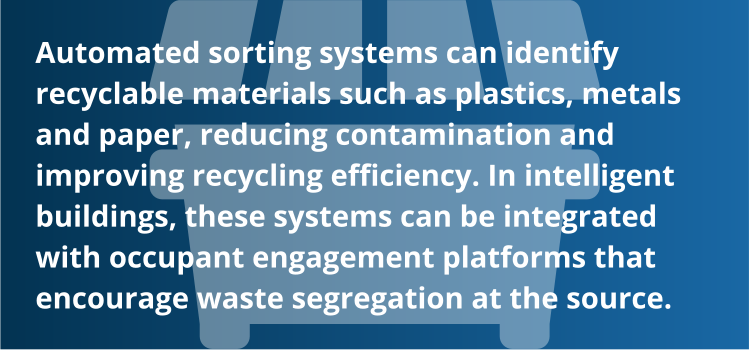 For instance, smart bins can provide feedback to users through digital interfaces, promoting sustainable behavior and increasing awareness of waste reduction practices. Such systems align with global sustainability goals and contribute to reducing landfill waste and environmental pollution.
The benefits of smart waste management systems in intelligent buildings are significant and multifaceted. From an environmental perspective, these systems reduce greenhouse gas emissions by optimizing collection routes and minimizing fuel consumption. They also support recycling and resource recovery, contributing to a circular economy. From an economic standpoint, smart waste management reduces operational costs by improving efficiency and minimizing manual labor. Automated systems decrease the need for frequent collection and reduce maintenance costs associated with traditional waste management practices. From a social perspective, improved waste management enhances hygiene, reduces health risks and creates cleaner indoor and outdoor environments for occupants.
Challenges exist
Despite these advantages, several challenges hinder the widespread adoption of smart waste management systems in intelligent buildings. One of the primary challenges is the high initial cost associated with deploying IoT sensors, smart bins and advanced analytics platforms.
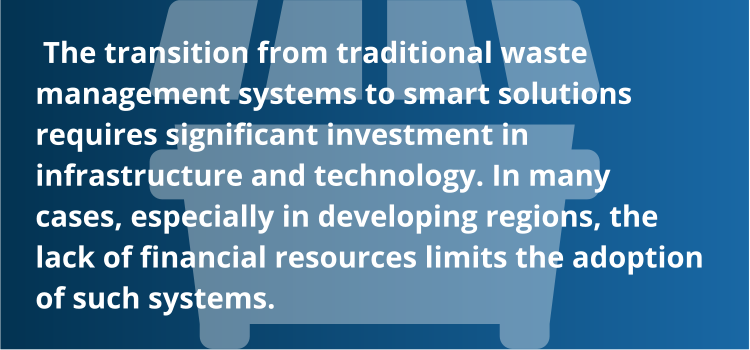 Additionally, reliable connectivity and power supply are essential for the effective functioning of IoT-based systems, and any disruption can affect system performance.
Another major challenge is the integration of smart waste management systems with existing building infrastructure. Many buildings operate on legacy systems that may not be compatible with modern technologies, making integration complex and costly. Interoperability issues between different platforms and devices can also hinder seamless communication and data exchange. Data security and privacy concerns arise due to the extensive use of interconnected devices and cloud-based platforms. Protecting sensitive data and ensuring secure communication networks are critical for maintaining the reliability and trustworthiness of smart systems.
The successful implementation of smart waste management systems also depends on the availability of skilled professionals capable of managing and maintaining advanced technologies. FMs and technical staff must be trained in data analytics, system integration and digital technologies to effectively operate smart systems. Additionally, user behavior and awareness play a crucial role in the effectiveness of waste management systems. Without proper education and engagement, occupants may not utilize smart systems effectively, reducing their overall impact.
But opportunities persist
 Smart waste management systems present significant opportunities for innovation and sustainability in intelligent buildings. The integration of emerging technologies such as blockchain can enhance transparency and traceability in waste management processes, ensuring accountability and improving resource recovery. Digital twin technology can provide virtual simulations of waste generation and management processes, enabling predictive analysis and optimization. Edge computing and 5G connectivity will further enhance real-time data processing and system responsiveness, enabling faster and more efficient decision-making.
These smart waste management systems are expected to play a vital role in the development of smart cities and sustainable urban ecosystems. Intelligent buildings equipped with advanced waste management technologies can contribute to city-wide waste management frameworks, supporting efficient resource utilization and environmental protection. These systems align with global sustainability initiatives and national development strategies, including efforts to achieve net zero emissions and reduce environmental impact. In regions such as the Middle East, where mega projects and smart cities are rapidly developing, smart waste management systems offer a scalable and efficient solution to address waste-related challenges.
Smart waste management systems in intelligent buildings represent a transformative approach to modern facility management. By leveraging IoT, AI, data analytics and automation, these systems enhance efficiency, reduce costs and support environmental sustainability. While challenges such as high initial investment, integration complexity and cybersecurity risks remain, the long-term benefits of smart waste management systems outweigh these limitations. As technology evolves, these systems will become increasingly sophisticated, enabling intelligent buildings to achieve higher levels of sustainability, operational efficiency and occupant satisfaction. The adoption of smart waste management is not only a technological advancement but also a necessary step toward creating cleaner, smarter and more sustainable built environments.


Izzat Ali Khan, SFP, FMP, is the general manager at EFSiM Facilities Services. A seasoned FM professional, he is passionate about creating a positive impact in business through sustainability. He focuses on integrating sustainability and innovation in businesses to build the FM industry and make the world a better place to live.

Dr. Shahrukh Nawaz Khan is an environmentalist with specialized expertise in water pollution control and circular economy practices. He holds a Ph.D. in environmental sciences, with a strong focus on sustainable resource management. His work centers on reducing environmental impacts through efficient waste and water management solutions, signalling his commitment to promoting environmentally responsible practices that support long-term sustainability.
References
Top image via Getty Images.
Read more on Sustainability or related topics Sustainable Facility and Waste
Explore All FMJ TopicsRelated articles
-

Smart Building Control Systems
The foundation for a grid-interactive buildingBy Andre Marino09.25.2024 -

Smart Building Innovation
Cutting costs & carbon footprints without compromiseBy Andrew Butterworth09.12.2024 -

Chart the Path
Building sustainable cities & a sustainable futureBy Izzat Ali Khan & Aykean Forde12.16.2024