 Membership
 Network
 Regional Sites & Affiliates


 Events
 Participate
 Resources
 Training
 Credentials
 Government


 Content Channels
 Tools
Tools


 Business Overview




Social & Environmental Performance
Why FMs can’t afford to not work with mission-based companies

In January, the big news story of 2020 looked like it was going to be the Australian wildfires. The blaze burned for months and ultimately swept through more than 46 million acres, killing or displacing almost 2 million animals. Then, just two months later, the COVID-19 pandemic replaced all thoughts of suffering koalas and kangaroos. Businesses shut down, events were cancelled, and people hunkered down in their homes. This was clearly the story of the year. Nothing could knock it out of the headlines.
Then, on May 25, George Floyd went out for a pack of cigarettes.
The outrage that erupted in response to the deaths of Floyd, Ahmaud Arbery, Breonna Taylor and other Black Americans brought racial injustice and inequity to the forefront around the world. Large corporations swiftly responded, issuing statements and press releases indicating their support of social justice and outlining the actions to combat systemic racism in their cultures and communities. Smaller businesses quietly implemented internal policies that promote diversity and inclusivity. Companies knew they needed to act and act quickly: a 2018 study found that 64 percent of the world’s consumers would choose or boycott a company based on its stance on societal issues.
It has perhaps never been more important for companies to be aware of their role in creating a just, inclusive and sustainable global economy. But they need to do more than acknowledge it; they need to commit to it and join forces with other companies with a similar commitment. For FM professionals, that means hiring building service contractors that share their organization’s corporate values. By working with mission-based Certified B Corporations, FMs can ensure their organization is partnering with companies dedicated to using business as a force for good.
Certified B Corporations, or B Corps, are for-profit businesses that have met stringent standards of social and environmental performance, transparency and accountability. Businesses seeking certification must first complete a credible and comprehensive assessment called the B Impact Assessment (BIA). This assessment includes about 200 questions that measure the company’s performance in five key categories: governance, workers, customers, community and the environment. Results of the BIA are verified by the nonprofit organization B Lab, which may request additional documentation or conduct background checks as needed.
Once certified, B Corps are legally required to consider the impact of their business decisions on both shareholders and stakeholders, including employees, the community and the environment. They also must undergo recertification every three years. There are more than 3,500 B Corps representing 150 industries and 74 countries.
FMs can benefit from hiring surface care and maintenance companies that are B Corps in a number of ways. First, they can trust that these companies are managing their supply chains ethically and using products that are environmentally sustainable. Second, they know that these companies value their employees and have a loyal, engaged workforce. Finally, they can rest easy knowing B Corps perform effectively and efficiently and are actively engaged in continuous improvement efforts.
Supply-chain sustainability
Social issues may be dominating the news cycle, but environmental sustainability is also critical to global well-being. B Corps are tasked with developing transparent supply-chain strategies that demonstrate how the products and services they use are not harming the environment. To do so, they survey their vendors and suppliers about their practices to ensure they meet certain requirements. They dig deep into not only their vendors’ financials, but also their policies, procedures and core values.
Today’s consumers want to know where and how a product was made and by whom. They demand accountability and transparency in the supply chain. By adhering to a strong internal commitment to sustainability and communicating this information internally and externally, B Corps assure their stakeholders that they are doing their part to create a healthier environment.
Earth-friendly solutions are vital in the commercial surface care and maintenance industry, which has a significant environmental footprint. These companies have a responsibility to make ethical decisions regarding energy use, water consumption, carbon emissions and other environmental impacts. Cleaning products must be safe for both people and the planet; water usage must be carefully monitored; and debris and waste must be recycled or otherwise diverted from the landfill as much as possible. If the company subcontracts—and nationwide surface care and maintenance companies almost always subcontract—they need to ensure their subcontractors are treating their employees humanely and fairly.
In the end, by choosing to work with contractors who have an established supply-chain strategy that focuses on sustainability and accountability, FMs can ensure they, in turn, are following best practices and adhering to the highest environmental standards. They can readily verify that the products and materials used in their buildings are safe and that the services they need won’t have a negative impact on the environment.
People, not profit
Simply put, B Corps value their employees. In many industries, that isn’t always the case, and turnover rates reflect this lack of appreciation. Employee turnover in the commercial cleaning industry, for example, is extraordinarily high, averaging 200 percent and sometimes reaching 400 percent. It’s easy to understand why cleaning professionals don’t stick around for long: Wages are low, the work is repetitive and physically demanding, and there aren’t many opportunities for advancement.
B Corps address these challenges head-on through their internal HR practices. They pay their employees above-average wages, and they offer benefits and other perks. They incorporate innovative, high-tech solutions such as collaborative robots that can take over more monotonous or strenuous tasks. They offer training and certification opportunities so employees can advance in their careers. Combined, these solutions help keep employees happy and engaged. Happy, engaged employees outperform their peers and are more likely to stay with their company.
B Corps have one other big advantage when it comes to employee retention and recruitment: They attract employees who believe in their mission. The younger generations are especially drawn to companies with a purpose. Recent studies have found that 45 percent of Gen Zers want to work for a company that makes a difference in the world and 75 percent of millennials—who make up the largest proportion of today’s workforce—would take a lower salary to work for a socially responsible company. B Corp employees are there for a purpose, not a paycheck.
FMs who hire B Corps directly benefit from their commitment to and loyalty from employees. The teams coming to their facilities are properly trained and certified, and they adhere to best practices. Lower turnover results in a higher consistency of service and a more safe and secure building.
Production & performance
By embedding better business practices in their governing documents, B Corps are more resilient and operate at higher levels. This long-term legal commitment to the greater good continues throughout leadership changes, organizational growth and external challenges (like a pandemic). It results in consistent performance and clear policies and procedures that positively impact their employees, their community and environment.
Even if a company isn’t ready to commit to becoming a B Corp, completing the BIA is an eye-opening experience that can be used to improve performance. The BIA helps companies measure their social and environmental impact by closely examining their current practices. After submitting the BIA, companies receive an impact report that shows where they’re performing well and where they can improve. They also receive what is called a B Impact Score. Most companies score between 40 and 100 on a scale of 0 to 200; B Corps are required to achieve a score of at least 80. Companies can then benchmark their score against leading businesses across the globe. The assessment itself is free (there are costs associated with becoming certified) and can be completed on a regular basis to measure performance over time.
Ideally, companies use the BIA to develop a detailed plan to improve their impact. B Lab offers a number of helpful resources to assist with this.
What does this mean for FMs who are partnering with B Corps? It means they are working with companies that not only meet the highest standards of verifiable performance, but also are on a path of continuous improvement. As part of the recertification process, B Corps must set improvement goals that are measured using the BIA. FMs don’t have to worry about their contractors’ performance declining over time— they can assume it will only go up.
Business for today & tomorrow
B Corps are changing the role of business in the global economy. Companies are no longer simply providing a service or manufacturing a product; they are actively contributing to communities and the environment. They are also being held accountable for these contributions—both positive and negative.
FMs who consider their corporate values and seek out contractors with the same values are leaders in this new way of doing business. By incorporating sustainability, transparency and accountability in their everyday work, FMs raise the bar for everyone and help build a more inclusive, diverse and responsible global economy.
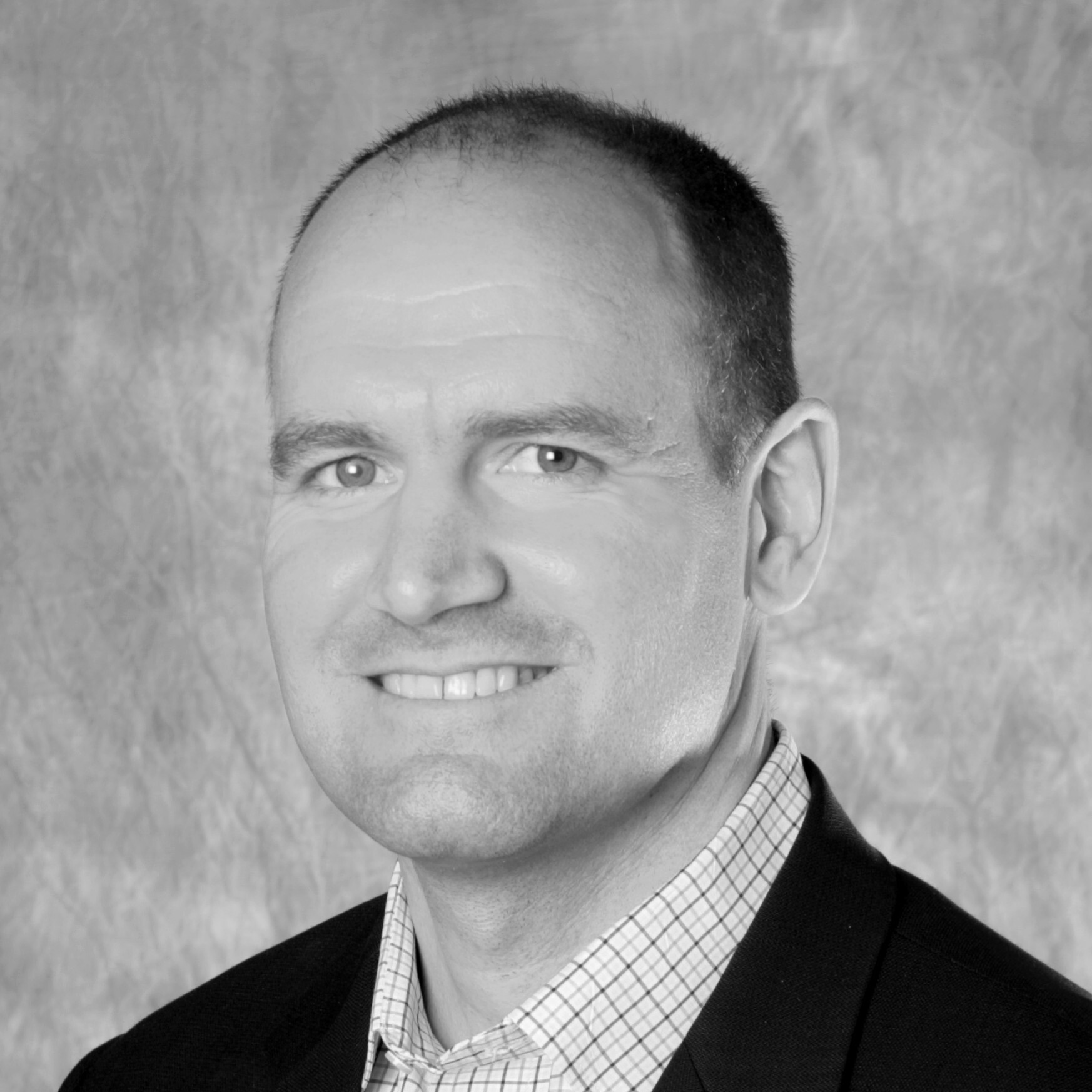
Thomas Holland is the CEO of APEX Surface Care, a 23-year old Certified B Corporation® and CIMS-GB certified national specialty surface care company headquartered in Texas. APEX is part of a family of brands that provides flooring, recycling, specialty maintenance and general building maintenance. APEX has been a supporter of IFMA for more than 20 years and is a founding sponsor of Women in Facility Management (WIFM), a 501(c) (3) professional organization focused on furthering the advancement of women in commercial facilities management careers.
References
Top image via Getty Images.
Read more on Sustainability or related topics Environmental, Social and Governance (ESG)
Explore All FMJ TopicsRelated articles
-

Smart Building Control Systems
The foundation for a grid-interactive buildingBy Andre Marino09.25.2024 -
Smart Building Innovation
Cutting costs & carbon footprints without compromiseBy Andrew Butterworth09.12.2024 -
Chart the Path
Building sustainable cities & a sustainable futureBy Izzat Ali Khan & Aykean Forde12.16.2024