
 Membership
 Network
 Regional Sites & Affiliates


 Events
 Participate
 Resources

 Training
 Credentials
 Government


 Content Channels
 Tools
Tools


 Business Overview




Sustainability
An integration tool

Facility management not only should be run like a business, but is, in fact, a business unto itself. Like any industry, FM needs effective means of communication, a solid marketing plan to tout their successes and talent.
Finding and keeping proficient employees is a common challenge throughout the business world. Facility Management is no exception.
By the nature of the profession, the value of FMs is twofold. The sustainability initiatives implemented by a Facility Manager lays the foundation for a successful business application of environmental practices. By creating and maintaining a healthy, efficient building, they are attracting the right kind of prospects to the company. Secondly, FMs set an example for workers who truly want to make a difference, enticing them to join the profession.
FMs play a large role in creating a viable, productive atmosphere which serves as a recruitment tool for the profession and/or the company. FMs are responsible for providing more natural light, better air quality, optimum temperatures and improved acoustics. These ambient attributes lead to a happier and healthier workforce, which improves employee productivity. The positive effect of a sustainable office on employees’ output can range from a 6 to 16 percent increase in productivity.
With environmental concerns being an important aspect of Corporate Social Responsibility, a company can create the reputation as a destination of choice. This can lead to opportunities of attracting top talent and like-minded partners and customers.
In a world of growing diversity, this issue has become more pronounced. Globalization is introducing different nationalities interacting around the world, breaking culture and language barriers. Age diversity is even more prevalent in the workforce, which features energetic and idealistic newcomers to experienced battle-tested veterans, conceivably spanning five generations.
Looking forward
With the vast age range in the workforce, it can be difficult to describe how generations feel about sustainability in the workplace. A good starting point could be to frame a possible future. FMs and business leaders need to create assumptions and propose ideas so they can be tested to see if they might be true. They are generally constructed before any applicable research has been done, based on empirical evidence. A supposition is posited and background information can be accrued, but a resolution can never be certain until after the fact.
Assumptions are not new to the FM world as the profession has developed through trial and error. Even strategic plans are based on ‘What If?’ scenarios. At this point, FMs have insufficient evidence to provide more than tentative suppositions about how sustainability is regarded. It may be expected as the new status quo; a defining factor in a person joining a company or it may be met with apathy.
It could be assumed that younger generations coming into the workplace would be concerned about the environment, climate change and the impact commercial buildings have on the planet. After all, it is their future and their quality of life are aspects that will be affected most. However, what must be considered is their attraction to social media. This might prove to be a challenge because a person can only absorb so much information. Depending on the sources of that info, perceptions of sustainability could differ substantially.
However, FM is also built on networking, and the use of social media on a constant basis affords younger generations those networking opportunities. Ideally, this back-and-forth directs these users to embrace environmental causes.
FMs are faced with creating, proving and enhancing the perception through social media and other marketing venues where they have the most influence on the environment by virtue of their resource management efforts. Sustainability can be used to engage, recruit and retain quality talent in the workplace. Just as the Triple Bottom Line (People, Planet, Profits) inspires varied audiences in the business world, sustainability can be presented through focused messages that appeal to different generations.
Clean and healthy workplaces are aspects of a company that can lead to accumulating superior talent in the workplace, through the retention of existing employees and hiring quality personnel.
How can a company can attract people from the multiple generation pool? Each age group has its own characteristics, experiences, upbringing, and overall attitude regarding professional values. Each generation wants to be engaged and has unique strengths that can be utilized in a stakeholder group.
Generational traits
Traditionalists have respect for authority and expect respect for their experience. For the most part, traditionalists are out of the workforce now, but those who remain are rife with wisdom based on their tenure. It is doubtful they would be looking for a change in employment, but having them on hand for mentoring and willingness to support company directives will help in retaining valuable employees. If they embrace sustainable actions, it paves a positive road for their successors.
Baby Boomers believe in large causes and are convinced they can change the world. They are open to new ideas. Sustainability leaders need to leverage these experienced Boomers before they exit the workforce. They are skilled in organizing large groups of people around a mission and then creating a strategic plan to make it happen. They aren’t afraid of hard work and are tireless in pursuit of their goals. They are unique in their ability to balance profit and prosperity motives with a social one.
Much has been made of the loss of institutional knowledge and experience that will occur when Boomers retire, but many are looking for new career opportunities. Part of their make-up is they need to feel needed and valued for what they can contribute. Sitting in a rocking chair on the front porch won’t satisfy their work ethic for long.
They are transformational, wanting to make a difference, perhaps to do something great for a second curtain call. They can be enlisted by catering to their desire to leave a better world for future generations. Sustainability programs align to their social values, and leadership roles within sustainability initiatives would be a perfect fit. They can facilitate sustainable progress while guiding new leaders. Their idealism can be used to drive change. Their enthusiasm and energy will help to rally others around sustainability, achieving measurable results that benefit the Triple Bottom Line. Boomers are generally driven by intrinsic motivation, wanting to do good for its own sake.
As sustainability leaders, they need to try and harness the strengths of Gen Xers and Millennials. These younger professionals will be working together for years to come, and their collaboration will be vital for the long-term success of initiatives.
Generation X sometimes seems surprisingly disengaged, dismissive or doubtful about whether global climate change is happening, and they don’t spend much time worrying about it. The key here is to make them care. They are more extrinsically motivated, believing in the value of working hard but only if they get monetary benefit from it. However, their ‘what’s in it for me?’ attitude can be directed toward sustainability, given the right messaging. They are results driven, always on the lookout for meaningful work and thrive on being creative.
This generation is good at meeting short term goals and problem solving. Interestingly, many say they want to work for companies that care about their impacts. They can be engaged by focusing on their resourcefulness. They are independent and innovative, and they will find ways to improve a company’s environmental performance given the right guidance and direction. Xers have no issues with letting go of “how things used to be done.” They value the differences others bring to the team and genuinely believe diverse views are important in achieving results.
Gen Y/Millennials are the most environmentally conscious group in the mix. Millennials need to feel a connection to a company’s mission beyond profit. They feel personally responsible for making a difference in the world. They are motivated to work harder when they know their efforts add value to the company and the planet. The key to this generation is to group them with other creative people and mentors with the common focus of sustainability. They are eager to go to work for organizations where they want, not need, to show up. They respond to competency rather than titles and they respond poorly to authoritarian figures who feel they are entitled to respect and compliance. Mentoring by committed and proven sustainability practitioners will make a major impact.
Millennials can easily spot inauthenticity. They are concerned about the environment and filter job selection choices with their green mindset. There will need to be more than a few recycling bins in the office to call a workplace green. They are more attracted to the company’s mission, purpose and sustainability practices which needs to prove it has a desire to change the world.
Millennials will be enthusiastic supporters of change initiatives. They are goal and success driven. They’re optimistic, independent and overeducated. They believe in transparency, free-flowing information and inclusive decision-making. They prefer a company that sets goals and allows for meaningful collaboration in decision making, followed by rewards for those who make it happen. Employees who are asked for their best with challenging new assignments are more likely to stay. They want to grow and benefit from exposure to cross-company leadership, learning how to apply their green metrics in a business-centric way. This will ensure them job satisfaction and help businesses succeed.
Generation Z represents the policymakers, industry leaders, technical experts and consumers of tomorrow. This is an audience with whom the wider energy and sustainability community must engage to realize a more sustainable future. They are constantly thinking about their own aspirations and plans for the future. These emerging leaders also see their own behavior as particularly important when it comes to supporting sound environmental practices. Many of these young people seem to be interested in working or studying in an area related to sustainability.
With optimism, then…
The ability to attract and retain quality employees is always a top-of-the-list business objective for any employer. People like to be associated with the positive, especially younger generations raised on a steady diet of environmental protection messages. They do not want to be linked to companies implicated in ecological disasters and social welfare scandals. A company should be recognized as respectful of the environment and of its employees.
Sustainability is not generationally specific. The precepts that lend themselves to success in recruiting and retaining quality employees rely on the attempts to integrate the generational differences that are extant in the workplace into a common focus, encompassing safe and sound environmental practices. Those targeted prospects and employees need not have the experience necessary for an instant start but should have interests and passions that meet the needs of the company or, more particularly, FM. In the case of environmental concerns, each generation has its own agenda to fulfill.
Tapping into the needs or desires of all employees and encouraging their will to succeed in the sustainability arena provides an extra incentive. Empowering personnel to concentrate on environmental issues that can be addressed and mitigated in the workplace is a powerful tool that can lead to the attraction and retention of valued workers. These are the types of employees who will make a world of difference, for the company and for the planet.
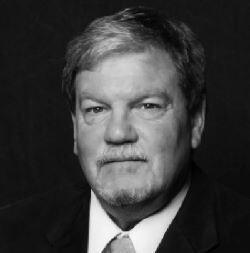
Bill Conley, CFM, SFP, FMP, LEED AP, IFMA Fellow, is a facility manager at Yamaha Motor Corp. in Cypress, California, USA. He previously served as owner and chief sustainability officer of CFM2, a facility management company. Conley has more than 40 years of experience in the facility management profession and has been a proponent of sustainable operations for more than 20 years. Conley has served on the IFMA board of directors, is a recipient of IFMA’s Distinguished Member of the Year award and has received the association’s Distinguished Author award three times. He has been a regular contributor to FMJ for almost 30 years and has authored more than 100 FMJ articles.
References
Top image via Getty Images.
Read more on Sustainability and Leadership & Strategy or related topics Team Management and Succession Planning
Explore All FMJ TopicsRelated articles
-

Smart Building Control Systems
The foundation for a grid-interactive buildingBy Andre Marino09.25.2024 -

Smart Building Innovation
Cutting costs & carbon footprints without compromiseBy Andrew Butterworth09.12.2024 -

Chart the Path
Building sustainable cities & a sustainable futureBy Izzat Ali Khan & Aykean Forde12.16.2024