
 Membership
 Network
 Regional Sites & Affiliates


 Events
 Participate
 Resources

 Training
 Credentials
 Government


 Content Channels
 Tools
Tools


 Business Overview





Sustainable Upgrades
Leveraging big data for success
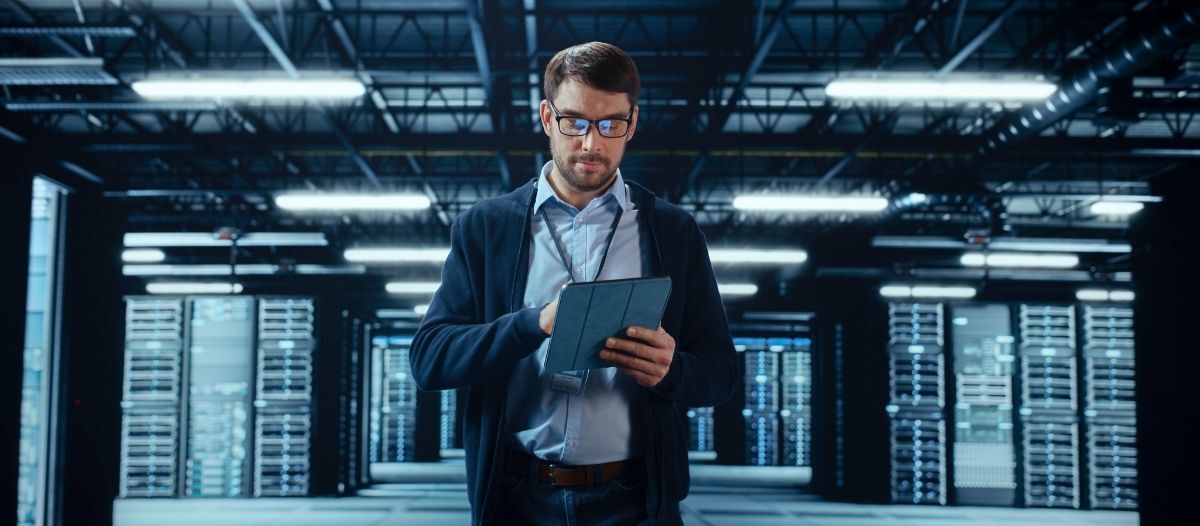
With health and safety concerns leading the infrastructure charge in 2021 and beyond, facility managers are facing new challenges regarding capital planning and updating infrastructure assets. An anticipated increase in energy usage – stemming from concerns over outdated ventilation and HVAC systems – has made it especially vital that FMs address these urgent infrastructure needs from a sustainability perspective.
With existing, aging infrastructure and constrained budgets already impacting economic development, health, and safety for the public, FMs must be more strategic about how they are approaching these upgrades, from balancing short-term needs with long-term investments to effectively communicating these decisions with stakeholders. The infrastructure built today must have safer occupants and lower emissions in mind.
But there is good news. FMs are figuring out how to meet these challenges head-on and regain control with a modern, data-driven approach. Those in charge of the infrastructure of the future are increasingly realizing the need to diagnose the underlying challenges at hand by looking at the data sets available before funding a quick-fix solution. By implementing strategic asset management, guardians of assets can stretch the dollar further, and more importantly, efficiently manage all infrastructure and sustainability needs. Leveraging Big Data will ultimately save time, money and stress when it comes to asset repairs down the line.
In 2020, FMs saved millions on electric, natural gas and water costs by being able to quickly and strategically shut down their facilities. However, industry data also shows that, though energy was saved broadly due to lower consumption as facilities sat empty or underutilized during the pandemic, there was much left on the table by managers who were unprepared for the abrupt exit.
An external survey conducted by Johnson Controls revealed that only 10 percent of participants saw a savings increase of 20 percent or higher from reduced occupancy alone. Experts now realize that more insightful use of data and better preparation can promise facilities much more advanced energy savings and sustainability before, during, and following the next big crisis.
There are a few pertinent examples of facilities within the education sector that saw success with this method well before COVID-19 hit in the U.S., including the largest public school district in Iowa, , and another in Kentucky. Since 2008, Des Moines (Iowa) Public Schools saved more than US$20.2 million and prevented 40,600 metric tons of CO2 emissions by keeping a close eye on their data to manage energy usage. Similarly, Kenton County (Kentucky) School District has over US$17 million in avoided energy costs since 2005 and almost US$2 million in avoided energy costs in 2020 alone.
There has always been a clear relationship between consistent data collection and savings, but COVID-19 further emphasized this trend. Making public facilities more energy efficient promises to lower emissions, create jobs, and greatly extend the life of building assets. With much-needed repairs to aging ventilation and HVAC systems on the horizon, these savings will prove invaluable. There will be a greater emphasis placed on building occupant health, which could impact policies around ventilation and water requirements, resulting in more use and higher cost for utilities. This will lead to questions like, how is this going to affect utility spending and impact the long-term life of assets? These health design issues will be an infrastructure investment priority for all facilities in 2021 and beyond, and those in the industry will need to account for this in their maintenance and capital plans.
How can FMs start making infrastructure more resilient to structural threats and ensuring greater occupant health, all while keeping costs and emissions low? The answer here is strategic energy management. Just like pouring a solid foundation for a facility is a must, the consistent tracking of utility data is what any realistic energy management plan must be built on, because without a plan of action for the next global emergency, professionals are at risk of wasting the savings and learnings stemming from it.
The first step will be to align organizational goals and look to those goals to help prioritize the next steps in the creation of an energy management plan. For starters, begin evaluating and tracking:
-
Infrastructure (facilities/sites, accounts and meters)
-
Major utility services (electric, gas, water)
-
Utility billing data (consumption, demand, cost, billing days, rates)
-
Advanced meter data (15, 30, 60-minute interval data)
-
KPI data (weather, occupancy, square foot/meter, production values, school days, etc.)
Simply put, start tracking data. The world cannot credibly operate without it. Start with critical infrastructure first, and ask the following questions:
-
What are the raw facts of the organization’s utility consumption today?
-
At what facility or site is the organization pending and/or using the most utility resources?
-
What utility services cost the organization the most to use?
-
What is normal?
Arguably the simplest step conceptually, the planning and execution phase puts action to the energy management strategy. FMs are implementing stakeholder communication methods, coordinating contractors and project timelines, and ensuring occupant comfort is maintained and interruption is minimized. In this phase, it is important to take note of low-hanging fruit in addition to some of those large, eye-grabbing capital projects. Planning for, and executing on, things like consistent preventive maintenance schedules are some of the best energy conservation measures FMs can implement.
In the next phase, it is important to prepare for measurement and verification of the project. If applicable, consider if sub-metering infrastructure was included during the retrofit planning. Has billing data been collected (and is there a process in place for its continual collection) to report on impact? Often, the post-measurement of a project is neglected, or delegated to the contractor at best. It is important to ensure an organization has an industry standard, third-party process for measurement and verification documented and prepared before project completion.
Work to establish, or revisit, the organization’s energy, conservation and sustainability goals. Make simple, achievable goals for year one – goals that you’re the organization will hit barring complete disregard for big conservation efforts. Energy management requires buy-in and commitment from building occupants and stakeholders and achieving early wins for the organization is one of the best ways to build long-term momentum. Ask questions like, did the project meet guaranteed savings? Did the savings from that project overperform? Whatever the outcome, calculating and reporting these findings to stakeholders effectively will be key.
Without setting clearly defined goals, and aligning priorities to those goals, organizations tend to prioritize based on public image, impact, or pure cost-savings. Of note, a recent study found there still exists a clear generational divide around what to prioritize in 2021 and beyond, with younger Americans (47 percent of Gen Z) wanting their communities to continue prioritizing sustainability and older Americans (59 percent of Baby Boomers) wanting to prioritize cost-effective infrastructure upgrades. As this debate comes to a head, it is important that energy and facility managers realize their influence in communicating this balance is not an all-or-nothing issue and that cost-effective and sustainable infrastructure upgrades can and should go hand-in-hand.
While most FMs have access to data that can illuminate the savings available via energy management, many still have a long way to go in effectively leveraging it. Without data as the foundation of any modernization initiative, future upgrades are not set up to succeed in our current climate. Without increased education and communication around the many benefits provided by sustainability efforts – from decreased costs to safer occupants – FMs continue to run into the same, avoidable challenges.

Dan Arant is a manager, North America, Energy & ESG at Brightly. Arant joined Brightly in 2013 and is a Certified Energy Manager through both the Association of Energy Engineers and the Institute of Energy Professionals. He graduated with a Bachelor of Science degree from the University of North Alabama in 2010. Arant is passionate about empowering the public and private sectors to reduce utility waste in their facilities and operations.
References
Top image by Getty Images.
Read more on Sustainability and Facility Technology & Data Management or related topics Sustainable Facility , Operational Technology and Facility Technology
Explore All FMJ TopicsRelated articles
-

Smart Building Control Systems
The foundation for a grid-interactive buildingBy Andre Marino09.25.2024 -

Smart Building Innovation
Cutting costs & carbon footprints without compromiseBy Andrew Butterworth09.12.2024 -

Chart the Path
Building sustainable cities & a sustainable futureBy Izzat Ali Khan & Aykean Forde12.16.2024