
 Membership
 Network
 Regional Sites & Affiliates


 Events
 Participate
 Resources

 Training
 Credentials
 Government


 Content Channels
 Tools
Tools


 Business Overview




The Digital Transformation
A recipe for FM standards
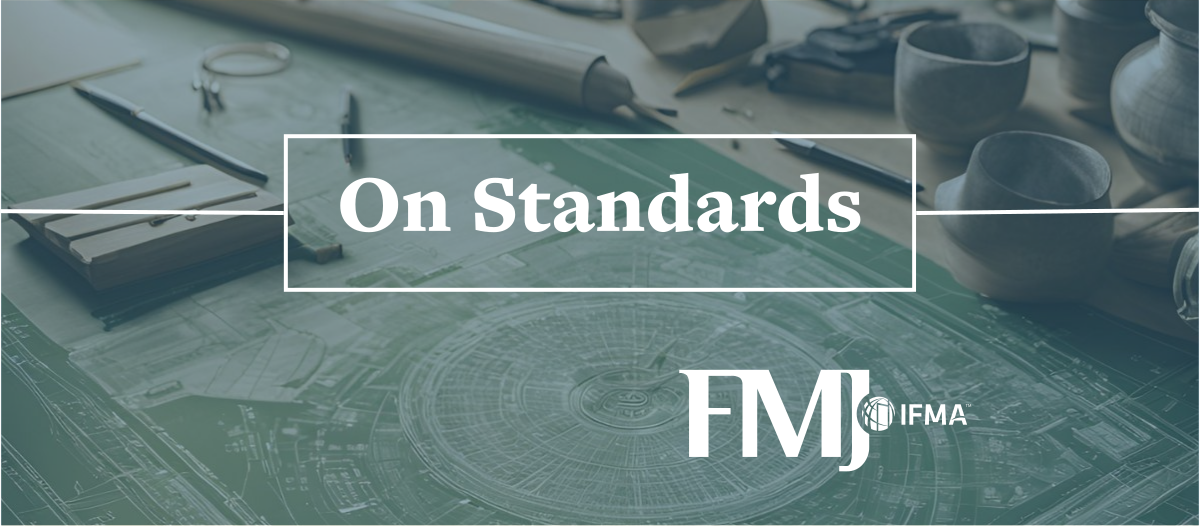
Technology has changed almost every aspect of business in every sector. It has become a crucial and indispensable element of success for any business, reaping huge benefits in areas such as communication, human resources, finance and accounting, supply chain and logistics, and even marketing and sales. Technology has introduced new and better methods of making business not just faster, but more efficient, more effective and much more convenient. Years ago, no one would have dreamed people could shop or watch a video on a smartphone while enjoying a latte at a favorite coffee shop; or that nearly every business would work almost completely remotely, transacting business close to 100 percent online during a global pandemic.
The facility management industry is no stranger to technology. About 25 years ago, the industry embarked upon an incredible digital transformation journey. Some in the space would say this journey began somewhat slowly. In the early days, FM began exploring the use of simple client software applications to support basic workflows, perform uncomplicated tasks and generate plain automated reports. These early FM tools launched what has become computer-aided facility management (CAFM) software and computerized maintenance management systems (CMMS). In those days, any momentum in the adoption of these tools was sometimes scoffed as a passing fad by FMs or even outright ignored by a very traditional and conservative workforce.
That has all changed. More and more FMs and their teams are actively seeking and eagerly considering innovation in their facilities. During the past decade, advances in technology – both software and hardware – have accelerated so rapidly that the FM industry can barely keep up. The recent explosion of technologies is being led by innovations in digital twins, mobility, IoT, analytics, automation, the cloud and social media. These advanced technologies present the FM world with a rapidly changing and expansive landscape of new possibilities. However, while it is very exciting to envision all the extraordinary opportunities for improvement, FM professionals should take a moment to consider a few things prior to selecting and implementing technology.
First, it is a good idea to conduct an assessment to help define and build a comprehensive FM-driven digital transformation strategy. This assessment will help the FM team to define requirements according to lifecycle facility and asset management goals, develop a discovery process to assess the current technology infrastructure and its ability to meet requirements, perform a gap analysis and develop a roadmap to fill or improve any gaps and define a technology implementation plan that drives value. The assessment will help focus on identifying and understanding fundamental business and technology challenges and may include activities such as:
-
Evaluating facility and asset data, its structure, which data is important, how that data is collected, all the places that it lives and whether there is redundancy.
-
Investigating the often siloed, independent business systems and other technologies that support specialized parochial capital expenditure and operational expenditure business processes and departments.
-
Examining the level of data sharing, integration and interoperability between disparate the files, systems and databases of those same business systems.
-
Understanding the ability to leverage these systems and data to generate management information and reporting for optimized life cycle facility and asset management decision-making and risk mitigation.
Although this new technology revolution is redefining the market and the way FMs look at infrastructure, as the industry moves forward with strategic technology initiatives it is becoming increasingly evident that a more deliberate and people-centric approach to technology adoption is needed. It is a common misconception that that once a business installs or upgrades its FM technology, their FM digital journey is complete. The reality is that digital transformation is not about software or technology — it is about that business’ adaptability and capacity for change and continuous improvement. It is about FM culture.
People, culture & change
Make no mistake, digital transformation and the substantial disruption and change it brings with it, can create a massive ripple in FM culture. This is especially true if there is an outward appearance that very little or nothing is wrong with the operation of the facilities and assets or the technologies that support them. Therefore, the FM industry must be more proactive when it comes to critical shifts in people and culture by understanding the impacts that technology change can have on FM professionals and other stakeholders. In many cases, asking a couple of simple questions can often aid in the path to understanding the effects that technology disruption brings with it, both positive and negative. Not just impacts on facilities and assets, but also the cultural impacts on the stakeholders of those facilities – employees and customers. These questions can include, but should not be limited to:
-
Does this business have a digital culture?
-
Does this business embrace innovation and the change that comes with it?
-
What needs to change, and why?
-
Is this business prepared for that change?
Understanding the importance of supporting the culture shifts that digital transformation initiatives introduce with a well-defined change management program is often overlooked. This change management program must clearly and concisely communicate existing and upcoming strategic technology initiatives, share the purpose and details of the initiatives as well as any anticipated challenges and benefits. Ideally, this change management program should also solicit input from all stakeholders (including customers), when appropriate, to mitigate perceived risks, skepticism or uncertainty caused by a lack of information or involvement. A recent Price Waterhouse Cooper study indicated that almost 75 percent of all transformation initiatives either failed or did not meet intended objectives, and more than half of those failures were because of people issues, communication and poorly aligned business culture.
A focus on standards
As a noun, the term “standard” is defined as, “a common rule or object that is considered by general consent as a normal requirement to be used as an approved model and basis for comparison.” The International Standards Organization (ISO) defines a standard as “a document that provides requirements, specifications, guidelines or characteristics that can be used consistently to ensure that materials, products, processes and services are fit for their purpose.”
Standards are everywhere. From smartphones to televisions, from banks to homes, and even vehicles; almost every service, product or technology used today is influenced and guided by a standard of some sort. These standards encompass everything and can cover topics ranging from production, materials, function, operation as well as safety and environmental.
That said, over the years one of the biggest challenges FMs face throughout the industry is fragmentation and a lack of standardization. As new technology is developed, it becomes more obvious that FMs must strive for common standards and guidelines that align with business strategy and goals to better leverage both technology and data with the focus of creating more business value throughout the facility and asset lifecycle.
In recent years, the ISO technical committee (TC) 267 for facility management (ISO/TC 267) – supported by IFMA as well as other organizations – answered the call and began to address the lack of global FM standards. ISO/TC 267 was established to develop the ISO 41000 Standards in Facility Management with the goal of “improving facility management for all stakeholders of the built environment and, ultimately, enhancing the quality of life." There are several working groups that comprise TC 267, including Working Group 6 (ISO/TC 267/WG 6) Technology in Facility Management, which has organized to specifically confront the challenges of technology and the digital frontier by:
-
normalizing technology terminology and vocabulary across specialized FM disciplines.
-
providing insight and shared guidelines for FM technology use, both hardware and software, and promoting FM data management strategies.
-
setting a common set of rules that define technology expectations and anticipated results in the FM environment.
-
defining best practices and industry-wide key criteria with methods to measure and optimize the performance of our FM infrastructure.
With a focus on FM, technology, and people, ISO/TC 267/WG 6 will lead the global FM industry forward by establishing a comprehensive framework for successful digital transformation and technology adoption that will enhance lifecycle facility performance and significantly alter the way we experience the built environment. These efforts, made on behalf of the FM community by international experts, present a tremendous leap forward for the FM community.
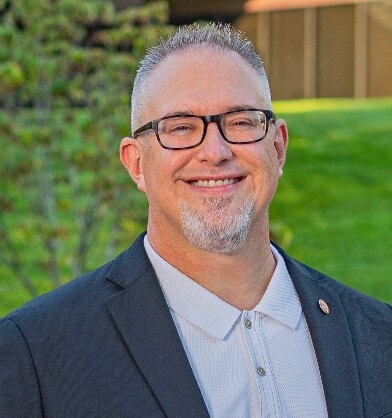
Doug Sinclair is the director of business development in the facilities and transportation markets for Radix Engineering in North America. With more than 30 years of experience in the AEC/OO industry, he has a deep background specializing in capital program, facility and asset lifecycle business process automation; digital transformation; data collection, aggregation, and analysis; as well as technology integration and interoperability initiatives for major building, plant and transportation owners. Sinclair’s functional solution and technology skills include Digital Twin/BIM/GIS, CIP, PPM, EAM, IWMS/FM/CMMS, ERP/BI, as well as IoT/ITOT/IIoT and SCADA/ICS/DCS. He is an IFMA member and serves on the Strategic Advisory Board for IFMA’s Information Technology Community (ITC). He also is a member of the Technology in Facilities Management Work Group (WG6) as part of the ISO Technical Committee 267 authoring the new ISO 41000 Facility Management Standard.
Read more on Leadership & Strategy , Facility Technology & Data Management and Standards or related topics Standards and ISO
Explore All FMJ TopicsRelated articles
-

Artificial Intelligence in FM
The stakeholder’s perspectiveBy Dr. Jake Smithwick & Dr. Kenneth Sullivan & Nneka Ubi05.01.2024 -
Mastering Change in Hybrid Environments
Insights from global operational leadersBy Meg Swanson09.02.2024 -

Plugged In
Solving the data disconnect in real estate and FMBy Amanda Muzzarelli & James Waddell07.01.2024