Membership
 Network
 Regional Sites & Affiliates


 Events
 Participate
 Resources

 Training
 Credentials
 Government


 Content Channels
 Tools
Tools


 Business Overview





The Great Indoors
Improving IAQ for employees & visitors
More than two millennia ago, the ancient Greek philosopher Heraclitus said, “Everything changes and nothing stands still.” FMs certainly know this to be true. Yet it is unlikely many FMs have experienced this level of upheaval previously in their careers, and it is still unclear how — and how much — the events of 2020 will change the future of FM.
One thing is certain: there is now a nonnegotiable need to create healthier buildings — not just for safety purposes, but also to reassure tenants and their employees. The U.S. Centers for Disease Control highlighted the increased stress levels many people are experiencing right now. While a variety of factors contribute to pandemic-related stress, simply being indoors can be anxiety-inducing due to growing awareness that viruses can potentially be transmitted in indoor environments. Employees and visitors will want to feel confident an indoor space is safe.
To ease these anxieties, building management must move from a back-office concern to part of the occupant experience. A five-pronged approach can help FMs meet these new expectations and provide tenants with increased visibility into how they are making buildings safer:
-
Prepare. Validate the building to be ready to return to partial or full occupancy and meet the latest ASHRAE standards and any organization- or region-specific safety policies.
-
Monitor. Examine the building hygiene, occupant safety and space usage in real-time.
-
Reduce. Reduce potential sources of contamination by enhancing standards for facilities and cleaning staff, and enforcing social distancing measures.
-
Respond. React rapidly to alerts and trends in building air quality and social tracing or space cleaning incidents.
-
Reassure. Improve employee and visitor confidence and minimize risk.
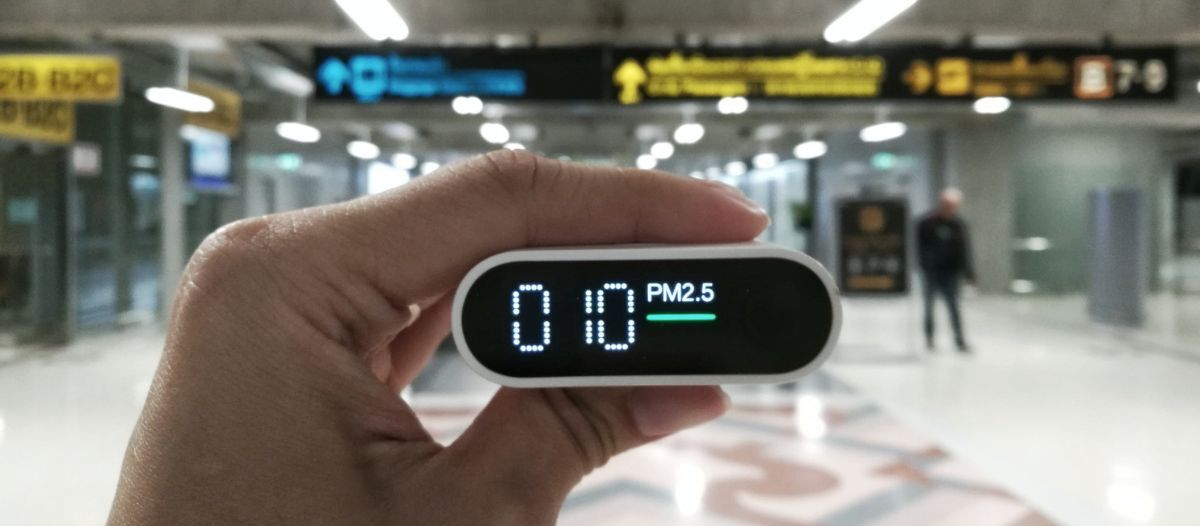
Each of these components requires FMs to design and execute new tactics, procedures, communication processes, training and technologies into a holistic strategy. Just as there is no single thing a human can do to stay completely healthy, there is no one-size-fits-all solution that can achieve these goals. While communication processes, procedures and training will vary from building to building, one commonality for all facilities will be having the right cleaning and safety technologies in place, particularly in the categories of indoor air quality (IAQ), and safety and monitoring.
Determining the right IAQ technologies
The backbone of building systems — ventilation, air quality, moisture, pressure and safety — is also the starting point for a healthier building. While every building has these functions, they may not be in keeping with the latest recommendations or have the ability to meet the new needs of employees and visitors.
The first step FMs must take is to conduct a building audit to ensure installed systems are operating properly and the building is meeting ASHRAE standards for a healthier environment based on the type of building.
ASHRAE’s updated guidance for inhibiting the spread of viruses includes:
-
Increasing outdoor air ventilation (use caution in highly polluted areas)
-
Disabling demand-controlled ventilation (DCV)
-
Opening minimum outdoor air dampers — as much as 100 percent — to eliminate recirculation
-
Considering portable room air cleaners with HEPA filters
-
Considering UVGI (ultraviolet germicidal irradiation) to protect occupants from radiation, particularly in high-risk spaces (e.g., waiting rooms or lobbies open to the public)
-
Considering altering equipment operating schedules to flush buildings with fresh air for two hours before and after occupancy
Following the audit, FMs should assess any places they can implement better IAQ technology. Options include:
-
Electronic air cleaners (EACs): An electrostatic precipitator, also called electrostatic air cleaner or electronic air cleaner, uses an electric charge to remove impurities — either solid particles or liquid droplets — from the air without impeding air flow. EACs can help remove and clean airborne particles before they circulate throughout a facility, reducing potential spread of pathogens, bacteria and contaminants. They are installed at the point of air intake in an HVAC system. Maintenance of commercial electronic air cleaners is often tool-free and relatively simple, due to components like removable grills for prefilter and electronic cell cleaning and replacement.
-
Ventilation controls: Proper air exchange can dispel odors, chemicals and CO2, while balancing energy use and reducing disease transmission. Building control products like actuators and economizers can bring in the right amount of fresh air based on environmental conditions, as well as meet building regulations. Newer economizers offer onboard fault detection and diagnostics to reduce service and commissioning time.
-
Humidity sensors: High humidity can promote bacteria and mold growth as well as conditions for dust mites, while low humidity can cause dry, itchy skin and upper respiratory irritations. Humidity sensors are an automated way to keep humidity at the right levels within a building, not only boosting occupant comfort, but also potentially reducing the transmission of certain airborne infectious organisms. ASHRAE research shows percent range can decrease occupant exposure to infectious particles and reduce virus transmission.
-
Pressurization controls: Maintaining proper pressurization in critical spaces, including restrooms, can help reduce pathogens, bacteria, viruses and other microorganisms that can be present in indoor air. Pressurization can also be used to contain air in a quarantined space or isolate and protect clean spaces; it creates precise, one-way airflow for more effective exchange and filtration, removing stagnant air where pathogens could linger. Pressure sensors provide low-maintenance measurement and control, while venturi valves help maintain consistent room pressure and directional air flow.
-
UV systems: UV systems use ultraviolet light to damage the DNA structure of certain microbes at the cellular level and inactivate various viral, bacteria and fungal organisms, making them less likely to replicate and potentially cause disease. The systems can be installed at HVAC coils or with an EAC to deactivate biological contaminants growing on cooling coils, helping prevent pathogens from spreading to building occupants.
A look at monitoring & occupant safety technologies
Building systems now must include digital technologies that can control access and occupancy levels and monitor air quality levels and other health and safety factors in real time. Tenants, employees and visitors will want to know the building is monitoring health factors like IAQ and enforcing social distancing — and that FMs and staff have the means to avert, identify and respond to issues — with measures and devices they can see in action.
According to research from global consultant McKinsey & Company, “Practically overnight, physical distancing and the lockdown of physical spaces have magnified the importance of digitization, particularly by measures such as tenant and customer experience … As more users adopt these digital-first products and services, users’ expectations will be raised … These digital offerings will pay dividends in the form of superior loyalty and the ability to create brand new revenue streams while better meeting the needs of tenants and end-users.”
This requires supporting new procedures — limiting conference room participants and/or elevator passengers — with technology. With real-time data and analysis on what is happening in the building, FMs and staff can take immediate action.
Some technologies FMs can use to support monitoring and safety include:
-
Occupancy sensors: Sensors integrated into security systems can count people entering and leaving a building, room or elevator to keep occupancy numbers to acceptable levels, supporting social distancing guidelines and minimizing risk. Occupancy sensors can sense when people have left a room and send alerts to building management systems, so staff can safely enter to clean and disinfect.
-
Frictionless access control: Frictionless controls can be based on factors like mobile credentials, zero-contact biometrics and facial recognition software. Employees and visitors can access buildings in a more hygienic way by eliminating contact with some high-touch surfaces like badge readers or doorknobs; FMs gain an automated way to manage people flow based on privilege or occupancy levels while also knowing who is in the building of at all times (which can support contact tracing, if needed).
-
Building management system monitoring: Analytics systems can be integrated into building management systems, allowing FMs to monitor factors like IAQ, humidity, pressure and even occupant behavior through real-time data on dashboards. Staff can see and quickly address issues if a system malfunctions and requires maintenance, or if too many people are gathered in a certain area.
-
Video analytics: Initial temperature screening via thermal cameras tied into security systems can identify people with elevated body temperatures and limit access to a building. Intelligent video analytics systems can track for social distancing or screen for face mask compliance, in buildings that require masks, as well as provide accurate occupancy levels, with daily resets and trends reporting for compliance with regulations.
Focus on the future
Questions remain on how the commercial real estate industry will evolve, and even the experts say things could go either way. A contributor to real estate publication RISMedia said, “Companies will be looking to keep some office space, but perhaps reduce the size as they allow for more remote and flexible working … Firms may look for buildings where they can better control the environment and ensure the well-being of their workforce — in some cases expanding space to allow for greater social distancing within the office.”
As employees have learned to be flexible with learning and working from home, FMs must also be flexible as health conditions and policies evolve, and as more people return to workplaces, to keep facilities relevant and meet the new needs of their tenants. According to a Lexology article from financial services law firm Cadwalader Wickersham & Taft: “In the short term, office owners will need to adapt their properties to consider health and safety concerns of office employees arising from the virus and make changes to their physical spaces and floor plans to comply with the current social distancing and health guidelines.”
By strategizing how to prepare, monitor, reduce, respond and reassure occupants through new processes and technologies, FMs can make buildings safer for all who work in them and minimize their own risks, while also helping to ease employee and visitor anxiety about being indoors.

Pat Tessier is the senior director of product management for the Honeywell Building Management Systems (BMS) business. He has more than 26 years of experience in residential and commercial controls with 18 granted patents, and several patents pending including IP and wireless controls. Tessier holds a master’s degree in business administration from the University of Minnesota, Carlson School of Management.
Read more on Occupancy & Human Factors , Risk Management and Facility Operations or related topics Occupant Health , Risk Management and Real Estate Management
Explore All FMJ Topics