 Membership
 Network
 Regional Sites & Affiliates


 Events
 Participate
 Resources

 Training
 Credentials
 Government


 Content Channels
 Tools
Tools


 Business Overview




The ROI of Preventive Maintenance
Why HVAC strategy is a financial imperative
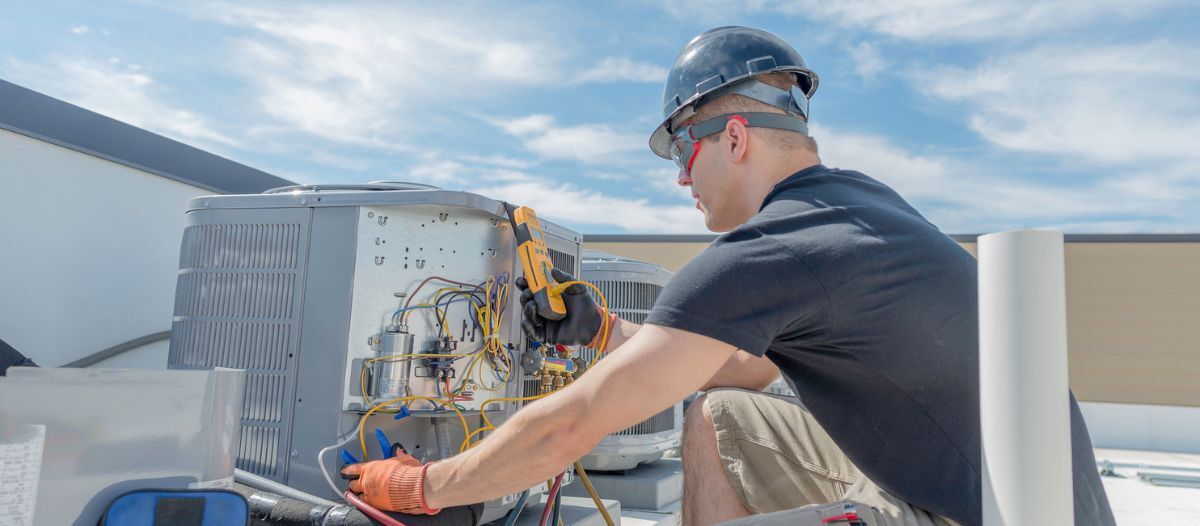
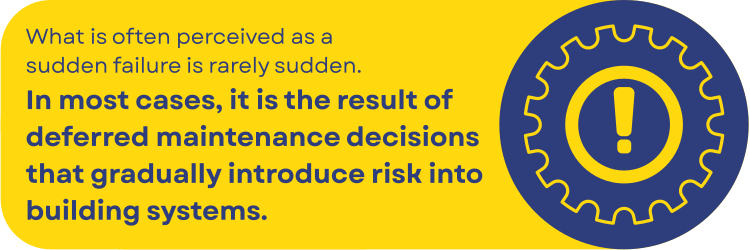
A familiar pattern in facilities is unfolding as temperatures rise. Systems that appeared stable during milder months are operating under sustained stress. Cooling loads increase, runtimes extend and service calls follow.
For facility managers and operational leaders, the conversation around HVAC maintenance has evolved beyond merely a technical necessity. Increasingly, it is understood as a financial and operational strategy with a measurable return on investment.
Reframing preventive maintenance as an investment
Preventive maintenance (PM) has traditionally been categorized as an operating expense: something required to keep systems running. However, this framing understates its impact.
A more accurate perspective considers preventive maintenance as a form of risk-adjusted investment. Its value is realized not only in system performance, but in avoided costs, improved efficiency and enhanced operational stability.
The ROI of PM can be evaluated across four key areas:
-
avoidance of emergency repair costs
-
reduction in energy consumption
-
extension of asset life
-
protection of operational continuity
Each of these contributes directly to financial performance and long-term planning. When viewed collectively, preventive maintenance shifts facility management from a reactive cost center to a controlled, strategic operation.
The high cost of reactive maintenance
Reactive maintenance introduces volatility into facility operations.
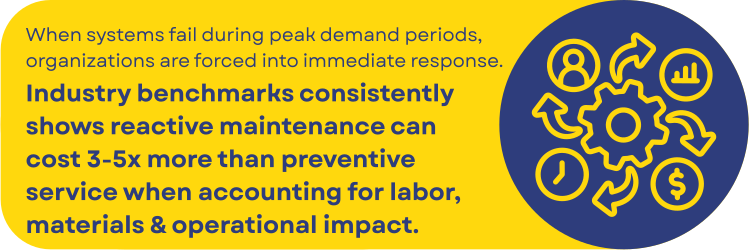 These costs extend beyond the repair itself:
-
emergency service premiums and overtime labor
-
expedited shipping and limited parts availability
-
disruption to operations, production or tenant comfort
-
increased wear on adjacent system components
In environments where uptime is critical, such as health care facilities, data centers, manufacturing plants and transportation infrastructure, the consequences can be significant. Downtime may affect compliance, safety or revenue-generating activities.
Preventive maintenance reduces this exposure by shifting work from urgent, unpredictable events to scheduled, controlled interventions. It allows organizations to address issues under stable conditions rather than during peak operational stress.
Energy efficiency as a measurable return
 Energy performance represents one of the most immediate and quantifiable returns from PM.
HVAC systems account for a substantial portion of total building energy consumption, often between 30 and 50 percent, depending on facility type and climate conditions. As systems fall out of optimal condition, efficiency declines incrementally, often without immediate visibility.
When systems are not properly maintained, efficiency declines gradually:
-
fouled coils reduce heat transfer
-
airflow is restricted by clogged filters or duct issues
-
controls fall out of calibration
-
refrigerant levels drift outside optimal ranges
These issues may appear minor. Collectively, they force systems to work harder to achieve the same output, increasing energy consumption and operational costs.
Even modest efficiency improvements can have a financial impact. During peak cooling periods, when systems operate at maximum capacity, small gains in efficiency translate into measurable cost savings across large facilities or portfolios.
Preventive maintenance ensures systems are operating as designed, allowing organizations to capture these efficiencies consistently rather than intermittently.
Extending asset life & improving capital planning
HVAC systems represent a significant long-term investment, and their performance directly influences capital planning decisions.
Without consistent maintenance, equipment is more likely to experience premature failure. Components degrade faster, minor issues escalate and systems operate under increased mechanical stress. This often results in shortened equipment life cycles and unplanned capital expenditures.
Preventive maintenance changes this trajectory by stabilizing system performance over time. Key outcomes include:
-
extended equipment lifespan
-
reduced frequency of major component failures
-
improved reliability during peak demand conditions
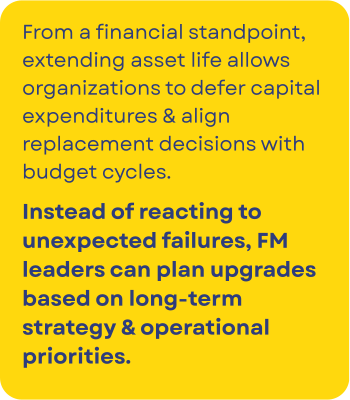
From a financial standpoint, extending asset life allows organizations to defer capital expenditures and align replacement decisions with budget cycles. Instead of reacting to unexpected failures, facility leaders can plan upgrades based on long-term strategy and operational priorities.
This level of predictability is particularly important in large or multisite organizations, where capital allocation decisions must be coordinated across portfolios.
Operational continuity & risk mitigation
In many organizations, a facility’s HVAC performance is directly linked to operational continuity. This is particularly true in areas where environmental conditions must be tightly controlled, such as:
-
health care and laboratory facilities
-
data centers and technology infrastructure
-
industrial manufacturing environments
-
large commercial and institutional buildings
In these settings, system failure introduces operational risk. It may interrupt services, compromise processes or create compliance challenges.
Preventive maintenance mitigates this risk by providing early visibility into system performance. Through scheduled inspections, testing and system diagnostics, facility teams can identify deterioration before it leads to failure.
This proactive approach enables planned interventions during noncritical periods, reducing the likelihood of disruption during peak demand. It also allows organizations to prioritize resources effectively, addressing high-risk systems before they become urgent issues.
A practical framework for evaluating ROIFor facility leaders, demonstrating the ROI of PM requires a structured approach. The following framework provides a practical starting point:
By applying this framework, organizations can move beyond theoretical value and begin to quantify real financial impact. |
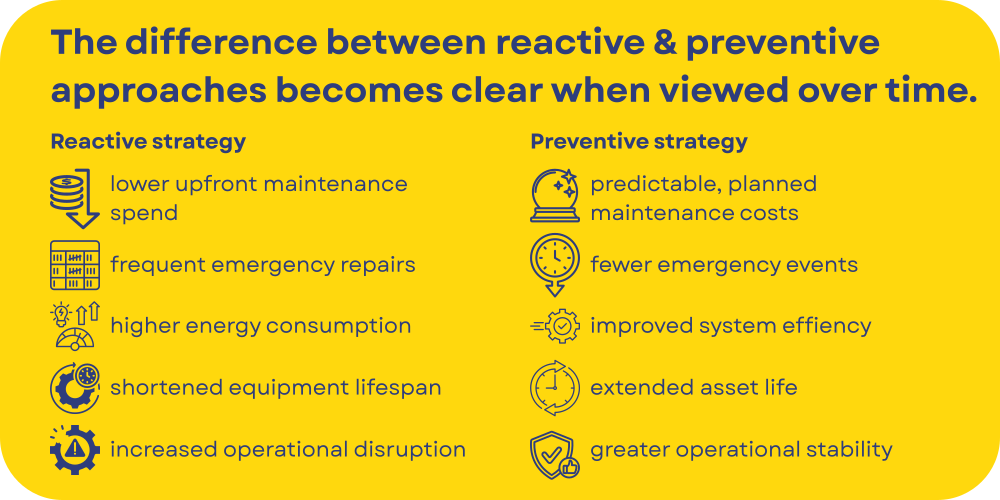 While reactive strategies may appear cost effective in the short term, they introduce long-term financial and operational risk. Preventive strategies, by contrast, prioritize consistency, predictability and performance.
Global trends shaping maintenance strategy
Across global markets, several trends are reinforcing the importance of PM:
-
Aging infrastructure: Many organizations are operating with equipment beyond their original design life.
-
Rising energy costs: Efficiency improvements have a direct financial impact.
-
Labor constraints: Skilled technicians are increasingly limited during peak demand periods.
-
Climate variability: Longer and more intense heat periods place additional strain on systems.
-
Sustainability goals: Organizations are under pressure to reduce energy use and emissions.
These factors increase both the financial and operational risks associated with deferred maintenance.
For organizations managing multiple facilities across regions, standardizing preventive maintenance practices can improve consistency, reduce variability and enhance overall performance.
From cost center to strategic advantage
Preventive maintenance is often viewed as a necessary expense. In practice, it functions as a strategic lever for improving financial performance and operational resilience.
By reducing emergency costs, improving energy efficiency, extending asset life and minimizing disruption, preventive maintenance delivers measurable ROI.
 As building systems face increasing demand and complexity, the question is no longer whether preventive maintenance is necessary. The more relevant question is how effectively it is integrated into broader operational and financial strategy.

Jim Spedding is a regional sales manager at Tate Engineering. Spedding has been in the HVAC industry since 2009, with experience in both HVAC maintenance and project sales. Throughout his career, he has helped customers develop operational and financial solutions to improve the performance and efficiency of their facilities. Today, he leads the Central Division’s HVAC, boiler and air compressor sales teams for Tate Engineering Services across the U.S. Mid-Atlantic region.
References
Top image via Getty Images.
Read more on Facility Operations and Finance & Business or related topics Operations and Maintenance Planning , Operational and Capital Budgeting and Building Systems
Explore All FMJ Topics