 Membership
 Network
 Regional Sites & Affiliates


 Events
 Participate
 Resources
 Training
 Credentials
 Government


 Content Channels
 Tools
Tools


 Business Overview




To Have & to Hold
Attracting & keeping the next generation of FMs
The facility management industry is approaching a pivotal moment. Across regions and sectors, a significant portion of the workforce is nearing retirement age, creating a growing talent gap that threatens operational continuity, knowledge transfer and long-term resilience.
According to IFMA, more than 45 percent of facility management professionals globally are expected to retire within the next decade. In contrast, the number of young professionals entering the field is not expected to increase at a similar rate.
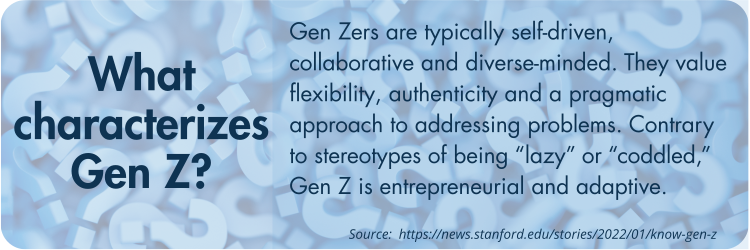 As this happens, Generation Z, those born roughly between 1997 and 2012, is establishing itself in the workforce. This generation brings different expectations, motivations and work habits shaped by rapid technological change, global uncertainty and a redefinition of what a successful career looks like.
For companies with FM and workplace operations teams, the goal is no longer just filling open roles. They must also find ways to present these positions as engaging, modern and aligned with how younger generations expect to work.
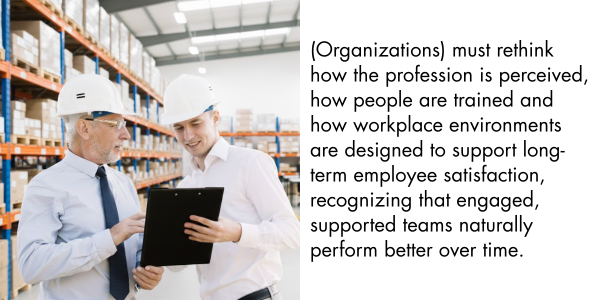
To address this challenge, organizations must go beyond updating job ads or running short-term hiring efforts. They must rethink how the profession is perceived, how people are trained and how workplace environments are designed to support long-term employee satisfaction, recognizing that engaged, supported teams naturally perform better over time.
What Gen Z expects from today’s workplace
Gen Z enters the workforce with priorities that differ from previous generations. According to studies by Deloitte and Pew Research, while competitive pay remains a baseline, this generation prioritizes flexibility and continuous growth. Crucially, they view modern technology as a prerequisite, not just for efficiency, but to transform daily tasks into a more engaging, seamless and fun experience that prevents burnout and fosters creativity.
A 2023 global workforce report by the World Economic Forum found that more than 60 percent of Gen Z workers consider “meaningful work” a key factor when choosing an employer. Additionally, more than half expect opportunities for continuous learning and skill development, particularly in digital and emerging technologies.
FM roles are often misunderstood as manual, reactive and purely maintenance-focused, which are qualities that do not align with what many Gen Z workers look for in a career. In reality, these roles involve constant problem-solving and require creativity, strategic thinking and adaptability.
This disconnect creates a key opportunity. FM is at an inflection point where technology can help elevate the industry from reactive work to data-driven, strategic roles. By better communicating responsibilities and leveraging smart tools, organizations can redefine these jobs and make them more attractive to the next generation.
The technology gap in the FM workforce
Globally, many facility management teams still rely on manual processes, disconnected systems and paper-based workflows. While these approaches may have supported operations in the past, they are increasingly misaligned with the expectations of digital-native workers.
According to international workforce studies, over 70 percent of Gen Z employees expect employers to provide modern digital tools that improve productivity and collaboration. In contrast, FM roles are often perceived as technologically outdated, limiting interest from younger candidates despite the profession’s growing strategic importance.
This disconnect highlights a critical issue: organizations that delay digital transformation risk not only operational inefficiency but also long-term talent shortages.
Integrating technology as a core skill, not an add-on
 Gen Z is the first generation to enter the workforce, having grown up fully immersed in digital environments. As a result, technology is not viewed as a specialization but as a baseline expectation. Organizations – especially those that employ internal FM teams – that fall behind in digital adoption can seem outdated and less appealing to younger professionals. This gap is growing as FM adopts AI tools more slowly than other areas like marketing, supply chain and logistics.
Modern tools such as digital maintenance software, automated building controls, smart sensors and data tracking have become essential for running buildings efficiently, while reducing the manual workload tied to back-office and repetitive tasks like parcel management.
To appeal to Gen Z, technology should be embedded into:
-
Training programs
-
Career progression pathways
-
Entry-level positions that provide exposure to data-driven decision-making and smart building technologies, helping reposition FM as a forward-looking profession rather than a static one
-
Day-to-day workflows through modern, AI-first tools that streamline tasks and reduce manual processes
-
Internal communication and collaboration, using digital platforms that promote transparency, engagement and cross-team connectivity
Modernizing operations through smart technologies
Technological advancement in FM extends beyond efficiency gains. Smart building technologies, Internet of Things sensors and data analytics platforms are transforming how organizations operate, monitor and maintain their facilities.
AI-powered service request platforms are transforming how employees interact with workplace operations. Instead of submitting tickets through outdated forms, employees can report issues through chat-based tools or mobile apps using simple language. The system automatically categorizes the request, prioritizes it based on urgency and routes it to the right team. Over time, these platforms analyze request patterns to identify recurring issues and suggest long-term fixes, reducing response times and improving the overall workplace experience.
For younger workers, utilizing this type of technology demonstrates that facility management can be a modern, high-tech career. According to JLL’s Global Real Estate Technology research, Gen Z professionals value learning new things and working across different departments; they are naturally drawn to roles that involve analyzing data and improving systems.
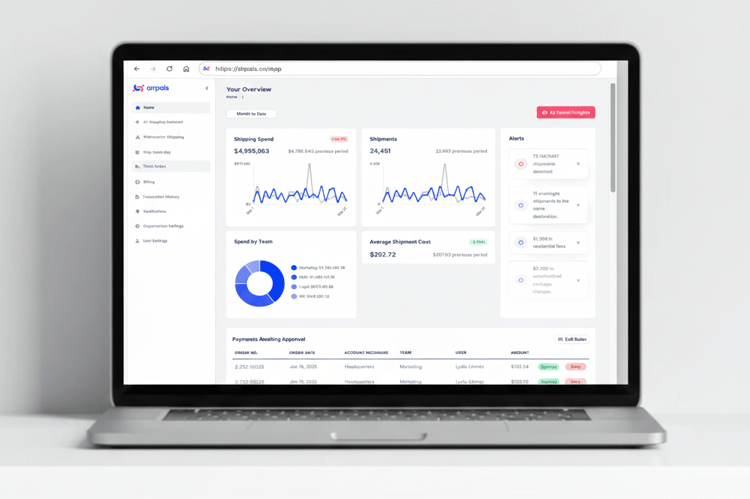 There are examples of technology, software and apps that support the new generation of FMs and help companies take a step forward in innovation, reliability and faster decision-making.
-
For vendor, cleaning and service coordination, AI-powered platforms like IBM Maximo or UpKeep use predictive analytics to anticipate maintenance needs, automate work orders and flag compliance risks, helping facilities managers shift from reactive to proactive operations.
-
To support workplace logistics, facilities rely on platforms that centralize same-day couriers and national carriers in one system, while using AI-powered automation, real-time tracking and cost insights to streamline internal and external shipping.
-
In energy management and sustainability, AI-driven tools such as BrainBox AI or Verdigris analyze real-time data to optimize HVAC systems, reduce energy waste and forecast usage, supporting cost savings and ESG goals with smarter insights.
How technology helps recruit Gen Z
Modernizing the Industry
To attract the next generation of workers, companies must demonstrate they are keeping up with the times. Using digital marketing and job ads that highlight AI, data analytics and automation helps change the image of FM. Instead of it being seen as an "old-school" trade, young candidates begin to see it as a high-tech, modern career.
Reaching talent early
Many organizations are reaching out to students before they even enter the workforce. By partnering with schools and colleges, they allow students to practice with virtual building models and digital labs. This clears up any myths about the industry and shows students that FM is a sophisticated field they can join right after graduation.
From interns to professionals
Recruitment is not just about getting people in the door; it is about keeping them there. Internships that give young people hands-on experience with smart technology are proving to be very successful. When interns see exactly how their tech skills lead to a clear career path and better opportunities, they are far more likely to stay with the company long-term.
Modernizing training & knowledge transfer
One of the biggest challenges in the industry is the loss of knowledge as experienced workers retire. At the same time, Gen Z employees prefer interactive, digital-first learning over traditional classroom training. By implementing technology across everyday tasks and standardizing processes, companies can make knowledge easier to document, share and transfer from one generation to the next. This approach reduces dependency on senior talent and helps ensure continuity as new employees ramp up faster and more consistently.
Blended learning approaches that mix mentorship, digital training and hands-on experience help bridge this gap. These models allow younger employees to learn at their own pace while still gaining knowledge from senior team members.
Effective digital-first training formats include:
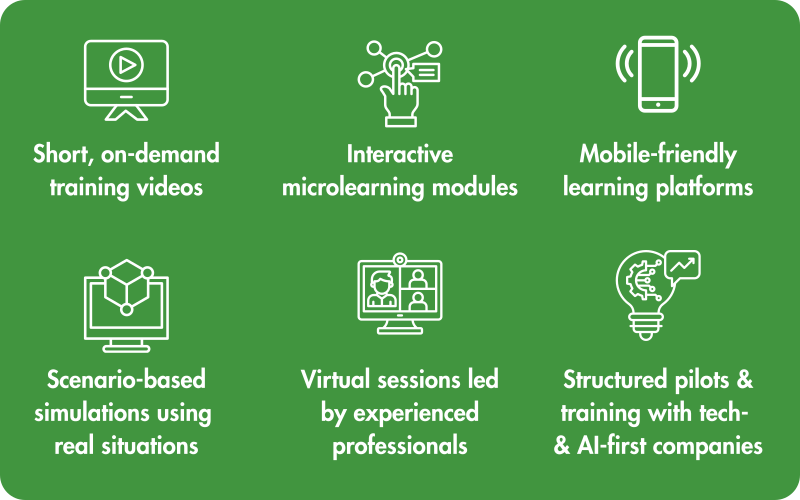 Case studies show that structured mentorship programs supported by digital tools help employees learn faster and stay longer by creating a stronger sense of connection and career growth.
Building flexible & inclusive work environments
Flexibility is a core expectation for Gen Z, even in roles like facility and workplace operations that traditionally require on-site work. While not every task can be done remotely, organizations can still offer flexibility through smarter shift planning, hybrid options for administrative work, and performance measures based on results rather than hours on site.
Technology is helping make this possible. Smart sensors, building management systems and digital monitoring tools allow teams to track equipment performance, energy use, space utilization and maintenance needs remotely. Many operational tasks, such as vendor coordination, reporting, inventory tracking and shipping, can be digitally managed, supporting hybrid work without disrupting daily operations.
Workforce data shows that companies offering flexible work arrangements often see lower turnover and higher employee satisfaction, especially among younger employees. Flexibility also includes building inclusive cultures where employees feel supported, heard and respected.
Ways facility and workplace operations teams can support flexibility and retention include:
-
Offering flexible or rotating shifts where possible
-
Allowing hybrid work for planning, reporting, monitoring or administrative tasks supported by digital tools
-
Using technology (such as sensors and remote dashboards) to reduce the need for constant on-site presence
-
Focusing on outcomes and performance instead of time spent on site
-
Encouraging open communication, regular feedback and transparency
-
Creating team environments that value collaboration and shared problem-solving
Teams that prioritize flexibility, feedback and inclusion are more likely to retain early-career professionals who want to feel valued, trusted and recognized for their contributions, while maintaining strong on-site operations through smart use of technology.
 Preparing for the future of FM
FM’s generational shift is not a distant challenge; it is a turning point. As experienced professionals retire, organizations that hesitate to evolve risk talent shortages, operational gaps and stalled innovation. Traditional hiring and workforce development models are no longer sufficient for the demands ahead.
The industry’s future depends on visionary leaders willing to take bold steps to modernize how work gets done. This means embracing intelligent technologies, redesigning outdated processes and rethinking the worker experience from the ground up. When done right, modernization becomes a win-win: organizations gain measurable ROI through efficiency, visibility and performance, while workers benefit from safer, more engaging and more sustainable work environments.
Ultimately, FM will be shaped by the leaders who recognize that people and technology must evolve together. By clearly connecting the profession’s impact on safety, sustainability and operational excellence, the industry can attract the next generation and build a smarter, more resilient future.

Joshe Ordoñez is the founder and CEO of Airpals and a multidisciplinary strategist whose career spans fashion design, project production and technology-driven logistics, experiences that shape her unique perspective on facility management. She applies her design sensibility and operational expertise to strengthen the internal workflows that keep workplaces running smoothly. Ordoñez focuses on elevating the often invisible tasks behind facility operations, from interoffice logistics to day-to-day service coordination. Her work centers on transforming complex, behind-the-scenes processes into streamlined, user-friendly systems that support teams and enhance the overall workplace experience.
References
Images courtesy of Airpals.
Read more on Leadership & Strategy or related topics Workforce Development , Succession Planning , External Awareness and Career Advancement
Explore All FMJ TopicsRelated articles
-

Artificial Intelligence in FM
The stakeholder’s perspectiveBy Dr. Jake Smithwick & Dr. Kenneth Sullivan & Nneka Ubi05.01.2024 -
Mastering Change in Hybrid Environments
Insights from global operational leadersBy Meg Swanson09.02.2024 -

Plugged In
Solving the data disconnect in real estate and FMBy Amanda Muzzarelli & James Waddell07.01.2024