 Membership
 Network
 Regional Sites & Affiliates


 Events
 Participate
 Resources

 Training
 Credentials
 Government


 Content Channels
 Tools
Tools


 Business Overview



Accident Prevention at Schools
How a safety focus can lower risks
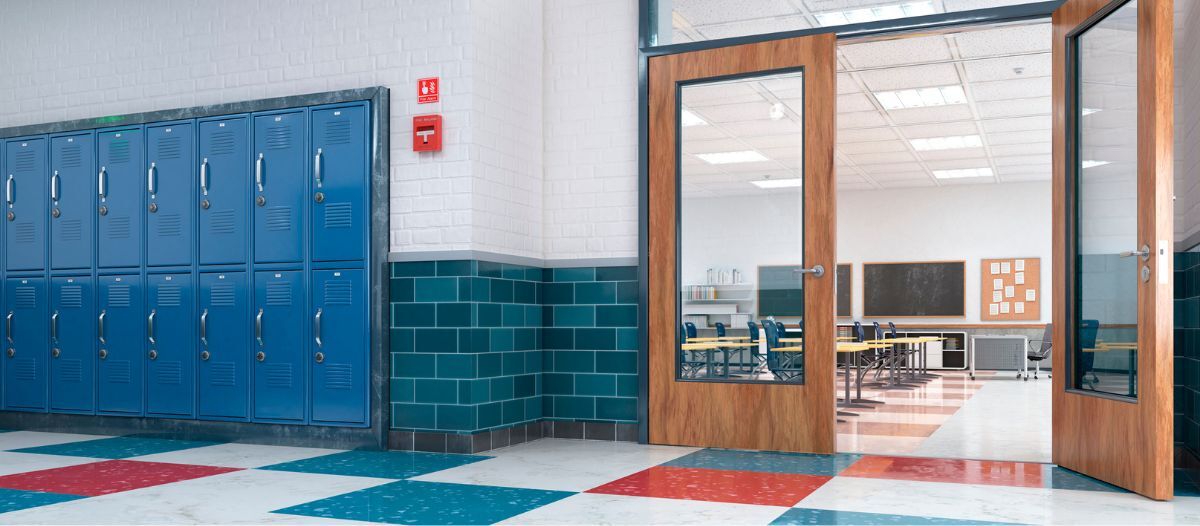
Each year worldwide, millions of children suffer injuries at school, with a significant number requiring medical attention. Facility and maintenance staff play a vital role in reducing risks that lead to accidents and keeping students safe.
 A look at statistics paints a grim picture. Just in the United States, more than 175,000 school injuries per year result in emergency room visits, according to the CPSC National Electronic Injury Surveillance System. Meanwhile, the U.S. Centers for Disease Control reports 200,000 children under 14 years old are treated in emergency rooms annually due to playground-related injuries.
Numerous reports on school safety globally have concluded that injuries among school children pose significant concerns due to factors including environmental risks on school campuses. Playgrounds, stairs and classrooms are noted as the most common locations for injuries.
A comparative analysis from Research Gate reviews the prevalence of school-related injuries across different countries, highlighting disparities and underscoring the necessity for tailored safety measures. Overall, these findings reveal that enhanced safety protocols within schools are urgently needed, particularly in low- and middle-income nations with fewer resources to invest in newer equipment and safety programs.
How a safety culture can reduce accidents
Slips and falls at school are the most common cause of injuries, and they are often due to conditions such as:
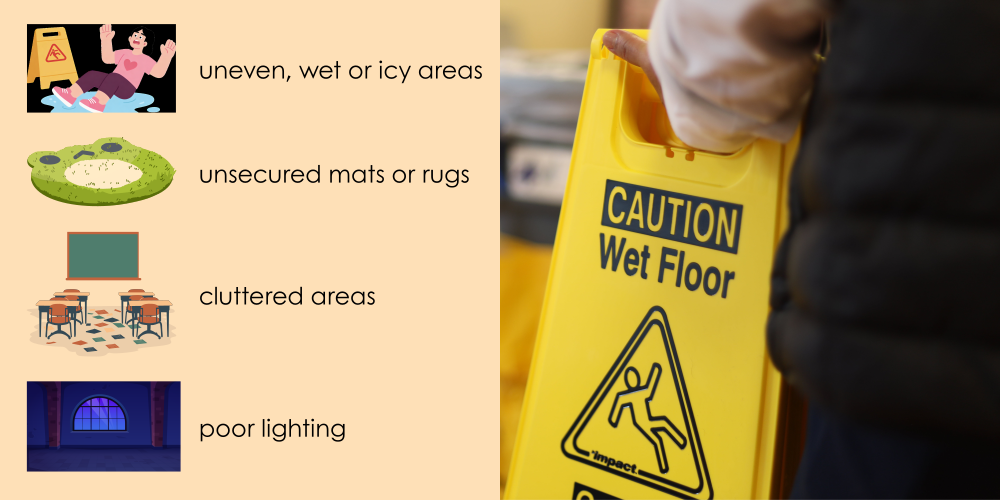
Other hazards include broken playground equipment, frayed electrical cords, broken desks, unsecured bookcases and heavy items that could topple from high shelves.
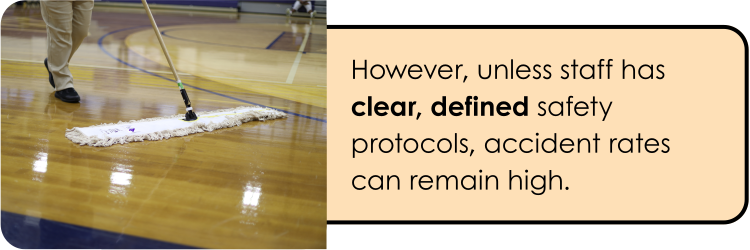
A robust safety program among FMs, maintenance and cleaning staff/contractors can help mitigate these hazards, resulting in fewer accidents. The most important characteristic of any program is to create a culture of safety across the organization, where safety discussions and tips permeate every meeting, work shift and employee performance review.
A safety mission statement should be developed to keep everyone moving toward the same goal. For example: “Our safety mission is to execute a proactive path in the continuous pursuit of zero accidents.” Every employee should be aware of the mission and able to recite it.
School administrators have an obligation to provide the safest work environment for teachers, staff and students. It is critical that they lead by example, noting that safety is a condition of employment or contractually with external vendors. It should be stressed that if a job cannot be done safely, it will not be done.
It is important to have a daily focus on safety awareness and to reinforce the right behaviors among staff. Creating a safety culture throughout the campus or school district is key, and it does not have to look or feel corporate but instead can be fun and engaging for staff. A creative approach could include safety trivia games to earn points toward prizes. All employees should participate, not just the FM and cleaning staff, which reinforces the priority of safety across the organization.
Another way to support a safety culture is to encourage daily or weekly safety “shares” that promote and encourage people to share ideas on what might help avoid accidents. These can be held as a pre-shift safety briefing or in another format.
Employees can share any “near misses” they were able to avoid or correct. For example, an employee might report that they spilled a bucket of water in a hallway just as the students were leaving their classrooms, and they were able to recruit a couple of students to temporarily create a protective barrier to keep others from stepping in the puddles. Or a custodian noticed the doormat was bunched up and fixed it before it caused someone to trip and fall. Sharing these stories helps keep safety in the forefront of everyone’s minds.
Tracking & measuring safety
Another key factor in accident prevention is setting and measuring key performance indicators (KPIs). Measurements could include the total recordable rate of accidents as well as workers’ compensation claims including number of lost time accidents, number of lost work hours and general liability costs for bodily injuries. Any required accident reporting to government safety entities should also be tracked and reviewed.
Standards, reporting and compliance can differ by country, region and even the type of school. In the U.S., for example, private schools are generally covered by the Occupational Safety and Health Administration (OSHA), while public schools fall under state-run plans if the state has one, or they are exempt from federal OSHA but may have their own state-level safety laws. In states with an OSHA-approved state plan, public schools are covered by that plan, which must be at least as effective as federal OSHA rules.
The experience modification rate (EMR or “mod rate”) reflects how many workers’ compensation claims have occurred over the past three years (not including the most recent year) and how serious and costly the injuries were. Insurance companies review these figures to determine insurance rates. According to OSHA, organizations with an effective safety program can reduce costs related to workplace injury and illness by up to 40 percent. This number is often quite impactful and illustrates the importance of having safety protocols throughout the school district.
Regular safety inspections and observations are also important, and the results of each inspection should be tracked. Near-miss accidents should also be tracked and reported as they can help bring awareness to issues that need to be addressed before accidents occur.
Providing regular reports to the school administration on safety figures helps solidify safety as a cornerstone of school operations and will lead to fewer accidents and injuries on school property.
Training programs
Formal safety training programs are important because they equip custodial staff with the knowledge and skills to perform their jobs safely and prepare them to serve as a second set of eyes for potential hazards, correcting them or reporting them to school administrators. For example, a custodian may notice crumbling concrete steps that need repair and can report this to the school staff before someone slips and gets hurt.
The key is to focus on behaviors that cause accidents and to take proactive efforts to prevent those behaviors. This can be done through training and education. Topics can include safe handling of trash and blood-borne pathogens, as well as accident prevention tips for cleaning floors, bathrooms and outdoor debris.
Safety training should also include topics such as the school’s safety mission and values, an overview of the safety protocols and rewards/recognition programs, and how accidents are measured. Providing a safety manual for employees to keep and refer to is important as well.
Celebrate every success
Building a world-class safety culture does not happen overnight. It takes time to develop the goals and mission, to share them with staff, and to implement the tracking and reward/recognition programs.
Once the safety program is operational, though, it is never too early to begin looking for and celebrating successes. Instead of waiting months for data to be available, a facility or safety manager can review the weekly shares or stories being reported and find ways to recognize employees who are actively participating. A handwritten note or email thanking that employee for reporting a hazard or sharing their near miss sends a powerful message that their efforts matter. Publicly recognizing that employee by mentioning them in a newsletter or letter to all custodial staff reinforces safety priorities even more.
These programs should extend toward external contractors and vendors as well. For school districts that hire commercial cleaning and maintenance contractors, it is critical to ensure the contractor has a strong record of safety performance. It is important to request safety data, such as accident reports, before signing a contract.
It cannot be overstated that all employees and contracted staff, from the most senior administrator to the newest hourly employee, are expected to identify safety risks and to intervene before accidents occur. Delivering this message regularly, ideally through multiple channels like posters, handouts, emails and meetings, will help create a culture of safety that will make schools safer for students, staff and visitors.

Read more on Facility Operations , Communication and Occupancy & Human Factors or related topics Occupant Safety , Occupant Health , Communication Management and Maintenance Processes
Explore All FMJ Topics