Membership
 Network
 Regional Sites & Affiliates


 Events
 Participate
 Resources

 Training
 Credentials
 Government


 Content Channels
 Tools
Tools


 Business Overview





After the Thaw
Post-winter ground restoration
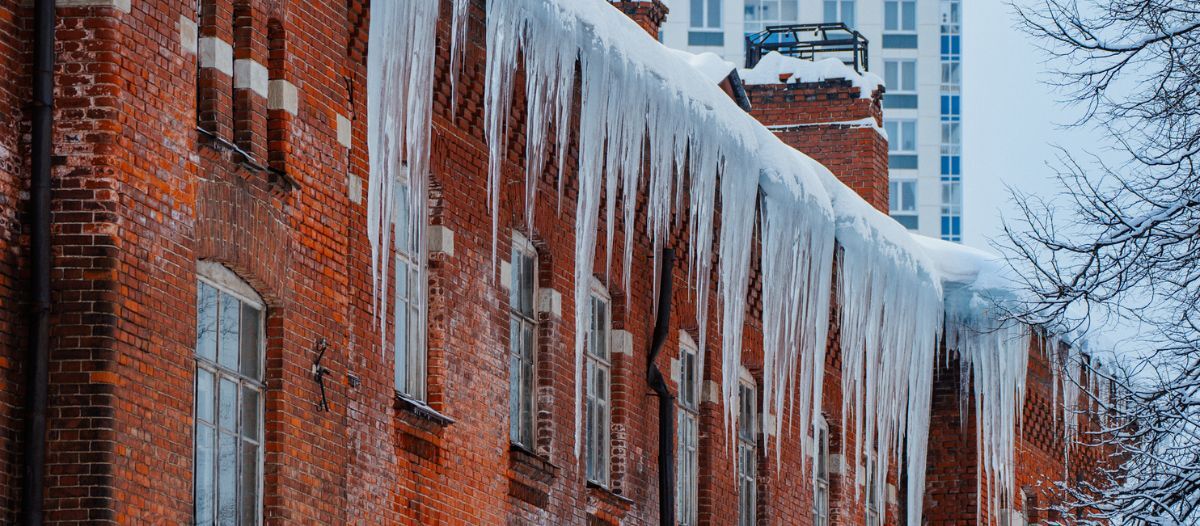
When winter changes into spring, facility managers must tackle the season’s aftermath with a structured plan. The extended cold, snow and ice can leave paved areas and grounds coated in salt and debris, damage plants and structures, and create hidden hazards.
A comprehensive recovery addresses three pillars: landscaping restoration, safety and structural inspections, and sustainable practices.
This proactive approach emphasizes systematic, objective-driven maintenance with safety at its core.
Power-washing exteriors and pavements to remove winter grime and salt, repairing potholes or signage, and clearing debris can help eliminate hazards to reduce risk, enhance curb appeal and set the stage for efficient operation.
 Landscaping & grounds restoration
After winter, start outdoors by inspecting all landscaping and hardscaping. Walking paths, patios and parking areas should be power-washed or scrubbed to strip away residual
deicing chemicals and dirt. Depending on the condition, calling in a local landscaping professional may be the best practice for this step. Repaint or replace any signage or striping that snowplows may have damaged. Ensure curbs and ramps are safe and meet accessibility standards.
Remove litter, fallen limbs and mulch that have shifted or compacted under snow. Any winter damage to concrete or asphalt (cracks, potholes or settled pavers) should be repaired immediately to prevent falls and further deterioration.
In planting areas, clear dead foliage and spent annuals so new growth is not choked.
Prune back shrubs and perennials that were stressed or broken by snow. Lift crowns or groundcover that may have been buried. Replenish mulch evenly (2-3 inches) to suppress weeds and regulate soil temperature. Consider aerating compacted lawn or beds to improve spring growth.
 Outdoor furniture, fountains, playground equipment and signage should also be cleaned, inspected and reinstalled if they were removed or covered for winter. Overall, focus on reviving a vibrant, well-maintained landscape, which not only improves appearance but also prevents issues like invasive roots or standing water around the facility.
Inspect trees and evergreens for winter burn or salt injury (browning needles/leaves). In areas with heavy deicing salt exposure, flush the soil by gently watering to dilute salts. Rain and irrigation will naturally do this too.
If soils are very salty or pH is off, apply soil amendments such as gypsum per horticultural guidance to restore structure. Gypsum helps leach sodium from sodic soils.
If it has not been done recently, test soil fertility and top-dress with compost or slow-release fertilizer to support spring leaf-out. Reseed t
in lawn patches in early spring to reestablish turf density. Plan any new plantings with native or drought-tolerant species to reduce future water and fertilizer needs.
Reactivate irrigation only after frost risk has passed. Before turning water back on, inspect all lines, valves and sprinkler heads for freeze damage. Repair leaks and calibrate zones; ensure that backflow preventers, filters and timers survived winter. Schedule system blow-outs next fall to make spring start-up easier.
Inspect benches, playgrounds, sports courts, grills and other amenities that may have been covered or shuttered. Clean all equipment, check fasteners and conduct any needed repairs. Remove winter storage blankets or coverings from plants and fixtures. Ensure all seasonal features are safe and functional for use.
Safety inspections & repairs
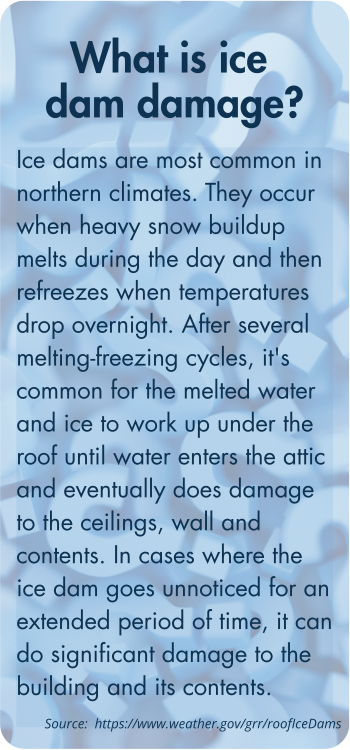
Begin with a building envelope inspection. Examine roofs for sagging, missing shingles or ice dam damage. Check exterior walls and foundations for cracks or spalling caused by freeze-thaw cycles. Tighten any loose siding, flashing or trim.
 Inspect windows and doors for broken seals or drafts created by temperature extremes, and recaulk as needed.
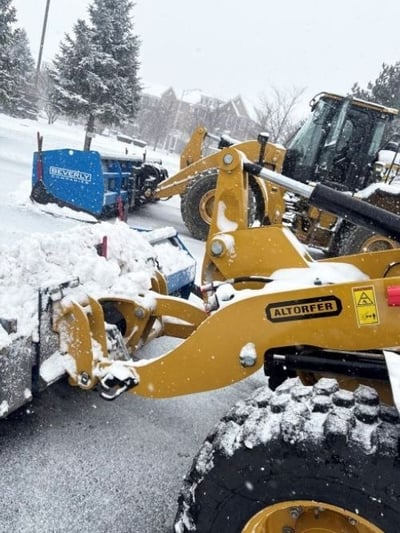
Apply asphalt or cement patching to potholes. Keep snow pile locations in mind. Meltwater runoff areas should be free of obstructions. Remove leftover ice and consider a light application of sand or pet-safe melting agent if black ice persists.
Slippery steps and ramps should have secure handrails. Inspect all rails and bollards, tightening any that are loose or replacing ones that were bent or broken. Verify that exterior lighting, emergency exit signs and reflectors (for parking lot posts or barriers) are intact and functioning after winter storms. Well-lit grounds improve security while highlighting potential hazards at night or in overcast conditions.
Test backup power generators and battery systems after winter conditions. Make sure generators are serviced, fueled and exercised.
Replenish emergency kits with fresh supplies such as batteries, flashlights, salt/sand reserves and first-aid products. Update emergency contact lists and ensure snow-removal contracts or local services are confirmed for any late-season storm responses.
Record all inspections and repairs. Note any evidence of ice dams, freeze shifts or other winter effects. This creates a baseline for future seasons. Report safety issues to stakeholders as needed. Involve insurers or risk managers if there was significant storm damage. Keeping detailed records aligns with best practices and helps justify preventive budgets.
Sustainability & green practices
The ANSI procurement standard establishes a consensus-based framework for acquiring goods and services that incorporates systematic risk assessment and management throughout the procurement life cycle. As part of this framework, it references a risk evaluation tool developed by a joint task force of subject-matter experts, which provides structured criteria and methodologies for identifying, analyzing and comparing risks associated with suppliers, products and contract performance.
This tool helps organizations quantify and prioritize potential vulnerabilities, such as supplier instability, delivery disruptions or compliance issues, against defined risk criteria so procurement decisions can be informed by objective, repeatable evaluations of likelihood and impact.
By integrating such standardized risk evaluation into procurement processes, organizations can improve resilience, allocate resources more effectively, and mitigate systemic and supplier-related risks before they affect operations.
When dealing with stormwater from melting snow, take advantage of green infrastructure. Do not pile snow over drains or in areas where runoff will flood a sensitive spot. Instead, shovel snow into lawn or bioswale areas where it can infiltrate into the ground. Permeable pavement or vegetated swales can capture spring melt. For instance, low-impact development features such as rain gardens have been shown to retain up to 90 percent of runoff during major storms.
When restoring landscaping, favor native and drought-tolerant plants. These require less irrigation and are more resilient to extreme weather. Compost trimmed branches and leaves on site instead of hauling them away, and use the compost in planting beds.
Stocking biodegradable or less-corrosive ice melt (CMA, magnesium chloride) for future use is also an option.
When clearing remaining ice, shovel and plow first. Only apply deicers as a last resort. If salt is needed, apply in small amounts (pre-treat or melt only problem spots) to minimize runoff. There are also some measures that can be taken by using agricultural products like beet juice or pickle brines. These can be mixed with traditional salt brine to reduce total salt use.
Using beet-infused brine has been shown to lessen the corrosive properties of salt. By adopting these alternatives and spreading salt sparingly, organizations can cut corrosive runoff which would otherwise infiltrate groundwater and damage nearby vegetation.
Use thawed snow as a water resource if possible (for irrigation or custodial use after filtration). Calibrate irrigation controls to avoid watering during rain. Delay fertilizing turf on fully saturated ground to prevent nutrient runoff. When reactivating sprinklers, aim for early morning or cooler periods to reduce evaporation.
In all planting schemes, choose species adapted to the region’s climate and local ecology. Native shrubs, grass and groundcovers support local wildlife and typically demand less water and no harsh chemicals. Over time, this naturalizes the landscape and cuts maintenance.
Recycle or reuse materials where possible. For example, use chipped winter pruning as mulch, or grind them for compost. Coordinate repairs to minimize waste. Order plant stock in bulk, select modular hardscape components that can be replaced instead of entire sections, and purge old chemicals or supplies properly. Conduct repair projects with an eye to energy efficiency.
Checklists & best practices
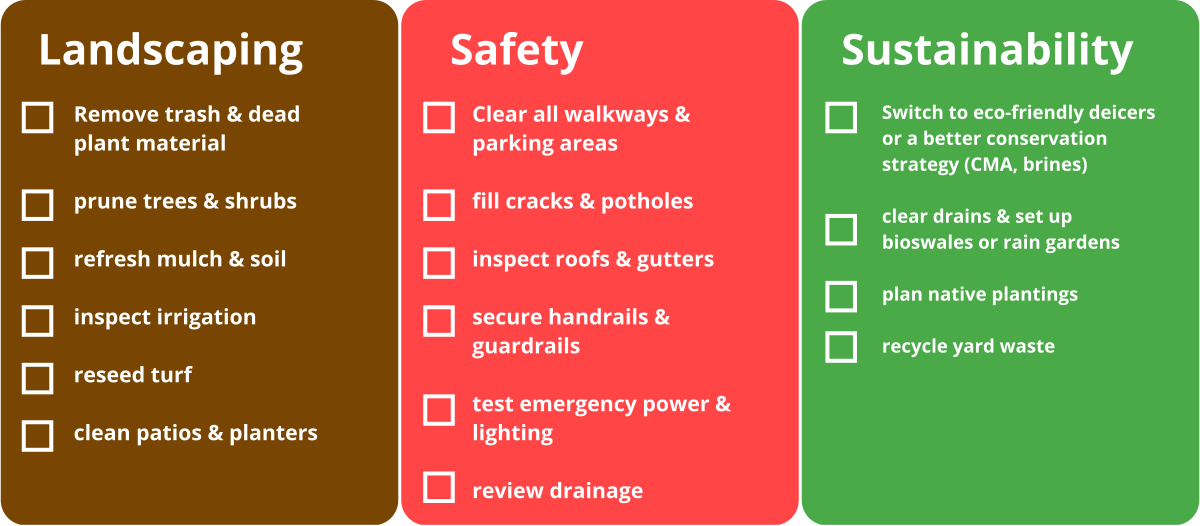
By working through detailed checklists and best practices, groundskeeping teams can ensure nothing is overlooked. For example:
 Moreover, green recovery actions can yield measurable benefits. Studies show sustainable landscaping can reduce water use by up to 75 percent and save on energy, while also increasing property value by approximately 20 percent.
Ultimately, treating post-winter recovery as both a maintenance and improvement opportunity pays dividends. A facility that emerges from winter with refreshed grounds, repaired structures and a greener footprint will not only be safer and more attractive, but also more efficient and resilient as the seasons change.

References
Top Image: by Getty Images.
Snow removal image courtesy of Beverly Companies.
Read more on Facility Operations and Real Estate or related topics Operations and Maintenance Planning and Maintenance
Explore All FMJ Topics