Membership
 Network
 Regional Sites & Affiliates


 Events
 Participate
 Resources

 Training
 Credentials
 Government


 Content Channels
 Tools
Tools


 Business Overview






A quickly growing technology company has purchased a 150,000 square foot (13,935 square meter) building that will serve as their corporate headquarters. James has just been hired as the facility manager and will need to build the FM organization from the ground up. One of the organization’s key strategic objectives is that every department is expected to implement best practices to enhance the organization’s triple bottom line. What advice would you give James to help him get started to meet this strategy through quality operations and maintenance practices?
From Daniel Goldsmith & Patricia Hensley
The triple bottom line for this discussion is identified as three dimensions: profit, people and planet.
From the quality operations standpoint, it is recommended that James identify an appropriate and relevant quality management framework. We recommend the International Standards Organization (ISO) because it is a recognized and respected organization for advancing and managing quality. ISO-14000 is for environmental management practice, quality policy and quality management system.
Triple Bottom Line:
-
Profit centers (financial)
Once the quality framework is established, the necessary workflows can be created, quantified and monetized to ensure that there is transparency and linkage between costs and effort. By operating within strict cost parameters, profitability becomes more realistic.
-
People (social)
James will need to ensure that the people decisions align and reflect the organization’s quality policy. Talent and community are critical elements in satisfying the people factor. As the talent dimension is addressed, James and his management team will be responsible for creating a culture that promotes workplace dynamics characterized by collaboration, esprit de corps (good working relationships) and quality of work life. The result of creating these cultural elements is greater employee retention and a reputation of being an employer of choice.
-
Planet – (environment/community)
It is imperative that James uses “smart green practices” to promote a sensitivity to the environment. Specifically, James needs to ensure the workplace is compliant with the necessary Occupational Safety and Health Administration regulations. As mentioned above, create an environmental management framework around ISO-14000. The result of implementing these actions will be a measurable contribution to preserving the environment and its natural resources. An added benefit is the creation of a narrative to the stakeholders that James is socially and environmentally conscious (engaged) in promoting well-being of the planet.
From Skender Rugova
Operationalizing a new facility is a stressful and hectic time for facility managers. Developing an FM strategic plan requires alignment with corporate culture and business strategies built on insight gained from talks with senior management, end-users and other FM stakeholders.
An approach that can be used to develop O&M strategic plans focuses on service delivery and their impact on people, profit, and planet.
People:
Diversity: increased workforce mobility results in more diverse workforce and service expectations. FMs are going to have to use a wider array of tools and services to meet these changing needs.
Workspace management: future generations want more flexible working patterns and work freedom, and an environment that enables collaboration and innovation whenever and wherever.
Well-being: strategies to enhance human health and wellbeing are critical to improving the employee experience while attracting top talent. Bright, innovative buildings with open co-working spaces, plenty of amenities and fresh food options are becoming the norm within the tech industry.
Employee experience: as FMs assemble their team, it’s important to find a good balance between hard and soft skills. Businesses increasingly focus on work efficiency and workplace experience to reduce employee turnover and improve bottom line results. Hospitality-focused training is gaining ground due to the positive impact it’s having on the employee experience.
Profit:
Preventive maintenance: advanced hardware and software technologies are available to FMs to better serve their preventative maintenance work as they can be more proactive and transition to more cost-efficient predictive maintenance techniques.
-
Internet-of-Things (IoT): Smart buildings (IoT and Artificial Intelligence) provide safer, more comfortable environments while reducing equipment failures and disruptions to employees. FMs can use IoT data to optimize preventive maintenance schedules, thus reducing maintenance cost and extending asset life.
-
Lower cost of delivery: FMs are constantly challenged to save money and improve efficiencies. Intelligent solutions, such as communication sensors, security applications and smarter robots with more automation are tools to help FMs achieve these goals.
Planet:
Sustainable practices: well-managed sustainability strategies yield cost savings, healthier and more productive work environments. Engage subject matter experts (SMEs) to develop these practices as they can provide industry best practices across all corporate services.
Energy management: IoT technology allows FMs to go beyond traditional building management systems to manage energy usage (lighting, HVAC and more) in their facilities. Utilizing IoT, FMs can collect, analyze and translate energy data into more educated, actionable decisions to further improve energy efficiency and employee comfort.
James is unlikely to have unlimited resources to pursue all the options outlined. However, using this approach he should have a good O&M roadmap as to where he aims to go.
From David Reynolds
You met the principals a month ago. The architect took you to the site and acquainted you with renovation plans, activities and her impressions of company leaders and culture. She has worked with the company for about six months and promoted the triple bottom line objective. Buildout is well underway. Contractor incentives focus on occupancy a month from now.
It is Monday of your first week in the old, crowded, location. Meet HR. Find a nook that’s central, but not in the way. You want everyone to recognize you, especially for other department heads to perceive you as interested, involved, connected, supportive, accessible, competent and essential.
Call your favorite change management and move consultants. Get a strong communicator with technology growth companies to meet with the COO and department heads and take care of the move. Is commissioning planned yet? It should be. More phone calls. For core
O&M staff: outsource, or in-house? Engage the maintenance lead to interface with the move and commissioning consultants.
Set out and align O&M social, environmental and financial goals, strategies, and initiatives that play well with organization culture and top management expectations. Be ready to support the needs of other departments. Visit department heads and see if and how the triple bottom line strategy has cascaded to them and their staffs.
Start to detail O&M and a CFO-friendly budget. Communicate FM by learning and listening. Build a responsive O&M operation that measures, reports its performance and improves.
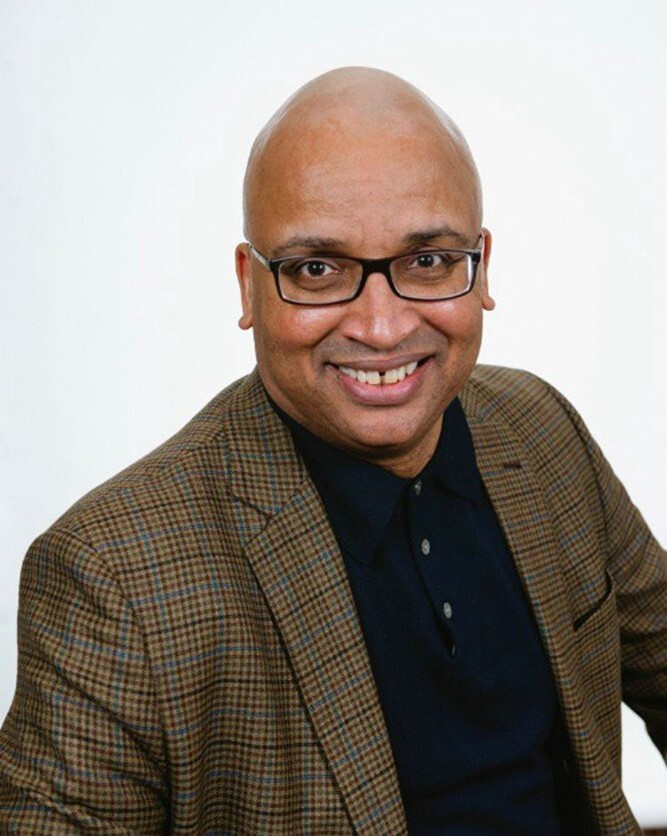
Dr. Daniel Goldsmith, an IFMA member, serves at Strayer University as adjunct faculty and as a facility management program manager in the U.S. government with responsibility for approximately 2 million square feet in Washington, DC.

Patricia Hensley, CPA MBA Veteran founded PHdash, Inc. in 2008. As the principal, she has worked with Small Business Administration as a consultant on various financial projects and given presentations. She has previously held financial, operational, and project management positions focusing on the triple bottom line – profit, people & planet. Hensley earned her undergraduate degree in accounting from California Polytechnic University of Pomona, California and a master’s in business administration from Chapman University of Orange, California. As a California Certified Public Accountant, she has broadened her knowledge base by becoming International Organization for Standardization- ISO – certified.

David Reynolds, RCFM, is a partner in Global Facility Management Alliance, GFMA, and a Board member in the Facility Management Consultants Council of IFMA (FMCC) and the Operations and Maintenance, Health and Safety IFMA Community (OMHS).
Skender Rugova, CPM, RPA, is a senior manager within C&W’s Global Occupier Services Integrated Facilities Management (IFM) business line. With extensive experience working with both investor and occupier clients, including facilities, property, transaction, project and construction management, Rugova has developed skills surrounding a myriad of real estate. He has led service teams for clients in the health and life sciences, banking and financial services, technology, education, utilities and manufacturing. This experience has given him a unique insight into the real estate services provided to corporate America. He has served and represented a variety of national and international clients and property owners, such as institutional, pension funds and private investors.
Read more on Facility Operations or related topics Ask the Experts
Explore All FMJ Topics