
 Membership
 Network
 Regional Sites & Affiliates


 Events
 Participate
 Resources
 Training
 Credentials
 Government


 Content Channels
 Tools
Tools


 Business Overview



While the role of the facility manager is evolving, how can the industry ensure FM teams arebest positioned for the change and the disruption that is ahead? And how does industry keepup with relevant and evolving skills? FM leaders have sought better ways to quickly upscaletheir teams and to keep up with trends, technology solutions and emerging hybrid workplaces.
The IFMA Foundation with California Community Colleges, the San Mateo County Community College District, Google and Cushman & Wakefield created an innovative partnership to solve this problem.
Partnering for success
For 30 years, the IFMA Foundation has worked to fill the looming FM talent gap in facility management and upskill FMs. The average FM is 49 years old, and in the next fi ve to 10 years, half of the existing FM workforce will retire. Among the Foundation’s major functions is connecting the FM community with business, government agencies, economic development, academic institutions and community organizations. The FM Contract Education program connects Google, Cushman & Wakefield, the California Community Colleges, their energy, construction and utility sector, as well as the San Mateo County Community College District’s CCCE Corporate Training Solutions.
This partnership created a differentiated experience for Google and Cushman & Wakefield, formed teams and made their work meaningful, magical and memorable for their organizations. Because of its success, this program was recently named a top 10 partnership in industry and education at the California Economic Summit.
What is Contract Education?
Contract Education is the training arm of California Community Colleges. It provides rapid and responsive training for local, regional or global public/private employers based around employer needs, goals and desired results. In the FM context, Contract Education incorporates a tailored discovery process benchmarked with IFMA competencies, as well as training design inclusive of case studies, discussion, role play and thought-provoking activities leading to great outcomes and upskilling core FM competencies for leaders and teams.
Conducting the skills gap analysis
When the Foundation and the state, college and industry groups were presented with an opportunity to train FM professionals at Google, the group wondered how it could train an organization that has some of the most innovative practices.
The Foundation identified the opportunity within this group and found the added value to how Google FMs conduct their daily routine. Exploratory meetings were held with Google FMs to learn how the team works and identify problems areas where they were experiencing challenges in communication and productivity. Later, the training team conducted a skills gap exercise with approximately 20 Google team members holding different positions. The exercise included the facility maintenance team, technical mechanics, technicians and other operations team members for discussions on real-life operational scenarios and gaps in the process and workflow.
The result was a robust conversation about what the FM team did, their challenges, and their ideas of improvements within their area of responsibility.
Following the skills gap exercise, the team used the core competencies from the IFMA Foundation Training Framework and identified key skills based on responses from the Google group. These areas included cleaning operations, securities, maintenance, construction, service operations and more. A matrix and additional questionnaires were developed to discover high and low priorities. Important workflow stoppages and communication breakdowns causing time delays, unhappy customers and poor teamwork were identified. The exercise included asking the Google team about making improvements on their daily activities. This led to an open and trusting discussion that identified important key facts that assisted in the course development. The participants’ feedback suggested that the discussion motivated the facilities team members, as they felt that their suggestions mattered. Specifically, the dialogue between Cushman & Wakefield and the Google team showed ways to increase collaboration between departments.
Campus as a living lab
Part of the training included an on-site campus as a living lab exercise to provide an experiential learning take away for the FM team. Organizations such as Google have employees who, in their normal course of work, may never see the backroom equipment or problematic systems such as the HVAC systems along with controls and roof equipment. This is a great opportunity for FMs to better understand how the building is operated. At the end, FM teams and individuals better understood the other roles and responsibilities of other team positions, which created a better understanding of how they could perform their job more effectively. In this case, it was not that the technical skills were lacking, it was an overall awareness of other positions and skills that allowed for better collaboration and increased customer service. There were some opportunities to improve ways that they could communicate with one another.
Facility Management Skills Academy (FMSA)
Training is often used as a hammer to drive in the nails. For training with Google and Cushman & Wakefield, however, a broader and more contextualized approach that envisioned a series of trainings conducted over a longer period to upscale employees was needed. This approach was called the Facilities Management Skills Academy (FMSA) and identified three primary areas of focus: job development, career development and Google development.
Job development focused on helping employees get better in their specific jobs and roles. Career development focused on helping employees develop their career context on either the Google or the Cushman & Wakefield team. Google development focused on helping employees develop within the Google way in their role and career. The acronym RAVES (Retention, Advancement, Visibility, Engagement, and Service and Savings) captures the academy’s long-term benefits for the Google and Cushman & Wakefield teams.
A prework survey gave the Foundation a better sense of the perception of roles and responsibilities within the organizational chart of each team, to pinpoint focus areas for visibility training, cross training, onboarding, customer service and career development.
A campus as a living lab concept was put in place, connecting classroom theory with hands-on experiential learning, and helping employees complete the world recognized Facility Management Professional ™ (FMP®) credential. The pilot used one curriculum to serve both the Google and Cushman & Wakefield teams. Although each team had different goals, perspectives and day-to-day tasks, the pilot was tailored to match each team’s needs.
Early in the training the teams worked through an exercise using the flywheel concept from Jim Collins’ book, “Good to Great.” The flywheel process helps teams translate past successes into future wins by creating compound momentum around the core elements that drive their success. For the exercise, each team developed their flywheel and identified what a 10 out of 10 rating might look like for each element of the flywheel.
The flywheel exercise also helps teams understand the why behind everything that makes them successful. Teams that know their why can better communicate and integrate their purpose into their cultural DNA, and they understand how even the smallest tasks feed into the larger picture and results. The why also influences onboarding. Instead of onboarding with information, teams can onboard new employees with the why of their flywheel and provide the employee with context for everything they learn. This enables them to be more successful over the long term for the team and organization.
The ResultsMany participants in the pilot received promotions following the training. In the FMP portion of the training, the teams learned leadership lessons beyond technical knowledge. Lessons included doing the right thing versus doing things right, thinking across the organization, using quantitative data to make qualitative decisions, recognizing the correlation of customer experience data and operational data to plan proactively and reduce unplanned maintenance costs, looking at the data to understand what it is saying and what to do about it, understanding root causes and much more. Some key takeaways from this transformative training program are:
|
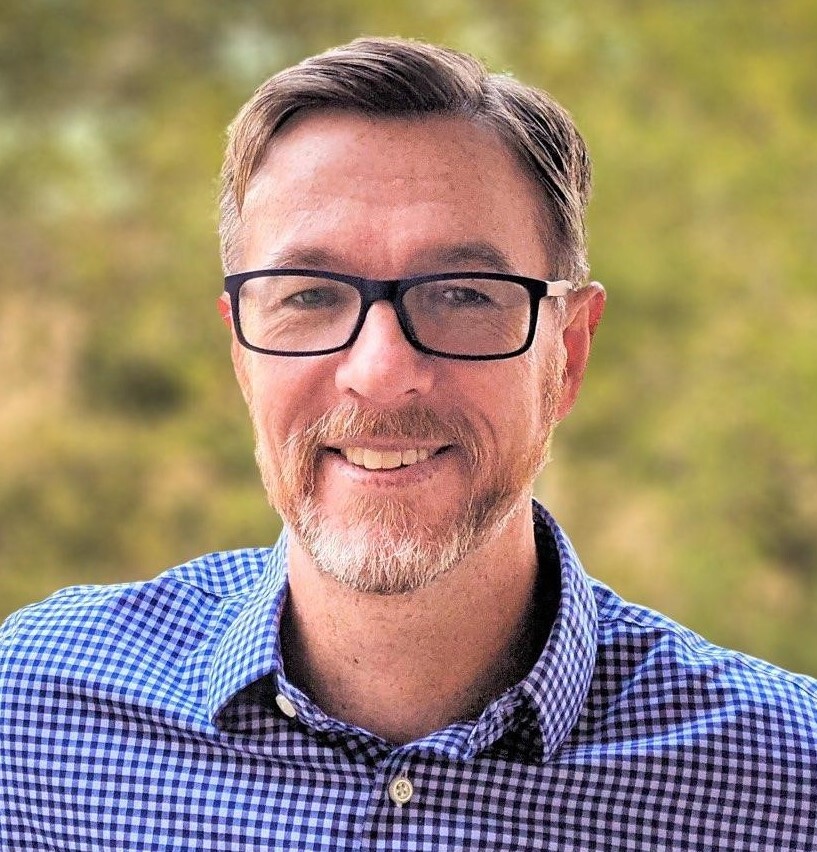
Jonathan Bissell is executive director of Community, Continuing and Corporate Education Corporate Training Solutions with the San Mateo County Community College District and is a seasoned leader with expertise in designing and delivering training to organizations. He is a certified contract trainer and certified executive coach, as well as a recipient of the 2020 Star Performer award for Leadership by the California Community College’s Contract Education Technical Assistance Provider and the 2020 IFMA Foundation Award of Excellence. He has a master's in Applied Linguistics from Teachers College, Columbia University.

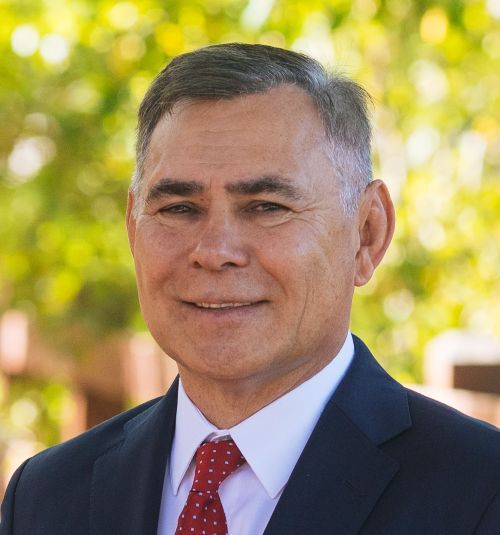
Carlos Santamaria is an industry professional with more than 25 years of experience in the commercial real estate industry. Santamaria completed his BA at Saint Mary’s College, finishing his graduate studies at the University of San Francisco with an executive MBA. He is a licensed real estate broker, a certified LEED professional and a Real Property Administrator. He teaches at various community colleges and has instructed and has developed industry training programs for over 15 years both in the United States and in China.
Read more on Training or related topics IFMA Foundation , Training and Case Study
Explore All FMJ TopicsRelated articles
-

Unlocking Operational Excellence
Essential strategies to elevate efficiencyBy Paul Phillips05.08.2024 -
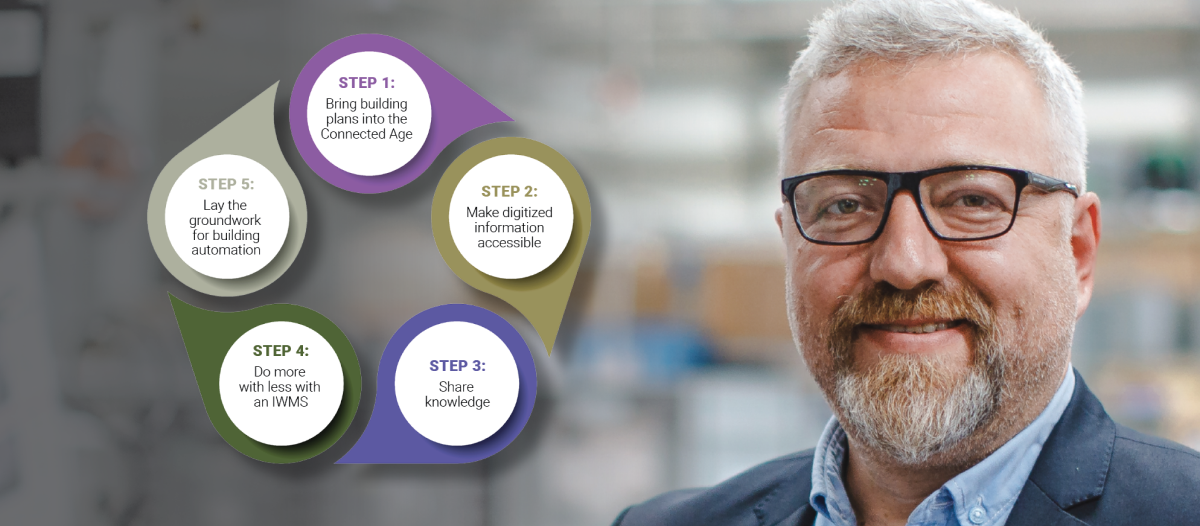
Institutional Knowledge
5 steps to preserve & maximize veteran know-howBy Brian Haines11.05.2024 -

Fostering Employee Success
How workplace safety & retention lies in trainingBy Clare Epstein10.25.2024