 Membership
 Network
 Regional Sites & Affiliates


 Events
 Participate
 Resources

 Training
 Credentials
 Government


 Content Channels
 Tools
Tools


 Business Overview





Clipping the Wings
Mitigating the operational, structural & financial threats of birds in commercial facilities
While cockroaches, rodents and flies can typically be the first things that come to mind when considering facility pests, birds are also pests that love to frequent facilities, yet they are often overlooked. For facility managers and decision-makers, this oversight can represent a critical blind spot in overall risk mitigation.
 Birds can represent a pervasive environmental hazard operating in plain sight. Species such as pigeons, European starlings and house sparrows can routinely exploit common architectural features of commercial buildings:
-
High roof ledges & parapets: Ideal roosting vantage points for flocking species.
-
HVAC systems & mechanical enclosures: Sources of shelter, warmth and ambient heat.
-
Structural steel framing & I-Beams: Covered nesting platforms inside loading docks and open-air warehouses.
-
Architectural signage & canopy recesses: Protected nesting niches directly above high-traffic public entrances.
While a single bird roosting on a facade may appear harmless, unmanaged bird populations can rapidly establish roosting and nesting colonies. The cumulative effect of these infestations can transition birds from minor site inconveniences into significant capital and operational liabilities. For leaders, understanding the true operational scope of bird activity is essential for safeguarding organizational assets, maintaining operational standards and protecting the reputation of the business.
Environmental health, safety & operational compliance
The primary imperative for facility decision-makers is ensuring the health, safety and well-being of building occupants, employees, contractors, and visitors. Bird infestations can introduce biological and physical safety hazards that can threaten workplace health standards and site compliance.
Bird droppings, feathers and nesting materials can serve as active vectors for airborne and microbial pathogens. Birds can carry and spread upwards of 60 disease-causing pathogens to humans through their droppings, feathers and nesting sites.
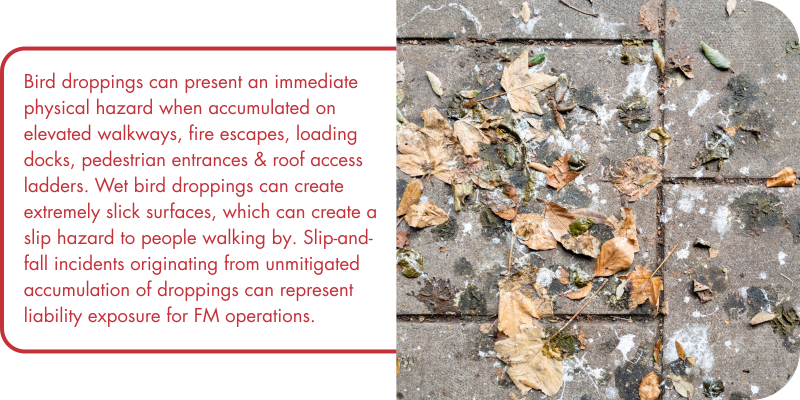
Workplace safety & slip-and-fall liability
Regulatory non-compliance & food safety impact
For FMs overseeing commercial kitchens, food processing facilities, pharmaceutical plants or distribution hubs, bird intrusion introduces critical compliance risks. Depending on the facility, regulatory inspectors can enforce strict zero-tolerance policies regarding pest contamination in commercial supply chains. A single bird entering a manufacturing floor or warehouse can trigger a domino effect, leading to audit failures, product recalls, mandatory line shutdowns and substantial monetary fines.
Structural degradation & asset depreciation
Beyond health and safety liabilities, birds can degrade physical facility assets. The financial consequences of structural damage caused by bird populations can often be worse, transforming minor maintenance routines into major capital replacement projects.
Corrosion via uric acid concentration
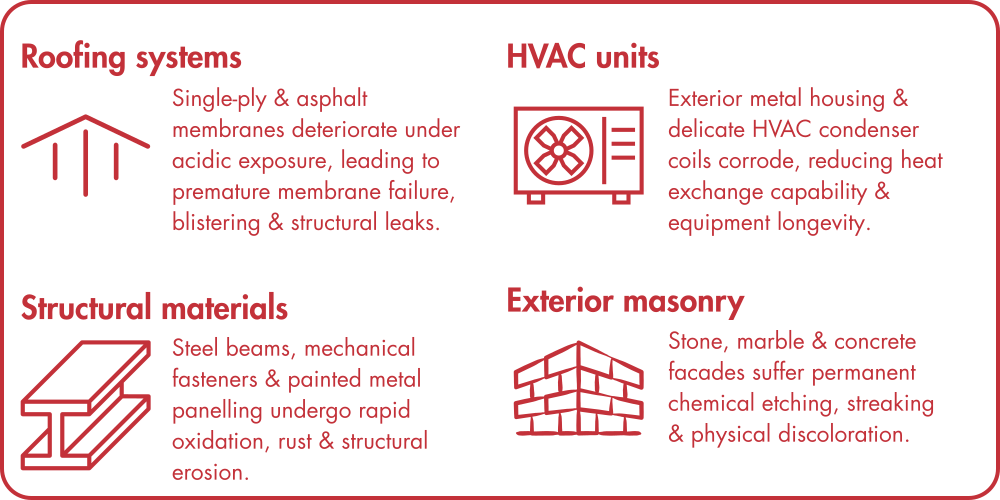
Unlike mammals, birds excrete nitrogenous waste primarily in the form of concentrated uric acid. Uric acid possesses strong acidic properties that make bird droppings highly corrosive to building materials. Continuous exposure to bird droppings can accelerate the chemical breakdown of key structural components:
 Mechanical equipment & solar array damage
Roof-mounted HVAC air handlers are prime nesting targets due to the ambient heat generated by electrical components and protection from wind. Bird debris and feathers can clog intake air filters, reducing airflow efficiency and placing undue strain on compressor systems. Intake systems can pull contaminated items into air ducts, circulating them throughout interior workspaces and causing air quality concerns.
Financial implications & brand reputation
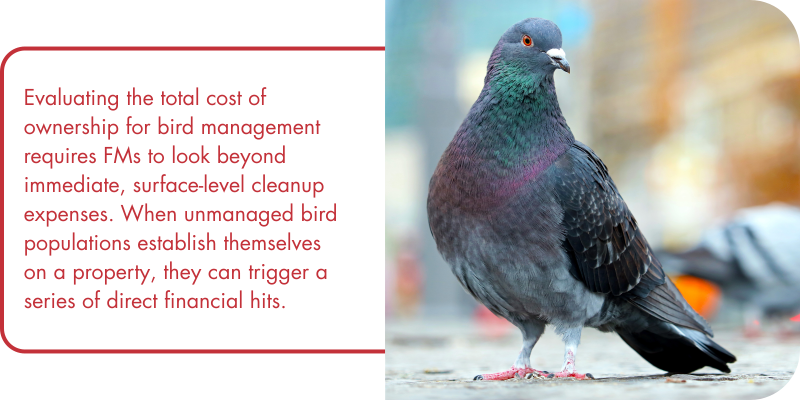 Organizations can be forced into recurring operational spending for things like emergency power washing and deep biohazard sanitization, alongside accelerated capital expenses to repair or replace damaged roofing membranes, corroded HVAC units and compromised electrical wiring. Delaying action can sometimes result in higher costs for remedial bird exclusion down the line, as rebuilding physical barriers after structural degradation has already occurred can sometimes be more expensive than implementing proactive prevention in the first place.
Beyond these direct expenses, bird infestations can also introduce substantial indirect operational costs that can drain profitability. Line stoppages, facility inspections and mandatory cleanup procedures can cause costly operational downtime. Clogged HVAC intake filters restrict critical airflow, potentially driving up facility energy consumption and utility bills. Accumulated bird droppings on walkways and roof hatches can introduce slip-and-fall hazards that can expose organizations to claims and costly litigation.
The intangible costs of bird activity can erode asset valuation and brand equity. In commercial real estate, retail, corporate parks, and hospitality settings, exterior aesthetics usually directly shape public perception. Unsightly bird droppings, aggressive flocking, noisy roosts, and improperly installed deterrence measures can project an image of facility neglect and compromised hygiene. Over time, this can create hesitation during lease renewals, diminish tenant satisfaction, and generate negative public relations that can damage long-term commercial value.
 Integrated pest management for facility leaders
To be able to mitigate bird threats effectively, FMs must transition from reactive response to a structured Integrated Pest Management (IPM) methodology. IPM combines structural modifications, biological understanding, and professional intervention to create long-term resistance against target species.
Step 1: Comprehensive site assessment
An effective strategy begins with a thorough structural audit conducted by trained bird management professionals. Facility leaders should evaluate roof perimeters, HVAC ledges, I-beams, signage recesses and canopy structures to identify bird species, roosting density, and environmental attractants (such as open dumpster areas or standing rooftop water).
Step 2: Physical exclusion systems
Physical exclusion remains the most reliable long-term solution in commercial bird management:
-
-
Structural netting: Heavy-duty polyethylene netting seals off building recesses, loading dock ceilings and inner roof wells, denying birds access to roosting spaces.
-
Stainless steel bird spikes & tension wire: Installed on narrow ledges, parapets and window sills, these perch modification systems physically prevent larger birds like pigeons and gulls from landing without causing physical harm.
-
Solar panel mesh guards: Specially designed mesh barriers clip onto PV array perimeters to block bird entry beneath the panels without voiding panel manufacturer warranties.
-
 Step 3: Deterrent technologies
For expansive roofs, open-air facilities or historic architectural facades where physical netting is visually impractical, advanced technologies offer effective continuous disruption:
-
-
Automated optical lasers: Low-powered green laser systems sweep high-ceiling warehouses or outdoor spaces, presenting perceived physical obstacles that push birds to abandon the site.
-
Optical gels & electric deterrents: Low-profile tactile gels and electric track deterrents emit sensory warnings that deter birds from landing on architectural features.
-
Step 4: Professional sanitation & decontamination
Attempting in-house cleanup of large amounts of bird dropping accumulations can expose facility staff to dangerous respiratory hazards and risks spreading pathogens through building air ducts. Specialized commercial bird management professionals employ biohazard containment protocols, specialized protective equipment, and industrial disinfectants to safely clean, sanitize and decontaminate structures prior to installing hardware.
The bottom line
Bird control should not be treated as an isolated maintenance task or a temporary cleanup effort. For FMs and decision-makers, unmitigated bird activity can represent an active risk factor that can threaten workplace safety, degrade physical assets, increase operating expenses and damage organizational brand equity. By integrating professional bird management into broader operational risk frameworks and adopting modern IPM strategies, facility leaders can help protect building infrastructure, maintain strict site compliance, and ensure a safe, healthy environment for all occupants.

Rentokil is the leading provider of residential and commercial services in North America, specializing in health, hygiene, environmental and pest management solutions. Combining global innovation with local expertise, the company protects businesses and communities from pests including crawling insects, termites, mosquitoes, rodents, and birds using advanced Integrated Pest Management. Rentokil helps organizations maintain safe, clean, compliant and healthy environments.
Read more on Facility Operations and Risk Management or related topics Occupant Health , Occupant Safety and Operations and Maintenance Planning
Explore All FMJ Topics