
 Membership
 Network
 Regional Sites & Affiliates


 Events
 Participate
 Resources

 Training
 Credentials
 Government


 Content Channels
 Tools
Tools


 Business Overview





Closet Chaos
Organizational tips for time, labor & cost savings
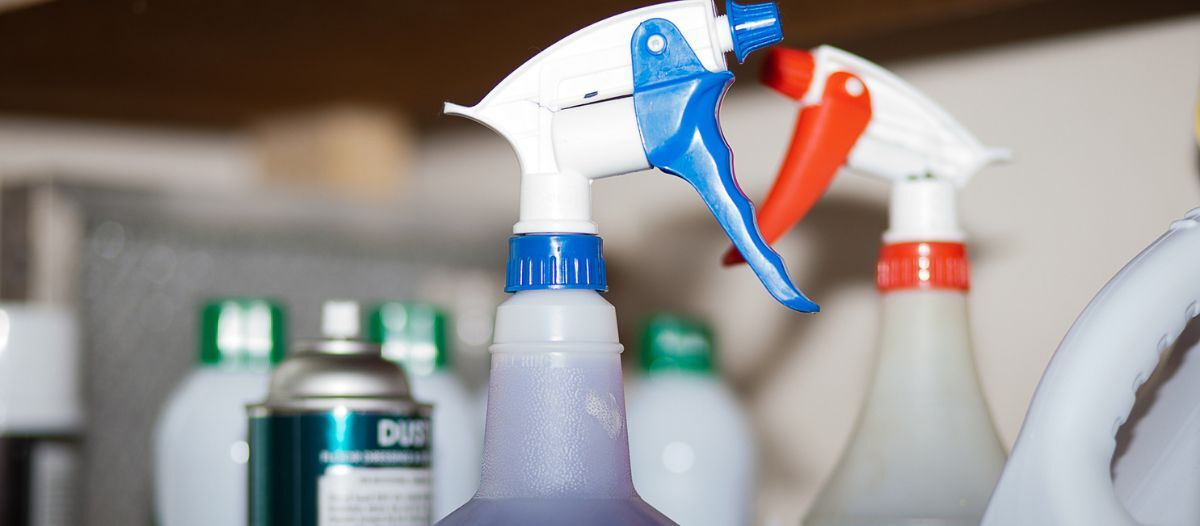
The COVID-19 pandemic has presented new challenges for today’s facilities with safety and cleaning at the forefront of daily business operations. Occupants are paying closer attention to their surroundings as they reenter the workplace, and the way a facility looks on the surface is most often a direct reflection of the behind-the-scenes safety practices. One key area in any building to monitor closer than ever before is the janitorial closet. This small space is the command center of every cleaning crew and it is worth taking a closer look at what is going on behind closed doors.
Creating an efficient and organized janitorial closet is vital to maintaining a clean and hygienic facility, and is necessary for custodial services to perform at peak level. An organized janitorial closet not only sets the tone for how an entire facility should be cleaned, but also translates to the overall professionalism and service level of the facility.
This area is frequently a shared work-station with tight quarters and like many small spaces, is often short changed and becomes a pain point for many facilities. Far too often, facility managers waste time and money duplicating cleaning supplies and equipment because they do not know what they have on hand. Fortunately, there are many strategies for maintaining a neat and orderly janitorial closet. Strike a balance between having enough space for inventory and equipment while balancing the need for safety, organization and productivity.
10 tips for maintaining an organized janitorial closet:
1. Track inventory. Stay on top of inventory by keeping a detailed list of equipment and supplies and how often they are used. The janitorial closet should run lean. This allows cleaning staff to know exactly where supplies are available and what needs to be restocked. When organizing, look at each item and determine how often it is used. If it is used on a weekly basis, keep it in the closet. If less frequently, move the bulk boxes and containers somewhere else and only take it out when it is time to use it.
2. Check for expired products. Chemical solutions and other supplies should only be kept in a closet in sprayers or secondary containers for up to a week. Get rid of all expired cleaning products. While COVID-19 has not changed how to store products in a closet, the Environmental Protection Agency (EPA) has created “List N,” which identifies every disinfectant the agency says kills COVID-19 on surfaces. Regularly check the EPA list at epa.gov as items are frequently updated.
3. Use functional cues. Use products, tools and equipment that have clear labels and functional cues to help custodial staff quickly identify what they need to get in and out quickly. Consider using color coding on products as a wayfinding tool to visually communicate product use and coordination with other equipment. This makes it easier for cleaning staff to identify that the “orange” cleaning solution goes with the “orange” mop, trash liner and cleaning supplies for any job.
4. Maximize wall space. The U.S. Occupational and Safety Administration (OSHA) has strict guidelines for properly storing materials and equipment to avoid potentially hazardous situations. To adhere to their policies, use the correct shelving. Install racks and wall-mount holders strong enough to support all the weight of
the supplies in a closet. Rack-type shelving helps improve air circulation. Organize products by type and usage with the most-used products in easy-to-reach locations. Make sure all paper products are securely placed on shelves above any closed containers filled with chemicals or liquids. Finally, all supplies should be stored at least 18 inches away from sprinklers and smoke detectors.
5. Don't forget the floors and walls. Good ergonomics have become an essential part of FM best practices. However, this area of a janitorial closet often gets overlooked. Keeping items on the floor can lead to excessive lifting and more accidents. Remember to refresh the walls and floors with coats of light-color paint to make the closet appear larger and brighter. Painting the floors also has an added benefit of seal-ing them to avoid dust or mold. Chemicals, powders, rinse water and other items often spill on the closet floor. To prevent these items from being tracked to other areas of the facility, consider installing rubber mod-ular matting systems on the closet floor.
6. Organize safety data sheets (SDS). It is not only wise to label everything in the closet, it is the law. These records are crucial items in any janitorial closet. The purpose of SDS is to provide all pertinent information about a given product. For instance, descriptions about proper usage for a chemical, a list of any hazardous materials contained in the chemical solution and a recommendation of personal protective equipment (PPE) to use such as gloves, safety goggles or respirators must be recorded. But equally important is how SDS are organized. A first step is to include a written hazard communication policy. This names the person directly responsible for maintaining SDS records. Second, outline how employees use SDS and what is expected of them to be compliant with OSHA protocols. Third, keep a
detailed inventory list or index of all material SDS information in the binder. Always file SDS alphabetically by the chemical product name instead of by operational area or category. This presents less confusion for the cleaning crew staff. Following these steps will provide a clear path to efficiencies.
7. Let the closet breathe properly. OSHA officials routinely inspect closets for proper ventilation. Double-check that vents are clean and operate correctly. Dust build-up can block heating and air systems from operating properly. If a building is LEED-EB certified (existing buildings), the closets are required to have separate
outside exhaust systems with no air recirculation in the closet or closet air mixed with the facility’s exhaust system. This will eliminate potentially hazardous or flammable situations.
8. Train staff with proper protocols. Having a well-trained custodial staff helps keep a safe and organized environment with fewer accidents. If space is tight, consider organizing cleaning items in a caddy or cart. Require staff members to wipe down their carts with an antibacterial agent or disinfectant at the end of each shift. Make sure they check for a working sink and drain for proper hand washing and water disposal. Also, have a floor drain with an overflow catch pan for easier elimination of waste materials. Lastly, provide wall charts that clearly show the user which product they should use on which surfaces to save time and prevent costly mistakes.
9. Schedule regular inspections of the closet. Maintenance, cleanliness and upkeep of a janitorial closet should be checked on a regular basis. Creating a
checklist for these inspections can help with important communication between supervisors and cleaning crews. Some sample checklist items may include:
-
Are floors clean, dry and free of clutter?
-
Are all lights, switches and outlets working properly?
-
Is the first aid kit readily accessible and adequately stocked?
Closets should be inspected at least once a month; and more often, if time permits. During inspections, always remove “unauthorized cleaning materials” such as bleach, ammonia, paint removers or hazardous chemical solutions.
10. Convenience of location. The location of a janitorial closet should not be “out of the way.” A conveniently located closet will be used more regularly. A closet located far from the most frequent cleaning areas often requires staff to bring everything they need in one trip, which can result in loss of equipment, accidents and fall hazards for staff and building occupants.
As many FMs prepare for reopening during and following the pandemic, there will be a growing desire to ensure employees and customers a safe and healthy building environment. While challenging, this also creates an opportunity for FMs to move from being a service provider to a strategic change agent for safer work practices. As an industry, one should embrace this opportunity. However, it all starts with an organized janitorial closet.

Susan Scapparone is the director of product management for the facilities category at Staples. During her tenure she has been a key contributor in launching the facilities category at Staples with a focus on chemicals and janitorial paper. Scapparone leads a cross-functional team responsible for launching new chemical solutions and cleaning tools.
Read more on Facility Operations or related topics Maintenance and Materials and Consumables
Explore All FMJ Topics