Membership
 Network
 Regional Sites & Affiliates


 Events
 Participate
 Resources

 Training
 Credentials
 Government


 Content Channels
 Tools
Tools


 Business Overview





Cobots
Redefining smart cleaning
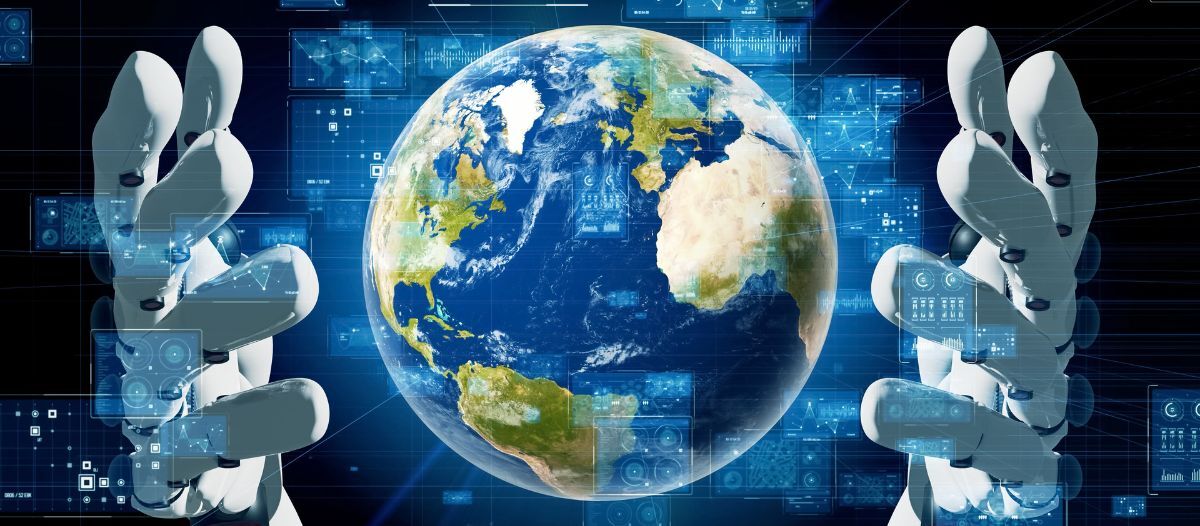
Recent global challenges with COVID-19 and the impact on communities and economies have pushed public health and safety into the spotlight. Not only are countries grappling with a year-long health crisis and bleak economic outlook, they must also embrace growing expectations for sustainability that require innovative solutions to ensure people, businesses, especially the facility management sector, can adapt to a new post-pandemic normal – now and in the future.
The events of the past year have forced many around the world to change the way they work, live and play, with remote work and virtual schooling both becoming a common phenomenon around the world. Concerns over public safety have also led to a reduced amount of time spent in public areas, with people opting for new kinds of entertainment and limited social gatherings.
Now, as the world begins to venture back outside, the drive towards safe and sustainable cleaning has intensified, serving as a key factor for restoring public confidence and addressing heightened demands for cleanliness, safety and convenience in public facilities. Cleaning no longer is just about the level of hygiene in spaces. There is greater awareness around the safety of the cleaning agents and methods used for the public, the frontline cleaning staff and the planet.
According to the Asia Consumer Confidence Index conducted by Ipsos and Avalon SteriTech, 63 percent of Asian consumers admitted to worrying about the overuse of chemicals for disinfection purposes during the pandemic. Whilst cleanliness and disinfection are pivotal, there is a stronger drive to achieve this in a safe and sustainable manner. Elevating public health and safety standards through smart cleaning for public areas and businesses is the way forward to meet the increasing level of assurance and efficiency expected by consumers today.
AI and robotics are proving to be one of the most effective solutions in this space to help transition to the new normal. Smart cleaning technology is providing a new quality of cleaning by applying specified amounts of disinfectants and controlling exposure to cleaning substances. This ensures that the risks posed on humans and the surroundings can be better mitigated, positioning FMs for success both in a community and environmental sense as markets begin to gradually open up again and industry activity resumes.
Making the shift to smart cleaning
The pandemic has given new momentum to the adoption and trend of smart cleaning, which has continued to rise in prominence globally. The International Federation of Robotics (IFR) stated that robotics cleaning technologies, such as vacuum cleaning and disinfection functions continue to grow in popularity, with the market projected to hit US$24.8 billion by 2026 – averaging a compound annual growth rate (CAGR) of 22.8 percent. Looking at recent years alone, an estimated 31 million household robots were sold between 2016 and 2019, out of which 96 percent were vacuum and floor cleaning robots.
New players continue to enter the market, responding to market demands for more efficient, customized and effective solutions. The emergence of regional and international robotics cleaning brands has also given rise to a substantial amount of investment into research and development to further the market potential and prepare people and businesses for a future of smart cleaning.
Smart cleaning challenges both the breadth and depth of cleaning and disinfection practices, whilst addressing concerns for sustainability. In response to the increased use of chemical disinfectants during the COVID-19 pandemic, the names that remain on top in the smart cleaning space are those that redefine levels of quality, performance, safety and reliability, whilst maintaining a delicate balance of biocidal efficacy and responsible use of chemicals, opting for safer, more environmentally friendly alternatives whenever possible.
Sustainable solutions for the long-term
The pivot to sustainability in cleaning began even before the pandemic with the 2019 Green and Sustainability Survey conducted by Facility Cleaning Decisions. It stated that nearly 80 percent of respondents would do whatever they could to incorporate green certified products into their cleaning programs. Almost half of the facility cleaning managers interviewed also said they were planning to introduce sustainable products over the next 12 months.
Whilst environmental concerns are a big push for more sustainable products, this is also encouraged by the level of security guaranteed by using products that have safer chemical content. In the United States, poison information centers recorded a sharp increase in the number of daily calls from January to March 2020, when compared to the same period in 2018 and 2019. Smart cleaning directly addresses public concerns surrounding the overuse of chemicals and disinfectants to make personal and public spaces safer during the pandemic. The application of robotics takes this a step further, offering greater consistency as well as a reduction in chemical footprint. This also protects the frontline cleaning workforce from direct exposure to chemicals, thereby reducing risks such as eye, respiratory or skin irritations and any resulting health effects.
As the need for more sustainable cleaning methods and approaches continues to grow, robotics cleaning technology is opening new possibilities for facility management corporations looking to jump on the trend and cater to the evolving demands of their customers. The significant benefits brought by this technology include low costs, efficient use of workforce and alignment to corporate social responsibility (CSR) goals. For instance, some available smart cleaning solutions can decrease chemical usage by over 80 percent with the adoption of dedicated spraying technology. Application of safe and environmentally friendly disinfectants with strict cleaning protocols also tackles the issue of inventory management efficiently, eliminating the limitations and inconsistency of manual cleaning in comparison.
Some biotech companies are also putting increasing development of biosensing robots for public spaces, which can provide real-time detection of cleanliness. Only when a certain threshold of bio-contamination has been detected will disinfection and cleaning practices take place, thus reducing overall chemical usage. Technological solutions are undeniably the sustainable way to prepare the world for any potential infectious disease outbreaks, while embracing innovative means to lead a more sustainable lifestyle.
Redefining the future of cleaning
Regarding the adoption of cleaning robotics technology, Asia is the frontrunner with the market projected to record the highest growth rate in the world. Cleaning robots in Hong Kong, for example, offer much-needed confidence to the public given that hygiene practices in public and personal areas have become a major focus as a result of the pandemic. Singapore, in turn, recorded the second-highest robot density in the world, with 658 industrial robots per 10,000 workers as of 2019.
In the future of cleaning, collaborative robots, or “cobots,” are leading the way. Cobots place a strong emphasis on the interaction and relationship with human workforce, differing from traditional robotic solutions. They can take on monotonous, repetitive, or strenuous tasks, and perform disinfection in a consistent, efficient and sustainable manner that minimizes the overall use of disinfectants as well as human exposure to them. By taking up these tasks and freeing time for human workers to spend on more nuanced or strategic tasks, cobots are paving the way for the future of cleaning, showing how robotics technology can change the landscape of smart cleaning.
FM corporations must do their part to find alternate solutions that meet enhanced cleanliness demands from consumers and businesses, especially in the post-pandemic era. Simply redirecting manpower to cleaning and disinfection while increasing overall use of chemical are not long-term solutions. With added economic and social pressure to pursue more sustainable and environmentally friendly solutions, our approach to cleaning and disinfection needs momentum that not only embraces advanced robotics technologies and methodologies, but also adheres to a greener way of life, ensuring that we are taking the right steps forward to safeguard public safety whilst protecting the environment and people.

Lewis Ho is the Chief Executive Officer of Avalon SteriTech, a global start-up based in Hong Kong which strives to provide next-generation cleaning, disinfection and sterilization technology for public spaces.
References
Top image by Getty Images.
Cleaning Robot Market with COVID-19 Impact by Type (Professional, Personal), Product (Floor Cleaning, Lawn Cleaning, Pool Cleaning, Window Cleaning), Application (Residential, Commercial, Industrial, Healthcare), and Geography - Global Forecast to 2026. Markets and Markets. https://bit.ly/3eEL6Nb
Robot Vacuum Cleaners Market - Growth, Trends, COVID-19 Impact, and Forecasts (2021 - 2026). Research and Markets. https://bit.ly/3eGGeqM
2019 Green and Sustainability Survey. Facility Cleaning Decisions. CleanLink: https://www.cleanlink.com/hs/article/Green-Cleaning-Sustainability-Survey-Highlights-Industry-Trends--25357
Chang A, Schnall A, Law R, Bronstein A, Marraffa J, Spiller H, et al. Cleaning and disinfectant chemical exposures and temporal associations with COVID-19 — National Poison Data System, United States, January 1, 2020–March 31, 2020. Morb Mortal Wkly Rep MMWR. 2020;69(16):496–498.
Read more on Facility Operations and Facility Technology & Data Management or related topics Maintenance Sourcing and Facility Technology
Explore All FMJ Topics