
 Membership
 Network
 Regional Sites & Affiliates


 Events
 Participate
 Resources

 Training
 Credentials
 Government


 Content Channels
 Tools
Tools


 Business Overview





Commercial Roofing Replacement
Solid planning for a successful solution
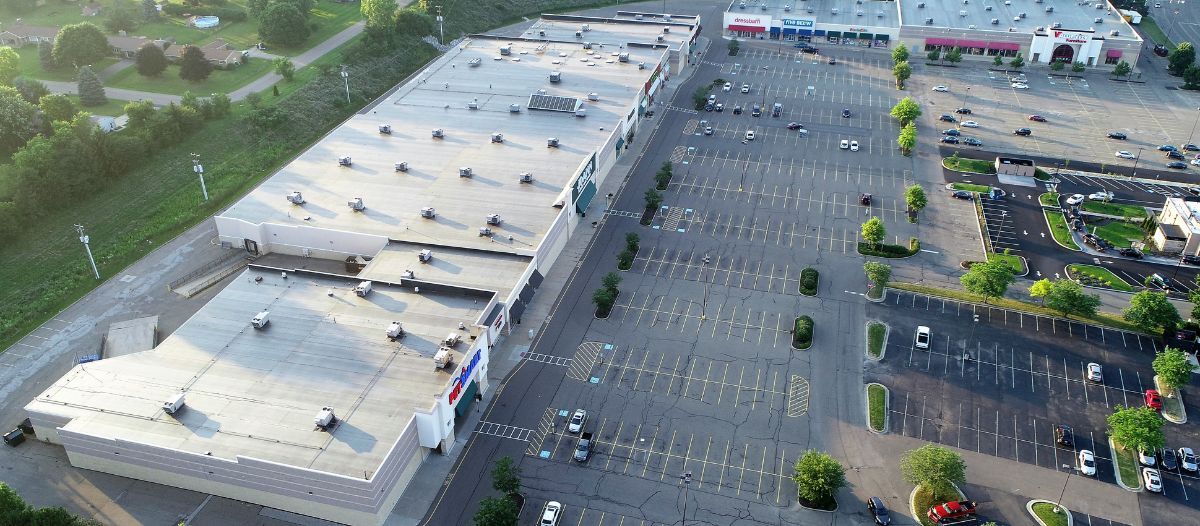
Replacing the roofing of a commercial building can be overwhelming. There are so many factors to decide such as budget, materials and manufacturer, and service provider. The FM also must ensure the construction will have minimal impact on the building and its tenants, and any businesses in the building can safely operate during the project.
There may be an optimal time of year to replace the roofing based on either weather conditions and geography or the type of building. A shopping center may want to avoid construction during the holiday season, whereas that may be the perfect time for a college or university. Before embarking on a roof replacement, an FM must understand the process, expectations, necessary decisions, safety concerns, and roles and responsibilities of everyone involved in the project.
The assessment & recommendation
The first step is to confirm a roof replacement is necessary and the existing roof is not salvageable. This can be accomplished with a thorough inspection and assessment by a commercial roofing professional who is trained to identify problems that may not be apparent through a basic visual inspection. Using various technologies such as infrared imaging, leaks, cracks, gaps and other underlying issues can be readily identified and assessed. While there are a few areas, such as the decking, that cannot be fully inspected without removing the insulation and membrane, an experienced professional can gather enough information to make an accurate determination as to whether the entire roof or any part of the roof can be salvaged and repaired.
Assuming the roof is not salvageable, the next step is to determine if the roof needs to be replaced or recovered. A complete replacement involves removing the old roof and installing a new roof. An overlay is when the new roof is installed over the existing roof thereby saving the facility owners the cost of removing the old roof. There are several factors that go into this decision based on the results of the inspection including the age and stability of the original roof, the condition of the existing materials, the amount of wetness and adherence to building codes. In addition, manufacturer warranties may differ for recovered versus replacement roofs, so it is very important FMs understand their liabilities. Following the inspection, the roofing professional should provide the FM with their complete assessment and recommendation including images, results of any infrared scans, core samples if any were taken and data that support the recommendation.
At this point, the roofing service provider will develop a specific, detailed plan and budget based on the job, labor and scope of work.In addition to the obvious factors such as square footage, type of roof system and cost of materials, the pricing will also reflect details such as how many projections are on the roof, the size and requirements of the HVAC system on the roof, and any other factors unique to that particular roof.
The players
As the process begins it is important to understand all the people who will be involved and their respective roles. The roofing service provider team consists of:
Director of field operations:
- Oversees the entire job, ensuring the work performed meets the customer’s requirements and what was agreed upon in the scope of work.
- Ultimately responsible for the quality of the overall job.
- Makes periodic visits to the site to perform an overall check.
- Checks in with FM and available to handle any situations.
Superintendent:
- Reports to the director of field operations and is responsible for the day-to-day management of the job.
- Makes daily visits to the site to ensure work is moving according to schedule and that materials and labor are coordinated so there are no delays.
- Oversees the delivery of materials and supplies and reviews status regularly with the foreman.
- Maintains regular contact with the FM.
Foreman:
- Responsible for the on-site crew and directs all work.
- At the job site full-time to give crew direction, resolve any issues and ensure job is moving forward according to plan.
Safety director:
- Establishes an initial safety plan before construction begins to ensure the safety of workers, people and businesses in the building and the surrounding area.
- Makes periodic visits to the site to ensure all safety requirements are being met, all safety protocols are being followed and there are no potentially unsafe situations.
Safety coordinator:
- Reports to the safety director.
- A member of the crew who has been given the added responsibility of inspecting and constantly monitoring the job site for any potential issues.
- Before any work begins in the morning or after lunch breaks, the safety coordinator conducts a complete inspection of the site before any work commences.
Sales representative:
- Based in the service provider’s office, the sales representative is responsible for providing the customer with updates, images and answering any questions the customer may have.
Manufacturer representative:
- Works for the manufacturer of the roofing system being installed.
- Provides guidelines to service provider for proper installation; may make visits to job site during construction to ensure proper handling of materials.
- After the job is complete, makes a final inspection, approves installation and issues warranty.
The process
After a contract has been signed, the process begins with a pre-construction meeting with the FM and other relevant staff, which can include security, maintenance, operations and oftentimes building management or owners. For the service provider, the meeting is usually attended by the director of field operations, the superintendent assigned to the job, the foreman and the safety director. During this meeting, a plan is devised to minimize any disruption within the building and maintain the safety of all involved. Decisions are made about where the dumpsters and trash chutes will be located, will there be any need for the crew to be inside the building and if so how will that be coordinated, what safety equipment needs to be set up to allow easy and safe access to building tenants, where machinery and equipment will be located, the hours when work will be performed, permits that must be obtained, the estimated timetable for completion and any other specifics with regard to the building and its operation. There may be some very specific situations that need to be handled, such as making sure any odors from the work being done do not permeate the building’s ventilation system. Or possibly there is an area of the roof where noise may be disruptive to whatever is going on inside. All of these considerations are discussed and solutions are developed to address the customer’s needs.
Once construction has begun, the FM should receive regular, detailed progress reports and pictures. As much as service providers try to avoid any surprises along the way, if an unanticipated situation arises, the FM should be immediately notified, and a meeting set to discuss how it will be handled. During construction, the service provider should maintain the worksite, dispose all waste materials daily, secure all equipment at the end of each day and do everything possible to minimize the impact on the building and its occupants.
Service providers should also establish and secure travel areas on the roof during the project. These are areas and pathways where the crew will be primarily walking and working. Ensuring these areas are secured and maintained will reduce the chance of damage to the roof and potential safety issues.
Most experienced service providers will also synchronize their removal of the old roof with the installation of the new roof. They should not remove more roof than they can replace during the same day. This avoids having an exposed deck, which can cause damage and create vulnerabilities in the event of rain, wind or other weather. When the crew leaves at the end of each day, there should be no exposed insulation or deck.
Once the roof is complete, the service provider’s team — consisting of the director of field operations, superintendent, foreman and quality control manager — will do a final inspection. Once they are satisfied that the job has been completed properly, the manufacturer’s representative will come to the site for a final inspection to assess whether their roofing system has been properly installed. Upon successful completion of the manufacturer’s inspection, a warranty will be issued for the roof and the job will be complete.
Finally, the crew will complete cleanup and remove all equipment, dumpsters, chutes and anything else on the job site that needs to be taken away.
The FM’s role
Depending on the FM’s familiarity with roofing, the resources they have available and the amount of time and interest they have, they can be either minimally or integrally involved in the process. During the pre-construction phase, it is critical for the FM to work with the service provider to determine a plan that enables construction to proceed while minimizing any disruption in the building and addressing safety. The service provider is reliant on the FM to provide information and insight about the building and its daily operation.
Once construction has started, and assuming the service provider is competent, the FM can be more of a monitor. The FM should review progress reports, pay attention to and report any disruptions occurring within the building, and maintain regular contact with the job superintendent.
If so inclined, the FM can also have the foreman take them on the roof to see firsthand the work that is being done. In many cases, FMs have extensive knowledge about roofing and making a visual inspection can help assure them the job is properly done. If an FM does not have much experience with roofing, they can still make a visual inspection to get an overall sense of how the job is progressing. They can look for telltale signs that their service provider is doing a good job. For example, if the work looks neat, and areas around projections and HVAC units are precisely cut, more than likely attention is being paid to details. It is important to inspect the perimeter of the roof. The field of the roof is relatively simple to install; however, quality of the work around the perimeter and securements around the roof are generally what separates the good providers from the excellent providers.
There are many parts of the roof that will not be viewable after the work is done, making it important to make regular visits before those portions are covered up. Fasteners, securements and wood nailers are just a few things that cannot be checked once covered.
Maintenance plan
While it may be tempting to not immediately address a maintenance plan for a new roof, it is critical to put a plan in place as soon as possible. The maintenance plan will help get the maximum service life out of the roof, and in many cases to keep the manufacturer’s warranty in effect. The maintenance plan should be discussed with the service provider.
Preventative maintenance helps the FM team keep the roof healthy and avoid future budget surprises. The goal is to stop problems before they start, therefore avoiding costly repairs. To maintain the structural integrity of the roof, a walkover assessment is recommended twice a year, specifically during spring and fall, to protect the structure from harsh conditions.
While replacing commercial roofing can seem overwhelming, having a familiarity with the process, understanding expectations maintaining good communication, taking the necessary safety precautions and having a solid plan will help mitigate problems, minimize impact on building operations and enable the successful completion of a roof that, when properly taken care of, will have a long, trouble-free life.

Scott McGhee is director of field operations for Legacy Roofing Services. McGhee has more than 40 years of experience in the roofing industry and has worked with a wide variety of roofing situations, systems and materials. He has also overseen roofing and exterior restoration for historic buildings.
References
Top image via Getty Images.
Read more on Project Management or related topics Asset Management , Supplier or Vendor Management and Project Management
Explore All FMJ Topics