 Membership
 Network
 Regional Sites & Affiliates


 Events
 Participate
 Resources
 Training
 Credentials
 Government


 Content Channels
 Tools
Tools


 Business Overview





Getting Ahead of the Curve
Strategies to help meet expectations at travel facilities
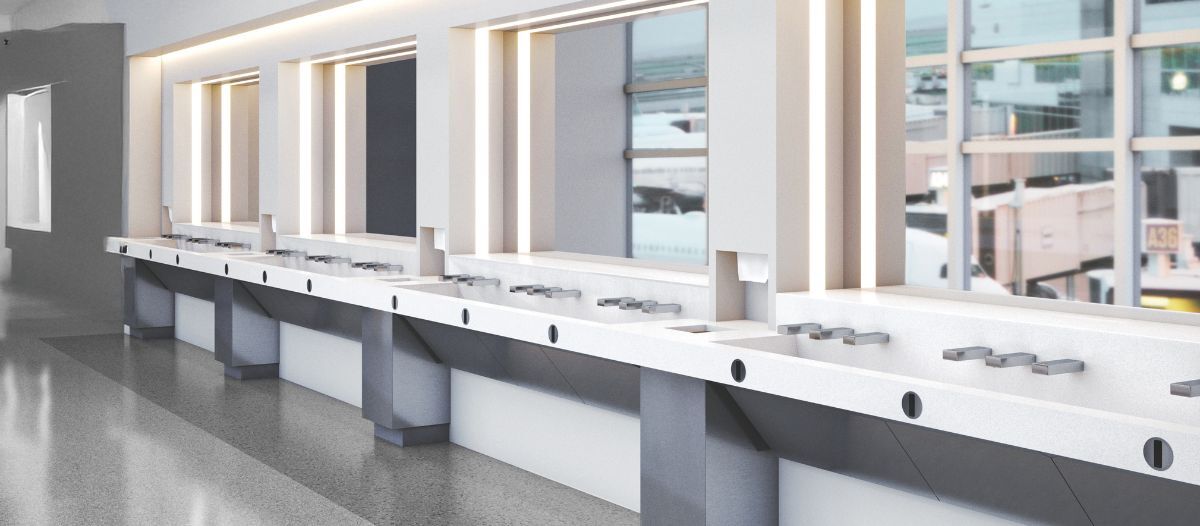
In the complex ecosystem of modern travel — airports, train stations, transit hubs and more — few elements impact passenger satisfaction as immediately and viscerally as the restroom experience. While previously viewed by many as a utilitarian necessity, the restroom has evolved into a critical touchpoint that shapes perceptions of safety, efficiency and care.
In the post-pandemic landscape, the stakes have never been higher. Travelers now carry heightened expectations regarding hygiene, touchless technology and inclusivity. For facility managers and architects, meeting these expectations requires a strategic shift from reactive maintenance to proactive, data-driven design and operation. Built environment professionals must recognize high-level trends reshaping travel facility restrooms and act on insights to deliver a superior user experience.
Evolving traveler expectations
The modern traveler is diverse, informed and discerning. Whether rushing between flights with luggage in tow or navigating a train station with small children, their needs extend beyond basic functionality.
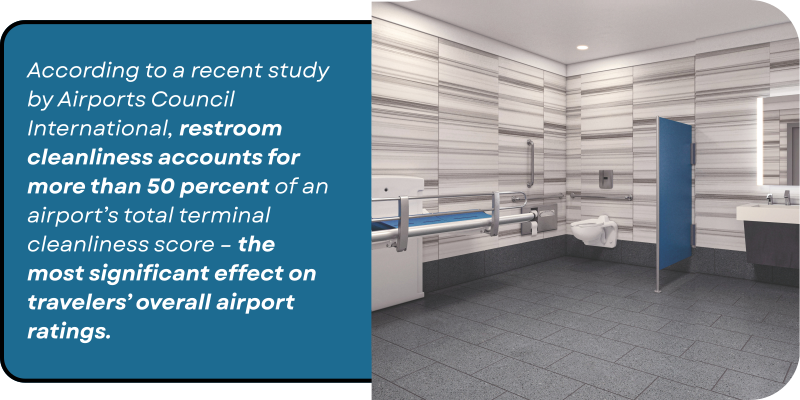
Hygiene as the new safety standard
The definition of "clean" has expanded. It is no longer just about the absence of visible dirt; it is about the assurance of health safety. The global health events of recent years have permanently altered public sensitivity to shared spaces. Travelers are acutely aware of high-touch surfaces — faucet knobs, flush handles and soap dispensers — as potential vectors for germ transmission. Consequently, the demand for touchless fixtures has transitioned from a luxury preference to a baseline expectation.
Touch-free environments do more than just reduce the "ick” factor. They actively mitigate the risk of cross-contamination, protecting both passengers and the facility staff who maintain these high-traffic zones. By eliminating physical touchpoints, sensor-operated fixtures directly interrupt a primary mode of pathogen transmission. This automation also ensures consistent operation: toilets are always flushed and faucets are turned off, contributing to a more pleasant and hygienic environment for every user. The psychological comfort this provides cannot be overstated, as travelers who feel safe are more likely to have a positive overall experience.
Inclusivity & accessibility
Accessibility is not merely a compliance checklist; it is a design philosophy that ensures dignity and ease for everyone. Thoughtful design anticipates the needs of all travelers, creating a welcoming atmosphere that reduces stress and improves traffic flow.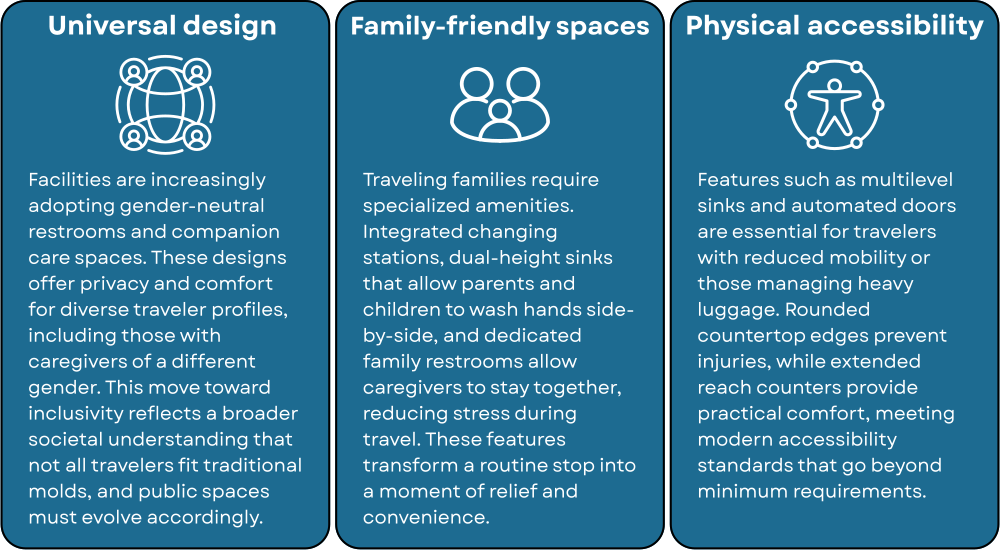
Design for high-traffic environments
Travel hubs operate 24/7, subjecting fixtures to relentless use. The materials and technologies selected must withstand this pressure while maintaining a welcoming ambiance.
Durability meets aesthetics
The perception of a facility often hinges on visual cues. Scratched mirrors, stained basins or vandalized stalls suggest neglect. To combat this, forward-thinking organizations are turning to advanced materials. Solid surface sinks, for instance, offer seamless designs that eliminate crevices where mold and debris can accumulate. These nonporous surfaces are not only easier to clean but also resistant to the scratches and impacts common in busy terminals.
Specialized hydrophobic glazes on ceramic fixtures can inhibit the growth of bacteria and prevent waste buildup. This technology keeps toilets and urinals cleaner between scheduled maintenance cycles, maintaining a like-new appearance that reassures travelers.
 The role of smart technology
The integration of the Internet of Things (IoT) into building and restroom management is revolutionizing how organizations and their facilities operate. Connected fixtures — including flushometers, faucets and bottle fillers — can now communicate real-time data to facility managers.
-
Predictive maintenance: Instead of relying on fixed schedules, maintenance teams can receive alerts when a battery is low or a solenoid detects an issue. This shifts the operational model from reactive (fixing what is broken) to predictive (addressing issues before they disrupt service).
-
Water safety: IoT-enabled systems allow for programmed "line flushes" in stagnant periods, moving water through the system to reduce the risk of Legionella and other waterborne pathogens.
-
Usage analytics: Data on peak usage times allows managers to deploy cleaning staff more efficiently, ensuring bottle fillers and restrooms are serviced exactly when needed most.
Strategies for operational efficiency & maintenance
For FMs, the goal is to maximize uptime while minimizing labor and resource costs. The high turnover rate in janitorial staff and the challenge of finding skilled technicians make efficiency paramount.
Streamlining maintenance workflows
Design choices directly impact maintainability. Concealed flushometers with rear access (chase access) allow maintenance crews to service plumbing components from behind the wall. This design innovation means a single stall can be serviced without closing the entire restroom, preventing congestion and maintaining availability for travelers.
Similarly, top-fill soap dispenser systems address a common pain point. Traditional under-sink refills are labor intensive and physically difficult for staff. Top-fill systems allow for quick, ergonomic refilling from above the deck, often utilizing closed systems that prevent contamination and spillage.
Water conservation & sustainability
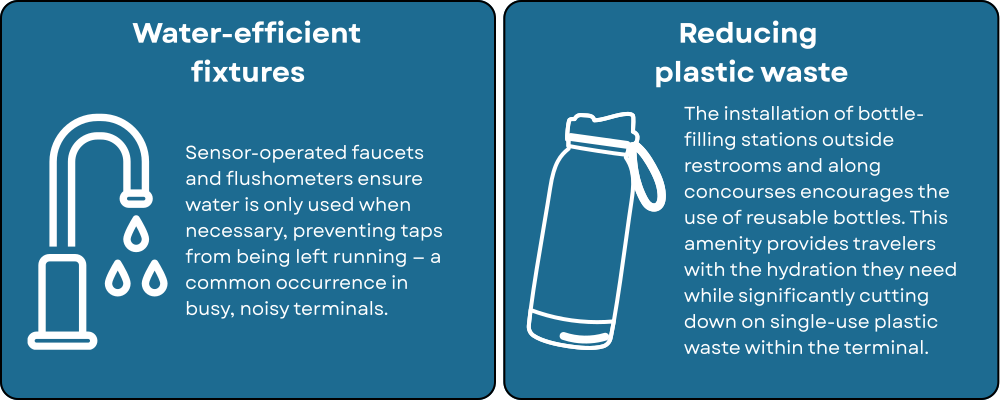
With travelers becoming increasingly eco-conscious, facility operators are under pressure to reduce environmental footprints. Some recommendations include:
 The impact on facility ratings & revenue
It is a mistake to view the restroom as a cost center isolated from the broader business of travel. The restroom experience is inextricably linked to the commercial success of a transit hub.
Shaping the passenger mood
A negative restroom experience — characterized by wet floors, bad odors or broken fixtures — can sour a traveler’s entire journey. Frustrated passengers are less likely to spend time shopping or dining in the terminal. Conversely, a clean, modern and pleasant restroom experience puts travelers at ease, potentially increasing dwell time in retail areas and boosting ancillary revenue.
Brand reputation
In the age of social media, facility conditions are often broadcast instantly. A poorly maintained restroom can go viral for the wrong reasons, damaging the brand reputation of the airport or station. High ratings in industry satisfaction studies are often correlated with superior terminal facilities, specifically in restrooms. Investing in this space is an investment in the facility's brand equity.
A holistic approach to the journey
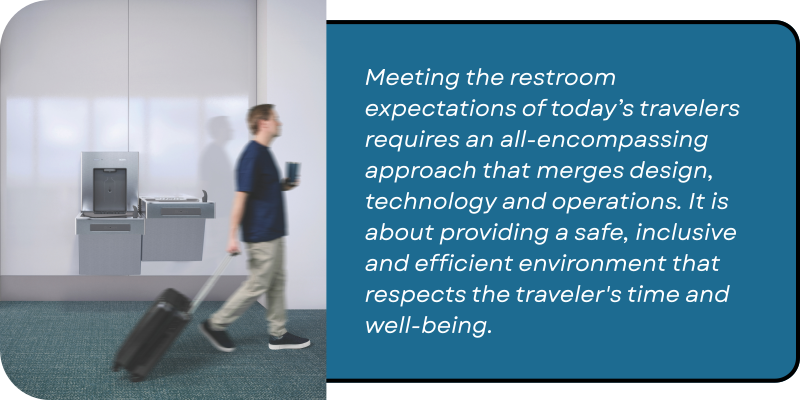
By embracing touchless technologies, durable materials and smart data insights, FMs and architects can transform the restroom from a common complaint into a competitive advantage. In doing so, they not only elevate the standard of hygiene and sustainability but also ensure that every stage of the journey reflects a commitment to excellence.

Scott McClelland is vice president, product management and marketing at Sloan, providing direction and support to new product development and introducing strategies for sustainable growth. McClelland also helped launch Sloan’s IoT platform, providing smart restroom management for the company's connected products.
References
Images courtesy of Sloan.
Read more on Facility Operations and Quality or related topics Maintenance Processes , Operations and Maintenance Planning and Quality Management
Explore All FMJ Topics