
 Membership
 Network
 Regional Sites & Affiliates


 Events
 Participate
 Resources

 Training
 Credentials
 Government


 Content Channels
 Tools
Tools


 Business Overview





Keep it Simple
Using AI-powered MEP design for FM
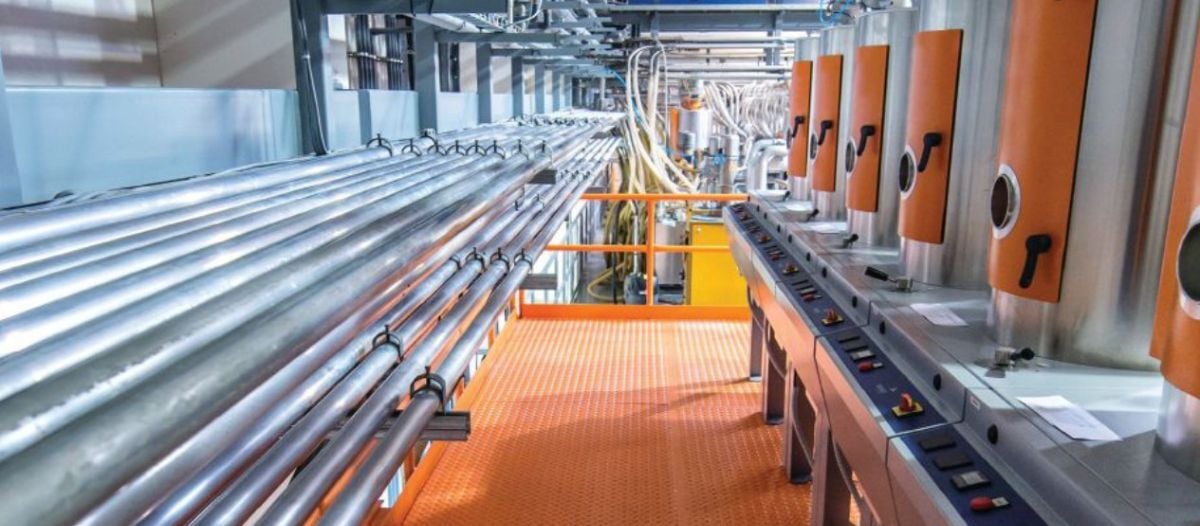
Facility managers recognize that the type of mechanical, electrical and plumbing (MEP) equipment specified in a project, and where it is ultimately installed, has a major impact on the ease with which FM teams can do their job. Equipment set up in poorly selected locations will be difficult to access, potentially requiring more time to maintain.
However, what few FMs recognize is that the MEP design tools used to specify and lay out these systems could dramatically simplify the time spent maintaining them.
While design work has become increasingly digitized, not all of these advancements have made it down to the subcontractors engineering and installing these systems. However, some MEP engineering firms are applying computational design tools powered by artificial intelligence (AI) to simulate all potential MEP system layouts and identify the optimal solution for a project’s specific needs.
This next generation of AI-powered MEP design tools can rapidly run through a near-infinite number of project options to help designers confidently select the option that most efficiently meets all requirements. This might mean, for example, the most affordable option for meeting energy-efficiency specifications and lowering the project’s carbon footprint during construction and operation. AI-powered design tools can also ensure MEP systems have the least intrusive footprint possible, a particularly critical factor in space-sensitive projects.
By encouraging design teams to utilize AI to improve MEP system coordination and optimization in a hyper-efficient 3D modeling world, FMs can take an active role in diminishing operational costs and simplifying future maintenance. The cost savings that come from these improvements can be reinvested in the FM department, further driving up the value that this department can provide.
Account for cost-effective MEP alternatives
Being among the largest systems making up any building, MEP systems carry a considerable share of the overall project costs. In some cases, these systems may make up more than one third to one half of the total project costs. Any potential effort to reduce the upfront and operational cost of these systems can make a dramatic impact on a building’s overall costs and allow for funds to be allocated to more value-added FM items.
This is an area in which AI-powered MEP design tools offer a significant edge over conventional engineering processes. Under more traditional methods, MEP engineers might apply their knowledge, training and experience toward developing a single design solution to the best of their ability. AI-powered design tools, on the other hand, can rapidly work through all potential layouts to determine the single best and most affordable solution to a project’s specific design challenges.
For renovation work, this begins with thorough documentation of existing systems. The engineer will identify if there are parts of the existing systems in good condition, as well as the expected useful life remaining for existing components and other critical details. That information is entered into the design software as an existing item that can be reused as part of the renovation at no added cost. However, because the AI-powered design software is able to run virtually limitless design options, there is the option of determining whether it might be ultimately less costly to meet design goals by removing a certain run of pipe or ductwork and starting with an overall better design.
In other words, AI-driven design tools help remove the uncertainty by evaluating all potential alternatives, with and without reuse of existing materials. This cost optimization capability is unique to AI-powered design tools, but adds tremendous value for facility managers looking for ways to drive down both installation and operational costs.
Improve long-term MEP system performance
Selecting higher performing systems may be the best way to lower long-term operational costs. This is challenging, however, as MEP system requirements have become more demanding in recent years. Today, building systems must balance an organization’s sustainability goals and climate change commitments, while contributing to lower operational costs and not taking up more space than absolutely necessary. As these requirements stack up and become more complex, MEP engineers may be faced with making compromises on system quality, long-term operational costs or other factors.
By adding AI technology to MEP design processes, engineers can trust that the layout installed is the best option for meeting this tangle of interrelated project requirements. This might include the most cost-effective option for meeting energy-efficiency needs and lowering the project’s carbon footprint during operation, all at the most reasonable price point.
A factor often overlooked by conventional engineering processes is that operational efficiencies can be gained simply by reducing the amount of wiring, ductwork and piping laid out in the building. When the MEP materials used are shorter and more directly laid out, systems lose less energy, require less air conditioning to offset heat and result in a lower electrical voltage drop or pressure drop depending on the system. This translates directly into energy savings. Improvements in optimization of the MEP distribution systems can lead to a 10 to 30 percent reduction in energy losses associated with those distribution systems.
Simplify maintenance with simple, accessible layouts
More efficient runs can also lower operational costs by simplifying the time spent on maintenance. As engineer Henry Petroski once wrote, successful engineering comes down to an understanding of how things break or fail. Success is more about reducing the amount of time and money spent on repairing those failures. This is another area where AI-powered design can help.
Shorter and more direct runs, fewer fittings, valves and parts to fail can directly contribute to a reduction in future maintenance costs. Because AI-powered designs can lead to much simpler MEP layouts, they reduce the amount of wiring, piping and ductwork that goes into a building. As a result, designers can lower the amount of work needed to maintain that wiring, piping and ductwork over time.
Also, AI-powered MEP design tools can suggest layouts that make it easier to access equipment to perform that future maintenance. Too often FMs find that they must work around pipes and wires to maintain their critical systems. Given the many complexities and demands of today’s buildings, few FMs have the time to waste on backbreaking, unnecessarily difficult maintenance tasks.
Because AI-powered MEP design software can factor in site constraints, including the placement of real-world equipment access requirements, it can build those requirements for access into a design upfront. By inputting all access points and the amount of space required to perform maintenance, AI-powered MEP design software can rule out layouts where another system might occupy the necessary service area.
Support future troubleshooting
Larger facilities — including universities, medical centers and corporate campuses — are making delivery of building information modeling (BIM) a standard request as these design schematics can support future maintenance efforts. These models are embedded with tremendous amounts of valuable information on equipment models and component sizing that can simplify part replacement and the scheduling of preventive maintenance. A 2019 IMAGINiT Technologies survey on building information modeling and FM practices noted that the percentage of building owners integrating BIM data into their systems to support maintenance rose from 21 percent in 2018 to 24 percent in 2019. While this information is useful, its value still remains fairly limited to FM teams.
Now engineers can increase the value of this design information for the FM team by using AI-driven MEP design tools to embed even more useful design information that will benefit operations over the life of the facility. For example, the software can embed detailed information around flow rates, pressure losses and locations of expected voltage drops at the time of installation. FMs can use this information to rapidly diagnose problems and gauge systems for decreased performance over time.
When FM teams have easy access to this as-designed information they can more readily troubleshoot problems as they arise. The engineer need only dive into the design information to compare current readings with what was expected at the time of design.
This depth of information far exceeds what is encapsulated in a typical BIM model or in using conventional engineering methods. Because AI-powered design software calculates all of this information upfront to make the most optimal layout selection, the FM team gains valuable design information at no added effort or cost to their department.
Select a partner that shares your priorities
Time is money. Making design choices that can reduce time spent maintaining increasingly complex systems can lead to cost savings that can be reinvested in building improvements. While not all FM are invited to the design table, it is important to recognize that MEP system design has a direct impact on the job to be performed. As a result, FMs may want to consider playing a more active role here, particularly in selecting the engineering partners specifying the systems they will maintain.
Working with an MEP engineer who shares FM priorities around cost, performance and ease of maintenance will lead to installation of the best possible system for your building. Ultimately, with AI-powered software automating the process of MEP layout, this is exactly where MEP engineers can focus: on building relationships by supporting the FM in their job.

Gregory Schnackel, PE, LEED AP, is president and CEO of Schnackel Engineers. With more than 40 years of experience, he is a licensed Mechanical and Electrical Engineer in the U.S., Puerto Rico, Guam and nearly all provinces of Canada.
References
Read more on Facility Technology & Data Management and Facility Operations or related topics Building Systems , Facility Technology and Asset Management
Explore All FMJ TopicsRelated articles
-

Artificial Intelligence in FM
The stakeholder’s perspectiveBy Dr. Jake Smithwick & Dr. Kenneth Sullivan & Nneka Ubi05.01.2024 -

Don’t Drop the Ball
How a CMMS can make or break an FM organization’s successBy Michael Carmean09.17.2024 -

Beware of Growing Cyberthreats
Why it’s time for stronger facility cybersecurityBy Andrew Harris & Eric Headington10.30.2024