
 Membership
 Network
 Regional Sites & Affiliates


 Events
 Participate
 Resources

 Training
 Credentials
 Government


 Content Channels
 Tools
Tools


 Business Overview





Learning Through Serving
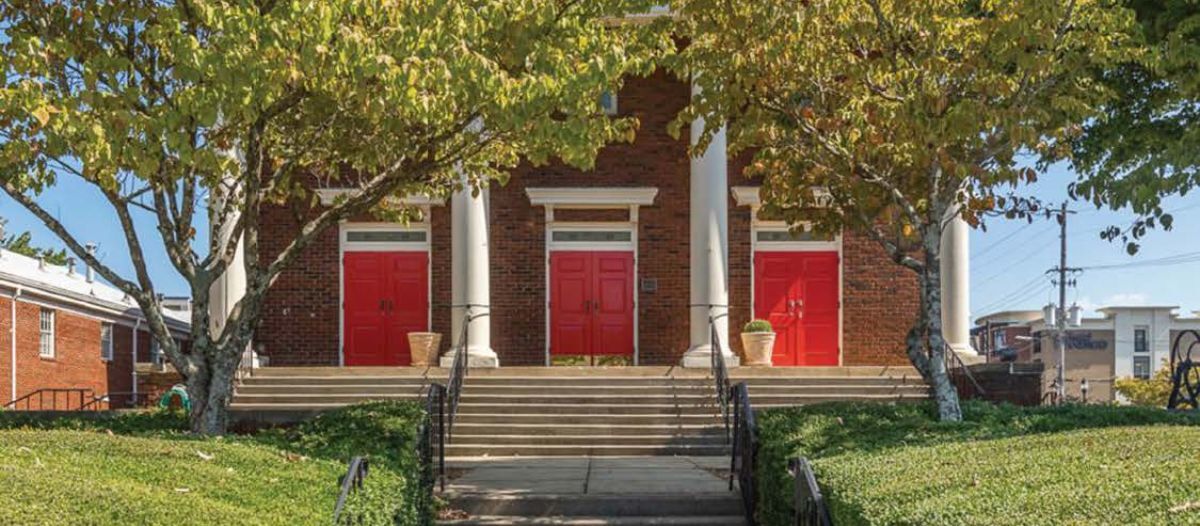
FM students implement strategy at 100-year-old church
Service-learning is often found to be a more engaging and rewarding learning experience for students by learning within a subject field as well as helping within their communities. One of the most effective elements of service-learning is engagement in real world situations and interacting with actual building owners, users, and operators to explore solutions to actual problems. Furthermore, many of the students, by developing a personal interest and stake in the project circumstances, become fully engaged in researching solutions and developing creative problem-solving practices. Such an engagement sentiment is very difficult to replicate in case studies or theoretical constructs within the classroom only.
Graduate students in the School of Building Construction at the Georgia Institute of Technology had a service-learning inspired church project as a part of their master’s capstone course. The FM capstone project was designed to demonstrate the students accumulated educational training of the master of facility management program and to provide students with the integrative curricular experience by conducting a single research project. Fourteen students worked on the facility condition assessment and development of a strategic facility plan for the College Park First United Methodist Church in College Park, Georgia USA.
The church complex consists of a 100-year-old sanctuary structure, an education building, an ancillary building, and a pastor’s house, resulting in the approximate gross floor area of 42,800 square feet. The sanctuary building has an estimated seating capacity of 600 and has a fully equipped, commercial-grade kitchen. The education building is used for a preschool, and the ancillary building is used as a school for children with learning disabilities. The pastor’s house, however, has not been used for years and remains vacant.
There were several challenging aspects of the churches’ state found in the discovery phase of the student’s assignment. One reality was a declining congregation and increasingly fewer funds for basic building operations. A challenge to the leadership and congregation was a need for re-alignment of the church mission and outreach while accepting that the practices used over the past century no longer apply. The changing demographics of the area, new needs of the population, and necessity for space use realignment must be part of any renewal plan.
The church’s space is under-utilized with many classrooms and meeting spaces unused, a daycare facility that falls far short of modern quality expectations, and the use of the sanctuary and kitchen limited to Sunday’s only operation. There is a new tenant for one of the previously unused spaces, but the interior finishes and general condition of the space has a worn out and dated feel.
Another critical concern is the aging and outdated mechanical, electrical and plumbing systems that are costly to replace, operate, maintain and would be priorities for replacement and/or major overhaul. The FM practices are typical of a place of worship as funding is extremely limited faced with the scope of needs, volunteer parishioners manage FM oversight, and a custodial part-time employee is tasked with minor repairs and fixes. There does not appear to be professional operations and maintenance procedures that track performance, oversight of outsourced vendors, or preparation of long term, strategic plans.
Student teams presented a strategic FM plan to fulfill the church’s vision, values and mission through creating a supportive built environment. They also delivered a comprehensive analysis of the use of facilities, FM practices, facilities’ condition and energy performance. Through a site visit, interviews with the church’s building and ground committee and staff, students were also able to identify challenges and opportunities for the church’s FM.
After discovery of conditions and challenges, the students developed feasible and implementable suggestions using a scenario-based planning approach, from no-, low- and medium-cost building improvements to incremental capital budgeting strategies. At the very first level, there are no-to-low cost building improvements, such as monitoring and keeping the records of utility bills, retrofitting lighting with more energy-efficient components and re-commissioning HVAC systems to intended operational parameters. Understanding the current condition of facilities can help the church board members in many ways: prioritizing the deferred maintenance activities, planning for significant building improvements, and allocating annual and capital budgets accordingly.
One of the most interesting results of this exercise was the diversity of creative ideas and implementation strategies provided by the student teams. No two teams had the same solutions, yet each team contributed important strategies and ideas to be considered. There were substantial suggestions for phasing HVAC system replacements, developing key performance indicators to track improvements, re-purposing the sanctuary for “more than just Sunday” uses, upgrading the daycare to be more attractive, creating long term budgets that recognized increasing income (essential to remain viable), and revitalizing the kitchen to provide a food outreach to the local community. Taking the students’ ideas, in aggregate, and applying the most relevant ideas was an outstanding delivery to the church leaders involved in the process. With the involvement of the Georgia Tech student teams, the church leaders have nascent strategies in place to create a roadmap for revitalization.
This real-world example gave the students an unfiltered demonstration of the linkage between the quality and role of FM functions and the quality of operation and maintenance of facilities, which could ultimately contribute to the realization of the church’s mission and values. The students presented their findings to the church board members, including the chair of the Church Board of Trustees, Meredith Hodges, in December 2019 at Georgia Tech. At the conclusion of the student presentations, Hodges, as well as the other attendees and leaders of the church, commented on the quality and insights of the student presentations. The church leaders expressed a renewed sense of optimism and anticipation that the suggestions and insights from the student work would provide the foundations for the church’s new direction and vision.
Operating and maintaining aging worship facilities under limited budget and resources with the declining number of church members is not just the College Park First UMC’s story. Many worship facilities face the same challenges, nationally and globally. According to a recent Gallup Poll , the past 20 years have seen an acceleration in the drop-off, with a 20-percentage-point decline since 1999 and more than half of that change occurring since the start of the current decade (2010’s). This reality further adds to the challenges facing church leadership.
The condition of many churches and their struggles with FM are further amplified as building and control systems, communication, and energy expenses become more complicated, combined with church FM is often volunteer based rather than established formal FM departments. Churches in low-income communities are especially compromised as building systems fail and/or require maintenance where funding is limited or not available at all. Unfortunately, these communities are often financially distressed with high rates of poverty, unemployment, and high school dropouts; hence a strong, faith-based community foundation is essential to help build strong social connections.
Strategic FM planning and the quality of FM functions ultimately affect a building’s energy performance, the indoor environmental quality of spaces, and users’ satisfaction, health, performance, and environmental impacts. Small- and medium-sized enterprises and non-profit organizations such as worship facilities, face the challenges of establishing and following standardized FM functions because of a lack of resources, staff, and a standard way of operating and maintaining facilities. They also tend to rely on a reactive approach rather than having a preventive approach for seamless O&M.
Facilities at churches can be not only a physical place for worship but also a safe social place for community building and healthy social connection. Programs such as preschools and special education, seniors activities, group fitness, and community markets are just a few of many examples.
Georgia Tech’s FM program: Master of Science in Facility Management at Georgia Tech is a professional, multidisciplinary program that merges real estate development, construction, and operational management with business, communication, and financial studies. The FM program emphasizes holistic and strategic thinking about the built environment throughout a building’s lifecycle. The program focuses on successfully integrating all elements of a facility to provide productive and sustainable environments for users and make properties profitable investments for their owners. The FM program is accredited by the IFMA Foundation and numerous students have received scholarships from the IFMA Foundation.
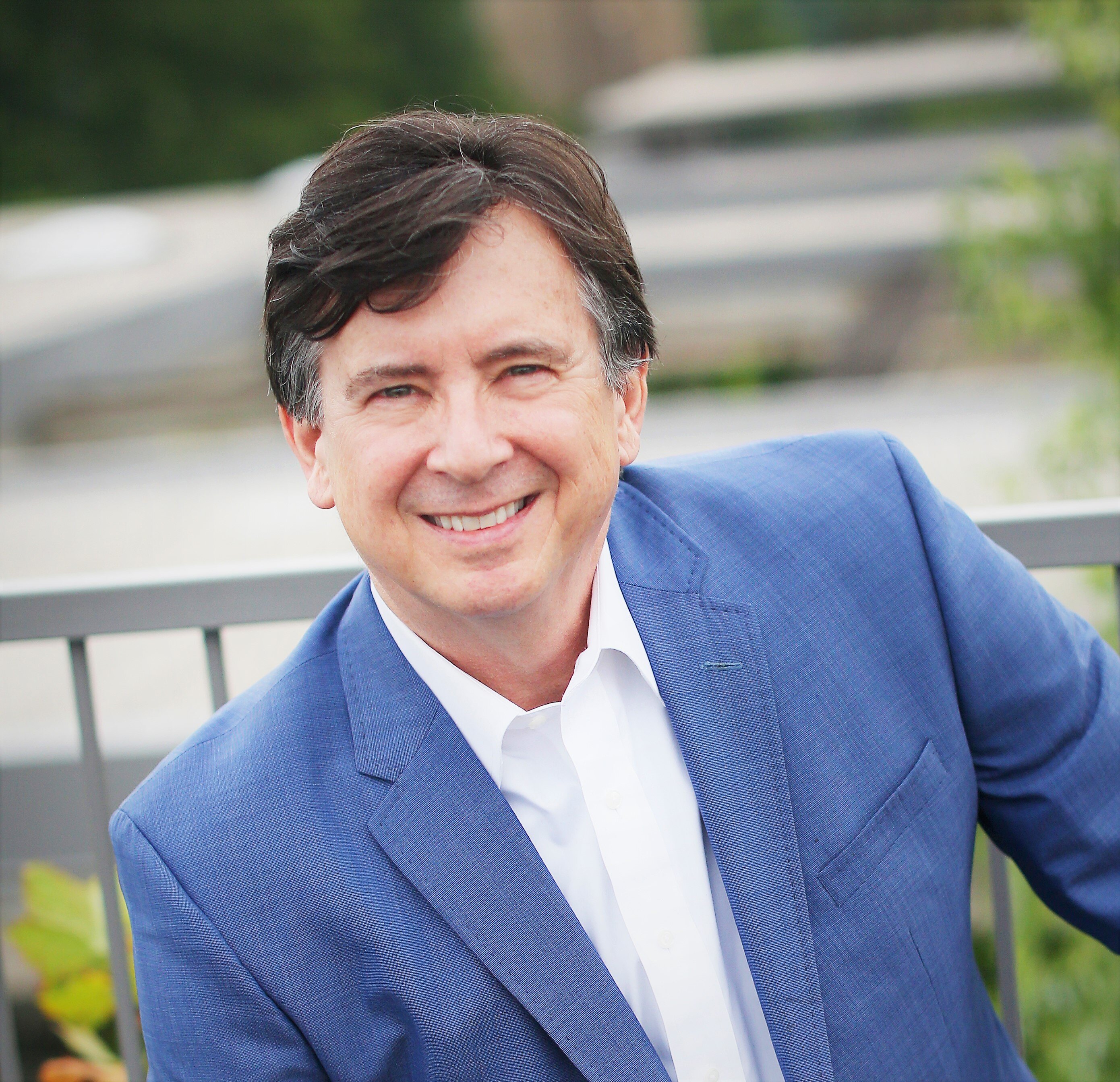
Jeff Ross-Bain, P.E., LEED Fellow, M.Sc., is a mechanical engineer and president of Ross-Bain Green Building, LLC. Since 2001, he has worked exclusively in the field of high-performance green buildings and has been involved with over 85 LEED projects, numerous energy audits, energy models, commissioning services and FM quality assessments. Ross-Bain has a master’s of science degree in facility management from the Georgia Institute of Technology and is utilizing these skills to provide FM guidance to various types of businesses. He has served on several ASHRAE Standards committees and is a member of the ASHRAE Guideline 228p committee, which is establishing methods for measuring performance of net zero energy buildings. Ross-Bain has taught an undergraduate/graduate level course on high-performance green buildings at Georgia Tech and has delivered presentations on various topics around the world.
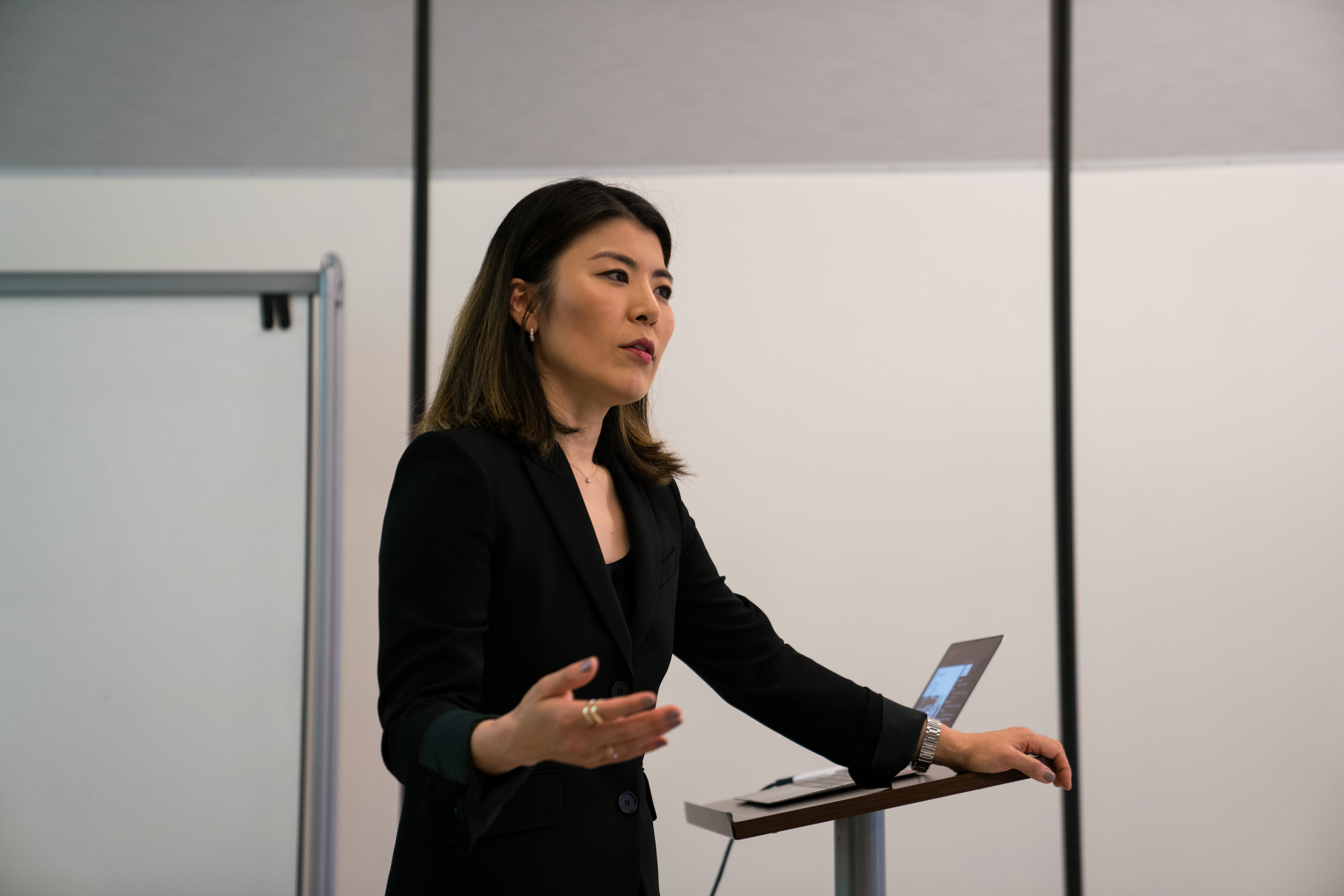
Dr. Eunhwa Yang is an assistant professor in the School of Building Construction and received a Ph.D. in human behavior and design from Cornell University. Her scholarly passion lies in the area of sustainable building practices and the relationship between people and the built environment. Her research focuses on stakeholder engagement and energy efficiency in tenanted properties, smart operation and maintenance using data analytics, and healthy workplaces. The significance of her work is to redirect split incentives in leased properties, support data-driven decision-making during operation and maintenance of buildings, and understand how buildings can support human health and well-being. Yang’s master’s and doctoral students have been recognized in the field with IFMA Foundation scholarships and winning CoreNet Global Academic Challenges.
References
Top image provided by Georgia Tech's FM program.
Astin, A. W., Vogelgesang, L. J., Ikeda, E. K., & Yee, J. A. (2000). How service learning affects students. Los Angeles, CA: Higher Education Research Institute, UCLA.
Jones, J. M. (2019). U.S. church membership down sharply in past two decades. Retrieved February 10, 2020, from https://news.gallup.com/poll/248837/church-membership-down-sharply-past-two-decades.aspx
Dodd, P. (2018). Low-income communities are struggling to support churches. Retrieved February 10, 2020, from https://www.theatlantic.com/politics/archive/2018/01/low-income-communities-churches/549677/
Read more on Training or related topics IFMA Foundation
Explore All FMJ TopicsRelated articles
-

Unlocking Operational Excellence
Essential strategies to elevate efficiencyBy Paul Phillips05.08.2024 -
Institutional Knowledge
5 steps to preserve & maximize veteran know-howBy Brian Haines11.05.2024 -

Fostering Employee Success
How workplace safety & retention lies in trainingBy Clare Epstein10.25.2024