
 Membership
 Network
 Regional Sites & Affiliates


 Events
 Participate
 Resources

 Training
 Credentials
 Government


 Content Channels
 Tools
Tools


 Business Overview



Lessons Learned
Integrating COVID-19 protocol into parking facilities
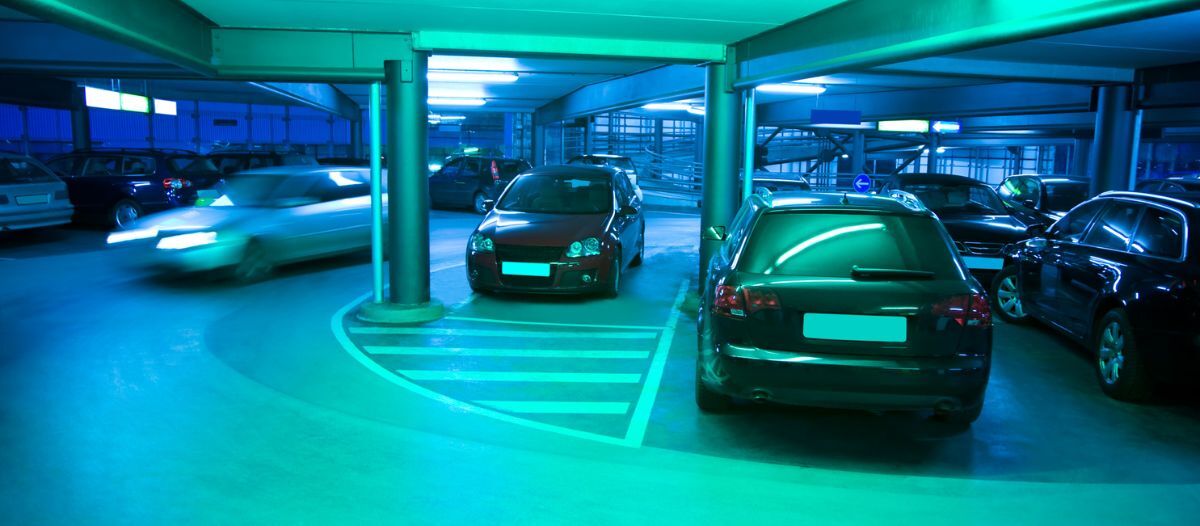
A year after COVID-19 upended lives and economies around the world, a post-crisis review would seem appropriate. Typically, after singular disasters like an earthquake or hurricane, there are opportunities to identify ways to be more resilient and better prepared (like strengthening building codes or revising weather models). An extraordinary, complex and evolving event, the pandemic is not over yet, although the deployment of vaccines means the end is fi nally in sight. For the parking industry, the ability to pivot and adapt quickly to consumer demands helped facilities cope with the formidable challenges of a turbulent year. Remaining agile and adopting frictionless technologies are key to navigating the transition into the post-pandemic era.
The impact of the coronavirus was dramatic and sudden. The initial lockdowns emptied garages and lots across the country almost overnight. Managing those facilities was complicated by the pandemic’s volatile nature and spread. Increases in infection rates prompted more lockdowns and other restrictions in certain regions. New information about the virus emerged every few months, resulting in updated policies and revised procedures. Parking facilities were not aff ected uniformly or consistently, with significant diff erences by market segment. The only constant was change.
Managing risk
Parking managers were forced to repeatedly pivot over the course of 2020. Fundamental to maintaining that flexibility and agility is understanding the customer base and their behaviors. For facilities in urban cores or linked to office buildings, for example, knowing what is happening with the tenant base is vital business intelligence. Parking managers should be in regular communication with building management to anticipate and plan for potential changes and disruptions.
While many office workers switched to a work-from-home schedule, commuting by car made a comeback in select markets. People for whom remote work was not possible and in sectors that were not subject to lockdowns — such as health care and other essential services — opted to drive rather than take the train or the bus, where social distancing is not possible. This resulted in garages in big cities recovering earlier and faster than expected. Facilities in other urban centers also experienced bumps in garage utilization rates. This shift away from public transportation may extend beyond the pandemic as many transit systems are facing service level cuts in response to significant revenue losses.
The medium- and long-term prospects for office-linked parking are unclear. Many companies, big and small, have indicated that a significant percentage of their employees will remain at home through the middle of 2021. It is entirely feasible that some office-based businesses may never return to full, pre-pandemic occupancy levels. Traditional monthly parking models may no longer make sense in that case. Parking managers should prepare for that possibility and consider hybrid pricing structures and other flexible options that can respond to the evolving marketplace.
Event-based facilities like sports arenas, stadiums, theaters and convention centers are severely underutilized or closed entirely. These situations will likely persist until bans on large gatherings are lifted — and people feel safe in and around big crowds. Entertainment activities, including sports, are expected to bounce back first, given the pent-up demand. When that happens, parking managers should be ready for higher utilization rates as more consumers are expected to drive rather than take transit or a ride-sharing service.
The picture is arguably more complicated for convention center business. The pandemic triggered this market segment’s third major downturn of the last 20 years. Many 2020 meetings and tradeshows were canceled, rescheduled or moved online. Virtual events were successful for many organizers who may permanently adopt that format, which would also disrupt airlines and hotels. Given the long lead time for planning conventions and meetings, this sector’s recovery will lag behind the broader economy and its prospects may not be apparent until 2022 or 2023.
Keeping it clean
When the pandemic put the brakes on air travel, airport parking skidded, too. Helping to offset some of the decrease in business were members of the still-flying public who opted to drive themselves to the airport. Ride-sharing services, which had been cutting into parking revenue, were significantly sidelined by the pandemic. Consumer confidence in the flying experience depended heavily on health considerations, so airports were quick to implement rigorous and visible cleaning programs that extended to every facet of the operations, including parking. At decks and lots, efforts focused on disinfecting high-touch points and shared spaces, like elevators and shuttles.
Signage supported physical-distancing recommendations and other safety measures. Shuttle drivers, valets and other employees who interact with the public received special training and were equipped with personal protective equipment. Many of these protocols were adopted as best practices across the parking industry. In light of the rollout of vaccines, air traffic is predicted to pick up in the second half of 2021, led by domestic leisure travel. Post-pandemic, cleaning and disinfection protocols will likely be integrated into standard operating procedures at airports, as well as all types of shared spaces. COVID-19 has permanently raised awareness of the benefits of preventative and protective methods against a wide variety of viruses and communicable pathogens.
The future is frictionless
Although it will be a while before the lasting effects of COVID-19 are assessed, touchless payment systems and other technological innovations are here to stay. The pandemic was merely an accelerant for a consumer-driven trend that was already well underway.
Consumers value their time and convenience more than ever and that means faster, frictionless service. Parking facilities must be visible online and offer reservations via their website or mobile apps — ideally both. Once consumers make the decision to drive, they want to be assured that a parking spot is waiting. Just as important, they want to know that getting in and out of the facility is as quick and easy as showing a QR code or having their license plate scanned. Contactless payment options and touch-free features further ease the process.
Parking management that fails to invest in these systems will lose customers in a competitive buyer’s market. As the economy recovers, they risk being permanently relegated to second- and third-tier status.

Stan Bochniak is vice president, national parking sales for ABM Industries. He has more than 25 years of parking industry experience in roles from facility manager, regional manager and regional marketing. All these positions have enabled him to develop a strong and diverse knowledge of parking and transportation operations, FM and commercial real estate.
Read more on Operations & Maintenance , Risk Management and Occupancy & Human Factors or related topics Asset Management , Occupant Health and Operations
Explore All FMJ Topics